How to Dress Gender Fluid: A Practical Styling Guide
Quick Answer
How to dress gender fluid starts with dressing for shape, comfort, and expression rather than for menswear or womenswear rules. Use silhouette, layering, denim, dresses, and tailoring to create balance, then choose pieces that feel authentic in every setting, from everyday wear to formal occasions.
How to dress gender fluid is really about building a wardrobe that follows your identity, not old category rules. The best outfits create balance, comfort, and expression at the same time. That might mean a sharp jacket over soft drape, wide-leg denim with a fitted top, or a dress styled in a way that feels unmistakably yours. Olivia Black makes this easier with limited-run, sustainable pieces such as the Weaver Jeans, the Weaver Denim Jacket, and the Maglen Dress. If you want style that feels creative and wearable, how to dress gender fluid is less about following a formula and more about learning a few flexible ones. In this guide, we’ll cover silhouettes, proportions, layering, denim, dresses, and formalwear, plus practical outfit ideas you can actually wear in London, the UK, and beyond.
Start With How You Want to Feel
How to dress gender fluid begins with mood, not labels. The most useful question is simple: do you want to feel strong, soft, relaxed, polished, playful, or a mix of all five? Once you name the feeling, outfit choices become easier.
That approach matters because gender-fluid dressing is personal. Some days call for structure. Other days need movement and ease. Therefore, start with your intention before you think about trends. If you want quiet confidence, a clean silhouette and dark denim may work. If you want expression, a dress with contrast or a layered shirt can say more.
Olivia Black designs support that kind of styling. Pieces from the gender fluid clothing guide and the Olivia Black about page show how sustainable garments can hold both edge and softness. That is useful when you are learning how to dress gender fluid in a way that feels natural.
A helpful styling check-in is this:
- What do I want my outfit to communicate?
- Do I want shape, drape, or contrast?
- Will I feel comfortable sitting, walking, and moving in it?
- Does this look reflect me today, not who I think I should be?
For inspiration, some style creators focus on accessible androgynous dressing rather than strict categories. The video What is gender-fluid clothing? Fashion industry experts explain the rise of fluid style is a useful mainstream explainer, and the article from Plume on fluid fashion for gender non-conforming folks offers a broader styling lens.
When you start there, how to dress gender fluid becomes less intimidating. You stop asking whether an item is meant for one gender. Instead, you ask whether it helps you feel like yourself.
How to Dress Gender Fluid by Building Outfits Around Shape, Not Gender
How to dress gender fluid works best when you think in shapes. Silhouette is often more important than the garment label. A straight line can feel minimal and sharp. A curved line can feel fluid and expressive. A boxy line can feel modern. A fitted line can feel intentional.
This is where proportion matters. If the top is relaxed, the bottom can add structure. If the trousers are wide, a neater upper layer can keep the outfit balanced. Consequently, you create harmony without relying on gendered rules.
A good formula is contrast. Try one of these:
- structured jacket with soft trouser
- oversized shirt with tapered denim
- fitted vest with wide-leg jeans
- flowing dress with a cropped jacket
That is why the Feather Trouser and the Weaver Jeans are useful styling foundations. Both can anchor a look while still letting the rest of the outfit shift mood. In a gender-fluid wardrobe, that kind of flexibility is powerful.
Many people also search for how to dress gender fluid when they want to avoid looking costume-like. The answer is to keep one element familiar. If the silhouette is bold, keep the fabric grounded. If the fabric is dramatic, keep the shape clean. That balance helps the outfit feel lived-in.
For practical context, NBC News has also covered how gender-fluid style is increasingly visible in fashion conversations. You can explore that broader framing through this NBC News guide to gender-fluid clothing. It helps explain why shape-first dressing resonates with so many people.
So, if you are learning how to dress gender fluid, start by drawing the line of the outfit. Then build around that line with intention.
Use Denim as a Foundation for How to Dress Gender Fluid
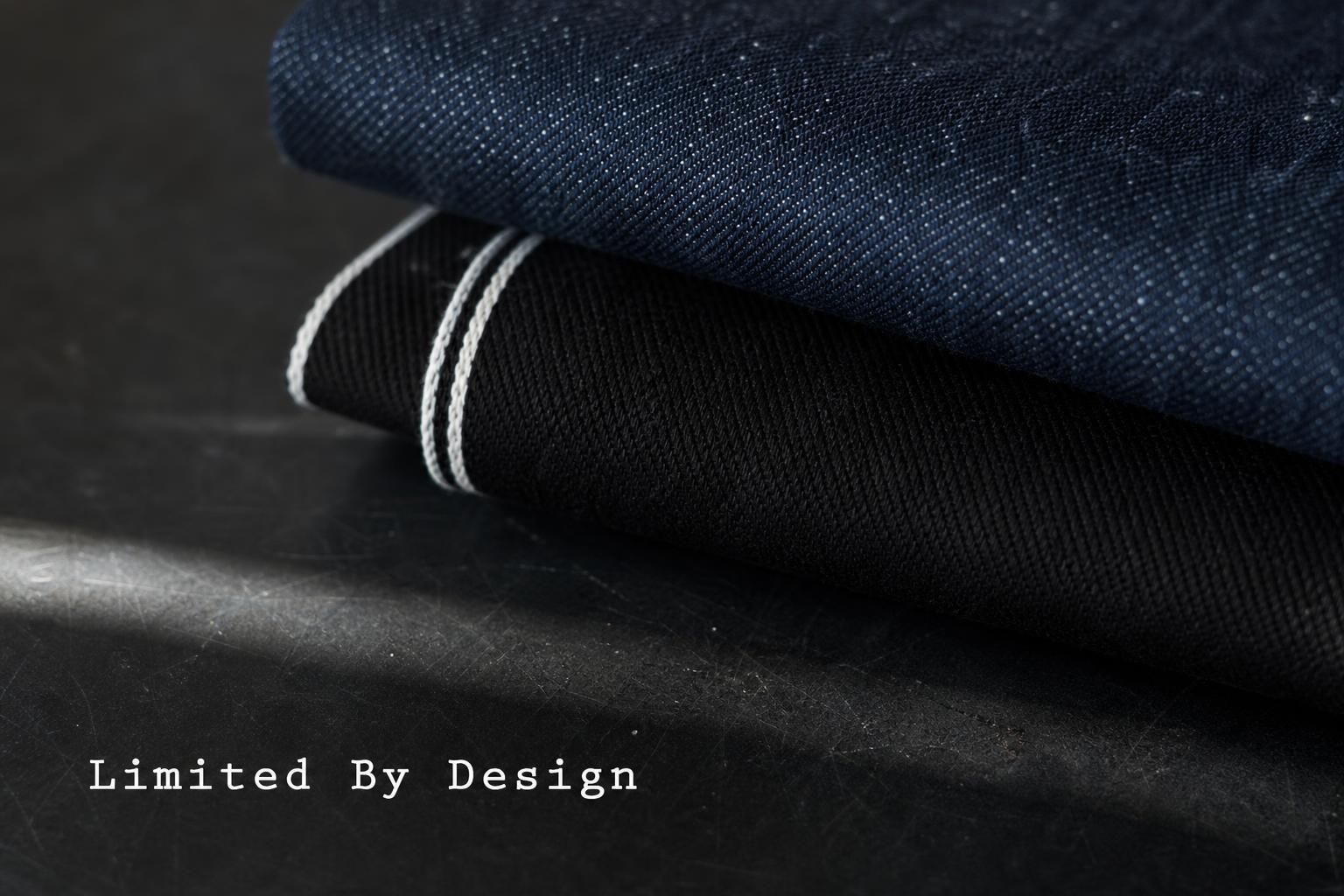
Denim is one of the easiest ways to learn how to dress gender fluid because it can feel casual, tailored, rebellious, or refined. It also works across seasons, which makes it ideal for a capsule wardrobe.
Start with fit and line. Straight-leg denim gives a cleaner shape. Wider denim feels more directional. Cropped jackets add energy, while longer jackets create a calmer frame. Therefore, denim becomes a base for experimenting without losing wearability.
Olivia Black’s denim pieces are especially useful here. The Weaver Jeans work well with boots, loafers, trainers, or heels. The Weaver Denim Jacket can be worn over a dress, a shirt, or a simple tee. Together, they create a strong gender-fluid uniform that does not feel locked into one category.
For shoppers building a more intentional wardrobe, the page on gender-fluid jeans is a useful next step. So is sustainable designer denim, especially if you care about construction and longevity.
A strong denim formula is:
- dark denim for a sharper feel
- lighter denim for a softer, daytime look
- double denim when you want a bold, fashion-led outfit
- denim plus tailoring when you want contrast
That approach helps how to dress gender fluid feel practical instead of abstract. It also makes getting dressed faster. When denim is good, everything else can shift around it.
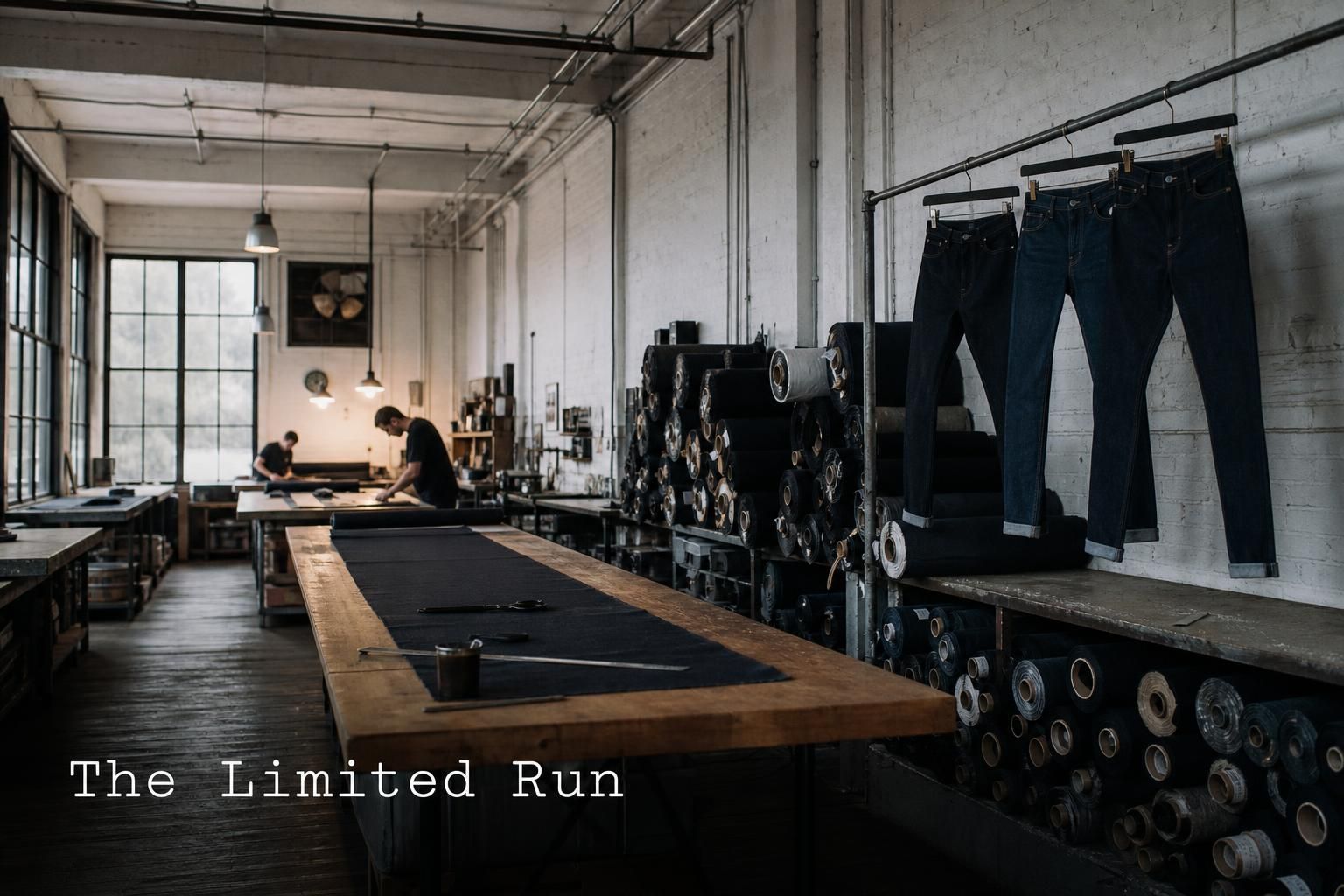
If you want to understand why limited-run denim matters, Olivia Black’s discussion of deadstock denim jeans explains the value of using existing fabric rather than defaulting to mass production. That matters for style, but also for intention. Pieces feel more considered when they are not everywhere.
In short, denim gives you a starting point, not a rulebook. That is exactly why it works so well when you are figuring out how to dress gender fluid.
How to Dress Gender Fluid in Dresses Without Traditional Rules
How to dress gender fluid in a dress is simple: wear the dress in a way that reflects your energy, not someone else’s expectations. A dress does not have to mean feminine in a narrow sense. It can mean sculptural, cool, romantic, minimal, or bold.
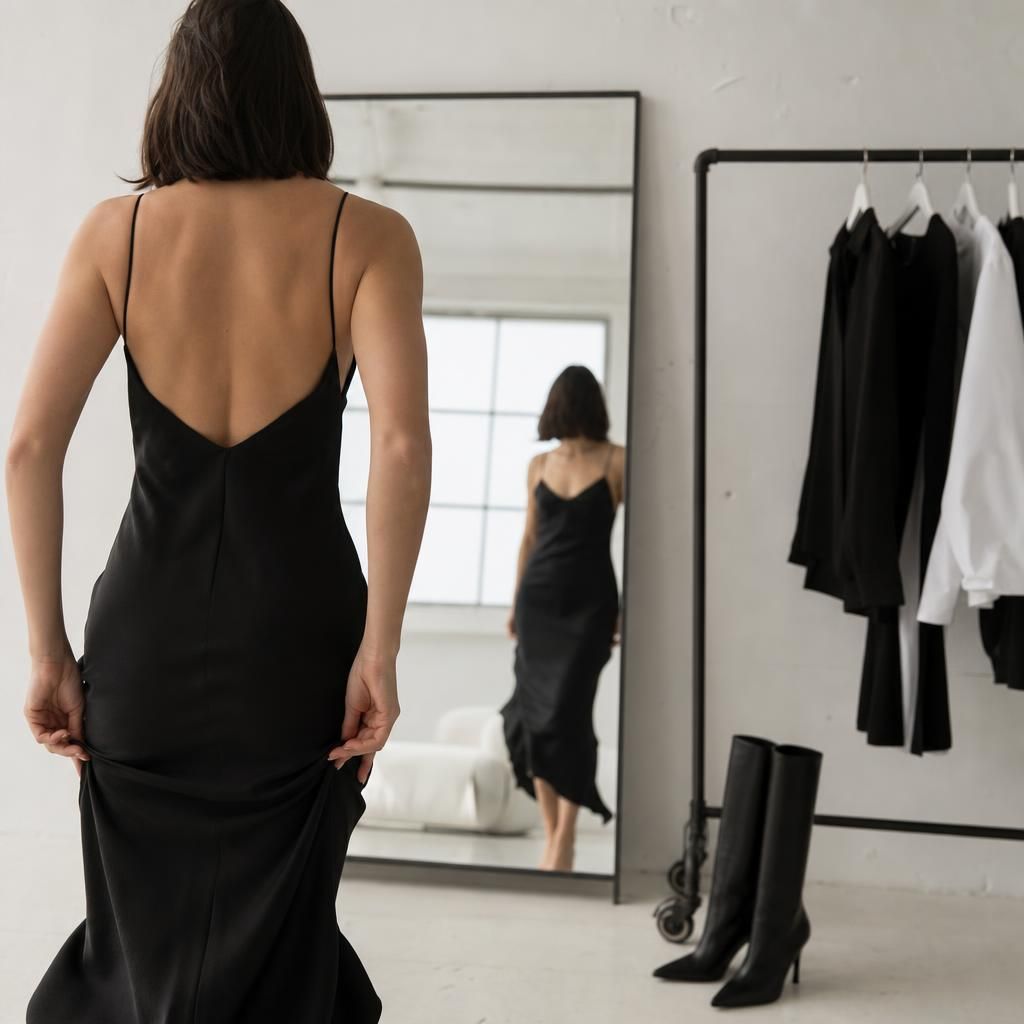
The key is styling. Change the jacket, shoe, and underlayer, and the same dress reads differently. A dress with boots feels grounded. A dress with a denim jacket feels modern. A dress with sharp tailoring feels directional. As a result, the piece becomes expressive rather than fixed.
Olivia Black’s Maglen Dress and Ava Dress are strong examples of how dresses can work fluidly. They are useful for people who want movement and presence without giving up individuality. If you are testing a dress for occasional wear, the Ava Dress also has a rental option through designer clothing rental UK, which is ideal for special events.
When styling a dress, ask three questions:
- Do I want the look to feel sharpened or softened?
- Do I want to reveal shape or diffuse it?
- What outer layer makes this feel most like me?
You can also explore broader sustainable occasionwear through sustainable dress UK and sustainable dresses UK. Both pages are helpful if you want expressive pieces that can be reworn in different ways.
For external inspiration, Pinterest is full of visual references, but the best ideas are the ones you can adapt. A better starting point is a mood and a shape, not an outfit copy. That is what keeps how to dress gender fluid personal.
A dress does not need to signal one identity. It just needs to support yours.
Mix Tailoring, Volume and Texture When You Dress Gender Fluid
Tailoring, volume, and texture are the three tools that make how to dress gender fluid feel polished. They help you control the mood of an outfit without relying on binary styling codes.
Tailoring gives precision. Volume adds movement. Texture adds depth. When you combine them well, outfits feel deliberate. For example, a sharp jacket with a soft shirt and relaxed trouser creates contrast. Likewise, a structured top with fluid fabric can feel elegant without being rigid.
This is where layering becomes especially useful. Layering lets you adjust the energy of a look throughout the day. A shirt under a jacket is practical. A vest over a tee adds shape. A long coat over a simple base makes even casual clothes feel elevated. Therefore, layering is one of the most reliable answers to how to dress gender fluid in real life.
If you want a visual starting point, this gender-neutral styling video by iris olympia is worth watching for approachable and wearable ideas:
For editorial energy, you can also look at Olivia Black’s gender neutral fashion guide and gender-neutral clothing guide. They explain how inclusive style can stay expressive without feeling overworked.
A few texture pairings work especially well:
- denim with silk or viscose
- wool with cotton poplin
- matte fabric with a glossy shoe
- soft drape with crisp tailoring
When you use texture thoughtfully, the outfit gains dimension. That is helpful if you prefer minimal colour. It also helps if you want the clothing to do more of the talking.
In practice, how to dress gender fluid is often about editing. One strong texture can carry the whole look. Too many competing elements can blur the message. Keep the story clear, and the outfit will read clearly too.
Gender-Fluid Outfit Ideas
How to dress gender fluid becomes easier when you can picture complete outfits. These formulas are meant to be adapted, not copied exactly. Use them as a starting point, then adjust for weather, comfort, and your own style.
A useful resource for visual thinking is this guide to non-binary outfits and gender-neutral clothing. It is broad, but it reinforces the idea that silhouette and self-expression matter more than labels.
H3s:
Everyday Look
A simple everyday look should feel easy, mobile, and repeatable. Try Weaver Jeans, an Aviary Shirt, and the Weaver Denim Jacket. The outfit feels relaxed, but the layers give it presence. This is one of the most practical ways to learn how to dress gender fluid without overthinking it.
Evening Look
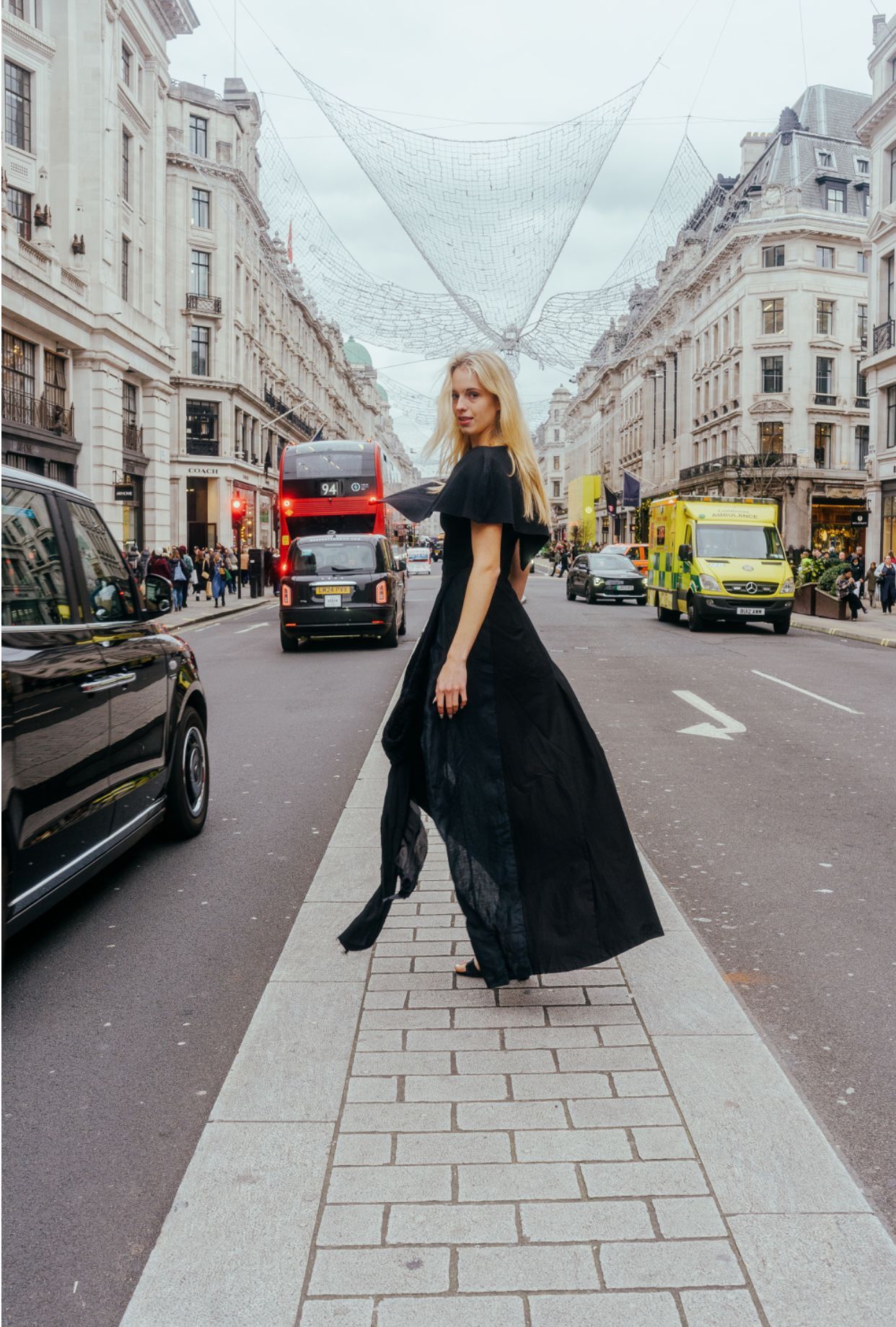
For evening, focus on one statement piece. The Maglen Dress with a structured outer layer and clean shoes creates a mood that feels elevated but still fluid. If you prefer trousers, try Feather Trouser with a shirt that opens at the neck and a neat jacket.
Formal Look
Formalwear works best when you keep the line intentional. Choose tailored trousers, a crisp shirt, and one sculptural detail. A formal gender-fluid outfit does not need to imitate traditional suiting. Instead, it should feel composed. The Feather Trouser is especially useful here because it can read polished without feeling stiff.
Layered London Look
For a London-ready outfit, think weather and attitude. Start with denim or tailored trousers, add a shirt, then finish with a jacket that has shape. A coat, scarf, or boots can shift the whole look. This is where Olivia Black’s limited-run pieces shine, because they let you build a wardrobe with character, not clutter.
When people ask for ideas for gender fluid clothing, they often want formulas. These are the formulas that work: denim plus tailoring, dress plus jacket, loose shape plus sharp line, and one statement item plus one grounded layer. That is the real answer to how to dress gender fluid in a versatile way.
Fit Tips for Different Bodies
How to dress gender fluid successfully depends on fit, not just style. The right fit can make a garment feel affirming. The wrong fit can make even a good piece feel awkward.
The main goal is comfort with intention. You do not need to hide your body. You need to choose proportions that feel right to you. Some people want to broaden the shoulder line. Others want to lengthen the leg. Some want soft drape. Others want clean structure. All of that is valid.
A few fit tips help across body types:
- Use shoulder seams as a guide for jackets and shirts.
- Let one area lead, like shoulders, waist, or leg shape.
- Try different rises in trousers to see what feels most balanced.
- Look for movement around the hips if you prefer ease.
- Test how the garment looks both standing and seated.
Olivia Black’s limited-run approach also supports better fit decisions. The limited-run clothing guide and slow fashion clothing guide both show why fewer, more considered pieces can be easier to live with over time.
If you are shopping online, use measurements rather than assumptions. That is especially important for gender-fluid dressing, because you may not want to shop from traditional menswear or womenswear categories at all. The best fit is the one that lets the garment sit how you intended.
You can also learn from broader inclusive style content like gender fluid fashion brands and gender neutral clothing UK. Both can help you compare what makes a garment feel adaptable.
If you remember one thing, let it be this: how to dress gender fluid is not about fixing your body to the clothes. It is about choosing clothes that work with your body, your taste, and your life.
Key Takeaways
- How to dress gender fluid starts with feel, silhouette, and comfort, not gendered clothing rules.
- Denim, tailoring, layering, and dresses all work well when you focus on proportion and contrast.
- Olivia Black pieces like Weaver Jeans, Weaver Denim Jacket, Feather Trouser, and Maglen Dress are strong building blocks for fluid styling.
- Limited-run, sustainable garments make it easier to build a wardrobe that feels personal and intentional.
- The best gender-fluid outfit is the one that supports your identity, your movement, and your life.
Frequently Asked Questions
How do gender fluid people dress?
They dress in whatever way best reflects their gender expression on that day. That can mean androgynous pieces, mixed silhouettes, dresses, tailoring, denim, or fully personal combinations. The most accurate answer to how to dress gender fluid is that there is no single uniform. Comfort, shape, and authenticity matter more than following menswear or womenswear rules.
What is the 3-3-3 rule for clothes?
The 3-3-3 rule usually means limiting yourself to three tops, three bottoms, and three pairs of shoes for a simple wardrobe system. It can help if you want to reduce decision fatigue. For how to dress gender fluid, it works best when those pieces are flexible enough to mix across moods, settings, and silhouettes.
What are some ideas for gender fluid clothing?
Good ideas include wide-leg jeans, structured jackets, drapey shirts, tailored trousers, statement dresses, and layered looks that can shift with the occasion. Olivia Black’s Weaver Jeans, Feather Trouser, Maglen Dress, and Weaver Denim Jacket are strong examples because they can all be styled in more than one direction.
Can you be straight if you're genderfluid?
Yes. Gender identity and sexual orientation are different things. A person can be genderfluid and also be straight, gay, bi, pan, asexual, or any other orientation. This has nothing to do with how to dress gender fluid, except that your clothing can still reflect who you are without defining who you are attracted to.