Deadstock Denim Jeans: Why Limited-Run Denim Is Different

Olivia Black • September 20, 2026

Share this article

Quick Answer

Deadstock denim jeans are jeans made from leftover fabric that was produced for another purpose but never used. They are different because supply is limited, the cloth is often rare, and each run feels more intentional. At Olivia Black, deadstock denim jeans support slower, more expressive design while keeping the Weaver Jeans line small, considered, and distinctive.

Deadstock denim jeans are not just another denim trend. They are a design choice, a sourcing choice, and, often, a more thoughtful way to buy clothes. In simple terms, deadstock denim jeans are made from existing fabric that was left unused, which means every run begins with a finite material supply. That scarcity changes everything: the fit decisions, the wash choices, the production scale, and even the way a pair feels when you wear it.

For Olivia Black, deadstock denim jeans sit at the centre of sustainable gender-fluid dressing. They are part of a wardrobe that values shape, movement, and personal expression over mass production. If you want the broader brand context, Olivia Black’s approach to sustainable clothing shows how limited-run pieces are designed with intention rather than excess. In this article, we will look at what deadstock means, why it matters, how it differs from mass-market denim, and why Weaver Jeans and the Weaver Jeans Version 2 waitlist have become such a strong part of the story.

What Are Deadstock Denim Jeans?

Deadstock denim jeans are jeans made from surplus denim fabric that was never used in its original planned production. That is the clearest definition, and it is the one most shoppers need first. Because the cloth already exists, deadstock denim jeans are usually limited by material availability rather than by demand.

This is why deadstock denim jeans feel so different from standard retail denim. A brand cannot simply reorder the same cloth forever. Instead, it must work with what remains, which often leads to smaller batches, sharper design decisions, and more considered colour or weight choices. For a closer look at the product side, see Weaver Jeans, which shows how a limited fabric story can become a wearable, everyday silhouette.

Deadstock is not the same as worn vintage. Vintage denim has had a life. Deadstock denim jeans have not. The fabric may have been stored for years, but it is still unused. That makes the category appealing to people who want a fresh garment with a lower-waste sourcing story. It also explains why deadstock denim is often searched alongside terms like limited-run denim, designer deadstock, and sustainable denim.

If you want a broader educational overview, Deadstock Denim Jeans: Limited-Run Jeans Made from Existing Fabric covers the material logic in more depth. For sourcing examples outside the brand, fabric suppliers such as designer deadstock denim for handmade jeans and designer deadstock Italian selvedge denim help show how broad the category can be.

That limited supply is the real point. Deadstock denim jeans are defined by what already exists, not by endless reproduction. Therefore, every pair carries a built-in sense of finality, which is part of the appeal.

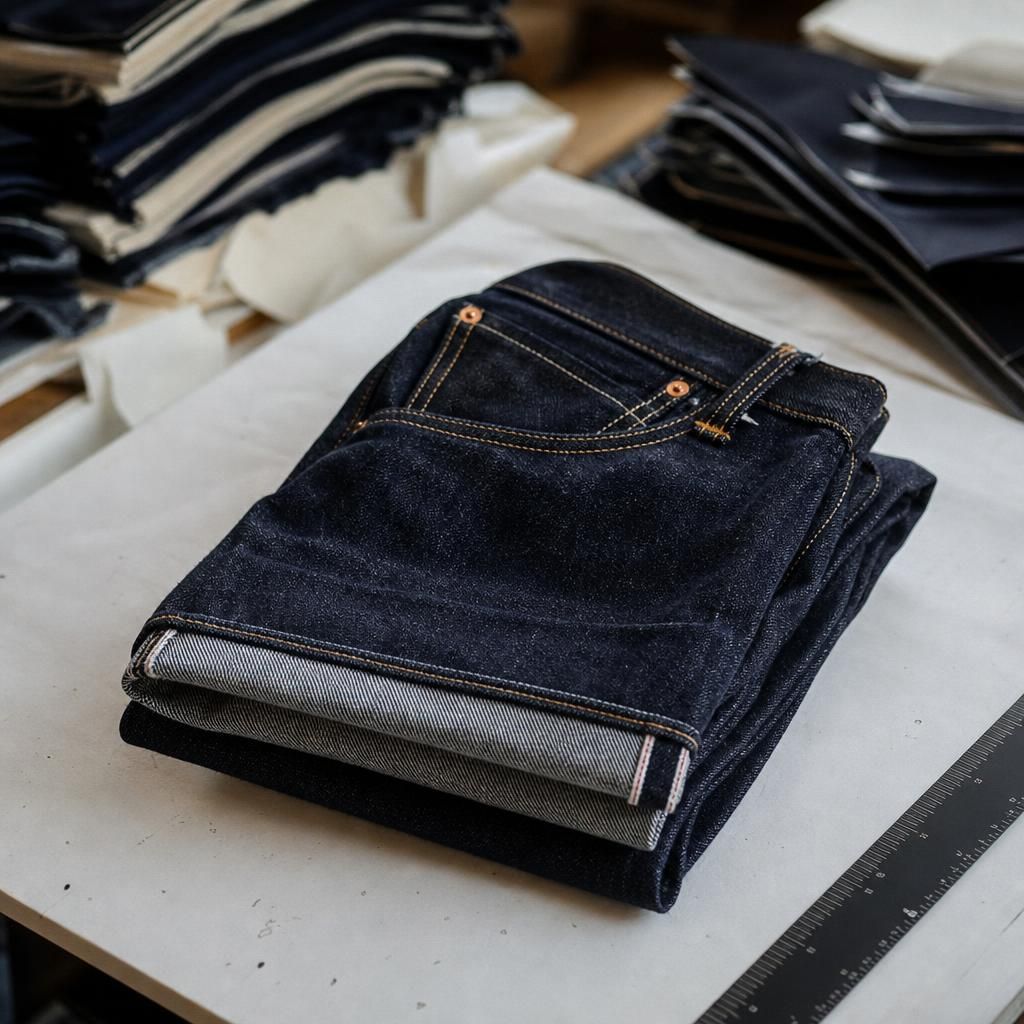
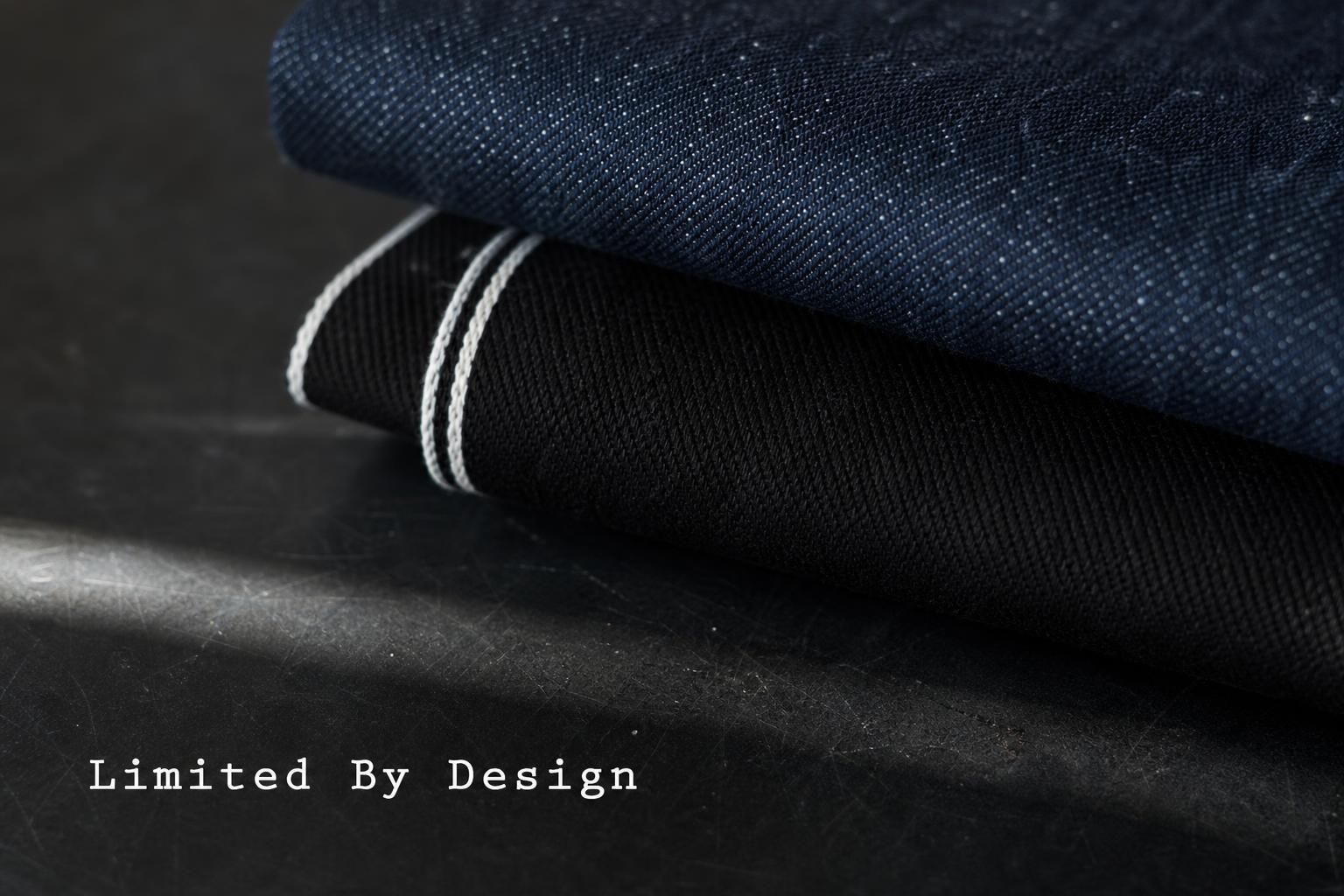
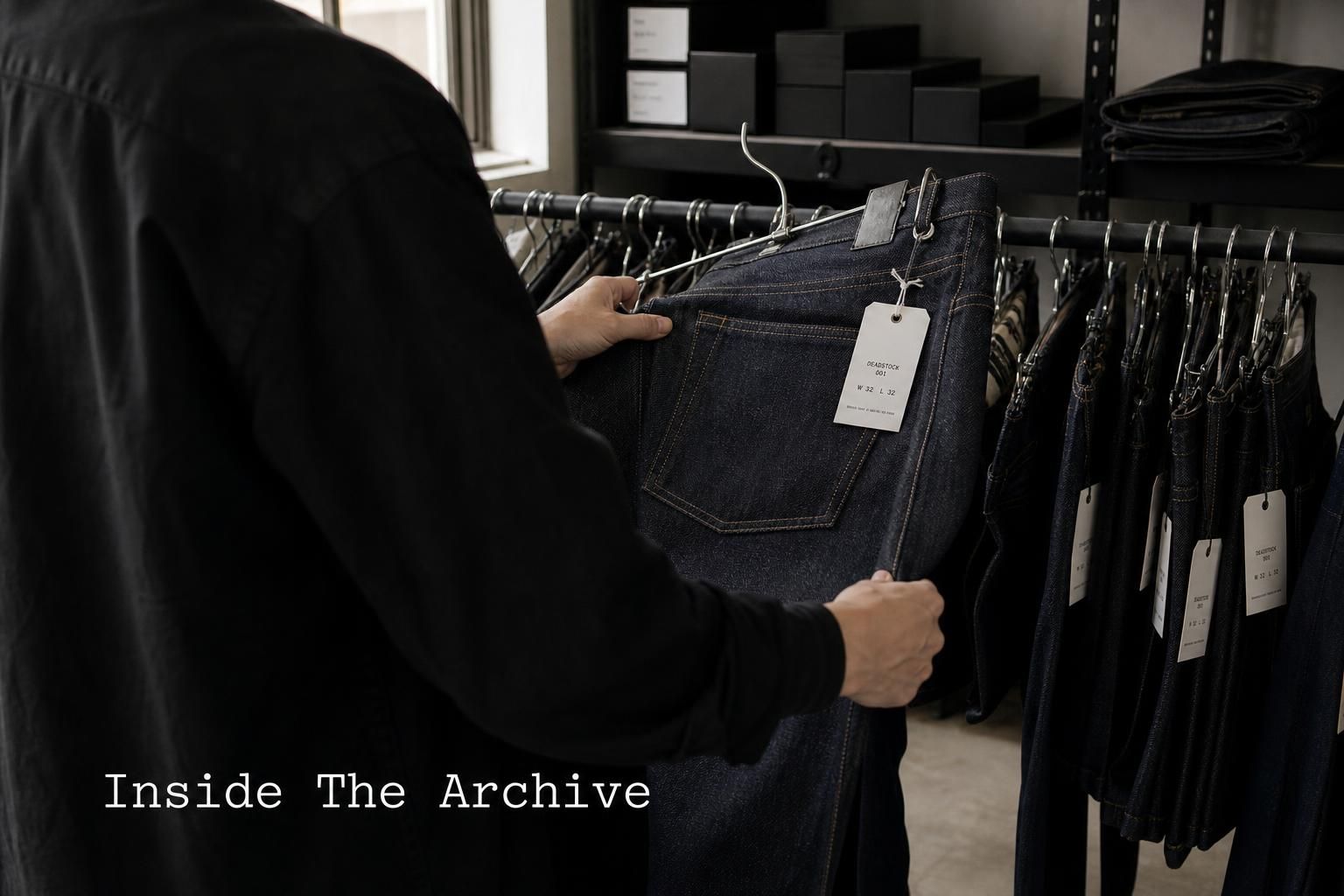
Folded deadstock denim jeans on a cutting table, close-up. 

How does deadstock denim work in practice?

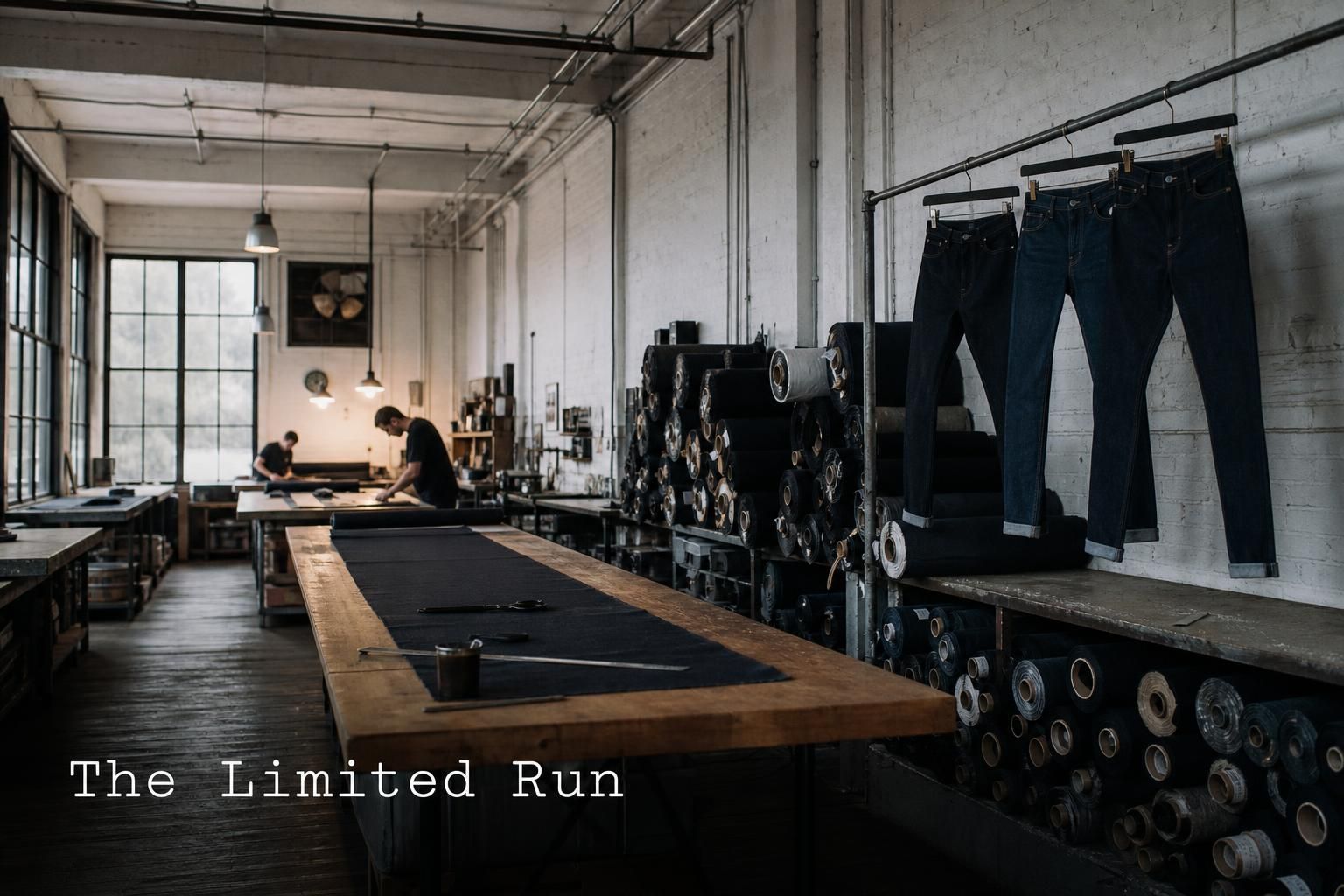
Deadstock denim works by using leftover rolls, bolts, or mill surplus that would otherwise remain unused. Brands then cut patterns around the fabric they can actually secure. As a result, deadstock denim jeans are often produced in smaller runs and may not return in the exact same cloth again.

This is especially important for designer labels. Limited fabric can shape the final silhouette. It can also influence the weight, rigidity, and drape of the jeans. That is why deadstock denim jeans often feel more deliberate than generic stock-supported denim.

Why Deadstock Denim Jeans Support Slow Fashion

Deadstock denim jeans support slow fashion because they start with materials that already exist. That reduces waste pressure at the fabric stage and encourages more careful production planning. It also slows down the habit of overordering, which is one of fashion’s biggest problems.

Slow fashion is not only about using better materials. It is also about buying fewer things and wearing them more. Deadstock denim jeans fit that mindset because they usually arrive in limited quantities, with less churn and more design intent. If that philosophy interests you, Slow Fashion Clothing: A Practical Guide to Buying Less and Wearing More is a useful companion read.

The appeal is not abstract. When a garment begins with limited cloth, the brand has to make the most of every cut. That encourages careful pattern placement, tighter quality control, and more honest product storytelling. It also gives the wearer a stronger relationship with the piece. You are not buying something that is everywhere. You are choosing something more specific.

For Olivia Black, that matters because the brand is built around sustainable, gender-fluid clothing that feels expressive rather than disposable. You can see that approach across pieces like the Weaver Denim Jacket, which extends the same limited-run mindset into layering. Deadstock denim jeans sit naturally beside that idea.

The production model also supports a lower-pressure wardrobe. Instead of chasing constant newness, deadstock denim jeans invite repeat wear, styling variation, and a more personal relationship with the garment. That is the slow-fashion win: less excess, more meaning.

If you are researching suppliers or sourcing language, a useful overview of fabric discovery and rescue can be found through How We Source Our Deadstock Denim | Core Fabrics. It shows why sourcing is often the most important part of the story.

Limited-Run Deadstock Denim Jeans vs Mass-Market Jeans

Limited-run deadstock denim jeans are different from mass-market jeans because they are constrained by fabric, not by a global replenishment system. That changes the way they are made, sold, and worn. It also changes the emotional value of the piece.

Mass-market jeans are designed for repeatability. They are made to be reproduced at scale, often with the same cloth or a close substitute. Deadstock denim jeans, by contrast, are tied to a finite fabric source. Once that cloth is gone, the exact run is over. That is why limited-run denim often feels more special without needing hype.

There is also a quality-of-decision difference. A mass-market line may optimise for volume. Deadstock denim jeans usually optimise for material efficiency, fit clarity, and identity. They ask a simpler question: how do we make the best garment from the fabric in front of us?

That approach is especially relevant in fashion-forward wardrobes. A strong pair of deadstock denim jeans can do more than one job. It can anchor an everyday look, work for editorial styling, and still feel sharp for evening wear. If you want an example of this design logic outside denim, the Maglen Dress shows how Olivia Black balances statement and wearability across categories.

This is also where scarcity becomes useful rather than gimmicky. Limited-run denim can encourage better buying habits. People pay more attention to fit, styling, and longevity when the item is less replaceable. That attention often leads to better wardrobe outcomes.

In short, deadstock denim jeans are different because they are built around constraint. And constraint, handled well, can create stronger design.

Weaver Jeans by Olivia Black

Weaver Jeans are Olivia Black’s answer to deadstock denim jeans with a gender-fluid point of view. They are designed to feel expressive, wearable, and intentional, while still keeping the limited-run character that makes deadstock fabric so distinctive.

If you want the brand story behind the line, Olivia Black: London Fashion Designer Creating Sustainable Gender-Fluid Clothing explains the wider creative practice. Weaver Jeans sit inside that universe as a practical, sculptural denim option for people who want clothes with edge and longevity.

Deadstock denim jeans are especially well suited to a designer like Olivia Black because they allow fit and attitude to lead. Instead of forcing a binary look, the jeans can be styled across moods, bodies, and settings. That makes them useful for both everyday wardrobes and more directional dressing.

Fit and silhouette

Fit is the first thing people notice in deadstock denim jeans. A good pair should feel structured, but not rigid in the wrong places. Weaver Jeans are designed to create shape without making the wearer disappear into the denim.

That balance matters because deadstock fabric can vary. Some bolts feel denser. Others drape more softly. The result is that fit choices become part of the design language. If you are drawn to denim that follows the body without flattening it, deadstock denim jeans can be a strong option.

Styling across gender expression

Deadstock denim jeans work well for gender-fluid styling because they are not tied to a single presentation. They can be sharp with a shirt, relaxed with a tank, or elevated with a jacket.

For broader styling ideas, What Is Gender-Fluid Clothing? Meaning, Examples and Styling Ideas gives a useful framework. Weaver Jeans fit that philosophy by allowing the wearer to define the mood, not the category.

Waitlist and Version 2 availability

Because deadstock denim jeans depend on available fabric, exact repeats are rare. That is why the Weaver Jeans and the sustainable clothing in London conversation often leads to the Version 2 waitlist.

A waitlist is not just a sales tactic. It is a practical response to limited cloth. If you want access to the next version, joining the waitlist is the smartest way to stay close to availability without chasing drops after the fact.

How to Care for Deadstock Denim Jeans

Deadstock denim jeans last longer when you treat them gently. That is the simplest answer, and it is the right one. Denim does not need constant washing, and limited-run denim deserves the same careful handling you would give any well-made garment.

Start by washing less often. Spot-clean when you can. When you do wash, turn the jeans inside out and use cold water. Air-drying is better than heat, because high temperatures can stress fibres and change the fit. These habits help preserve colour and reduce wear at stress points.

If the denim is rigid, allow it time to break in. Many deadstock denim jeans improve with wear because the fabric settles to the body. That is part of the charm. You are not trying to keep them brand new forever. You are trying to help them age well.

Storage matters too. Hang or fold them neatly, and keep them away from damp spaces. If the pair needs repair, fix small issues early. A loose seam is easier to solve than a tear. That is the slow-fashion mindset in practice.

For shoppers who want more context on broader denim care and sourcing, Sustainable Denim in the UK: Limited-Run Jeans and Jackets by Olivia Black is a helpful next step. Deadstock denim jeans are built to be worn, not preserved like museum pieces. But with good care, they can become one of the most reliable items in your wardrobe.

That reliability is what makes them worth seeking out. The fabric is limited, but the use value should not be.

Key Takeaways

  • Deadstock denim jeans are made from unused fabric, which makes them inherently limited-run.
  • Their scarcity changes the design process, fit decisions, and long-term value.
  • Deadstock denim jeans support slow fashion because they use existing material instead of relying on endless reproduction.
  • Weaver Jeans by Olivia Black translate deadstock denim into gender-fluid, expressive wear.
  • Care matters: wash less, dry gently, and repair early to extend the life of deadstock denim jeans.

Frequently Asked Questions

What does deadstock denim mean?

Deadstock denim means unused denim fabric that was produced for another purpose but never cut into garments. In deadstock denim jeans, that fabric becomes a finished pair of jeans instead of sitting unused in storage.

The key idea is that the material already exists. Therefore, the garment is usually limited by fabric availability rather than by an endless production cycle.

Where can I find deadstock fabrics?

You can find deadstock fabrics through specialist textile suppliers, fabric shops, and designer deadstock platforms. Some online suppliers and sourcing pages focus on surplus denim, selvedge, and end-of-line rolls.

If you are buying finished clothes, look for brands that explain their fabric origin clearly, like Olivia Black’s deadstock denim jeans and limited-run product pages.

What pair of jeans cost $10,000?

Several rare collector denim pieces and luxury archival jeans have been listed or sold for very high prices, including pairs that reached the $10,000 range in the resale and collector market. The exact pair depends on condition, provenance, rarity, and brand history.

That price does not describe ordinary deadstock denim jeans. It usually refers to collector-grade vintage or highly uncommon archival denim.

Why is deadstock fabric so expensive?

Deadstock fabric can be expensive because it is limited, uneven in supply, and often sourced in small quantities. Once a desirable roll is found, brands may need to secure it quickly, which can raise sourcing costs.

The other cost factor is rarity. Some deadstock fabrics are high quality, designer surplus, or specialist denim that is no longer in regular production.

Recent Posts

By Olivia Black September 22, 2026
what is gender fluid clothing is a question many style-conscious shoppers are asking as fashion moves beyond fixed menswear and womenswear rules. At its simplest, it means clothing that lets you dress for your body, mood, and identity rather than a label. That can look sharp, soft, tailored, oversized, draped, structured, or all of those at once. For Olivia Black, the idea sits at the centre of sustainable designer dressing, where limited-run pieces are made to be worn across contexts, not…
Gender Fluid Clothing UK: Independent Designer Pieces Made for Expressive Dressing
By Olivia Black September 21, 2026
Gender fluid clothing UK is about choosing clothes that reflect you, not a fixed label. For UK shoppers, that often means designer pieces with stronger fabric, better fit, and a clearer point of view. Olivia Black creates sustainable gender-fluid fashion in limited runs, with garments designed for movement, styling flexibility, and repeat wear. If you want pieces that feel contemporary and individual, this is where expressive dressing gets practical. Explore the brand’s approach on Olivia…
By Olivia Black September 19, 2026
Deadstock denim jeans are a smart answer to modern shopping fatigue. They use existing fabric, so the garment starts with a built-in sustainability advantage and a more exclusive feel. For Olivia Black, deadstock denim jeans are not a trend story. They are a design language for limited-run fashion, gender-fluid dressing, and pieces that feel intentional from the first wear. The Weaver Jeans show that clearly. They sit within a wider world of slow fashion, premium denim, and expressive…
Non-Binary Clothing UK: Sustainable Pieces for Free Gender Expression
By Olivia Black September 18, 2026
Non binary clothing UK shoppers are usually looking for more than a loose fit or a neutral colour palette. They want clothes that feel deliberate, expressive, and wearable in real life. That means better cuts, better fabrics, and pieces that move beyond the usual unisex basics. At Olivia Black, the focus is sustainable gender-fluid design with a London point of view. The aim is not to hide the body or flatten style. It is to give you clothes that can read soft, sharp, formal, or relaxed…
By Olivia Black September 17, 2026
Deadstock denim jeans sit at the point where style, scarcity, and waste reduction meet. The phrase refers to jeans made from leftover denim that already exists, rather than fabric woven for a fresh mass run. That means every cut matters, every metre is accounted for, and the final pair often feels more intentional. For Olivia Black, that logic fits neatly with limited-run, gender-fluid design and the Weaver Jeans story. If you want to see how that idea extends across the wider collection…
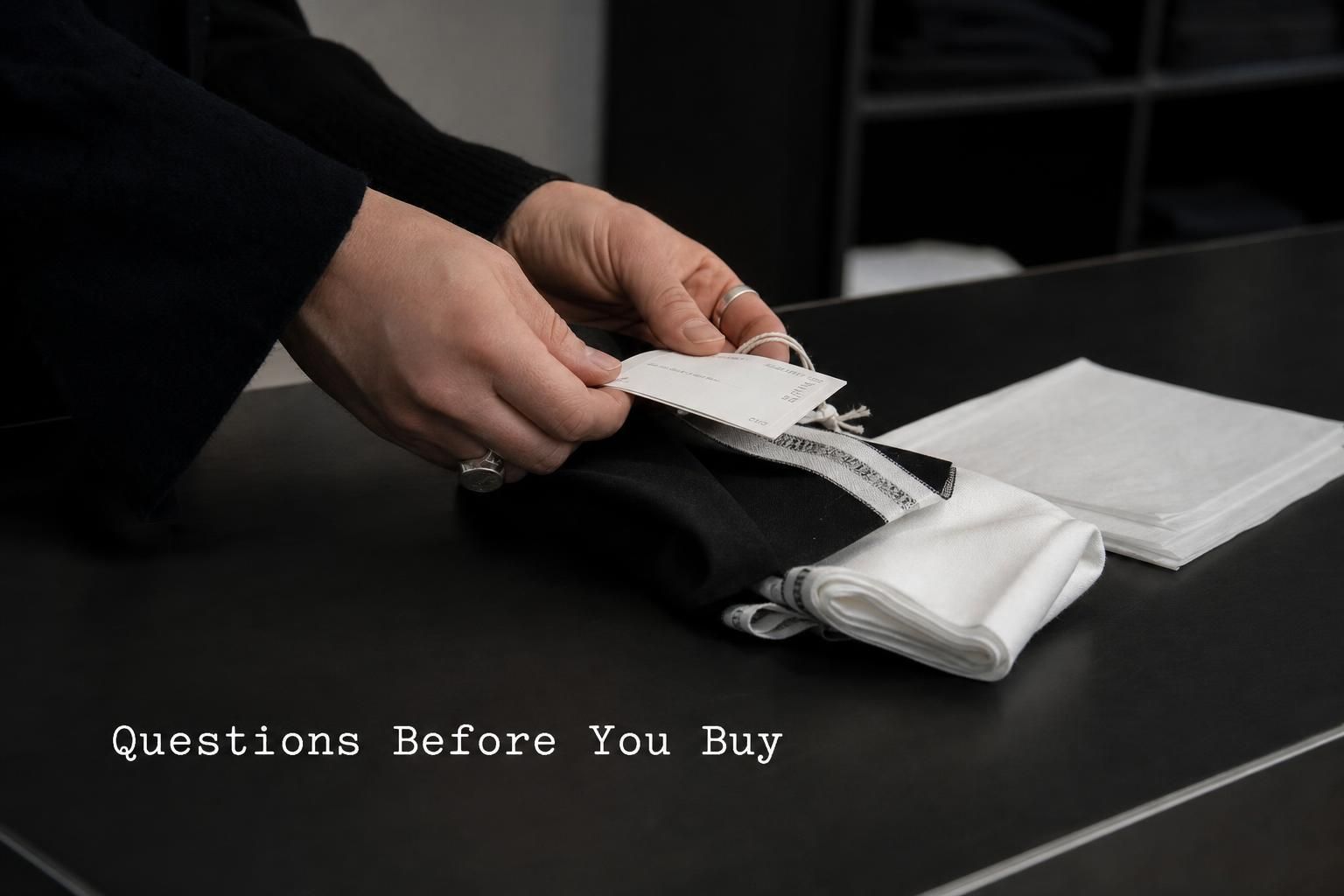
Ethical Fashion London: What Conscious Shoppers Should Ask Before Buying
By Olivia Black September 16, 2026
Ethical fashion London is not just about buying less. It is about buying with sharper questions, better taste, and more respect for the people and materials behind a garment. In a city full of showrooms, boutiques, and online drops, the real skill is knowing how to tell a thoughtful label from a polished story. That means checking transparency, fabric choice, production scale, and whether a piece will still feel relevant after the season changes. If you want a practical place to start, Olivia…
Olivia Black: London Fashion Designer Creating Sustainable Gender-Fluid Clothing
By Olivia Black September 15, 2026
Olivia Black is a London fashion designer building a sharper, more inclusive idea of luxury. The brand creates sustainable gender-fluid clothing that feels expressive, practical, and designed for real wardrobes. That means limited-run pieces, deadstock textiles, and silhouettes that move beyond binary dressing without losing polish. If you want to explore the label first, start with the Olivia Black story and studio approach, then look at the garments themselves. The collection includes denim…
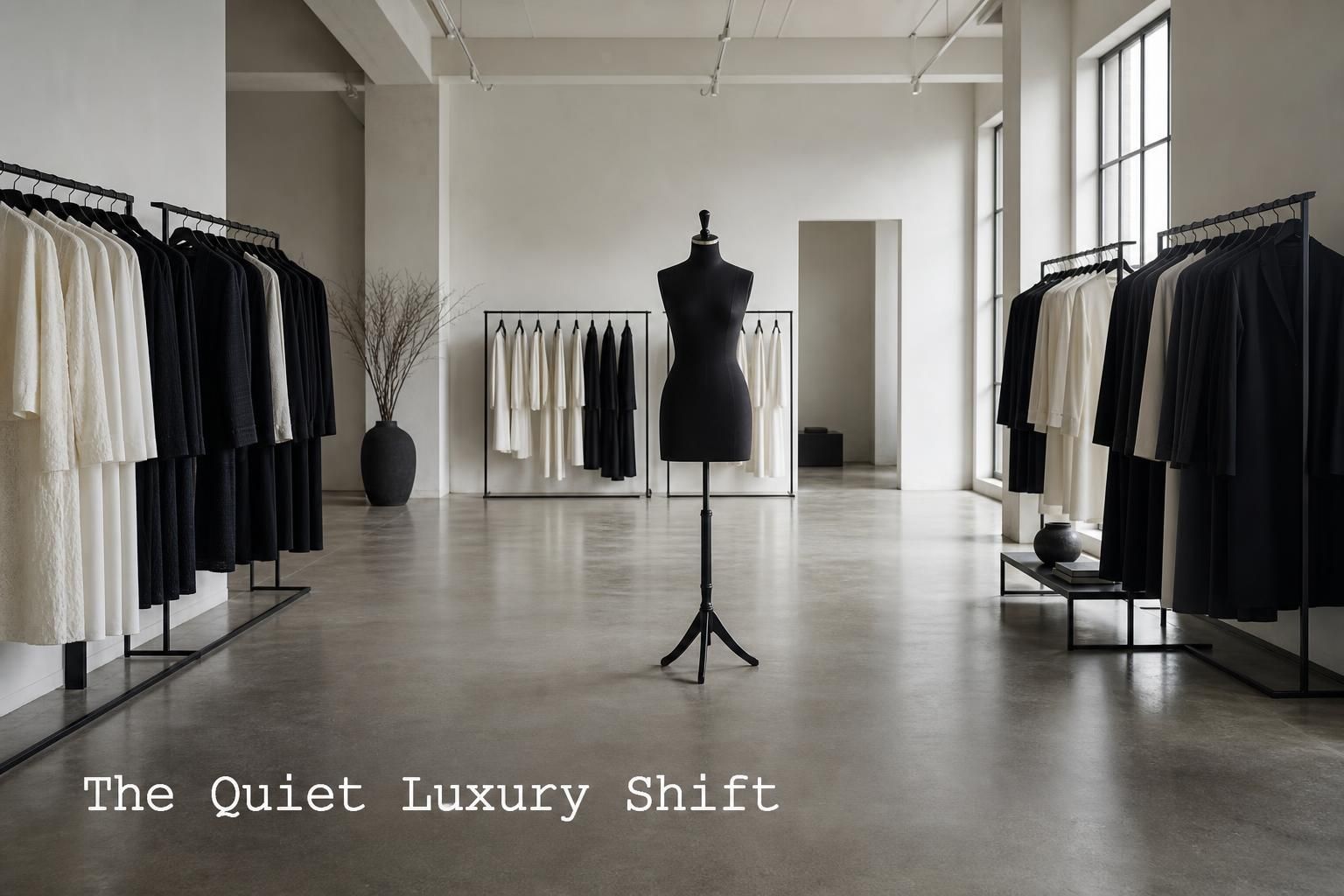
Sustainable Luxury Fashion: Why Limited-Run Designer Clothing Matters
By Olivia Black September 14, 2026
Sustainable luxury fashion is not about selling a greener story with the same old habits. It is about designing premium clothing with fewer compromises, fewer leftovers, and a longer life in the wardrobe. For style-conscious buyers, that difference matters. It shapes how a piece feels, how often you wear it, and whether it still looks relevant after the trend cycle moves on. Olivia Black’s approach to sustainable luxury fashion is a useful proof point because it focuses on limited-run…
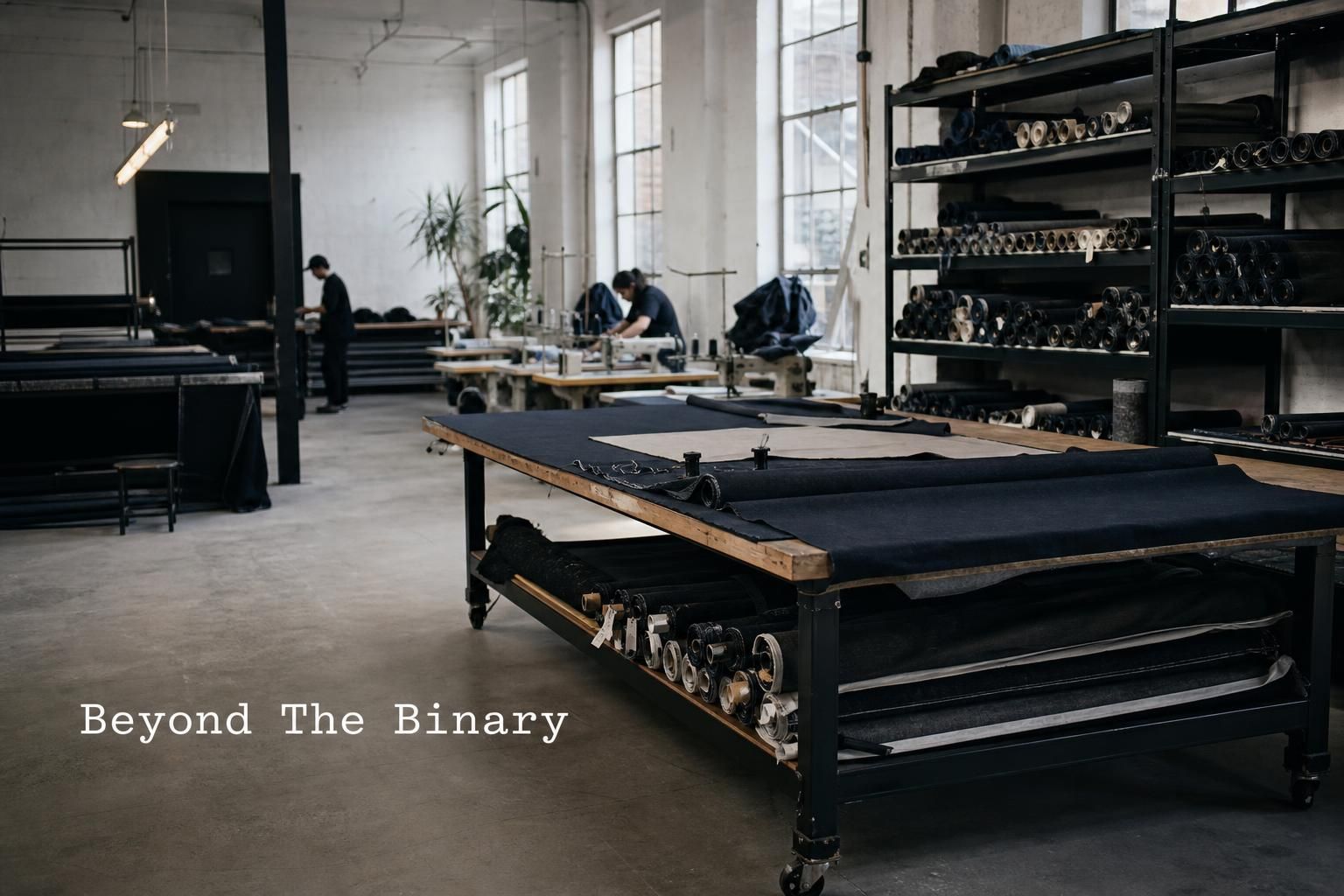
Gender-Fluid Jeans: How to Find Denim That Fits Your Style, Not a Binary
By Olivia Black September 13, 2026
Gender fluid jeans are for people who want denim that follows the body, not a label. That means fit comes first, then styling, then the story behind the fabric. For Olivia Black, the goal is simple: make jeans that feel expressive, wearable, and easy to shop without being pushed into menswear or womenswear categories. If you are building a wardrobe around identity, comfort, or sustainability, gender fluid jeans can be the anchor piece that everything else hangs from. They work best when you…
By Olivia Black September 12, 2026
Deadstock denim jeans are a simple idea with a bigger fashion story behind them. They use existing denim that was never cut into a garment, which can help reduce waste and make each run feel more considered. For style-conscious shoppers, that matters because the best clothes are the ones you actually want to wear again and again. In Olivia Black’s world of sustainable, gender-fluid dressing, deadstock denim jeans sit at the point where design, responsibility, and expression meet. They are also…
Show More