Deadstock Denim Jeans: The Weaver Jeans and the Case for Limited-Run Denim

Olivia Black • September 19, 2026

Share this article

Quick Answer

Deadstock denim jeans are jeans made from leftover fabric that already exists, which means less waste and more limited-run character. For Olivia Black, deadstock denim jeans become the Weaver Jeans: a sustainable, gender-fluid statement piece designed for buyers who want premium fit, scarcity, and lower-impact fashion.

Deadstock denim jeans are a smart answer to modern shopping fatigue. They use existing fabric, so the garment starts with a built-in sustainability advantage and a more exclusive feel. For Olivia Black, deadstock denim jeans are not a trend story. They are a design language for limited-run fashion, gender-fluid dressing, and pieces that feel intentional from the first wear. The Weaver Jeans show that clearly. They sit within a wider world of slow fashion, premium denim, and expressive silhouettes made for style-conscious buyers in London and across the UK. If you want to understand the brand’s wider approach, Olivia Black’s sustainable clothing ethos explains how limited runs and thoughtful materials shape the collection. This article looks at why deadstock denim jeans matter, how the Weaver Jeans are cut, and how to style them in ways that feel polished, relaxed, or boldly gender-fluid. It also gives practical care advice, because deadstock denim jeans only become truly sustainable when they last and get worn often.

Deadstock Denim Jeans by Olivia Black

Deadstock denim jeans are jeans made from existing fabric stock rather than newly produced cloth. That makes them naturally limited-run, and it gives each release a more distinctive character. In Olivia Black’s collection, deadstock denim jeans become a deliberate design choice, not a leftover compromise.

The Weaver Jeans are the clearest example. They are built for people who want denim with shape, ease, and presence. If you want to shop the piece directly, the Weaver Jeans product page gives a useful first look at the garment itself. For shoppers comparing sustainable denim options, the broader sustainable designer denim guide adds context on why limited fabric can create better, more focused collections.

This matters for transactional search intent. Someone searching deadstock denim jeans is usually not asking for denim theory alone. They want a product that feels credible, wearable, and worth buying now. Deadstock denim jeans answer that need because the fabric supply is finite. Once a run sells through, the exact piece may not return. As a result, the purchase feels more considered than mass-market denim.

That scarcity also supports a better wardrobe mindset. Many shoppers want fewer garments, but better ones. Deadstock denim jeans fit that mindset well because they encourage commitment rather than casual overbuying. The result is a jean that feels personal, premium, and more aligned with slow fashion values.

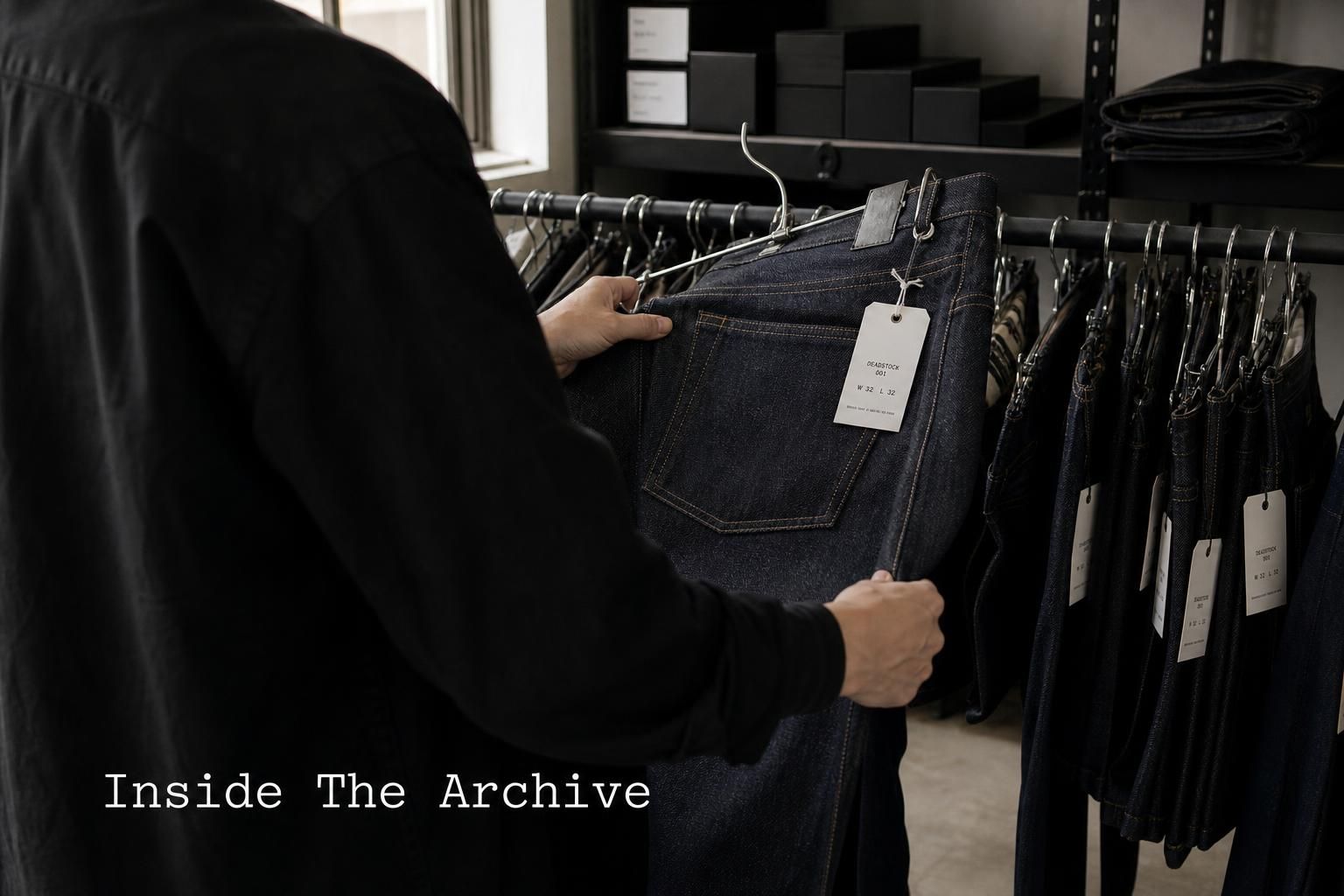
To see how deadstock sourcing works in practice, it helps to watch real industry examples. Naked & Famous Denim has shared a useful archive-led overview in its Deadstock Capsule Collection 2024, while Cali Fabrics shows how designer deadstock denim can be used for small-batch pieces. Both demonstrate the same principle: existing fabric can drive sharper design decisions. Deadstock Capsule Collection 2024 from Naked & Famous Denim is a strong example of archive fabric turned into limited-run jeans, and Cali Fabrics' designer deadstock denim walkthrough shows how small-batch sourcing supports creative denim development.

Deadstock denim jeans also suit buyers who care about identity. Olivia Black designs for fluid wardrobes, so the point is not to force denim into a gendered box. The point is to make deadstock denim jeans feel like your piece, your shape, and your expression.

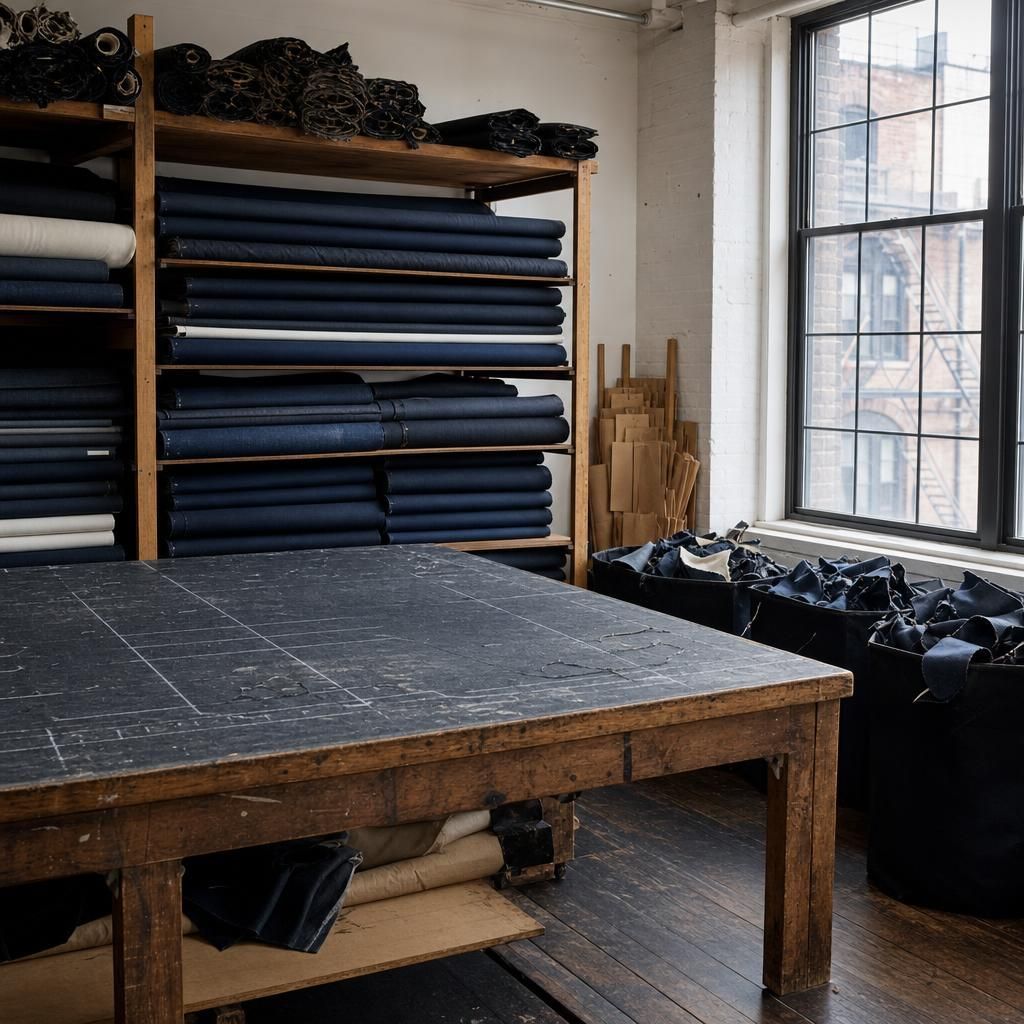
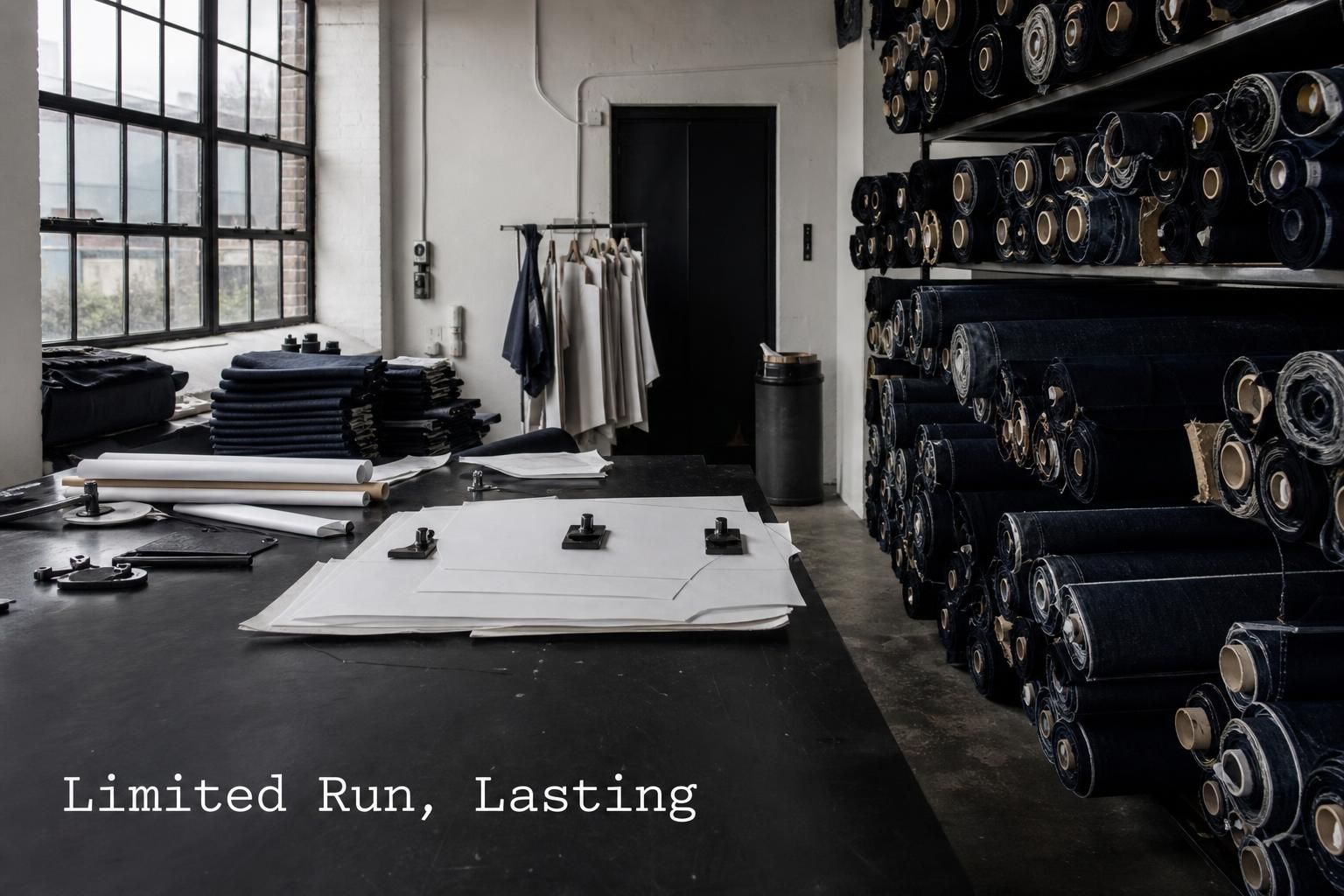
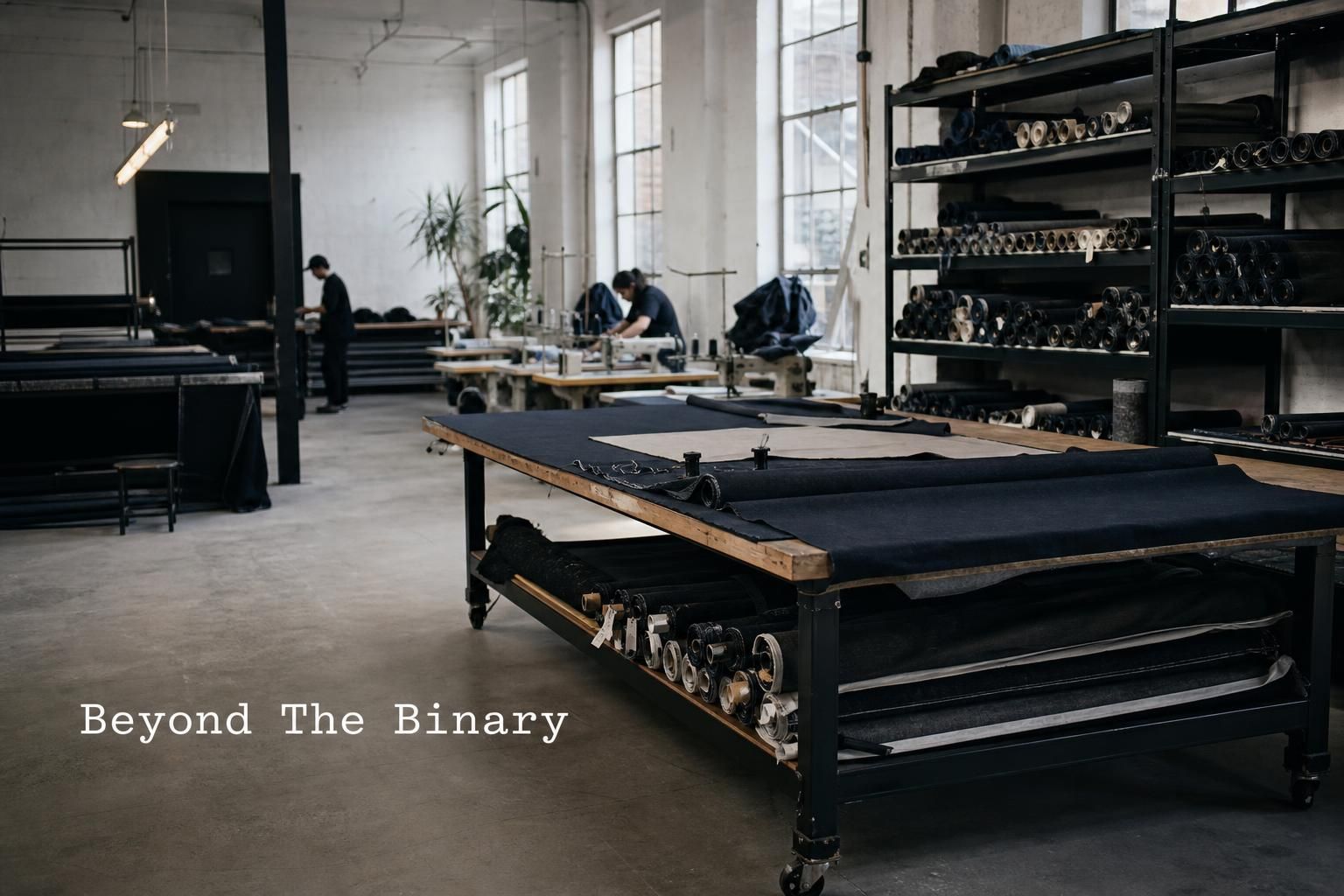
Empty denim workshop with stacked deadstock fabric bolts 

Why are deadstock denim jeans different from standard denim?

Deadstock denim jeans use fabric that already exists, which immediately changes the buying story. Standard denim is usually cut from fabric ordered for broad production, while deadstock denim jeans begin with a finite material pool.

That difference affects more than sustainability. It often changes fit development, colour depth, and the feeling of rarity. It also pushes designers to be more precise, because every metre of fabric matters. For a brand like Olivia Black, that precision supports the larger aim of building clothing that feels made for the wearer rather than for a generic category.

Why Deadstock Denim Matters

Deadstock denim jeans matter because they help reduce waste before a garment even reaches your wardrobe. They use fabric that already exists, so the design process starts with a lower-impact material choice and ends with a more limited supply.

That is also why deadstock denim jeans often feel more special. The available fabric shapes the run, and the run shapes the story. Limited-run fashion tends to attract buyers who care about craft, not just convenience. Olivia Black speaks to that audience through pieces like the Weaver Denim Jacket, which pairs naturally with deadstock denim jeans for a cohesive, sustainable set.

Deadstock denim jeans also support a more honest relationship with trend cycles. Instead of chasing every seasonal shift, they encourage slower, more durable decision-making. That makes them especially relevant in London, where premium styling often mixes practicality with personality. When a garment can move from daytime tailoring to evening layering, it earns its place.

For shoppers who want a clearer ethical framework, ethical fashion London questions can help you judge whether a brand truly uses limited runs well. You can also explore the wider deadstock fabric clothing guide to understand why fabric-led production matters beyond jeans.

There is a wider industry conversation here too. Fashion brands use deadstock for denim, jackets, dresses, and accessories because the material can create visual depth that feels less generic. It can also encourage a more careful silhouette. When a designer has less fabric certainty, the cut has to work harder. That usually benefits the final garment.

In practical terms, deadstock denim jeans are good for shoppers who want:
- a lower-waste material choice
- a limited-run garment with more individuality
- a piece that works in fluid wardrobes
- a jean that holds up across multiple outfits
- a more thoughtful alternative to mass-produced denim

For that reason, deadstock denim jeans are not just a sustainability label. They are a design and buying strategy. Moreover, they align with the kind of wardrobe many modern shoppers actually want: fewer pieces, better chosen, and easier to wear again and again.

The Weaver Jeans Fit and Silhouette

The Weaver Jeans are designed to feel structured without becoming rigid. Their silhouette is meant to support movement, layering, and a wide range of styling moods.

That makes the fit especially important for deadstock denim jeans. Because the fabric is limited, the cut has to do more work. The Weaver Jeans balance shape and ease, so they can feel polished on their own or grounded with a matching jacket. If you want a wider brand context for fit-led, fluid pieces, the gender-fluid clothing meaning guide is a useful companion page.

The best way to think about the Weaver Jeans is as a statement base layer. They are not trying to disappear. Instead, they anchor an outfit. That is useful for gender-fluid styling, because the jean can either soften a look or sharpen it depending on what you pair it with.

This is where deadstock denim jeans become especially compelling. The fabric already brings texture and limited-run appeal. A strong silhouette turns that into something wearable. The result is a jean that feels modern, but not disposable.

When evaluating deadstock denim jeans, look for three things:
- clean lines through the leg
- enough structure to hold shape
- comfort that supports repeat wear

The Weaver Jeans are built around those priorities. They work because they respect both the fabric and the body. That combination is what turns deadstock denim jeans into an investment piece rather than a novelty purchase.

How should deadstock denim jeans fit?

Deadstock denim jeans should fit comfortably through the waist and fall cleanly through the leg. They should feel intentional, not restrictive.

A good fit also depends on how you want to style them. Some wearers want a sharper line, while others prefer a looser, more relaxed silhouette. The Weaver Jeans work because they leave room for expression. That flexibility is especially important in gender-fluid dressing, where fit should support the person, not define them.

How to Style Gender-Fluid Denim

Deadstock denim jeans are easy to style when you treat them as a foundation rather than a fixed look. They can read casual, tailored, or expressive depending on the layers around them.

That versatility is part of their appeal. The same pair can move across weekday errands, gallery evenings, and dressed-up dinners. Olivia Black’s broader collection supports that kind of wardrobe thinking, especially with pieces such as the gender fluid fashion guide and the Maglen Dress, which show how the brand balances fluidity and statement dressing.

For visual inspiration, it can help to see how other designers and fabric suppliers present deadstock denim in motion. This recent Cali Fabrics walkthrough shows how designer deadstock denim can be sourced for custom and small-batch work.

Deadstock denim jeans do best when you keep the styling clear. Let the fabric and cut speak first. Then add contrast, texture, or softness around them.

### Casual Styling
Pair deadstock denim jeans with a simple shirt, knit, or tee. Add trainers or boots. This keeps the look relaxed while still feeling deliberate.

### Evening Styling
For evening, use sharp tailoring or a more sculptural top. A refined shoe or jacket can shift deadstock denim jeans into a smarter register without losing ease.

### Full Denim Set Styling
A matching denim jacket can make deadstock denim jeans feel bolder and more editorial. The trick is balance. Keep one layer simple so the full look does not overwhelm the wearer.

The best styling outcome is confidence. Deadstock denim jeans should help you move through the day with less thought, not more. Therefore, the ideal outfit usually feels effortless, even when it is carefully built.

How to Care for Deadstock Denim

Deadstock denim jeans last longer when you wash them less and wear them more. That is the simplest care rule, and it works.

Because deadstock denim jeans may come from limited fabric stocks, proper care matters even more. You want the garment to age well, hold its shape, and keep its character. The goal is not perfection. The goal is a denim piece that improves through wear.

Basic care is straightforward:
- air them out between wears
- wash only when needed
- use a gentle cycle if washing at home
- avoid harsh heat when drying
- store them folded or hung with enough support

These habits protect the fabric and the finish. They also align with slow fashion values. If you want a broader approach to wardrobe longevity, slow fashion clothing guidance is a helpful next step.

Many shoppers worry that premium denim must be difficult to maintain. In practice, deadstock denim jeans are usually easier than they seem. The key is consistency. Small habits extend wear life far more than occasional intensive care.

If your deadstock denim jeans are part of a wider limited-run wardrobe, think in outfits rather than isolated pieces. That approach makes it easier to wear them often, which is the real sustainability win.

Frequently Asked Questions

Deadstock denim jeans often raise practical questions before purchase. The answers below are designed to help you decide quickly and confidently.

Key Takeaways

  • Deadstock denim jeans use existing fabric, which supports limited-run, lower-waste fashion.
  • The Weaver Jeans translate deadstock denim jeans into a premium, gender-fluid silhouette.
  • Good styling keeps deadstock denim jeans versatile for casual, evening, and full-denim looks.
  • Care matters: wash less, air out more, and wear deadstock denim jeans often.
  • For Olivia Black, deadstock denim jeans are both a sustainability choice and a design statement.

Frequently Asked Questions

What are deadstock denim jeans?

Deadstock denim jeans are jeans made from leftover fabric that was already produced but not used in the original plan. They are a practical way to create limited-run denim with less waste and more individuality. In Olivia Black’s case, deadstock denim jeans also support gender-fluid design and a more intentional wardrobe.

Are deadstock denim jeans sustainable?

Yes, deadstock denim jeans can be a more sustainable choice because they use existing fabric instead of asking for new cloth to be made. That does not make every pair perfect, but it does usually reduce material waste. The strongest versions also come from small-batch production and durable construction.

How do I style deadstock denim jeans for a gender-fluid look?

Start with balance, then add personality. Deadstock denim jeans work well with relaxed shirts, tailored jackets, oversized knits, or structured layers, depending on your mood. The goal is to create a silhouette that feels like you, not to follow a gendered rulebook.

Why choose Weaver Jeans over ordinary denim?

Choose Weaver Jeans if you want deadstock denim jeans with a clearer design point of view. They offer limited-run appeal, a considered silhouette, and a stronger connection to sustainable, gender-fluid dressing. That makes them more distinctive than standard denim bought only for utility.

Recent Posts

By Olivia Black September 22, 2026
what is gender fluid clothing is a question many style-conscious shoppers are asking as fashion moves beyond fixed menswear and womenswear rules. At its simplest, it means clothing that lets you dress for your body, mood, and identity rather than a label. That can look sharp, soft, tailored, oversized, draped, structured, or all of those at once. For Olivia Black, the idea sits at the centre of sustainable designer dressing, where limited-run pieces are made to be worn across contexts, not…
Gender Fluid Clothing UK: Independent Designer Pieces Made for Expressive Dressing
By Olivia Black September 21, 2026
Gender fluid clothing UK is about choosing clothes that reflect you, not a fixed label. For UK shoppers, that often means designer pieces with stronger fabric, better fit, and a clearer point of view. Olivia Black creates sustainable gender-fluid fashion in limited runs, with garments designed for movement, styling flexibility, and repeat wear. If you want pieces that feel contemporary and individual, this is where expressive dressing gets practical. Explore the brand’s approach on Olivia…
By Olivia Black September 20, 2026
Deadstock denim jeans are not just another denim trend. They are a design choice, a sourcing choice, and, often, a more thoughtful way to buy clothes. In simple terms, deadstock denim jeans are made from existing fabric that was left unused, which means every run begins with a finite material supply. That scarcity changes everything: the fit decisions, the wash choices, the production scale, and even the way a pair feels when you wear it. For Olivia Black, deadstock denim jeans sit at the…
Non-Binary Clothing UK: Sustainable Pieces for Free Gender Expression
By Olivia Black September 18, 2026
Non binary clothing UK shoppers are usually looking for more than a loose fit or a neutral colour palette. They want clothes that feel deliberate, expressive, and wearable in real life. That means better cuts, better fabrics, and pieces that move beyond the usual unisex basics. At Olivia Black, the focus is sustainable gender-fluid design with a London point of view. The aim is not to hide the body or flatten style. It is to give you clothes that can read soft, sharp, formal, or relaxed…
By Olivia Black September 17, 2026
Deadstock denim jeans sit at the point where style, scarcity, and waste reduction meet. The phrase refers to jeans made from leftover denim that already exists, rather than fabric woven for a fresh mass run. That means every cut matters, every metre is accounted for, and the final pair often feels more intentional. For Olivia Black, that logic fits neatly with limited-run, gender-fluid design and the Weaver Jeans story. If you want to see how that idea extends across the wider collection…
Ethical Fashion London: What Conscious Shoppers Should Ask Before Buying
By Olivia Black September 16, 2026
Ethical fashion London is not just about buying less. It is about buying with sharper questions, better taste, and more respect for the people and materials behind a garment. In a city full of showrooms, boutiques, and online drops, the real skill is knowing how to tell a thoughtful label from a polished story. That means checking transparency, fabric choice, production scale, and whether a piece will still feel relevant after the season changes. If you want a practical place to start, Olivia…
Olivia Black: London Fashion Designer Creating Sustainable Gender-Fluid Clothing
By Olivia Black September 15, 2026
Olivia Black is a London fashion designer building a sharper, more inclusive idea of luxury. The brand creates sustainable gender-fluid clothing that feels expressive, practical, and designed for real wardrobes. That means limited-run pieces, deadstock textiles, and silhouettes that move beyond binary dressing without losing polish. If you want to explore the label first, start with the Olivia Black story and studio approach, then look at the garments themselves. The collection includes denim…
Sustainable Luxury Fashion: Why Limited-Run Designer Clothing Matters
By Olivia Black September 14, 2026
Sustainable luxury fashion is not about selling a greener story with the same old habits. It is about designing premium clothing with fewer compromises, fewer leftovers, and a longer life in the wardrobe. For style-conscious buyers, that difference matters. It shapes how a piece feels, how often you wear it, and whether it still looks relevant after the trend cycle moves on. Olivia Black’s approach to sustainable luxury fashion is a useful proof point because it focuses on limited-run…
Gender-Fluid Jeans: How to Find Denim That Fits Your Style, Not a Binary
By Olivia Black September 13, 2026
Gender fluid jeans are for people who want denim that follows the body, not a label. That means fit comes first, then styling, then the story behind the fabric. For Olivia Black, the goal is simple: make jeans that feel expressive, wearable, and easy to shop without being pushed into menswear or womenswear categories. If you are building a wardrobe around identity, comfort, or sustainability, gender fluid jeans can be the anchor piece that everything else hangs from. They work best when you…
By Olivia Black September 12, 2026
Deadstock denim jeans are a simple idea with a bigger fashion story behind them. They use existing denim that was never cut into a garment, which can help reduce waste and make each run feel more considered. For style-conscious shoppers, that matters because the best clothes are the ones you actually want to wear again and again. In Olivia Black’s world of sustainable, gender-fluid dressing, deadstock denim jeans sit at the point where design, responsibility, and expression meet. They are also…
Show More