Ethical Fashion London: What Conscious Shoppers Should Ask Before Buying

Olivia Black • September 16, 2026

Share this article

Quick Answer

Ethical fashion London means asking how a garment is made, who made it, what it is made from, and how long it will last. The best choices are transparent, small-scale, and built for repeated wear, with clear proof behind sustainability claims rather than vague branding.

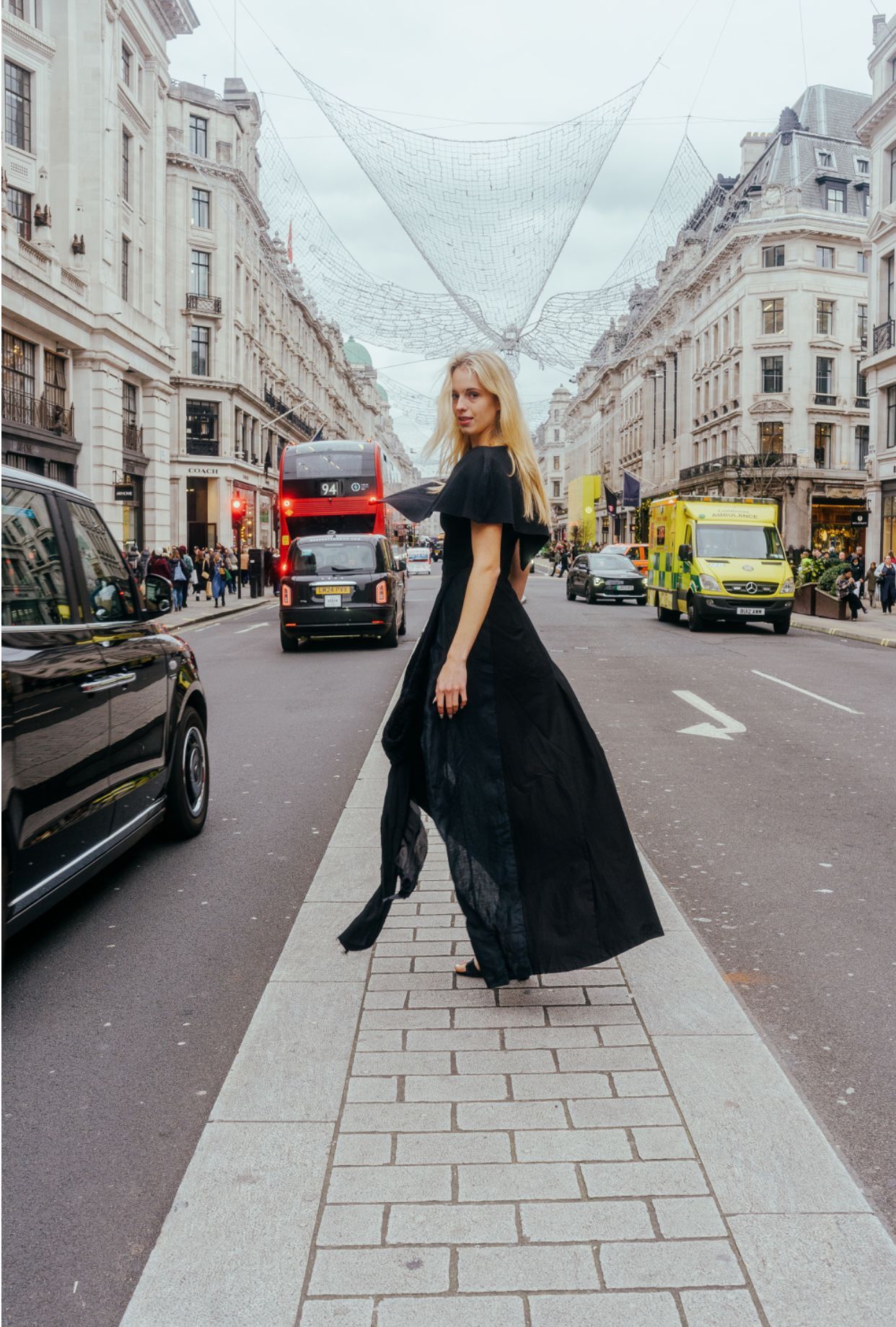
Ethical fashion London is not just about buying less. It is about buying with sharper questions, better taste, and more respect for the people and materials behind a garment. In a city full of showrooms, boutiques, and online drops, the real skill is knowing how to tell a thoughtful label from a polished story. That means checking transparency, fabric choice, production scale, and whether a piece will still feel relevant after the season changes. If you want a practical place to start, Olivia Black’s slow fashion London guide is a useful companion, especially if you are learning how limited-run design works in practice. Ethical fashion London should feel creative, not restrictive. It should help you build a wardrobe with more identity and less noise. In this article, we will break down the exact questions conscious shoppers should ask before buying, so you can judge quality, avoid vague claims, and choose pieces that earn their place in your wardrobe.

What Ethical Fashion Means in London Today

Ethical fashion London means looking beyond aesthetics and asking whether a brand treats people, materials, and waste with real care. It is a practical way to shop, not a vague style label. In London, that often includes small-batch production, deadstock fabrics, clearer sourcing, and clothes designed to stay in rotation for years rather than weeks.

For many shoppers, ethical fashion London also means checking whether a brand is transparent about where garments are cut, sewn, and finished. That matters because a beautiful product page tells you almost nothing on its own. You need to know how much the brand makes, how often it restocks, and whether it offers repairable or versatile pieces.

If you want a wider view of the city’s ethical scene, Time Out’s guide to London’s best ethical fashion shops is a helpful place to compare the local landscape. Likewise, Good Maker Tales’ roundup of sustainable clothing shops in London shows how broad the conversation has become.

However, the smartest shopper does not stop at directories. Ethical fashion London is strongest when a brand can explain its decisions. That includes fabric choice, batch size, finishing, and how the garment should be worn over time. Olivia Black’s sustainable clothing London page and about page help set that standard by connecting design decisions to a low-waste, limited-run approach.

A simple definition helps here: ethical fashion London is clothing made with visible responsibility. It is fashion that tries to reduce harm while still delivering style, fit, and longevity.

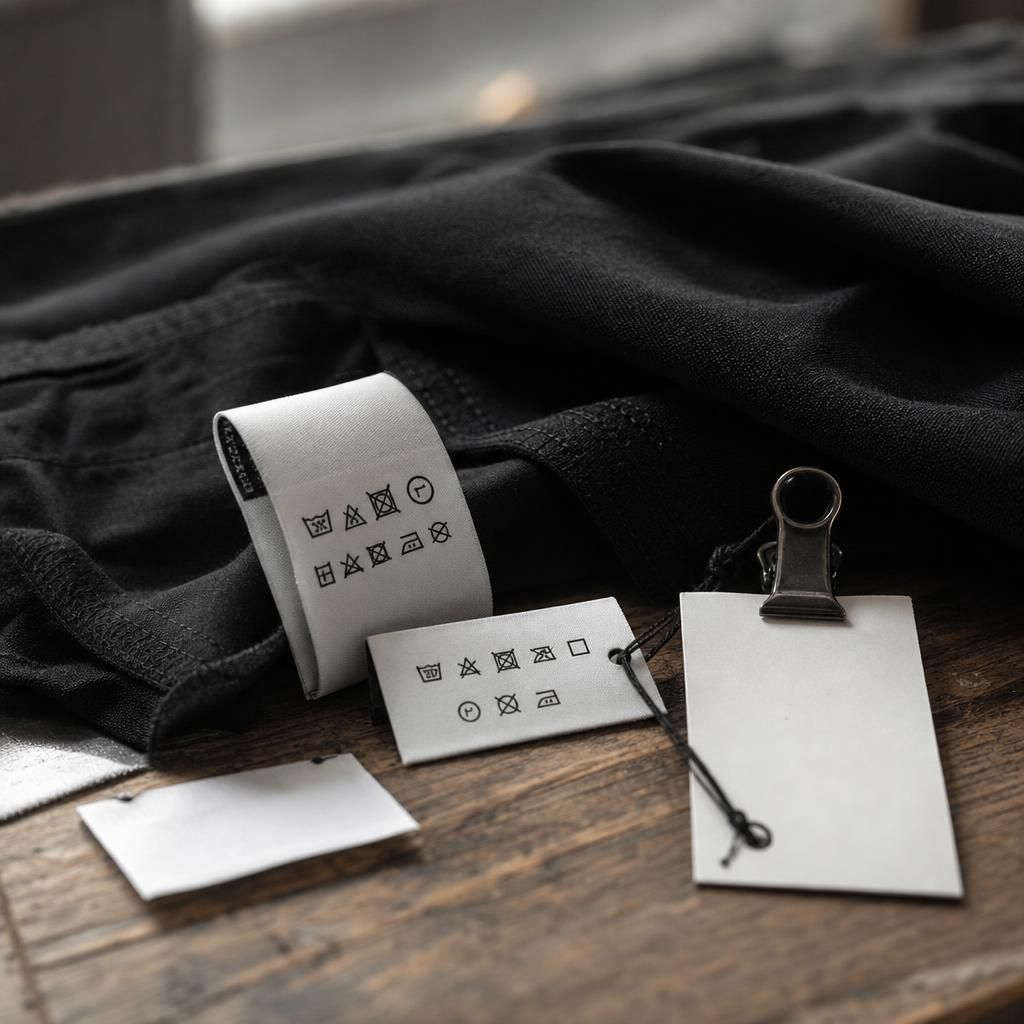
Fabric swatches and garment tags on a wooden table in a studio 

How does ethical fashion London differ from fast fashion shopping?

Ethical fashion London asks you to think before you buy. Fast fashion usually depends on speed, volume, and trend turnover. Ethical shopping prioritises transparency, lower waste, and stronger wardrobe value.

That difference shows up in the garment itself. One piece may be built for a single moment. The other is made to be reworn, restyled, and kept. Therefore, the better question is not just what looks good now, but what still earns its place next year.

Questions to Ask Before Buying from an Ethical Fashion London Brand

The best way to judge ethical fashion London is to ask direct, specific questions before you buy. Good brands welcome them. Weak brands often hide behind mood shots and broad claims.

Start with the basics. Who made the garment? Where was it cut and sewn? What fabric is it using? How many pieces exist? Then ask what happens after purchase. Can it be cared for easily? Will it hold shape? Does the brand explain fit and wear honestly?

This is where ethical fashion London becomes more than a slogan. The answers should help you decide whether the garment fits your life, not just your feed. If a brand sells premium design, the proof should be in the details. That includes stitching, finish, fabric weight, and whether the style works across multiple outfits.

For a broader look at independent design, Olivia Black as a London fashion designer shows how local identity and responsible production can work together. For shoppers who want to understand fabric decisions more deeply, deadstock fabric clothing is a useful related guide.

Below are the questions that matter most in ethical fashion London.

Where are the materials sourced?

Material sourcing is one of the clearest tests of ethical fashion London. Ask whether the fabric is deadstock, recycled, organic, or newly woven, and ask why that choice was made.

Deadstock can be especially useful because it gives existing fabric a new life. However, the label should still explain the quality, origin, and limitations of the cloth. If a brand cannot explain its fabric, it cannot really explain its ethics.

How much is produced?

Production scale matters because smaller runs usually reduce overproduction pressure. In ethical fashion London, limited quantities can be a sign of careful planning rather than hype.

Ask whether the brand makes to order, produces in small batches, or works from finite fabric supply. That detail tells you a lot about waste, availability, and whether the garment is designed with scarcity and intention in mind.

Is the garment designed to last?

Longevity is a core test of ethical fashion London. A garment should be comfortable, durable, and versatile enough to move through different settings.

Look for sturdy construction, quality finishing, and styling that does not depend on one trend cycle. Olivia Black’s Weaver Jeans and Weaver Denim Jacket are good examples of pieces meant to be repeated, not rushed.

Are claims specific or vague?

Specific claims are far more trustworthy than broad phrases like eco-friendly or conscious. Ethical fashion London should be able to tell you what the brand changed, not just what it values.

If a label says sustainable, ask what that means in practice. Is it deadstock? Local production? Limited-run manufacturing? A strong answer is clear, direct, and easy to verify.

How Ethical Fashion London Uses Deadstock and Limited Runs

Deadstock and limited runs are central to ethical fashion London because they connect design to actual material availability. Instead of producing endless inventory, brands can create from existing fabric or small planned batches. That reduces pressure to overproduce and often gives each piece a stronger sense of character.

This approach is especially relevant in designer clothing, where silhouette, finish, and fabric story matter as much as function. A deadstock garment is not automatically ethical on its own. Still, it can be a better model when the fabric would otherwise sit unused. Limited runs also make sense when a brand wants to protect quality and keep collections focused.

If you want a deeper explanation of this model, Olivia Black’s deadstock denim jeans page explains why existing fabric matters. The broader idea is also covered in limited-run clothing, where small-batch production is presented as a deliberate design choice rather than a marketing trick.

For external context, the independent retailer perspective at The Third Estate’s ethical clothing shop is useful because it shows how informed customers increasingly value material transparency and long-term wear.

Ethical fashion London works best when limited runs are tied to genuine constraints and thoughtful design. That may mean fewer sizes, fewer restocks, or fewer seasonal changes. Consequently, the garment feels more considered. It is not trying to be everything to everyone. It is trying to be the right piece for the right wardrobe.

Why do limited runs matter to conscious shoppers?

Limited runs matter because they slow the pace of decision-making. In ethical fashion London, that often leads to better fabric use, more attention to detail, and a closer relationship between designer and wearer.

They also change how you shop. You start asking whether the piece truly fits your style, because the brand is not relying on endless restocks. That creates better purchases and fewer impulse buys.

How Olivia Black Answers Ethical Fashion London Questions Through Design

Olivia Black treats ethical fashion London as a design practice, not just a values statement. That means the brand has to answer the same questions shoppers should ask: what is made, why it is made, and how long it is meant to live in a wardrobe.

The collection reflects that logic through limited-run pieces, deadstock-led fabric choices, and gender-fluid shapes that do not rely on binary styling rules. That matters because inclusivity and sustainability often overlap. A garment that works across different bodies and identities usually has more styling life.

For example, Maglen Dress offers statement styling with rewear potential, while Feather Trouser gives a sharper, more fluid option for dressing up or down. These are not throwaway pieces. They are built to move across occasions.

Olivia Black also extends ethical fashion London into rental and occasionwear through the designer clothing rental UK offer. That matters because renting can reduce one-time ownership for event dressing, especially when a look is highly distinctive.

Ethical fashion London should not feel like a lecture. It should feel like the satisfaction of finding something well made, expressive, and deliberate. That is also why the brand’s gender-fluid approach matters. It broadens who the clothing can serve, and it reduces the risk of over-specific styling that limits repeat wear.

For a London-specific industry lens, ADKN’s made-in-London sustainable fashion perspective shows how local craftsmanship continues to shape the city’s reputation for responsible design.

What makes a piece more likely to last in a real wardrobe?

A piece lasts when it fits more than one context. Ethical fashion London benefits from garments that can shift from casual to polished, from season to season, and from one styling mood to another.

That is why adaptable silhouettes matter so much. They invite repeat wear. They also reduce the pressure to buy separate outfits for every occasion.

Where can I buy ethical fashion London shoppers can trust?

You can buy ethical fashion London from independent designers, selected boutiques, rental platforms, and responsible multi-brand stores. The safest approach is to shop where the brand explains its process clearly and shows evidence of material and production choices.

If you are comparing options, start with the product page and the brand story. Then check whether the business can answer the four core questions: source, scale, longevity, and claim clarity. If it can, you are much closer to making a confident purchase.

For Olivia Black, that often means looking at the gender fluid clothing collection, the sustainable dresses UK page, or the full Olivia Black homepage to understand the wider design language. Those pages help shoppers connect aesthetics with structure and purpose.

In ethical fashion London, trust grows when a brand shows restraint. Not every label needs a huge drop calendar. Not every style needs to be everywhere. Often, the best pieces are the ones that feel intentional from the first glance.

[VIDEO_EMBED_1 is already used above, so not repeated here]

Before you buy, ask yourself one final question: will this garment still feel like me after the trend moves on? If the answer is yes, you are likely choosing well.

Which UK clothing brands are ethical?

Ethical UK brands are the ones that can explain their materials, production methods, and values clearly. That includes small independent labels, rental-first businesses, and makers who use deadstock or limited-run production.

The key is not the label on the homepage. It is the clarity behind it. Strong brands can describe what makes their clothing lower waste or more responsible in concrete terms.

Key Takeaways

  • Ethical fashion London is best judged by transparency, not by vague sustainability language.
  • Ask brands where materials come from, how much they produce, and whether garments are designed to last.
  • Deadstock and limited runs can support lower-waste fashion when they are explained honestly.
  • Olivia Black’s approach connects ethical fashion London to gender-fluid design, limited runs, and wearable longevity.
  • The strongest purchase is usually the one you can wear often, style multiple ways, and trust over time.

Frequently Asked Questions

Which UK clothing brands are ethical?

Ethical UK clothing brands are usually transparent about sourcing, labour, and production scale. They often use small batches, responsible materials, or deadstock fabric, and they explain those choices clearly. In ethical fashion London, the most trustworthy brands are the ones that show their work instead of relying on broad sustainability language.

What’s the most ethical clothing brand?

There is no single most ethical clothing brand for everyone. The best choice depends on your values, such as local production, deadstock use, rental access, or garment longevity. In ethical fashion London, the strongest brands are the ones with specific, verifiable practices and clothes you will actually wear often.

Where can I buy ethical fashion?

You can buy ethical fashion from independent designers, curated sustainable boutiques, rental services, and select multi-brand stores. In ethical fashion London, start by checking whether the brand explains its materials, production runs, and care guidance in a clear way before you buy.

What clothing brands do not use child labor?

Brands that do not use child labor are typically the ones that have strong supply-chain controls, clear supplier standards, and public commitments to responsible sourcing. However, shoppers should still look for detailed transparency, because ethical fashion London depends on proof, not assumptions. If a brand does not explain its supply chain, ask more questions.

Recent Posts

By Olivia Black September 22, 2026
what is gender fluid clothing is a question many style-conscious shoppers are asking as fashion moves beyond fixed menswear and womenswear rules. At its simplest, it means clothing that lets you dress for your body, mood, and identity rather than a label. That can look sharp, soft, tailored, oversized, draped, structured, or all of those at once. For Olivia Black, the idea sits at the centre of sustainable designer dressing, where limited-run pieces are made to be worn across contexts, not…
Gender Fluid Clothing UK: Independent Designer Pieces Made for Expressive Dressing
By Olivia Black September 21, 2026
Gender fluid clothing UK is about choosing clothes that reflect you, not a fixed label. For UK shoppers, that often means designer pieces with stronger fabric, better fit, and a clearer point of view. Olivia Black creates sustainable gender-fluid fashion in limited runs, with garments designed for movement, styling flexibility, and repeat wear. If you want pieces that feel contemporary and individual, this is where expressive dressing gets practical. Explore the brand’s approach on Olivia…
By Olivia Black September 20, 2026
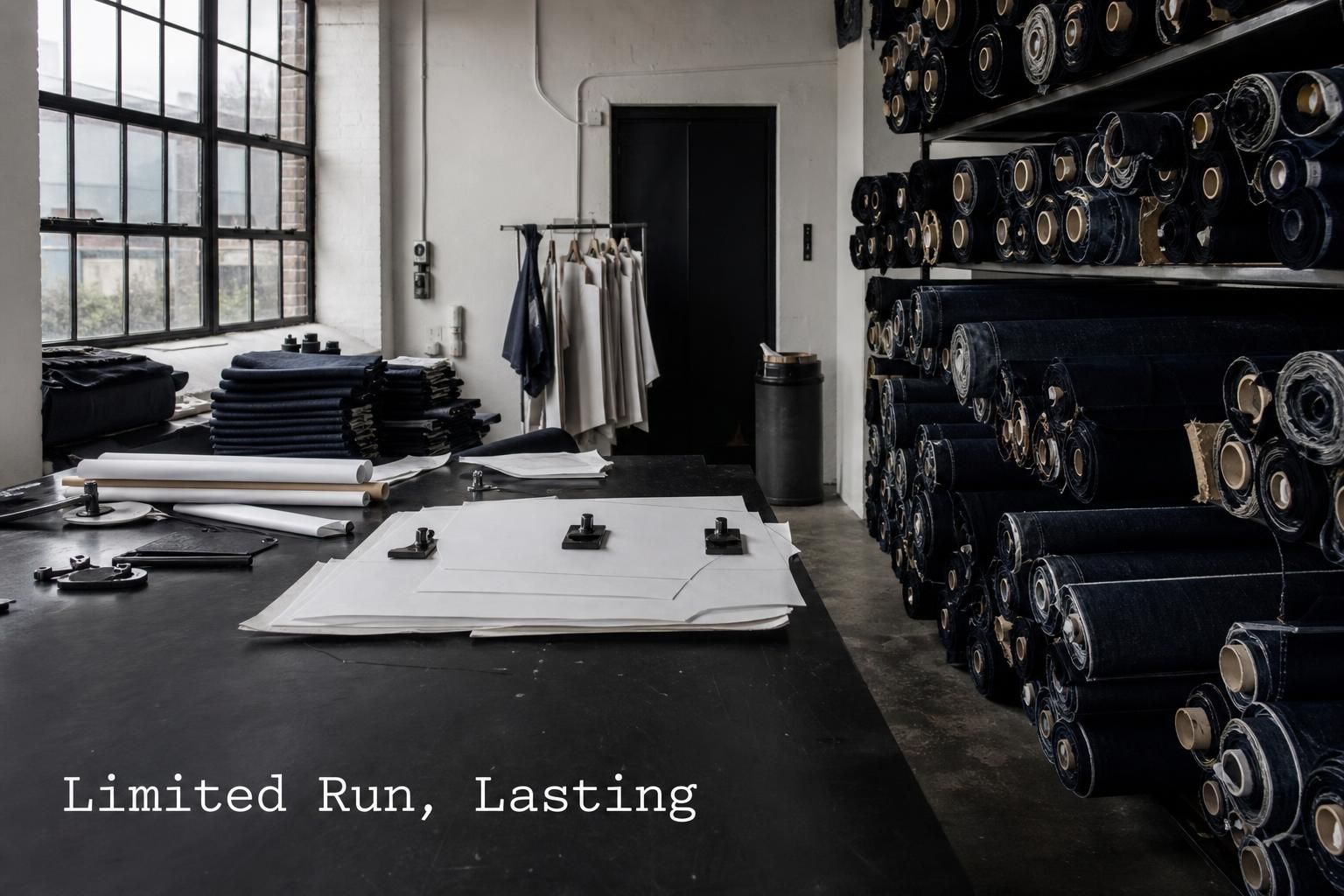
Deadstock denim jeans are not just another denim trend. They are a design choice, a sourcing choice, and, often, a more thoughtful way to buy clothes. In simple terms, deadstock denim jeans are made from existing fabric that was left unused, which means every run begins with a finite material supply. That scarcity changes everything: the fit decisions, the wash choices, the production scale, and even the way a pair feels when you wear it. For Olivia Black, deadstock denim jeans sit at the…
By Olivia Black September 19, 2026
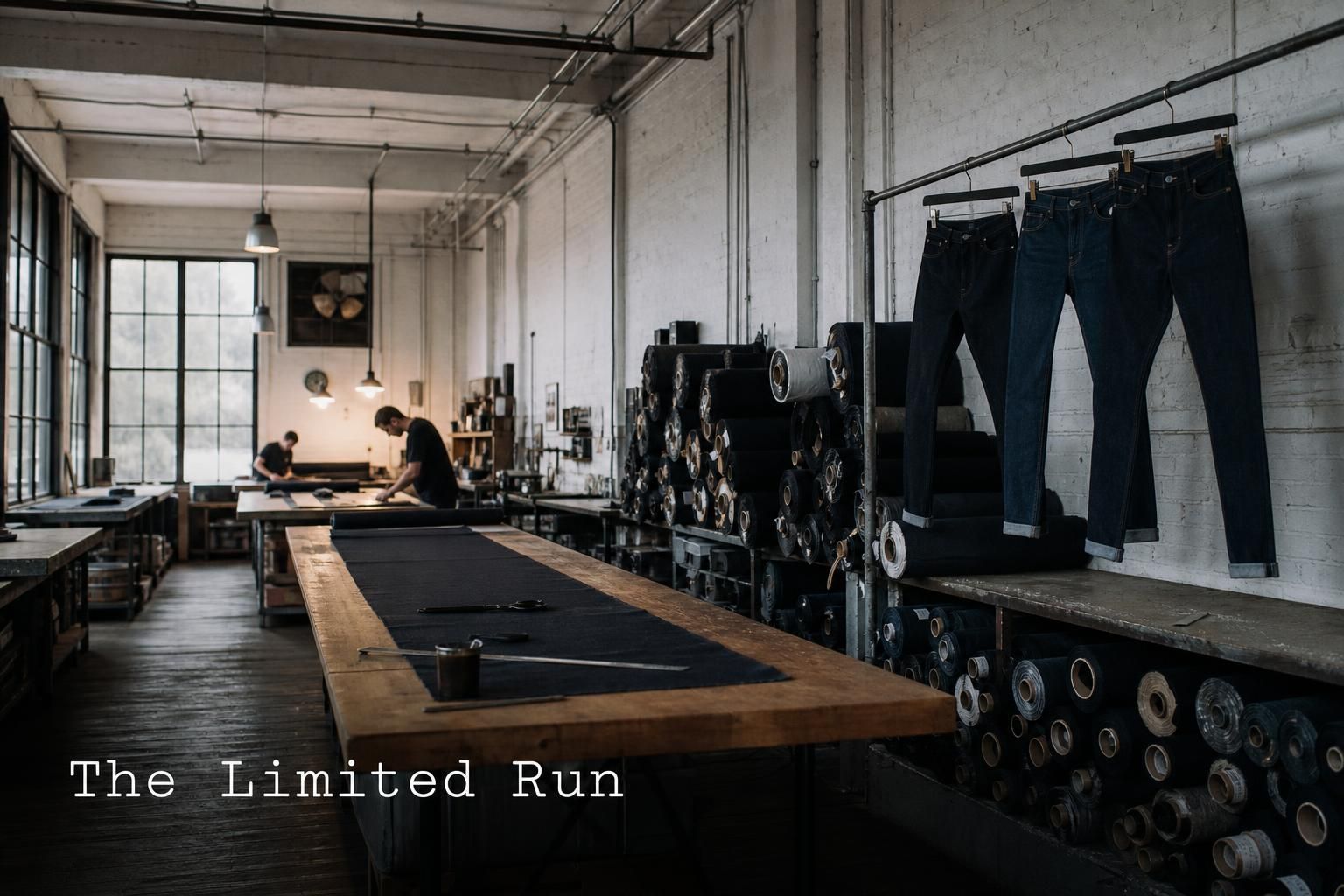
Deadstock denim jeans are a smart answer to modern shopping fatigue. They use existing fabric, so the garment starts with a built-in sustainability advantage and a more exclusive feel. For Olivia Black, deadstock denim jeans are not a trend story. They are a design language for limited-run fashion, gender-fluid dressing, and pieces that feel intentional from the first wear. The Weaver Jeans show that clearly. They sit within a wider world of slow fashion, premium denim, and expressive…
Non-Binary Clothing UK: Sustainable Pieces for Free Gender Expression
By Olivia Black September 18, 2026
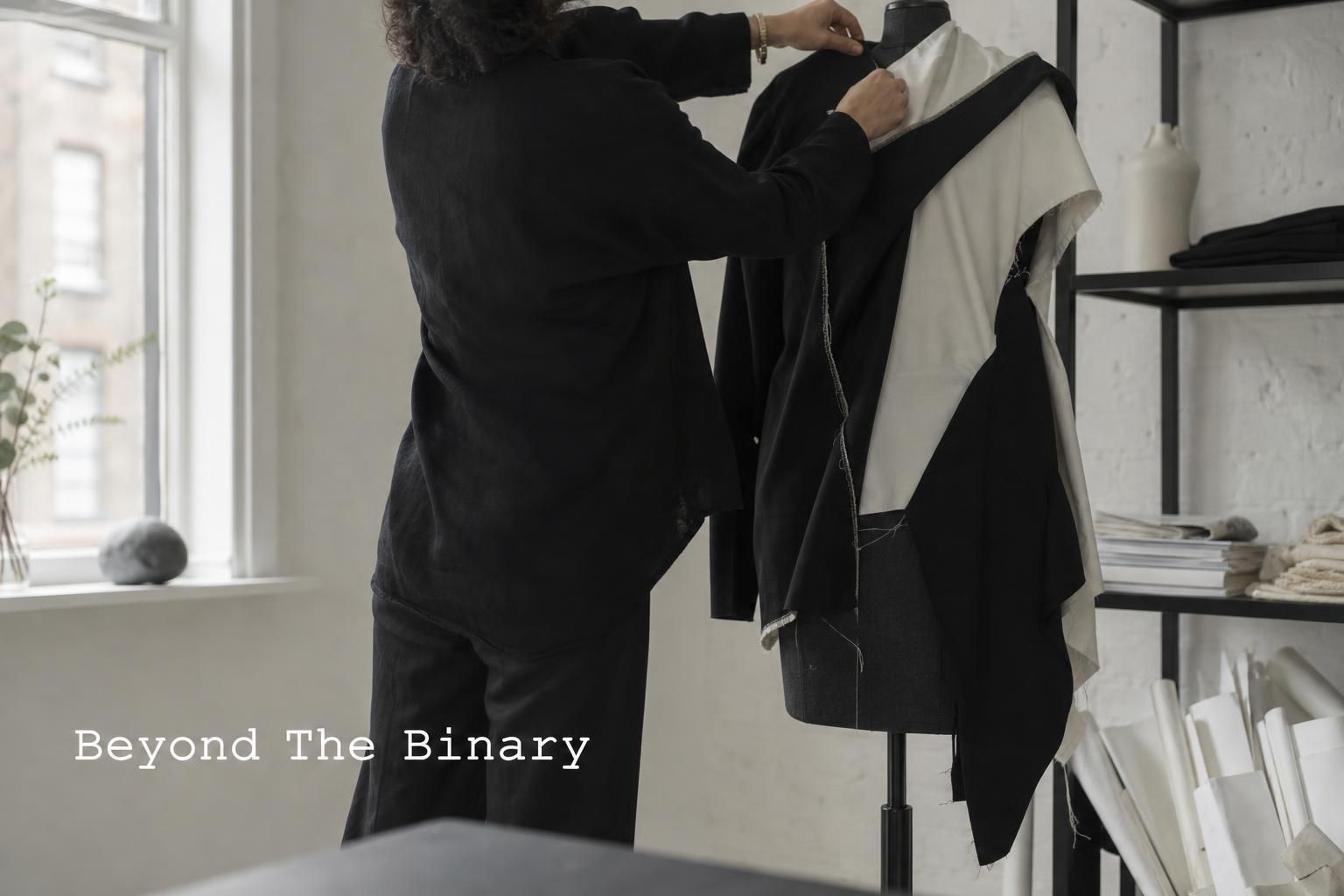
Non binary clothing UK shoppers are usually looking for more than a loose fit or a neutral colour palette. They want clothes that feel deliberate, expressive, and wearable in real life. That means better cuts, better fabrics, and pieces that move beyond the usual unisex basics. At Olivia Black, the focus is sustainable gender-fluid design with a London point of view. The aim is not to hide the body or flatten style. It is to give you clothes that can read soft, sharp, formal, or relaxed…
By Olivia Black September 17, 2026
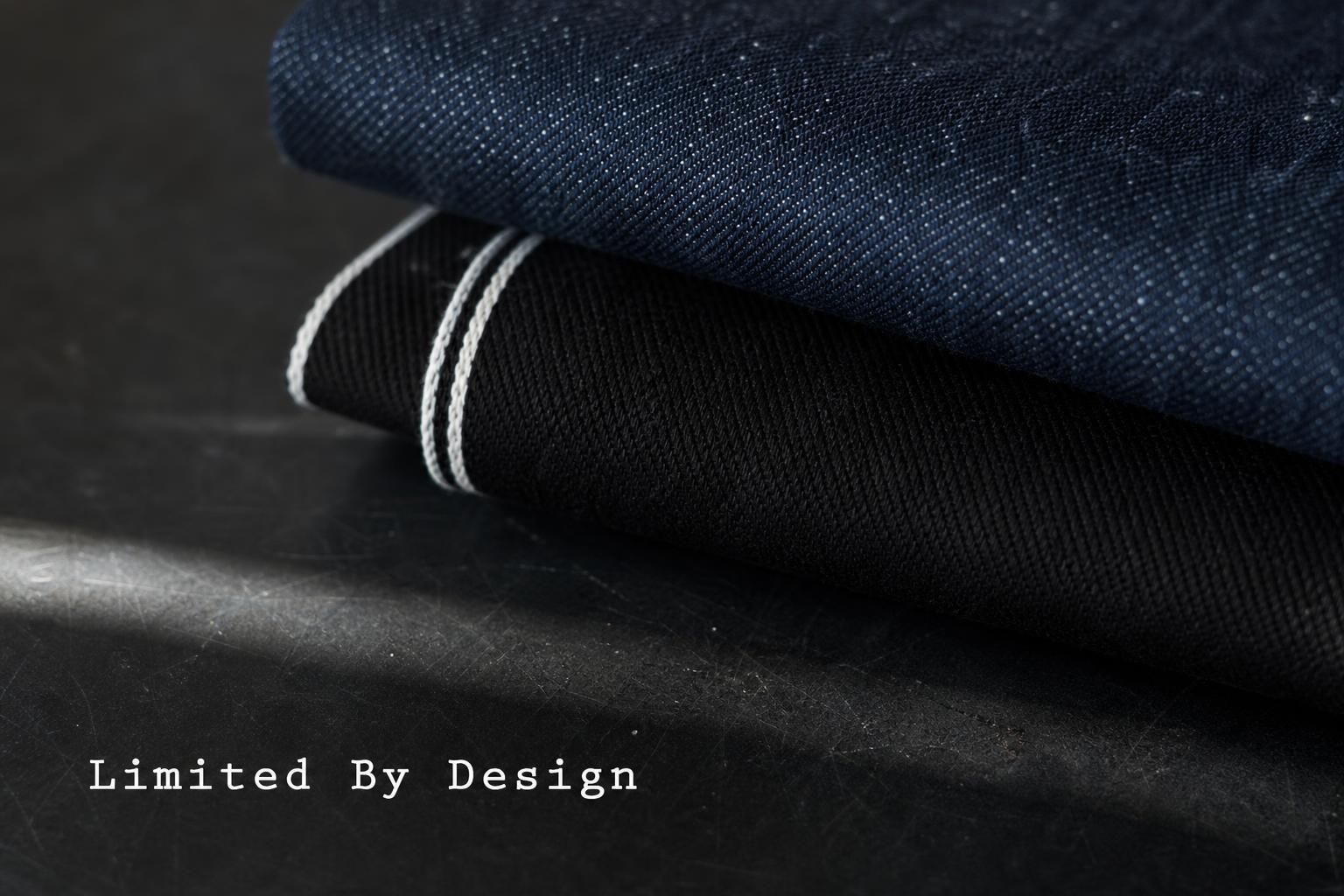
Deadstock denim jeans sit at the point where style, scarcity, and waste reduction meet. The phrase refers to jeans made from leftover denim that already exists, rather than fabric woven for a fresh mass run. That means every cut matters, every metre is accounted for, and the final pair often feels more intentional. For Olivia Black, that logic fits neatly with limited-run, gender-fluid design and the Weaver Jeans story. If you want to see how that idea extends across the wider collection…
Olivia Black: London Fashion Designer Creating Sustainable Gender-Fluid Clothing
By Olivia Black September 15, 2026
Olivia Black is a London fashion designer building a sharper, more inclusive idea of luxury. The brand creates sustainable gender-fluid clothing that feels expressive, practical, and designed for real wardrobes. That means limited-run pieces, deadstock textiles, and silhouettes that move beyond binary dressing without losing polish. If you want to explore the label first, start with the Olivia Black story and studio approach, then look at the garments themselves. The collection includes denim…
Sustainable Luxury Fashion: Why Limited-Run Designer Clothing Matters
By Olivia Black September 14, 2026
Sustainable luxury fashion is not about selling a greener story with the same old habits. It is about designing premium clothing with fewer compromises, fewer leftovers, and a longer life in the wardrobe. For style-conscious buyers, that difference matters. It shapes how a piece feels, how often you wear it, and whether it still looks relevant after the trend cycle moves on. Olivia Black’s approach to sustainable luxury fashion is a useful proof point because it focuses on limited-run…
Gender-Fluid Jeans: How to Find Denim That Fits Your Style, Not a Binary
By Olivia Black September 13, 2026
Gender fluid jeans are for people who want denim that follows the body, not a label. That means fit comes first, then styling, then the story behind the fabric. For Olivia Black, the goal is simple: make jeans that feel expressive, wearable, and easy to shop without being pushed into menswear or womenswear categories. If you are building a wardrobe around identity, comfort, or sustainability, gender fluid jeans can be the anchor piece that everything else hangs from. They work best when you…
By Olivia Black September 12, 2026
Deadstock denim jeans are a simple idea with a bigger fashion story behind them. They use existing denim that was never cut into a garment, which can help reduce waste and make each run feel more considered. For style-conscious shoppers, that matters because the best clothes are the ones you actually want to wear again and again. In Olivia Black’s world of sustainable, gender-fluid dressing, deadstock denim jeans sit at the point where design, responsibility, and expression meet. They are also…
Show More