Sustainable Luxury Fashion: Why Limited-Run Designer Clothing Matters
Quick Answer
Sustainable luxury fashion is designer clothing that proves its value through better materials, smaller production runs, strong craft, and longer wear life. It is not just premium branding. The best pieces, like Olivia Black’s limited-run styles, are made to be worn often, repaired well, and kept for years.
Sustainable luxury fashion is not about selling a greener story with the same old habits. It is about designing premium clothing with fewer compromises, fewer leftovers, and a longer life in the wardrobe. For style-conscious buyers, that difference matters. It shapes how a piece feels, how often you wear it, and whether it still looks relevant after the trend cycle moves on.
Olivia Black’s approach to sustainable luxury fashion is a useful proof point because it focuses on limited-run production, expressive design, and wearable pieces that do not rely on volume to feel special. That matters for shoppers who want clothing with identity, but also with intention. If you are exploring the brand, start with the Olivia Black about page or browse the wider collection at Olivia Black. In this article, we will separate luxury branding from responsible design, explain why small-batch production changes the buying experience, and show how limited-run pieces can support a more flexible, gender-fluid wardrobe without losing visual impact.
What Sustainable Luxury Fashion Should Mean
Sustainable luxury fashion should mean premium design with lower waste, stronger longevity, and clearer material choices. It should not stop at polished branding or a premium price tag.
In practice, sustainable luxury fashion asks harder questions. Where did the fabric come from? Was the run limited for a reason beyond hype? Will the garment hold up after repeated wear? If a brand cannot answer those questions clearly, the label is probably doing more marketing than design.
This matters because luxury has always sold rarity. However, rarity alone does not make clothing responsible. Real sustainable luxury fashion connects exclusivity to craft, careful sourcing, and a garment life that lasts. That is why limited-run design can be more credible than large-scale seasonal volume.
For readers who want a broader industry lens, the London Business School article Eco-chic: how to balance indulgence and responsibility explains why high-end fashion increasingly faces pressure to align indulgence with accountability. The same tension appears across the wider market, including editorial roundups such as Vogue’s guide to the best sustainable clothing brands.
That is where Olivia Black stands apart. Its limited-run model is not just about scarcity. It is about making sustainable luxury fashion feel personal, intentional, and wearable. The result is clothing that behaves like investment fashion, not disposable status.
A useful way to judge any brand is to ask three things:
- Does it disclose enough to trust the material story?
- Does the garment seem built for repeat wear?
- Does the design still feel relevant after the season ends?
If the answer is yes, you are closer to genuine sustainable luxury fashion.
What is sustainable fashion fashion?
Sustainable fashion is clothing designed to reduce harm across materials, production, use, and disposal. The phrase is often repeated loosely, so the best definition is practical: it means buying and making clothes in ways that reduce waste and improve longevity.
That includes better fabric choices, more thoughtful production, and garments people actually keep. In other words, sustainable luxury fashion should be the premium version of that idea, not a separate shortcut.
Why Sustainable Luxury Fashion Needs Limited-Run Production
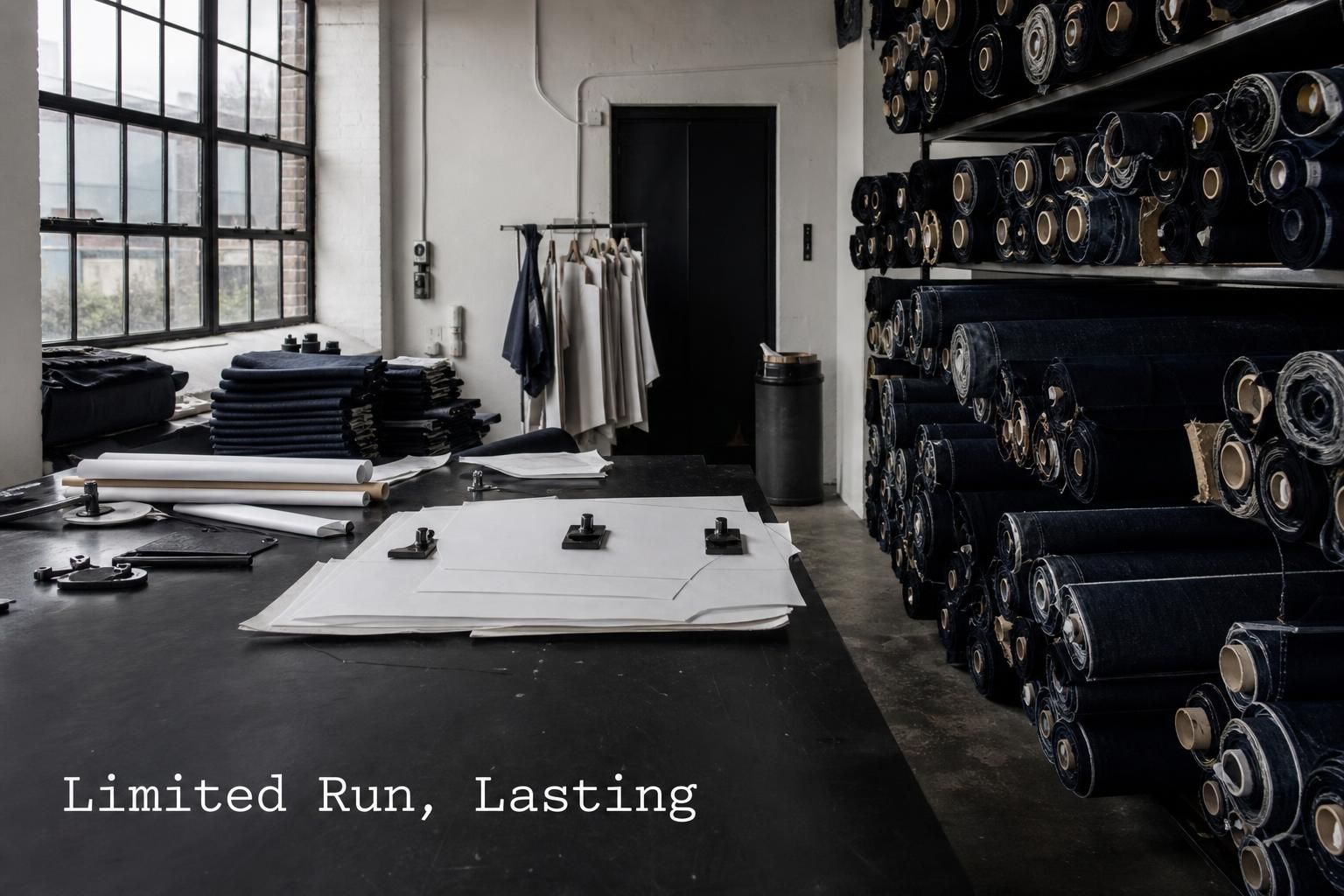
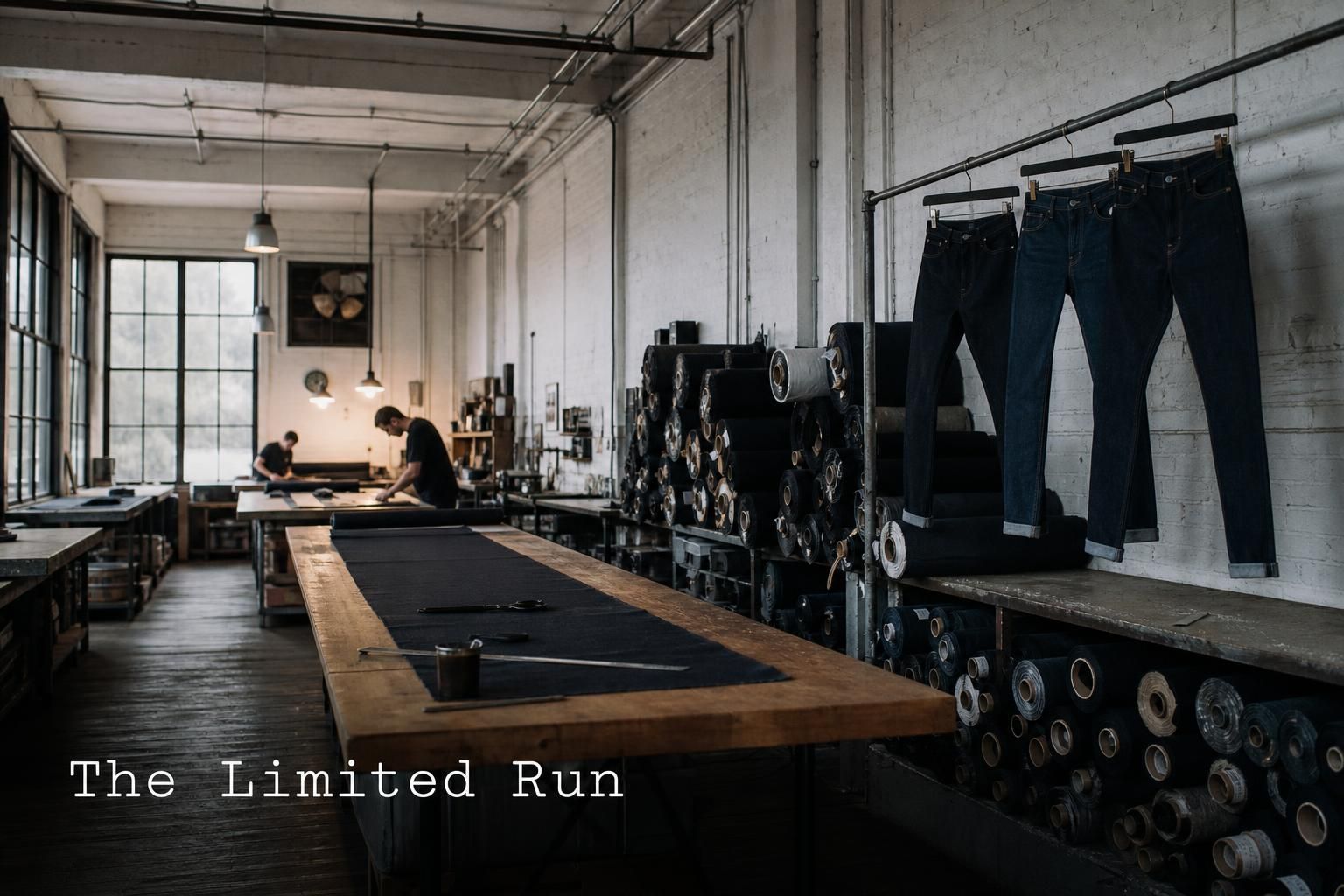
Limited-run production is one of the clearest signs that sustainable luxury fashion is being taken seriously. Smaller runs help reduce excess inventory, encourage more deliberate design, and make each piece feel considered rather than mass-produced.
That does not magically solve every environmental issue. However, it does change the business model. When a brand makes fewer pieces, it usually has to think harder about each one. That can lead to better fit decisions, more focused styling, and stronger reasons for a garment to exist.
Olivia Black’s approach uses this logic well. Instead of trying to win on volume, the brand builds desirability through limited-run designer clothing that feels distinctive. If you want to see how that idea translates into denim, the sustainable designer denim guide and the limited-run clothing page both show why smaller batches often create a better customer relationship.
The commercial case is strong too. Luxury buyers are already paying for judgment, not just material. Therefore, a smaller production run often feels more aligned with premium expectations than oversized seasonal drops. It also supports a more personal shopping experience, especially for customers who want something less predictable than mainstream luxury.
For context outside the brand, the source-fashion article Can Luxury Fashion Ever Be Sustainable? reflects the industry-wide debate around whether high-end fashion can truly reduce its footprint. The answer, in practice, usually depends on discipline.
Limited-run sustainable luxury fashion also helps buyers avoid the trap of overbuying. When the piece is rarer and more considered, it is easier to treat it as a wardrobe anchor. That makes it more likely to be worn, styled, and kept.
Materials, Craft and Longevity in Sustainable Luxury Fashion
Sustainable luxury fashion should feel good on day one and still make sense years later. That means materials, craft, and longevity matter more than trend-driven novelty.
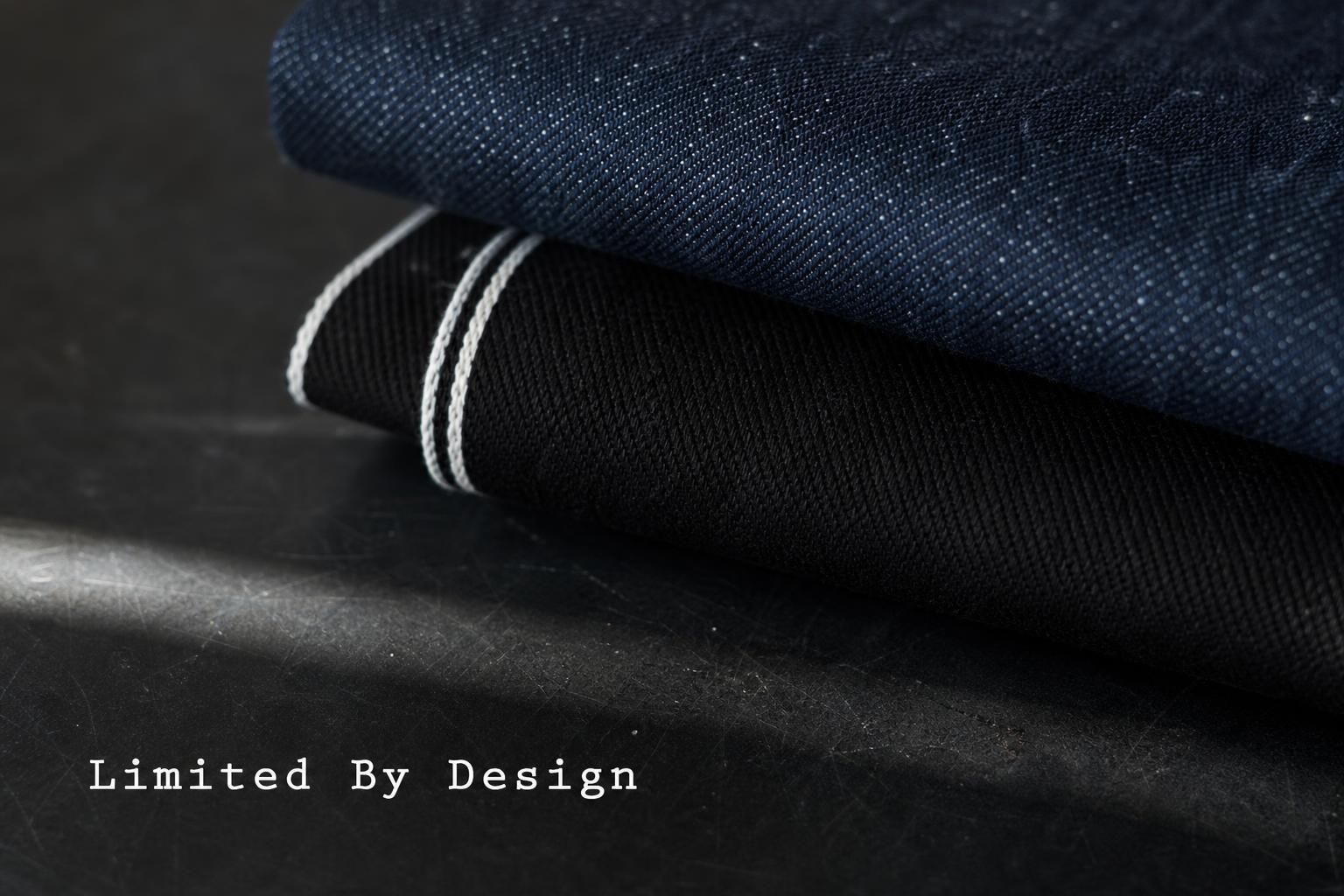
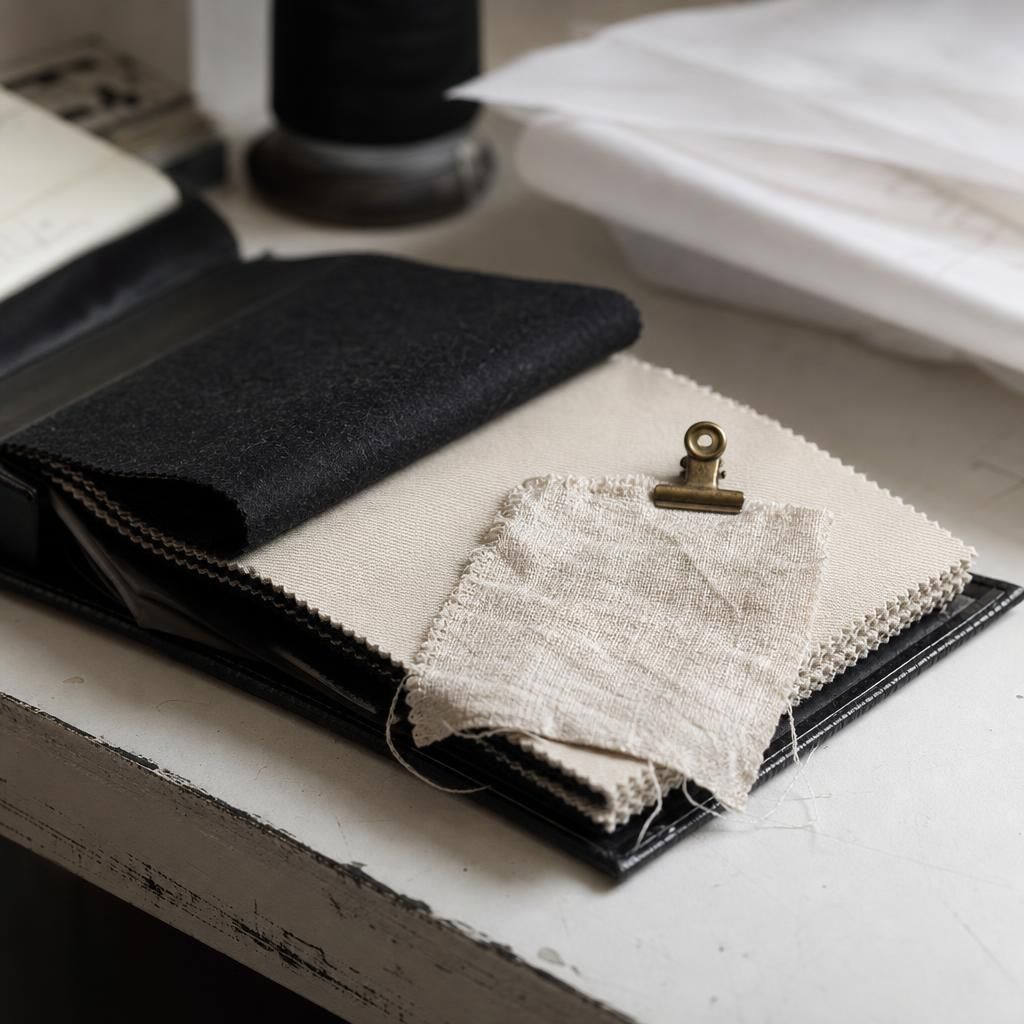
The material story is central. Deadstock and lower-impact fabrics are especially relevant because they can reduce the need for new textile production. Olivia Black uses that mindset across pieces designed to be worn repeatedly, not reserved for special occasions only. If you want the deeper fabric story, the deadstock fabric clothing page explains why limited-run fashion can reduce waste.
Craft matters because luxury buyers expect construction to justify the price. Strong seams, thoughtful finishing, and balanced proportions all increase a garment’s lifespan. They also improve the way the piece falls on the body. That is important in sustainable luxury fashion, because a garment that fits well is more likely to stay in rotation.
Longevity is not only physical. It is stylistic too. A piece that can move between daywear, events, and layered looks offers more value than a highly specific outfit. That is where Olivia Black’s design language becomes commercially persuasive. The clothes are expressive, but they are not trapped in one context.
If you are comparing options, ask whether the brand discusses care, repair, and repeat wear. Those are the practical signals that sustainable luxury fashion is more than a seasonal image exercise. They also point to a calmer, more useful wardrobe.
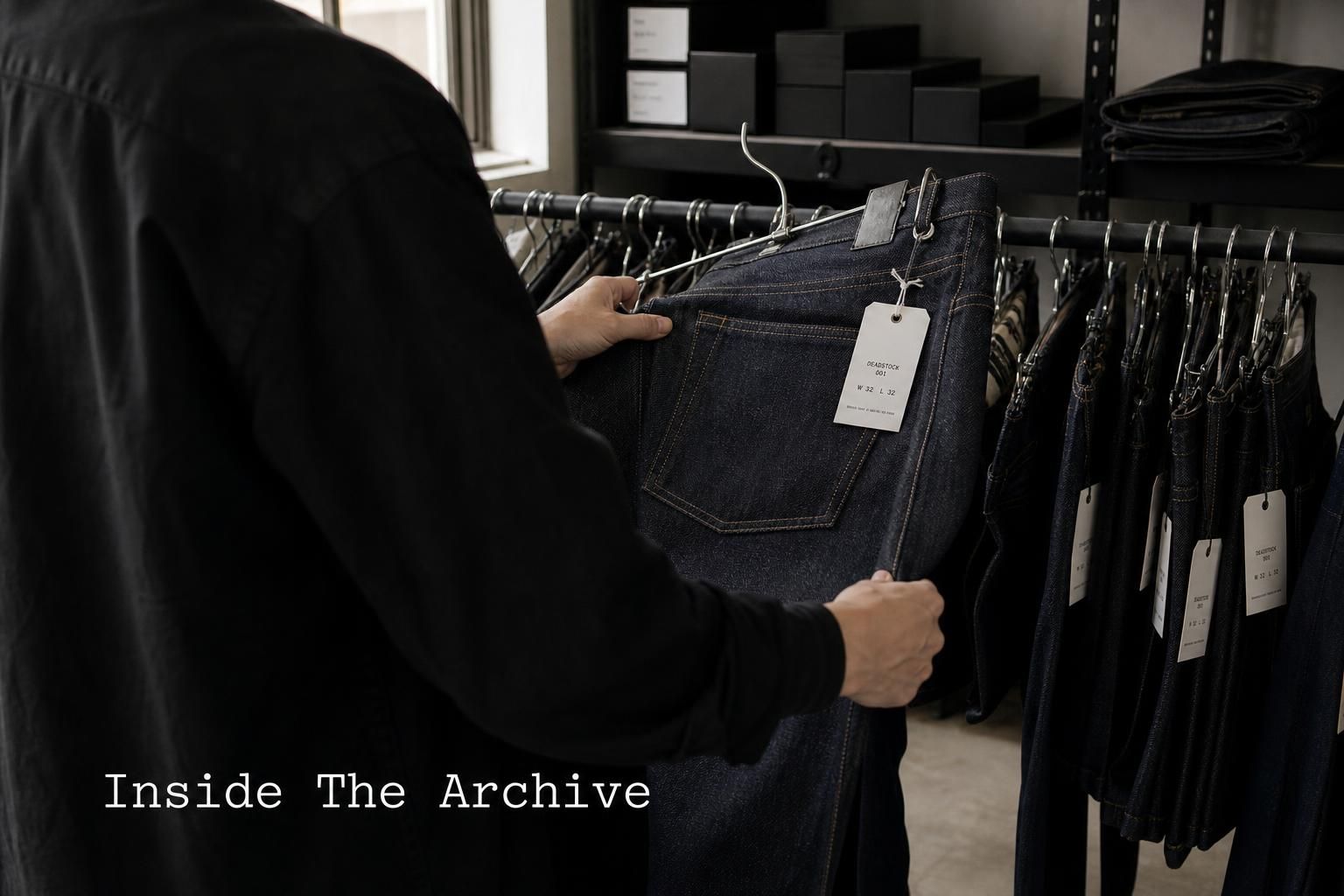
A useful example is the brand’s focus on denim. Its deadstock denim jeans story shows how one fabric choice can influence both waste reduction and wardrobe longevity. That is the kind of detail luxury buyers should look for.
How does sustainable luxury fashion work in real wardrobes?
It works by making fewer, better decisions easier to repeat. A limited-run garment that pairs with multiple looks becomes more valuable because it earns more wear.
That is why sustainable luxury fashion should be judged by outfit flexibility, fabric quality, and care instructions, not by branding alone.
Gender-Fluid Design as Sustainable Luxury Fashion
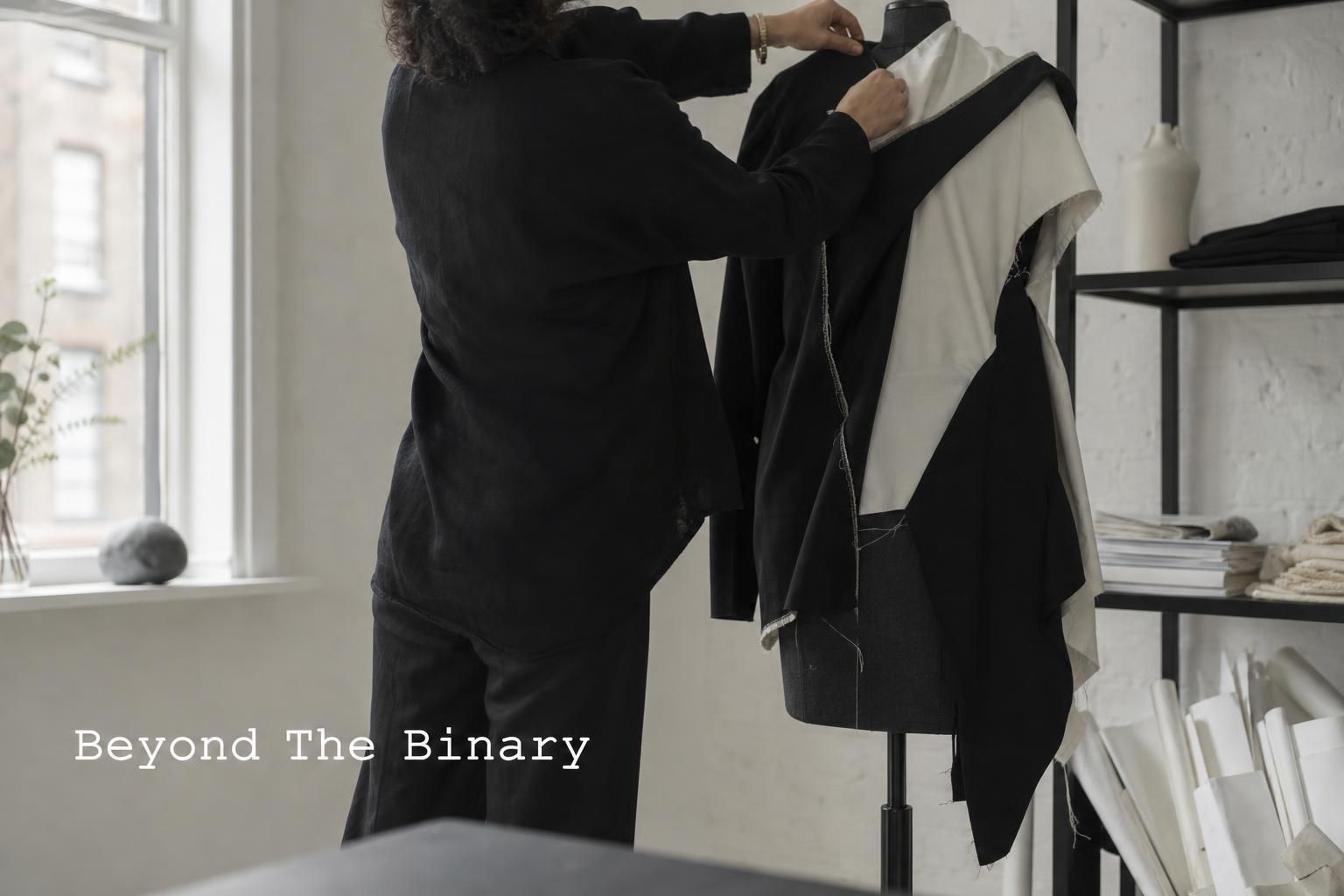
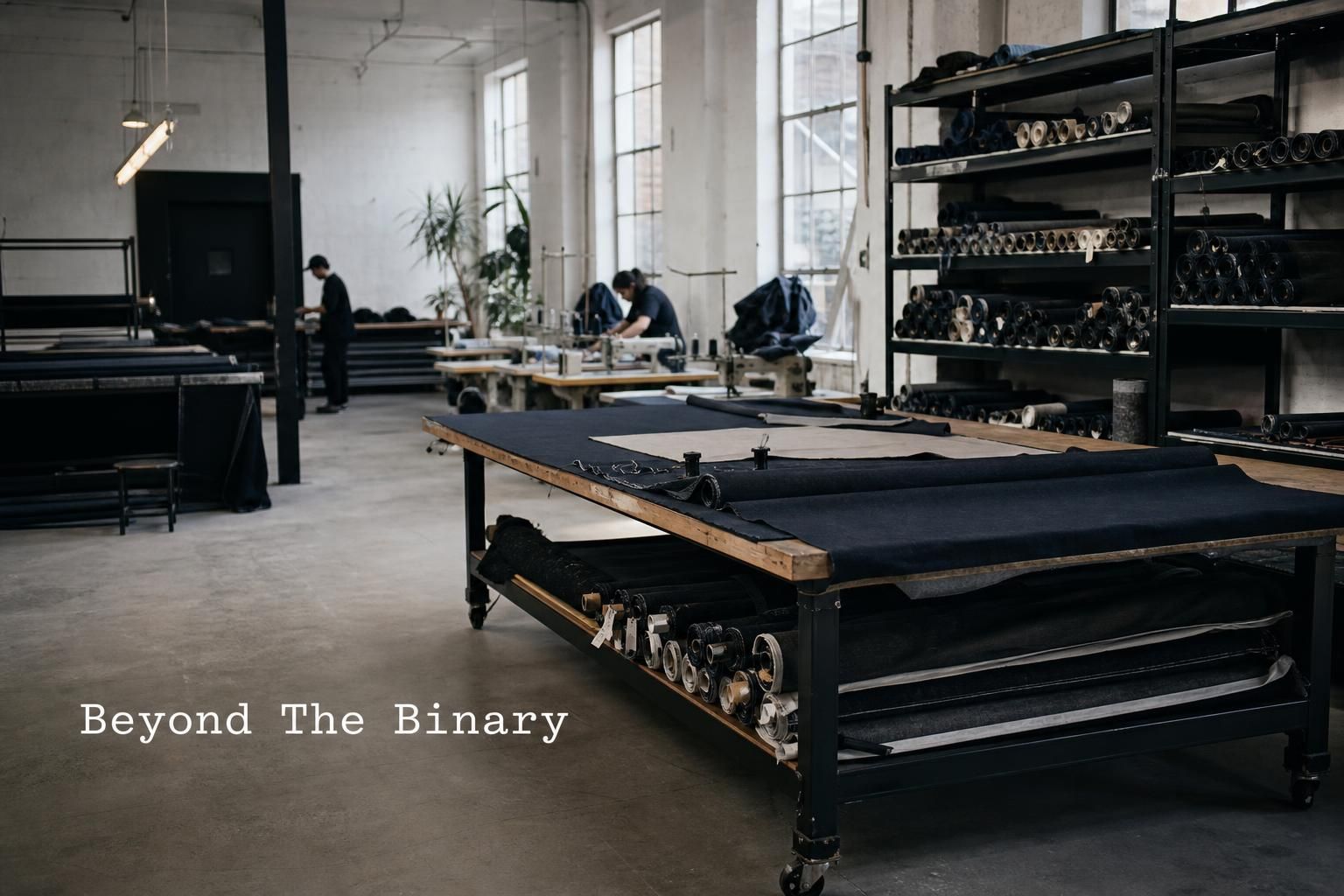
Gender-fluid design makes sustainable luxury fashion more efficient and more expressive. One well-designed piece can serve more people, more styling moods, and more occasions.
That flexibility matters commercially. Buyers who want premium clothing today often want fewer rules, not more. They want silhouettes that feel expressive without being locked into narrow categories. Olivia Black builds around that idea through garments that support identity, movement, and rewearing.
This is where sustainable luxury fashion becomes more than an ethics story. It becomes a wardrobe strategy. If one jacket, shirt, or trouser can be styled across multiple settings, it has a better chance of staying relevant. That reduces the pressure to buy separate pieces for every occasion.
For shoppers who want a practical route into this, gender fluid clothing and gender neutral fashion are helpful starting points. They show how clothing can move beyond binary styling without losing shape or sophistication.
The point is not to make everything identical. Instead, it is to make premium clothing more adaptable. That adaptability supports sustainable luxury fashion because it widens the number of wears per garment. It also respects customers who want luxury to reflect personality, not prescription.
This approach can be especially useful for LGBTQ+ shoppers and non-binary customers. They often want design that acknowledges identity without turning it into a costume. In that context, good sustainable luxury fashion feels inclusive, not performative.
The best pieces do three things at once:
- they feel distinctive,
- they work across styling moods,
- and they stay useful beyond a single trend.
Olivia Black Pieces to Invest In for Sustainable Luxury Fashion
Olivia Black pieces are strongest when you want sustainable luxury fashion that feels directional, wearable, and limited enough to stay special. The collection is built for buyers who care about silhouette as much as substance.
You can see that approach across the brand’s product pages, including the Weaver Jeans, Weaver Denim Jacket, Maglen Dress, and Feather Trouser. Each piece reflects the idea that sustainable luxury fashion should earn its place through repeat wear, not just a strong first impression.
For a mainstream luxury reference, the CNN segment on Chloé is a useful reminder that the industry is still experimenting with how sustainable luxury fashion can work at scale. Olivia Black is different because the brand’s proof point is small-batch clarity rather than corporate size.
For shoppers who want a wider ethical overview, Eco-Stylist’s roundup can help with benchmarking, while Olivia Black offers a more focused, studio-led version of sustainable luxury fashion. That distinction matters. Some brands signal sustainability broadly. Others build it into the product logic itself.
If you want to start with one category, denim is the easiest entry point. If you want a statement piece, the Maglen Dress is the more expressive route. If you want a wardrobe workhorse, the Feather Trouser may give you the most versatility. That range is part of what makes Olivia Black relevant to sustainable luxury fashion buyers.
Weaver Jeans
Weaver Jeans are a strong choice if you want sustainable luxury fashion with everyday mileage. Denim is one of the easiest fabrics to overbuy, so a limited-run pair with a sharper design point can do more work in your wardrobe.
They also pair well with both relaxed and structured styling. That makes them useful for buyers who want a premium jean that feels expressive without being overly fragile.
Weaver Denim Jacket
The Weaver Denim Jacket works as a layering anchor. In sustainable luxury fashion, that is valuable because a jacket can extend the life of many looks.
A well-made denim jacket also bridges seasons. Therefore, it can reduce the need for multiple outer layers while still giving the outfit a polished finish.
Maglen Dress
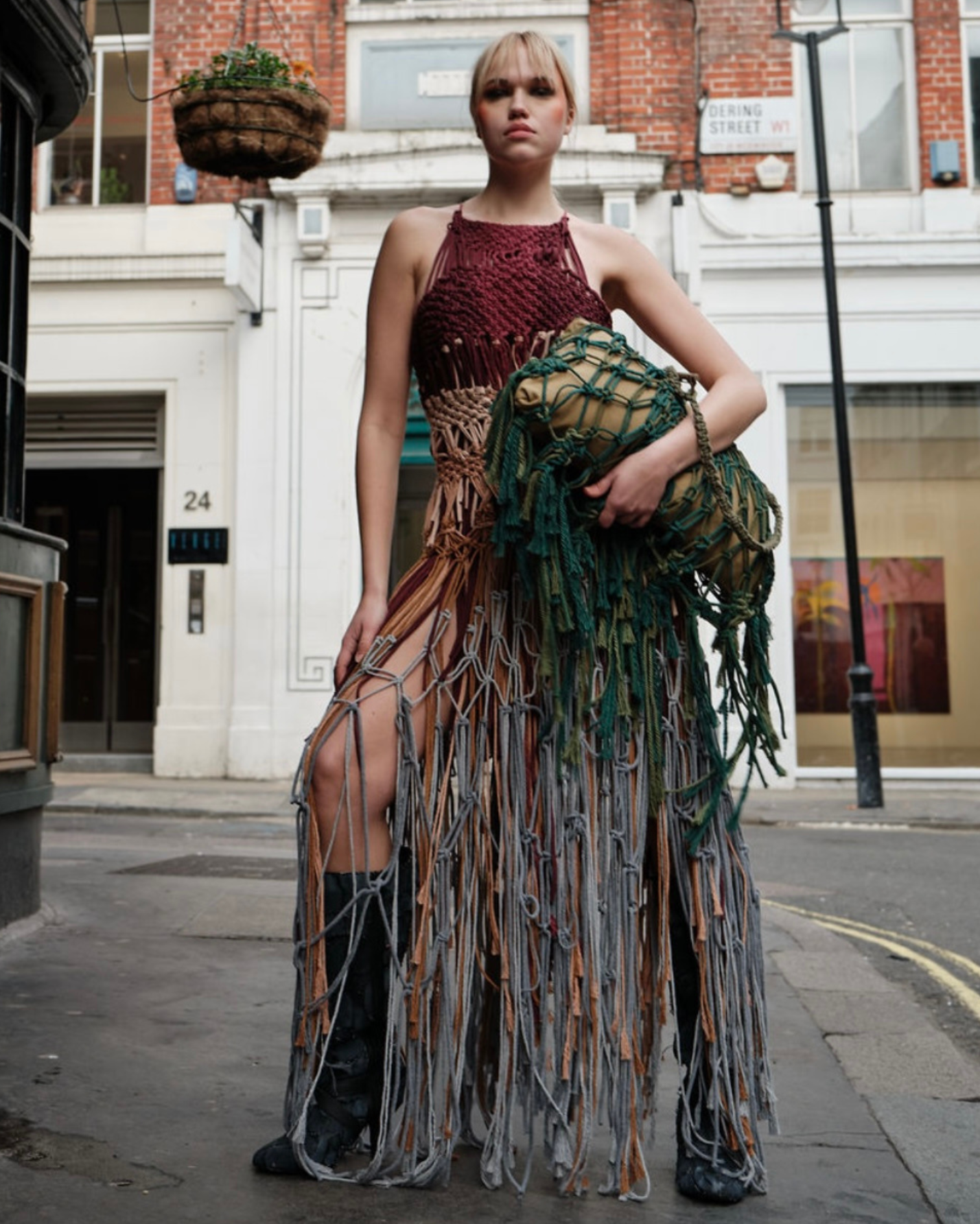
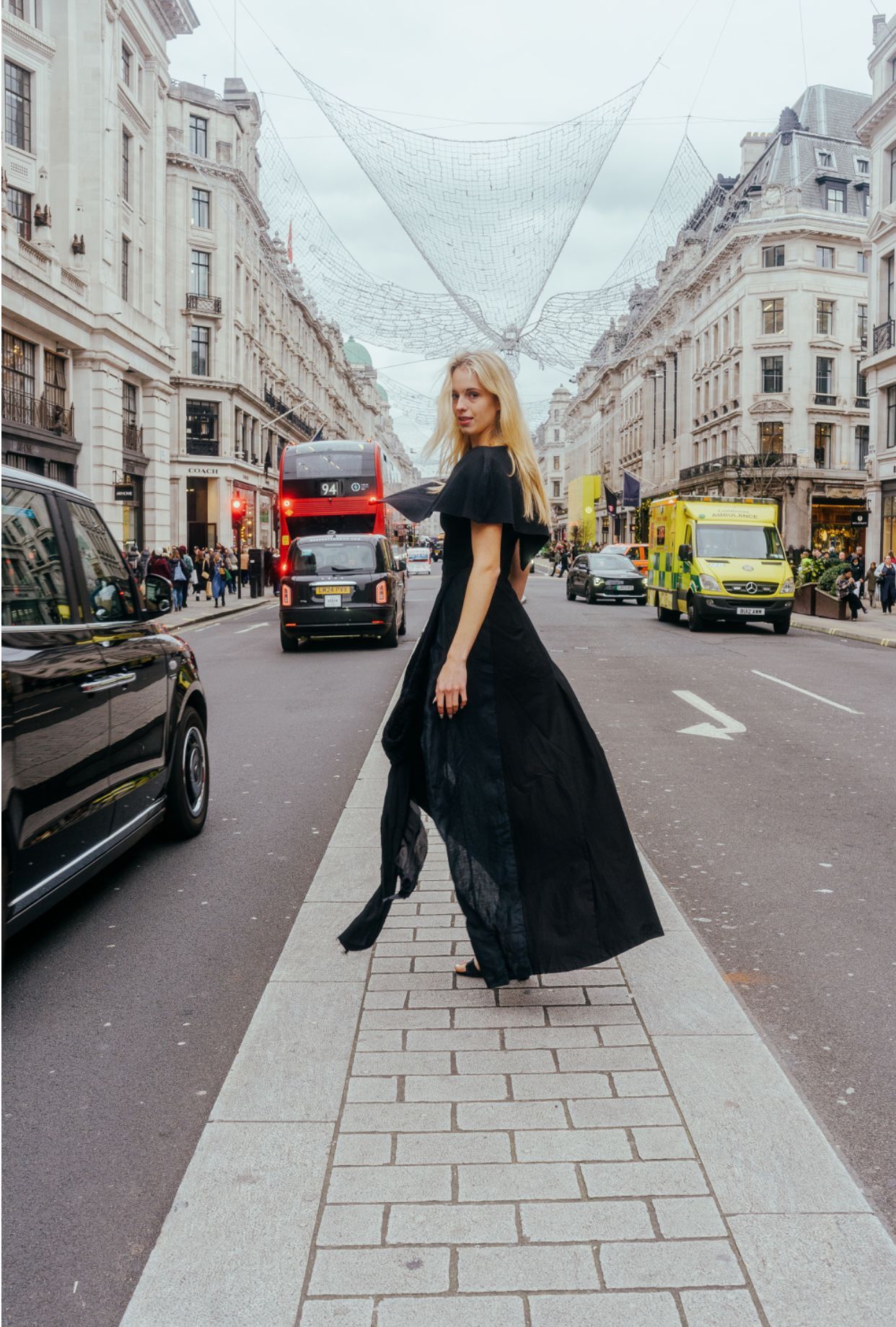
The Maglen Dress is the kind of piece that shows how sustainable luxury fashion can still feel dramatic. A statement dress should not be disposable just because it is occasion-ready.
With the right styling, it can move from event dressing to more creative rewearing. That gives it more lasting value than trend-led occasionwear.
Feather Trouser
Feather Trouser is ideal for shoppers who want structure and movement in one garment. In sustainable luxury fashion, trousers like this often become wardrobe drivers because they work with shirts, knits, and jackets.
That versatility is part of the investment case. The more combinations a trouser supports, the stronger its long-term value.
Questions to Ask Before Buying Sustainable Luxury Fashion
The best sustainable luxury fashion buyers ask specific questions before they buy. That is how you separate polished marketing from responsible design.
Start with the fabric story. Is the brand clear about whether it uses deadstock, lower-impact, or responsibly sourced materials? Then look at production scale. Limited-run clothing is not automatically ethical, but it often signals more control and less waste.
Next, check for longevity cues. Does the brand discuss fit, care, or rewearing? Does the piece seem built for multiple outfits? These details matter because sustainable luxury fashion should improve with use, not become a closet ornament.
Olivia Black’s broader editorial pages can help you evaluate those questions. The sustainable fashion UK guide and luxury sustainable fashion page are useful if you want to compare responsible design cues before buying.
It is also worth asking whether the clothing supports your real life. A truly good investment piece should work with the rest of your wardrobe. If it only makes sense with a single outfit, the cost per wear may be poor, even if the garment is beautiful.
Finally, do not confuse prestige with proof. Sustainable luxury fashion should show its value through materials, construction, and wearability. If those elements are missing, the label is just expensive fashion with better adjectives.
FAQs About Sustainable Luxury Fashion
These answers address the most common questions buyers ask when comparing brands and products in sustainable luxury fashion.
Key Takeaways
- Sustainable luxury fashion should be judged by materials, craft, longevity, and transparency, not branding alone.
- Limited-run production can make premium clothing more responsible by reducing excess and increasing intentionality.
- Gender-fluid design supports sustainable luxury fashion because versatile garments work harder in real wardrobes.
- Olivia Black’s limited-run model shows how expressive design and lower-waste thinking can coexist.
- Before buying, ask how the garment was made, what it is made from, and how often you will realistically wear it.
Frequently Asked Questions
What are the 7 forms of sustainable fashion?
There is no single universal list, but the seven most common forms are slow fashion, circular fashion, ethical fashion, zero-waste design, upcycling, recycling, and sustainable luxury fashion. The useful part of the framework is not the label count. It is understanding how each approach reduces waste, improves garment life, or supports better production choices. In practice, sustainable luxury fashion sits closest to slow fashion and ethical fashion because it relies on craftsmanship, smaller runs, and longer wear.
Is Zara actually sustainable?
Zara is not usually considered a leader in sustainable luxury fashion, and it is best understood as a fast-fashion retailer rather than a low-impact luxury brand. The company may use some sustainability initiatives, but the business model still depends on speed, volume, and frequent product turnover. If you want more responsible purchasing, look for brands that explain materials, production scale, and longevity more clearly.
Is Gucci a sustainable brand?
Gucci has made public sustainability commitments, but it is not the same thing as truly responsible design across every product line. In sustainable luxury fashion, the key question is not whether a brand has a campaign. It is whether the garments are made with strong material choices, limited waste, and long wear potential. Buyers should judge the specific item, not just the logo.
What is sustainable fashion fashion?
Sustainable fashion is clothing made to reduce harm across the whole lifecycle, from materials and production to wear and disposal. The phrase can sound repetitive, but the meaning is practical. It points to garments that last longer, waste less, and are designed with more care. Sustainable luxury fashion is the premium end of that idea.