Slow Fashion Clothing: A Practical Guide to Buying Less and Wearing More

Olivia Black • September 9, 2026

Share this article

Quick Answer

Slow fashion clothing is a slower, more intentional way to buy and wear clothes. It focuses on fewer pieces, better materials, thoughtful construction, repair, care, and styling versatility so each garment lasts longer and earns more wear.

Slow fashion clothing is not about dressing perfectly or buying a whole new wardrobe. It is about choosing fewer pieces that work harder, last longer, and still feel like you after the trend has moved on. For style-conscious shoppers, that means thinking about fit, fabric, repair, care, and whether a garment can move from weekday to weekend without losing its edge. It also means looking for limited runs, deadstock fabric, and silhouettes that invite repeat wear. If you want a useful starting point, Olivia Black’s sustainable clothing London page shows how a limited-run, gender-fluid approach can feel expressive rather than restrictive. In this guide, we will break down how slow fashion clothing works in practice, how it differs from fast fashion, and how to build a wardrobe that does more with less. You will also see where pieces like denim, dresses, shirts, and trousers fit into a slower, more considered way of dressing.

What Is Slow Fashion Clothing?

Slow fashion clothing is clothing made and bought with intention. It prioritises quality, wearability, and longevity over constant novelty. In practical terms, that means fewer drops, better materials, careful construction, and pieces you will actually reach for again. This is why slow fashion clothing often overlaps with deadstock fabrics, limited-run production, repair-friendly design, and styling that works across seasons.

At its best, slow fashion clothing helps you buy less and wear more. It asks a simple question before every purchase: will this still feel useful six months from now? That question matters because many wardrobes fill up with clothes that only work once, or only fit one mood. Slow fashion clothing aims for the opposite. It values garments that can be reworn, restyled, mended, and passed on.

For a broader look at the movement, the article what slow fashion is and why it is on the rise explains the appeal of slower, more considered dressing. You can also see how this thinking connects to Olivia Black’s approach in the brand story, where inclusive design and small-batch production shape the collection.

Slow fashion clothing is not limited to minimal style. It can be bold, sculptural, romantic, tailored, or denim-led. The real difference is the mindset behind it. Instead of chasing endless newness, you build a wardrobe with staying power. That is why the best slow fashion clothing feels personal. It is designed to be worn in real life, not just photographed once.

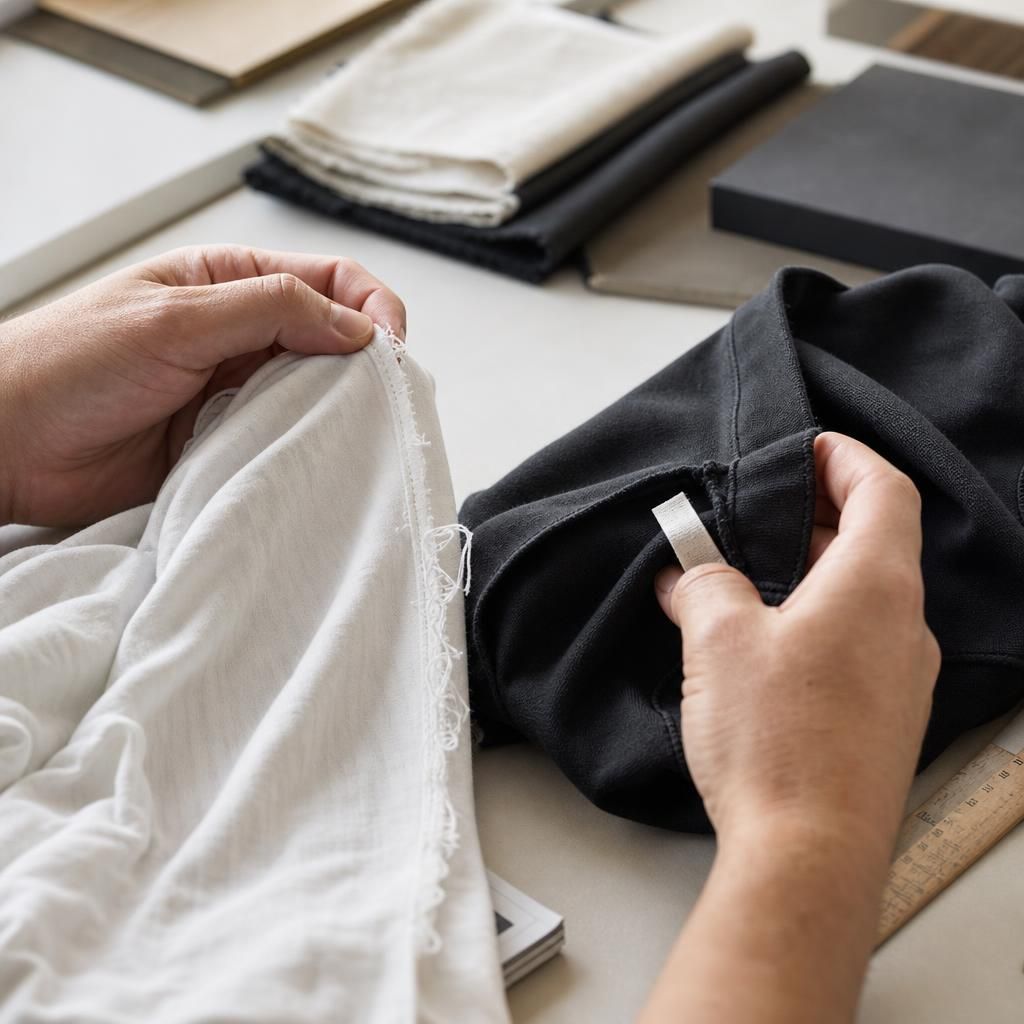
Hands comparing a flimsy shirt and durable black shirt 

How does slow fashion clothing work in everyday life?

Slow fashion clothing works by reducing friction in your wardrobe. You choose pieces that fit many settings, so getting dressed becomes easier. A jacket can soften a dress. A trouser can work with trainers or boots. A shirt can layer under knitwear or stand alone. The result is less waste, less decision fatigue, and more use from each item.

Slow Fashion Clothing vs Fast Fashion

Slow fashion clothing and fast fashion differ in purpose, pace, and lifespan. Fast fashion is built around speed and volume. Slow fashion clothing is built around durability and repeat wear. That difference changes everything from fabric choice to how often a garment feels special after purchase.

Fast fashion encourages impulse buying. Slow fashion clothing encourages considered buying. With slow fashion, the goal is not to own more. The goal is to own better. That often means stronger stitching, better hand-feel, and shapes that outlast one season’s trend cycle. It also means fewer regrets, because the clothes have been chosen with a real wardrobe in mind.

The Guardian’s piece on slow fashion and the zero-waste movement is a useful reminder that design choices can reduce waste before a garment even reaches your wardrobe. For shoppers, that translates into a practical rule: buy the piece that can do three jobs, not the one that only works once.

If you want a local, style-led example, Olivia Black’s slow fashion London page shows how limited-run clothing can serve expressive wardrobes without leaning on excess stock. That matters in cities like London, where style changes fast, but good pieces still need to survive real use.

The most important difference is emotional. Fast fashion often fades quickly because it was never made to last in your life. Slow fashion clothing earns attachment. You wear it often, repair it when needed, and keep finding new ways to style it. That is how a wardrobe becomes smaller, sharper, and more personal.

What makes a piece feel slow, not just look sustainable?

A piece feels slow when it is built for repeat use. Look for flexible styling, solid finishing, and fabrics that age well. Just as important, the item should suit your real routine. If you cannot imagine wearing it in more than one context, it may be stylish but not truly slow fashion clothing.

How to Build a Slow Fashion Wardrobe

A slow fashion wardrobe starts with editing, not adding. First, look at what you already wear most. Then identify the gaps that would make those pieces work harder. This approach keeps slow fashion clothing grounded in your actual life, not an idealised version of it.

A good wardrobe usually has a few versatile anchors. Think denim, a strong shirt, tailored trousers, and one or two statement pieces that can shift between casual and dressed-up settings. Olivia Black’s gender fluid clothing and gender neutral clothing guides are useful here, because they focus on silhouette, proportion, and self-expression rather than rigid categories.

One simple framework many people use is the 3-3-3 rule for clothes. It usually means creating a short-term capsule of three tops, three bottoms, and three pairs of shoes. The point is not restriction for its own sake. It is to prove that fewer items can still create many outfits. For slow fashion clothing, that idea is powerful because it trains you to value versatility before volume.

If you want more guidance while shopping, Olivia Black’s sustainable fashion UK brands guide can help you assess quality, while the brand’s limited-run clothing page explains why scarcity can be a design strength rather than a marketing trick.

Choose Versatile Statement Pieces

The best slow fashion clothing often has personality and range. A statement dress can work for events, dinners, and creative work settings if you restyle it well. A sharp jacket can bring structure to softer looks. A good piece should invite multiple outfits, not lock you into one occasion.

Prioritise Better Fabrics and Construction

Fabric choice shapes how long a garment lasts and how it feels to wear. Natural fibres, deadstock textiles, and sturdy denim often age beautifully when made well. Construction matters too. Strong seams, clean finishes, and thoughtful pattern cutting all help slow fashion clothing survive regular use.

Care for Clothes Properly

Care is part of the design. Wash less often when possible, follow the label, air dry where you can, and mend small issues early. These habits extend the life of slow fashion clothing and protect the texture, colour, and shape that made you buy it in the first place.

Why Slow Fashion Clothing Benefits from Limited-Run Production

Slow fashion clothing works especially well in limited runs because small batches encourage more intention at every stage. When a brand makes less, it can focus more on design choices, fabric selection, and finishing. That usually leads to pieces that feel considered rather than generic.

Limited-run production also supports a more personal relationship with clothing. You are less likely to see your exact item everywhere. That matters for shoppers who want expressive style without the sameness of mass production. It also helps keep the focus on the garment itself, not just the trend around it.

This is where the idea of slow fashion clothing becomes practical. A small-batch piece has to earn its place. It needs to work in real wardrobes, not just in a launch campaign. Olivia Black’s deadstock fabric clothing page explains why existing materials can be a smart choice, while the made in London clothing page highlights the value of local, careful production.

If you like visual research before shopping, Eco-Stylist’s video on vetted sustainable brands can help you sort thoughtful labels from empty claims:

There is also a practical fit benefit. Limited-run brands often design with a clearer point of view. That can mean better edits, stronger identity, and pieces that feel purposeful in a wardrobe. In short, slow fashion clothing benefits from limited runs because the clothing stays tied to use, not excess.

Why does limited-run clothing often feel more special?

It feels more special because it is less interchangeable. Small-batch production usually creates a stronger sense of design intent. As a result, slow fashion clothing can feel closer to a chosen piece of personal style than to a disposable purchase.

Which Slow Fashion Clothing Pieces Work Best in Real Wardrobes?

The most useful slow fashion clothing pieces are the ones that cross situations easily. A good denim jacket, a well-cut trouser, a dress with styling range, and a shirt that layers well can carry a wardrobe further than many trend-led items.

For Olivia Black shoppers, that means looking at pieces like the Weaver Jeans, the Weaver Denim Jacket, the Feather Trouser, and the Maglen Dress. Each one can play a different role in slow fashion clothing. Denim anchors everyday wear. Tailoring sharpens a look. A dress can shift from event dressing to layered daywear.

Rental can also support the same mindset. If you need occasionwear less often, Olivia Black’s designer clothing rental UK page shows how a garment can be worn well without needing permanent ownership. That is especially useful for statement dressing.

Bekah Sun’s reflective video on leaving fast fashion behind is a helpful watch for anyone rebuilding their style habits:

Slow fashion clothing is strongest when each purchase solves multiple problems. Can it layer? Can it travel? Can it move from casual to dressed-up? Can it still feel relevant next year? If the answer is yes, you are probably choosing well.

How do you choose pieces that survive trend cycles?

Choose shapes you can re-style in different ways. Neutral or adaptable colours help, but so do distinctive details. The goal is not blandness. It is longevity. Slow fashion clothing survives trend cycles when the design feels honest, wearable, and visually strong.

How Do You Shop Slow Fashion Clothing Without Overbuying?

You shop slow fashion clothing by slowing down the decision. Start with need, not mood. Ask what role the piece will play, how often you will wear it, and what you already own that it must work with. That kind of filtering prevents random purchases.

A useful habit is to build outfits before buying. If you cannot style an item with at least three things you already own, pause. Another good habit is checking the brand’s story, production model, and fabric choices. Olivia Black’s gender fluid fashion brands and sustainable denim UK pages are good examples of how to shop with context, not impulse.

It also helps to know what slow fashion clothing is not. It is not just expensive clothing. It is not a vague aesthetic. And it is not automatically ethical because a brand says so. Real slow fashion shows up in design discipline, material choice, and how often the garment can be reworn. That is why your checklist should include repairability, versatility, and longevity, not only price.

For shoppers asking which brands count as slow fashion, the honest answer is: the ones that can clearly explain their materials, production, and purpose. Look for transparency, small-batch thinking, and garments that encourage repeat wear. That is the clearest path to buying less and wearing more.

What are the disadvantages of slow fashion clothing?

The main disadvantages are usually price, availability, and slower decision-making. Slow fashion clothing can cost more upfront, and limited runs may sell out quickly. However, many shoppers find the trade-off worthwhile because the cost per wear often improves when a piece lasts and gets worn often.

Slow Fashion Clothing FAQs

These quick answers cover the most common questions shoppers ask when they start exploring slow fashion clothing.

If you are still deciding what to buy, remember the core idea: slow fashion clothing should fit your body, your style, and your life. It should not demand constant replacement. It should support repeat wear, creative styling, and long-term use. That is what makes it practical, not just principled.

Key Takeaways

  • Slow fashion clothing focuses on fewer, better pieces that last longer and get worn more often.
  • The strongest slow fashion choices are versatile, repair-friendly, and easy to style across settings.
  • Limited-run production, deadstock fabrics, and careful construction all support a slower wardrobe.
  • A practical slow fashion wardrobe starts with what you already wear, then fills real gaps.
  • Olivia Black pieces like denim, trousers, shirts, dresses, and rental options fit the slow fashion clothing mindset well.

Frequently Asked Questions

Which brands are slow fashion?

Slow fashion brands are the ones that make fewer pieces, use better materials, and design for repeat wear. A true slow fashion clothing brand is transparent about its production and avoids the pressure to release endless new stock. Look for limited runs, repair-friendly garments, and clear fabric information. Olivia Black fits this model through deadstock materials, gender-fluid silhouettes, and small-batch design.

What is the 3-3-3 rule for clothes?

The 3-3-3 rule usually means three tops, three bottoms, and three pairs of shoes. It is a simple way to test how many outfits you can make from a small wardrobe, and it works well with slow fashion clothing. The rule helps you focus on versatility, which is the real skill behind buying less and wearing more.

What brand is Gen Z wearing?

There is no single brand that defines Gen Z style. Many Gen Z shoppers look for brands that feel expressive, inclusive, and values-led, which is why slow fashion clothing often appeals to them. They tend to favour pieces that support identity, creativity, and sustainability rather than uniform trend chasing.

What are the disadvantages of slow fashion?

Slow fashion can cost more upfront, and limited availability can make shopping less convenient. It also asks for more patience, because slow fashion clothing is about deliberate buying rather than impulse purchasing. Even so, many shoppers value the trade-off because better-made pieces often last longer and get worn more often.

How can I start wearing slow fashion clothing today?

Start with one category you already wear often, such as denim, trousers, or dresses. Then choose a piece that works with several items you own and can be styled in at least three ways. That first choice teaches the slow fashion clothing mindset: buy less, wear more, and care for what you already have.

Recent Posts

By Olivia Black September 22, 2026
what is gender fluid clothing is a question many style-conscious shoppers are asking as fashion moves beyond fixed menswear and womenswear rules. At its simplest, it means clothing that lets you dress for your body, mood, and identity rather than a label. That can look sharp, soft, tailored, oversized, draped, structured, or all of those at once. For Olivia Black, the idea sits at the centre of sustainable designer dressing, where limited-run pieces are made to be worn across contexts, not…
Gender Fluid Clothing UK: Independent Designer Pieces Made for Expressive Dressing
By Olivia Black September 21, 2026
Gender fluid clothing UK is about choosing clothes that reflect you, not a fixed label. For UK shoppers, that often means designer pieces with stronger fabric, better fit, and a clearer point of view. Olivia Black creates sustainable gender-fluid fashion in limited runs, with garments designed for movement, styling flexibility, and repeat wear. If you want pieces that feel contemporary and individual, this is where expressive dressing gets practical. Explore the brand’s approach on Olivia…
By Olivia Black September 20, 2026
Deadstock denim jeans are not just another denim trend. They are a design choice, a sourcing choice, and, often, a more thoughtful way to buy clothes. In simple terms, deadstock denim jeans are made from existing fabric that was left unused, which means every run begins with a finite material supply. That scarcity changes everything: the fit decisions, the wash choices, the production scale, and even the way a pair feels when you wear it. For Olivia Black, deadstock denim jeans sit at the…
By Olivia Black September 19, 2026
Deadstock denim jeans are a smart answer to modern shopping fatigue. They use existing fabric, so the garment starts with a built-in sustainability advantage and a more exclusive feel. For Olivia Black, deadstock denim jeans are not a trend story. They are a design language for limited-run fashion, gender-fluid dressing, and pieces that feel intentional from the first wear. The Weaver Jeans show that clearly. They sit within a wider world of slow fashion, premium denim, and expressive…
Non-Binary Clothing UK: Sustainable Pieces for Free Gender Expression
By Olivia Black September 18, 2026
Non binary clothing UK shoppers are usually looking for more than a loose fit or a neutral colour palette. They want clothes that feel deliberate, expressive, and wearable in real life. That means better cuts, better fabrics, and pieces that move beyond the usual unisex basics. At Olivia Black, the focus is sustainable gender-fluid design with a London point of view. The aim is not to hide the body or flatten style. It is to give you clothes that can read soft, sharp, formal, or relaxed…
By Olivia Black September 17, 2026
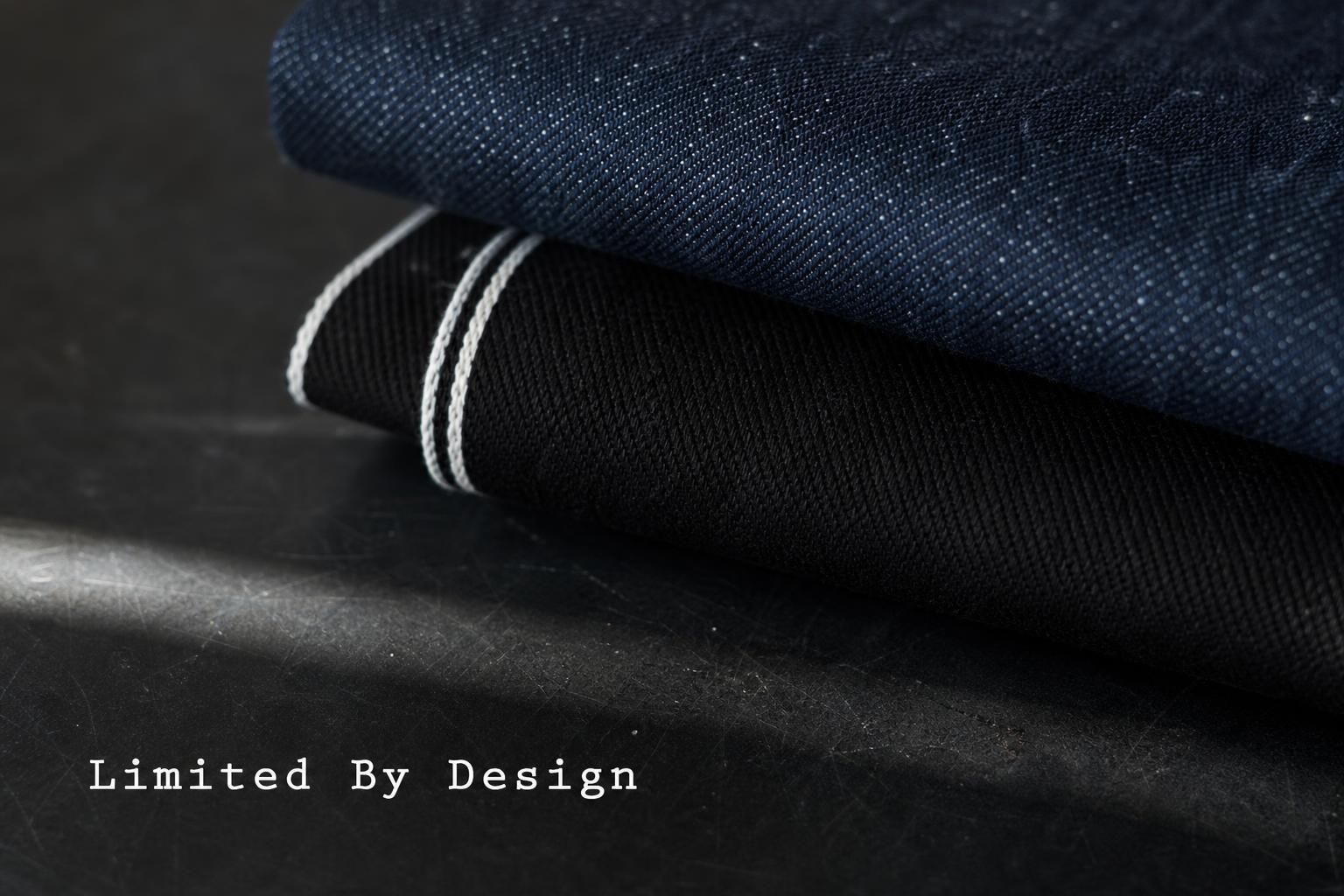
Deadstock denim jeans sit at the point where style, scarcity, and waste reduction meet. The phrase refers to jeans made from leftover denim that already exists, rather than fabric woven for a fresh mass run. That means every cut matters, every metre is accounted for, and the final pair often feels more intentional. For Olivia Black, that logic fits neatly with limited-run, gender-fluid design and the Weaver Jeans story. If you want to see how that idea extends across the wider collection…
Ethical Fashion London: What Conscious Shoppers Should Ask Before Buying
By Olivia Black September 16, 2026
Ethical fashion London is not just about buying less. It is about buying with sharper questions, better taste, and more respect for the people and materials behind a garment. In a city full of showrooms, boutiques, and online drops, the real skill is knowing how to tell a thoughtful label from a polished story. That means checking transparency, fabric choice, production scale, and whether a piece will still feel relevant after the season changes. If you want a practical place to start, Olivia…
Olivia Black: London Fashion Designer Creating Sustainable Gender-Fluid Clothing
By Olivia Black September 15, 2026
Olivia Black is a London fashion designer building a sharper, more inclusive idea of luxury. The brand creates sustainable gender-fluid clothing that feels expressive, practical, and designed for real wardrobes. That means limited-run pieces, deadstock textiles, and silhouettes that move beyond binary dressing without losing polish. If you want to explore the label first, start with the Olivia Black story and studio approach, then look at the garments themselves. The collection includes denim…
Sustainable Luxury Fashion: Why Limited-Run Designer Clothing Matters
By Olivia Black September 14, 2026
Sustainable luxury fashion is not about selling a greener story with the same old habits. It is about designing premium clothing with fewer compromises, fewer leftovers, and a longer life in the wardrobe. For style-conscious buyers, that difference matters. It shapes how a piece feels, how often you wear it, and whether it still looks relevant after the trend cycle moves on. Olivia Black’s approach to sustainable luxury fashion is a useful proof point because it focuses on limited-run…
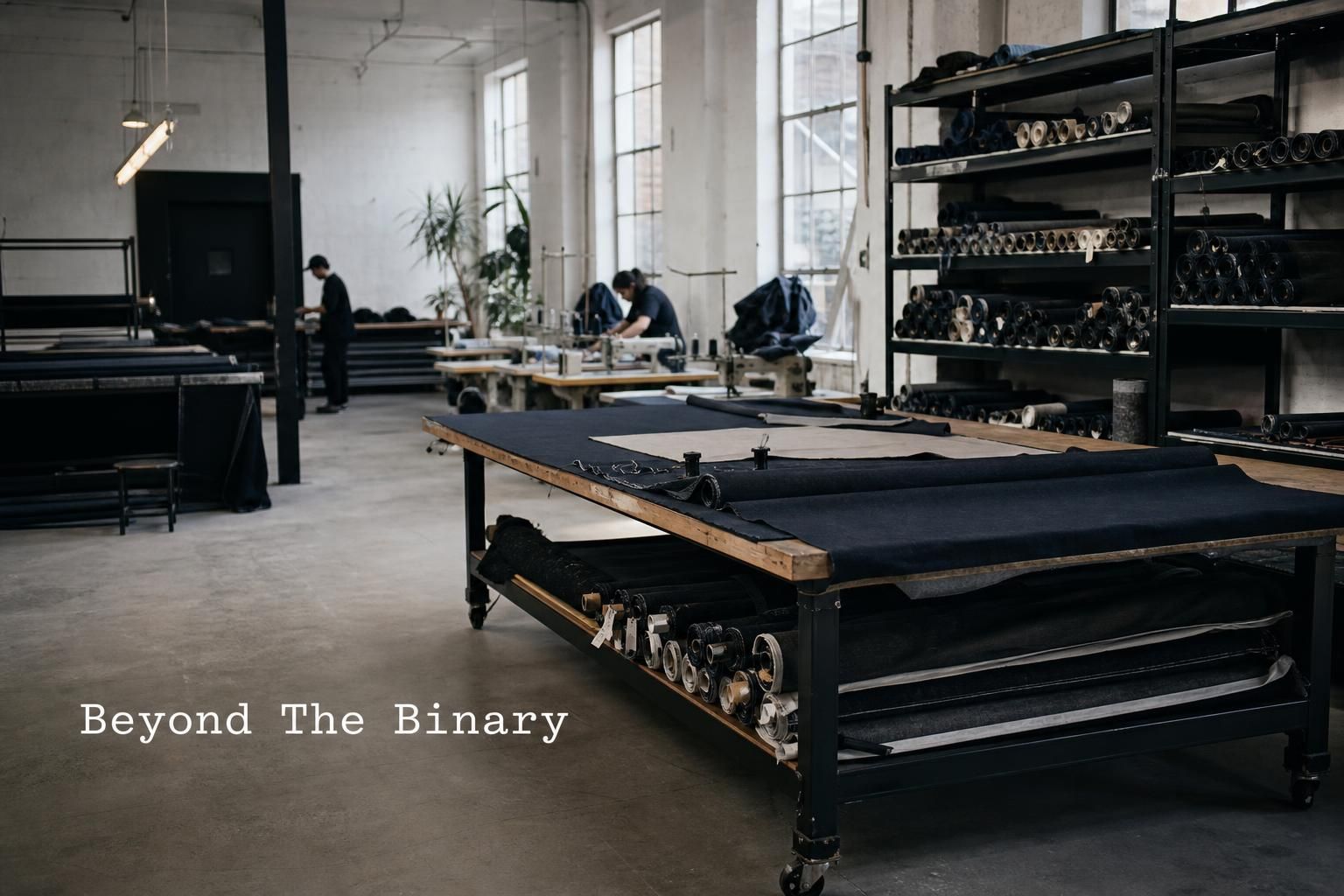
Gender-Fluid Jeans: How to Find Denim That Fits Your Style, Not a Binary
By Olivia Black September 13, 2026
Gender fluid jeans are for people who want denim that follows the body, not a label. That means fit comes first, then styling, then the story behind the fabric. For Olivia Black, the goal is simple: make jeans that feel expressive, wearable, and easy to shop without being pushed into menswear or womenswear categories. If you are building a wardrobe around identity, comfort, or sustainability, gender fluid jeans can be the anchor piece that everything else hangs from. They work best when you…
Show More