Deadstock Denim Jeans: What They Are and Why They Matter
Quick Answer
Deadstock denim jeans are jeans made from surplus denim fabric that was already produced but never used. They can help reduce waste, support limited-run fashion, and create distinctive pieces, but they are not automatically perfect or fully sustainable. The real value of deadstock denim jeans depends on sourcing, production, fit, and how long you wear them.
Deadstock denim jeans are a simple idea with a bigger fashion story behind them. They use existing denim that was never cut into a garment, which can help reduce waste and make each run feel more considered. For style-conscious shoppers, that matters because the best clothes are the ones you actually want to wear again and again. In Olivia Black’s world of sustainable, gender-fluid dressing, deadstock denim jeans sit at the point where design, responsibility, and expression meet. They are also practical: limited fabric can lead to fewer copies, sharper decision-making, and jeans that feel more special than mass-produced denim. If you want to see how this idea translates into a real product, start with Weaver Jeans or explore the wider sustainable designer denim edit. This guide explains what deadstock means, why brands use it, where it helps, where it falls short, and how to judge deadstock denim jeans with a more informed eye.
What Is Deadstock Denim?
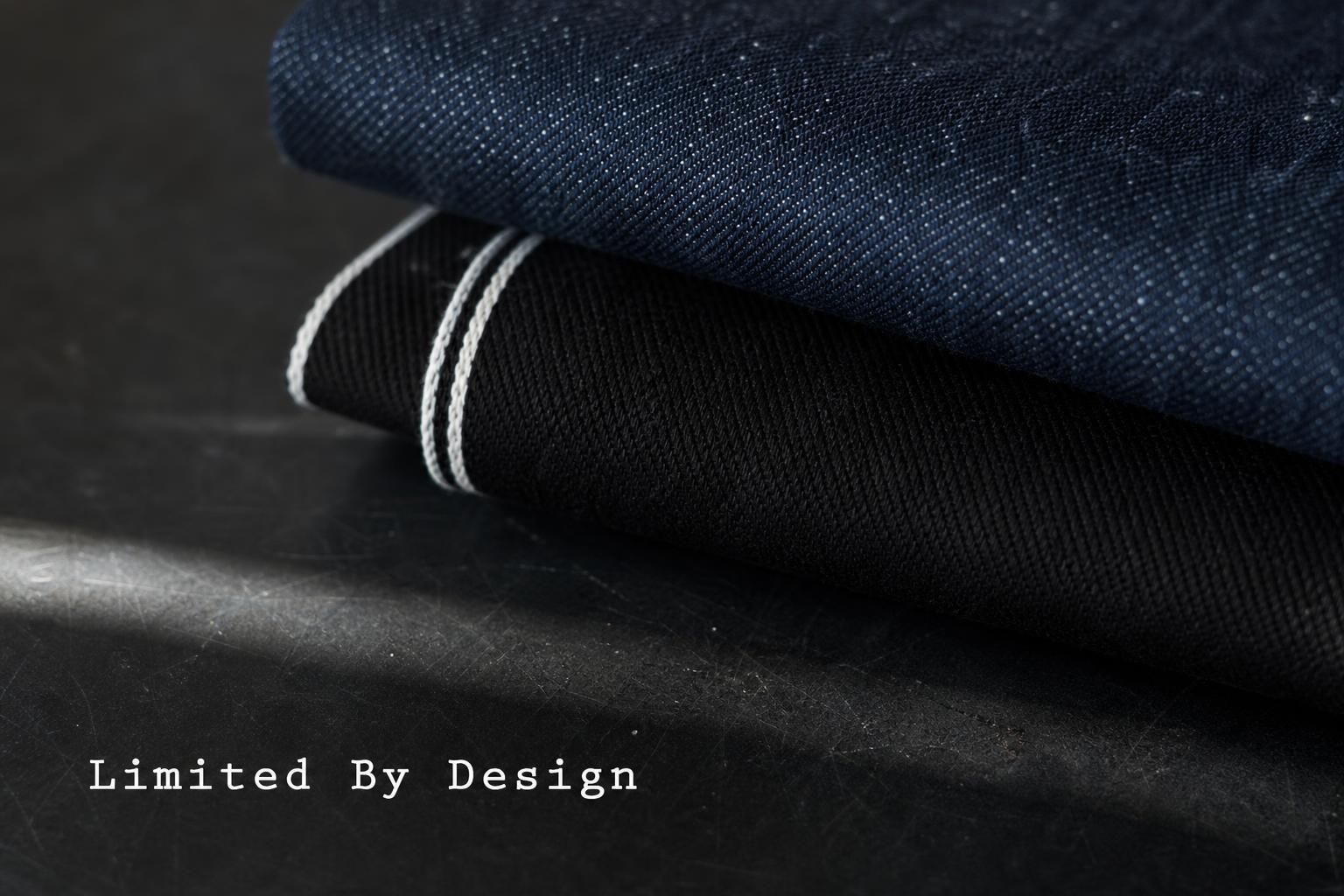
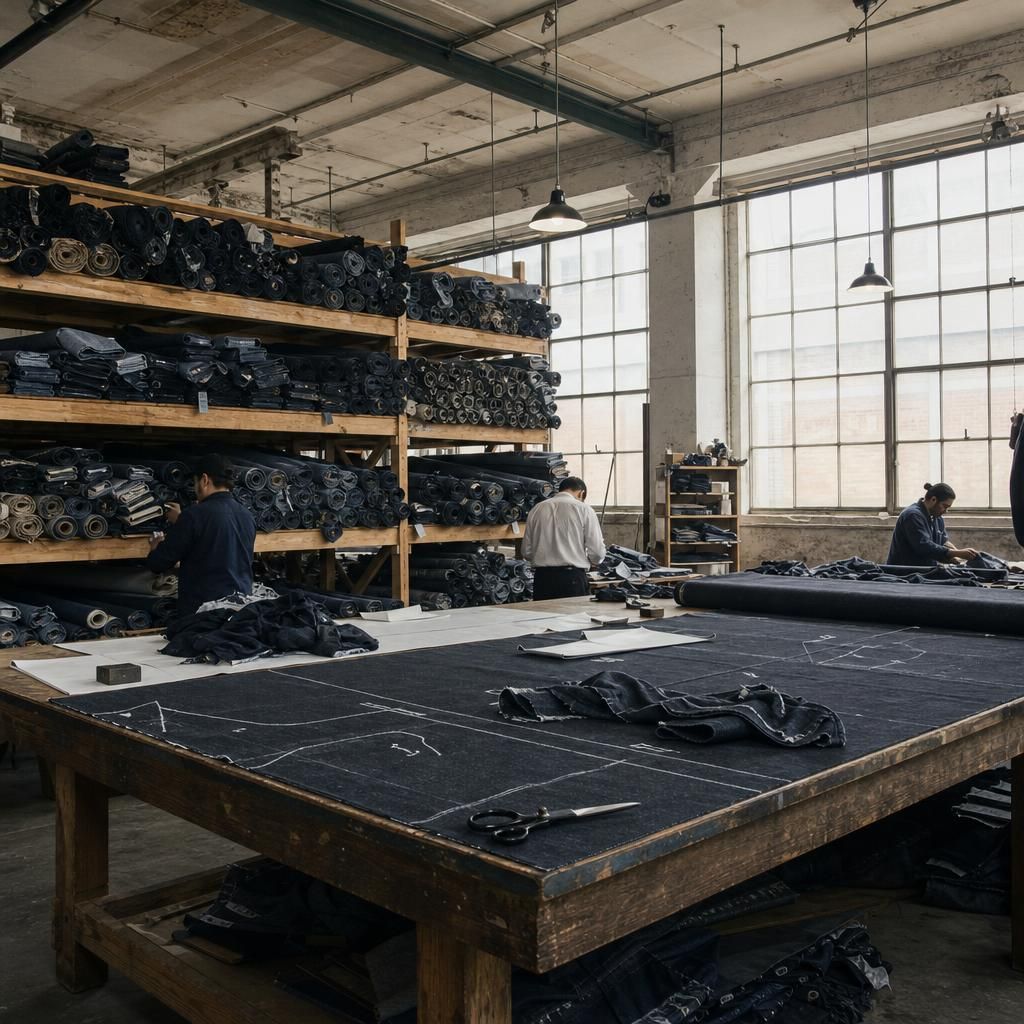
Deadstock denim is leftover denim fabric that was produced for another purpose but never used. Deadstock denim jeans are made from that existing fabric instead of ordering brand-new yardage. In plain English, it is fashion working with what already exists.
That definition matters because the word deadstock gets used in different ways. Sometimes it refers to fabric rolls. Sometimes it refers to unworn vintage stock. In denim, it often means surplus material from mills or brands that would otherwise sit unused. For a clear overview of the broader concept, the blog by Nudie Jeans on deadstock denim gives a useful industry explanation, while this archive-focused look at deadstock jeans on Etsy UK shows how the term appears in real shopping contexts.
Deadstock denim jeans matter because denim is resource-heavy by nature. Cotton cultivation, dyeing, weaving, transport, and finishing all add layers of impact. Therefore, using existing fabric can be a smarter move than commissioning more new material for a small run. However, deadstock is not magic. The denim still had to be produced in the first place, so the benefit comes from giving it a second chance in the supply chain.
For Olivia Black, the appeal is not just environmental. It is also aesthetic. Deadstock denim jeans often come with a distinctive hand-feel, a limited color run, or a texture you cannot easily reorder. That makes them ideal for expressive, limited-run clothes that feel personal rather than generic. If you like pieces with a clear point of view, that is where deadstock becomes exciting.
Deadstock denim jeans also fit well within a slower wardrobe. They invite more deliberate buying, better fitting, and longer wear. That is part of why they connect so naturally with slow fashion clothing and with inclusive design that does not chase short-lived trend cycles.
How does deadstock fabric become a pair of jeans?
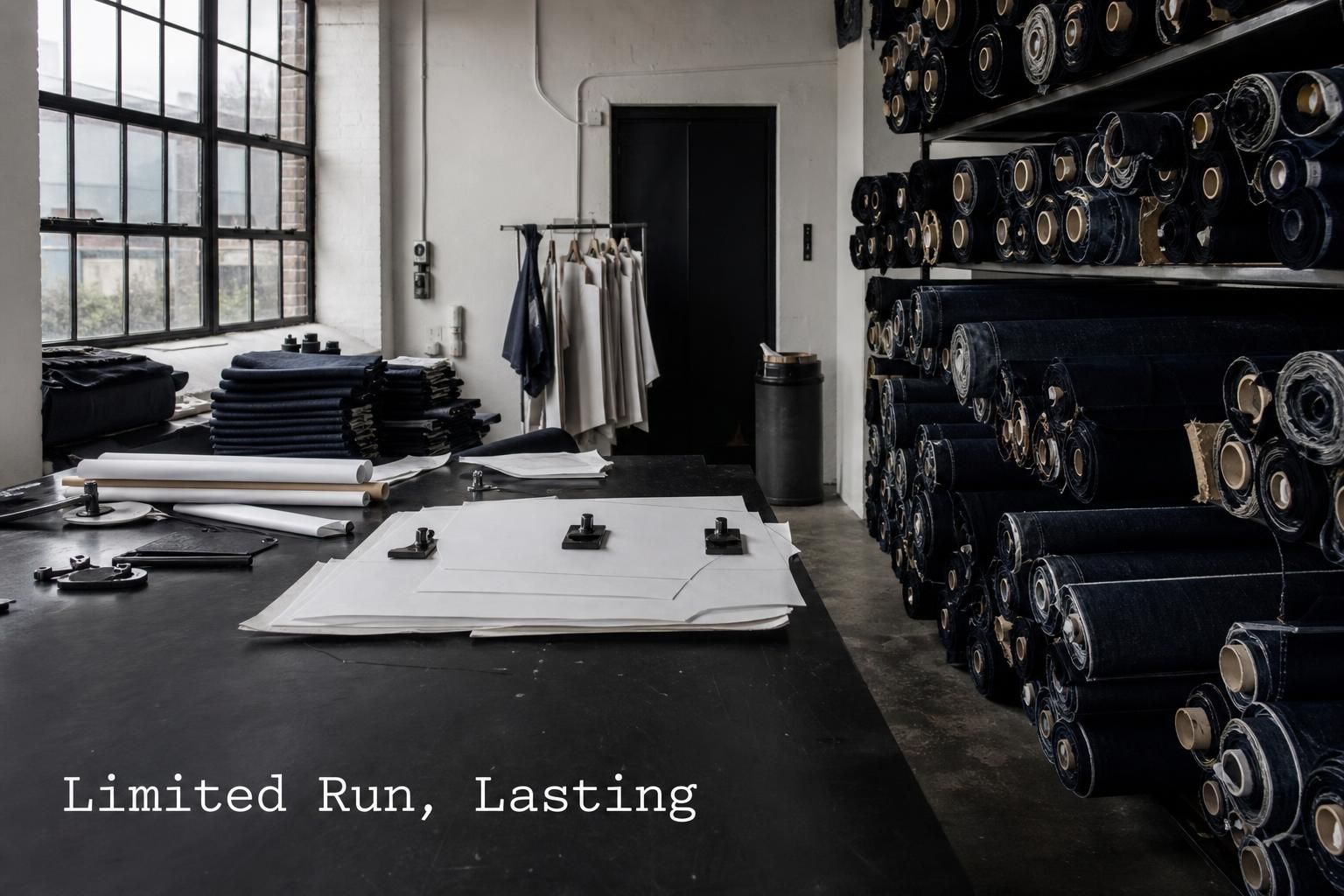
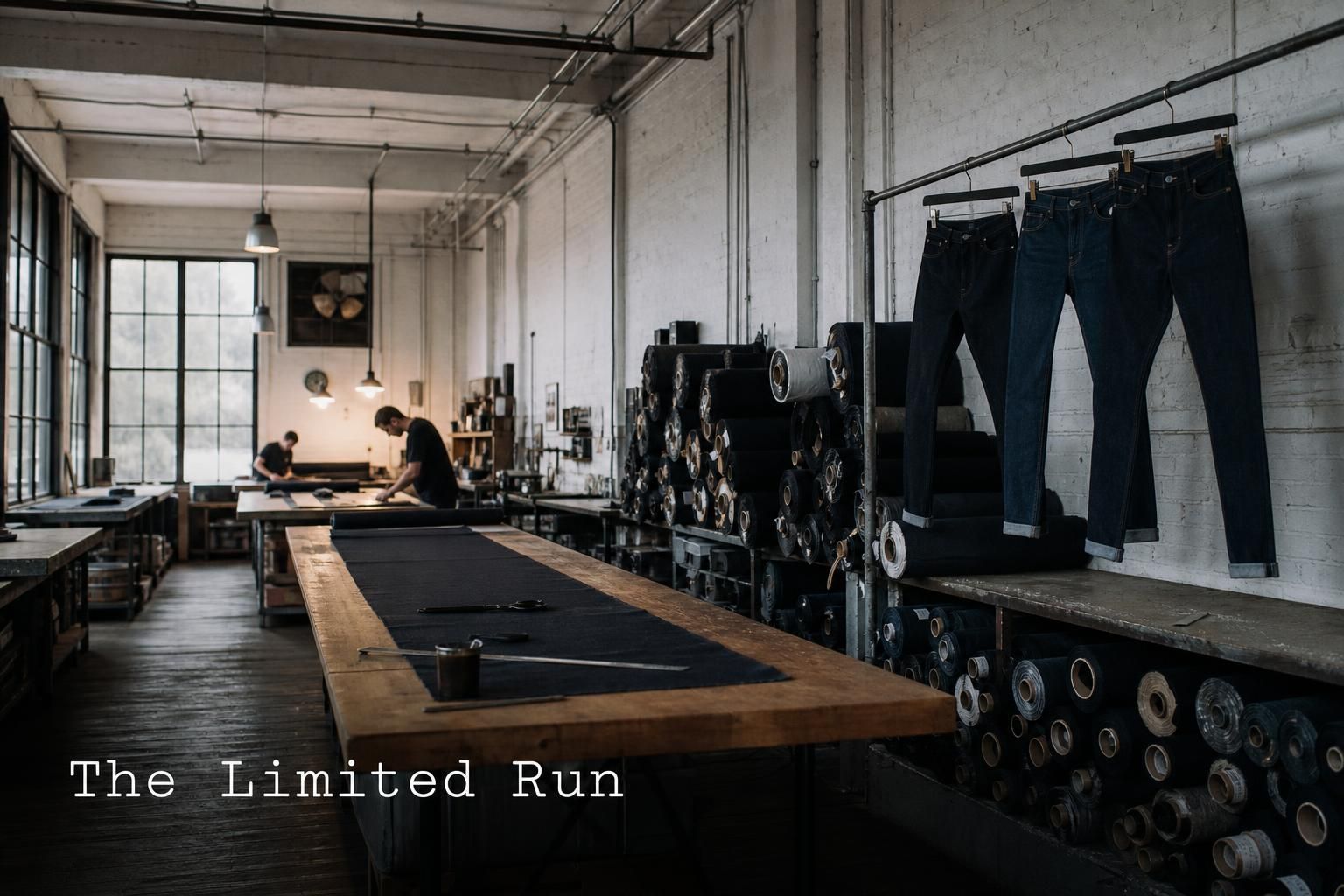
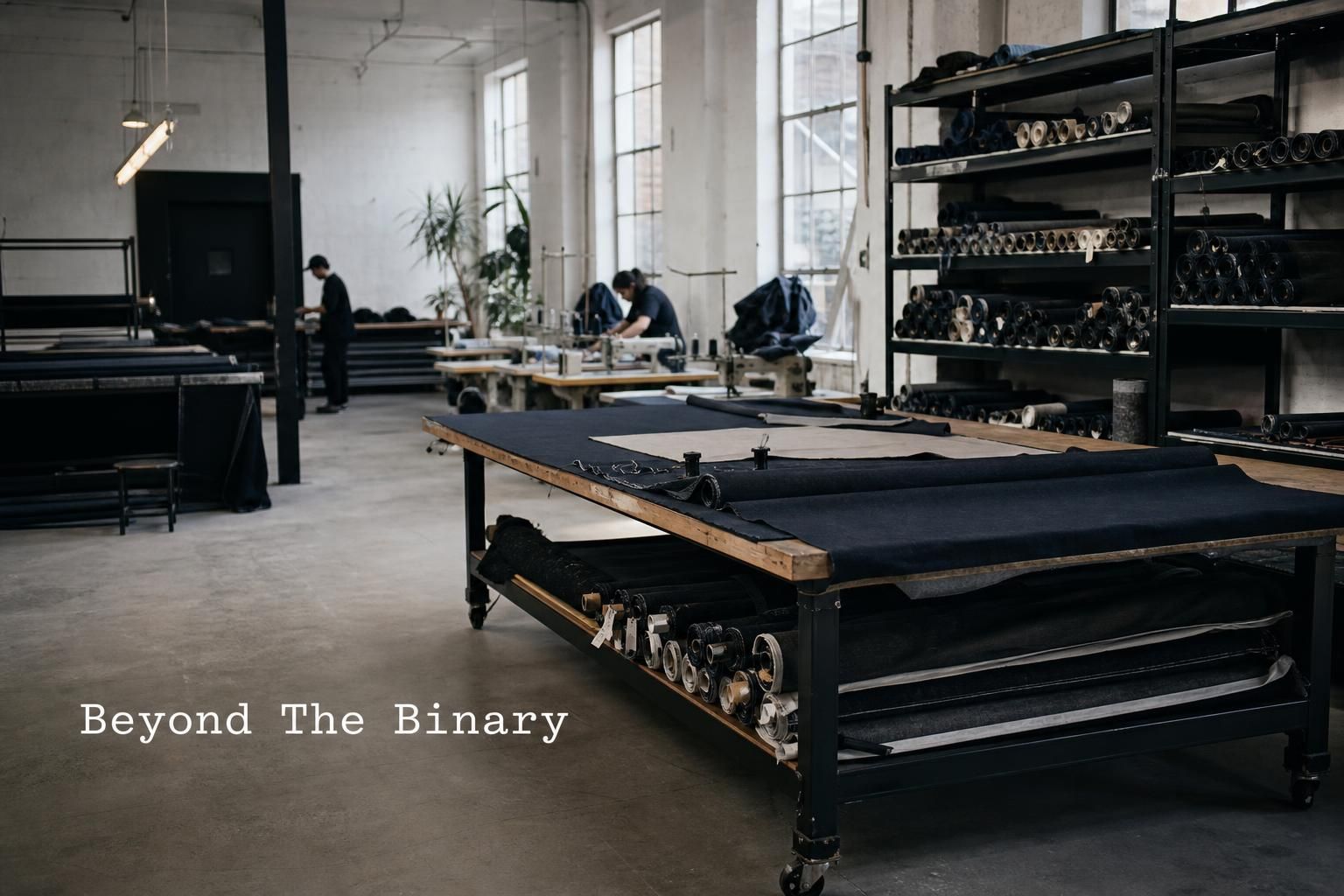
The process is usually straightforward, but it still takes design discipline. A brand sources existing denim, checks its quality, plans pattern cutting around the available yardage, and then produces a limited number of pairs. That means deadstock denim jeans often begin with the fabric rather than the marketing story. The design must work with what is available.
This can create smarter silhouettes and smaller waste streams. It can also lead to more interesting results, because the fabric itself shapes the final product. In practice, that is one reason many shoppers find deadstock denim jeans more distinctive than ordinary seasonal denim.
Why Brands Use Deadstock Denim Jeans
Brands use deadstock denim jeans because the fabric is already in circulation, which can reduce pressure to order more virgin material. It also supports smaller, more controlled production. For independent labels, that can be a practical way to make special pieces without overcommitting to huge stock levels.
There is also a creative reason. Deadstock fabric can come with unusual washes, weights, or finishes that are no longer easy to source. As a result, designers can build limited-run denim with a character that feels rare rather than repetitive. That is especially useful when a brand wants garments that sit comfortably in a gender-fluid wardrobe, where fit and feel matter as much as category.
Brands also like deadstock denim jeans because the fabric can support a clearer story. Customers are increasingly curious about provenance, and they want to know what makes a garment different. A transparent explanation can build trust, especially when it is paired with honest product information and care guidance. For more context on Olivia Black’s approach, the about page explains the studio’s wider sustainability values, while the deadstock fabric clothing guide explores the logic behind limited-run materials.
Still, deadstock denim jeans are not automatically better than every other option. If a brand uses deadstock but produces too much, cuts quality corners, or avoids fit testing, the fabric choice alone will not save the product. Therefore, the strongest deadstock pieces pair responsible sourcing with thoughtful design and durable construction.
For shoppers, that is the real test. Ask whether the jeans are made to last, whether the fit is considered, and whether the brand can explain the fabric’s origin. If the answers are clear, deadstock denim jeans can be a genuinely useful part of a lower-impact wardrobe.
Is Deadstock Denim Jeans Sustainable?
Deadstock denim jeans can be more sustainable than making the same jeans from newly produced fabric. They reuse existing material, which can help avoid adding demand for more fabric production. However, they are only part of the sustainability picture.
The most honest answer is that deadstock denim jeans are a lower-waste option, not a perfect one. Their value depends on the whole process: sourcing, cutting efficiency, garment quality, transport, and how long the jeans stay in use. That is why responsible brands tend to talk about deadstock with nuance instead of hype.
A useful comparison comes from industry practice. For example, some denim specialists, such as the deadstock denim overview from Nudie Jeans, frame deadstock as a way to work with existing resources rather than treating it as a cure-all. Similarly, archive-led collections like designer deadstock denim fabric collections show how surplus cloth can be repurposed into new products with less material demand than starting from scratch.
In practice, deadstock denim jeans make the most sense when they are: well made, truly limited, and intended for repeated wear. They are especially compelling when they replace impulse buys. A pair worn often for years usually does more good than a supposedly greener garment that sits unworn in a cupboard.
So, yes, deadstock denim jeans can support more responsible fashion. But the phrase should prompt questions, not blind trust. The best brands welcome that scrutiny because it helps buyers make informed choices.
Benefits
The biggest benefit is that deadstock denim jeans use existing fabric. That can reduce the need for new material and help keep surplus cloth in use.
They also work well for limited-run collections. Because the fabric supply is finite, the resulting jeans often feel special, which can encourage buyers to choose more carefully and wear them more often.
Limitations
Deadstock does not erase the impact of denim production. The fabric was still manufactured at some point, and the jeans still need cutting, sewing, packing, and shipping.
Another limitation is inconsistency. Deadstock lots can vary, so brands may only be able to offer small runs or limited size ranges unless they plan carefully.
Questions to ask brands
Ask where the fabric came from, how many pairs were made, and whether the brand prioritised durability.
You can also ask how the fit was developed. A better fit usually means longer wear, and longer wear is one of the most practical forms of sustainability.
Deadstock Denim Jeans vs Recycled Denim vs Organic Denim
Deadstock denim jeans are not the same as recycled denim or organic denim. Each has a different environmental logic, and each suits a different buying goal.
Deadstock denim jeans use fabric that already exists but has not yet been turned into garments. Recycled denim is made from pre- or post-consumer denim that has been broken down and reprocessed. Organic denim starts with cotton grown under certified organic farming standards, then moves through a conventional or adapted manufacturing process.
That distinction matters because people often assume all “sustainable denim” works the same way. It does not. Deadstock denim jeans can be a strong choice when a brand wants to avoid placing new orders for fabric. Recycled denim can be useful when a design needs a material with recycled content. Organic denim may appeal to shoppers who want to focus on farming practices and fibre origin.
If you are shopping for specific silhouettes, this is where product context helps. Olivia Black’s gender neutral jeans guide is useful if you care about fit over category, while sustainable denim in the UK shows how limited-run denim can be positioned for real wardrobes rather than abstract ideals.
The best choice depends on what you value most. If waste reduction through reuse is your priority, deadstock denim jeans make strong sense. If circularity is your main concern, recycled denim may be more relevant. If fibre origin matters most, organic denim may be your preference. Many informed shoppers compare all three before buying.
In other words, deadstock denim jeans are one good answer, not the only answer. That is a healthier way to think about sustainable fashion, and it leads to better choices.
How Olivia Black Approaches Limited-Run Deadstock Denim Jeans
Olivia Black treats deadstock denim jeans as a design opportunity, not just a sustainability label. The focus is on expressive, wearable denim that feels considered from first cut to final finish.
That approach starts with limited-run production. Instead of chasing endless restocks, Olivia Black builds around available fabric and purposeful design. This keeps the collection tighter and helps each pair feel more intentional. It also suits gender-fluid dressing, because the goal is not to force bodies into fixed categories. It is to create denim that can move with the wearer.
If you want a practical example, look at Weaver Jeans and the related deadstock denim jeans page. Together, they show how deadstock can be translated into a garment that is both stylish and easy to understand. The same philosophy carries through the wider sustainable clothing UK collection, where limited runs and clearer material choices help reduce the feeling of disposable fashion.
This matters because deadstock denim jeans should never feel like a compromise. They should feel like design with constraints, which often produces better results. Constraints can sharpen silhouette, improve decision-making, and keep the collection focused. Meanwhile, buyers benefit from knowing the jeans were made with a clear point of view.
For a visual contrast between archival deadstock and newer limited-run thinking, it can help to watch a vintage example like
and then compare it with a modern collection approach such as
. The first shows what true deadstock denim jeans can look like in a vintage context. The second shows how archived fabric can become a fresh release without losing its specialness.
That mix of education and practicality is the point. Deadstock denim jeans work best when they are treated as real clothes first, and sustainability proof second.
How to Care for Deadstock Denim Jeans
Deadstock denim jeans last longer when you wash them less often, dry them gently, and repair them early. Good care protects the fabric, the fit, and the character of the denim.
Because deadstock denim jeans are often part of a small run, it is worth treating them as long-term pieces. Start by checking the care label. Then wash only when needed, turn the jeans inside out, and use cool water if the label allows it. Air drying is usually kinder than high heat. As a result, the denim keeps its structure for longer.
You should also store deadstock denim jeans with room to breathe. Avoid overstuffing drawers, which can crease fabric unnecessarily. If the jeans stretch or soften over time, that is normal. Denim often improves with wear, especially when the cut is well thought out. For more wardrobe-minded advice, the slow fashion London guide and the luxury sustainable fashion page both reinforce the idea that care is part of design, not an afterthought.
A repair mindset matters too. Small fixes, like reinforcing a hem or mending a seam, can extend life far more than replacing the jeans early. Therefore, the most sustainable deadstock denim jeans are often the ones you keep, not the ones you keep shopping for.
If you buy limited-run denim, plan your wardrobe around it. Wear it with shirts, jackets, and footwear you already love. That makes deadstock denim jeans easier to integrate into daily life, which is exactly what helps them earn their place.
What Should You Know Before Buying Deadstock Denim Jeans?
Before buying deadstock denim jeans, check the fabric story, the fit, and the construction. Those three details tell you far more than the label alone.
First, ask what makes the fabric deadstock. Was it surplus from a mill? Leftover from another brand? An archive roll that was never used? The answer helps you understand the true context. Second, look at fit. Denim only becomes sustainable when you want to wear it often. Third, examine construction details such as seams, hardware, and finishing. Strong build quality usually signals a better long-term purchase.
It is also smart to ask whether the brand offers styling support or fit guidance. That is especially useful if you want clothing that works across gender expression. If you are building a more fluid wardrobe, pieces like gender fluid fashion edits or a well-made denim jacket can help you create more outfits from fewer items.
Finally, think about your wardrobe, not just the product page. Deadstock denim jeans are most valuable when they solve a real need: better fit, stronger style, or a more deliberate buy. If the jeans match all three, they are far more likely to become a staple rather than a novelty.
That is the real reason they matter. Deadstock denim jeans are not only about using leftover fabric. They are about making better choices with the fabric we already have.
Key Takeaways
- Deadstock denim jeans are made from existing denim fabric that had not yet been used in production.
- They can reduce waste and support limited-run design, but they are not automatically sustainable in every case.
- The best deadstock denim jeans combine transparent sourcing, durable construction, and a fit people want to wear often.
- Deadstock, recycled, and organic denim each solve different problems, so shoppers should compare them by goal.
- Olivia Black uses deadstock denim jeans as part of a broader approach to expressive, gender-fluid, limited-run fashion.
Frequently Asked Questions
What does deadstock denim mean?
Deadstock denim means denim fabric that was produced but never used. In deadstock denim jeans, that existing fabric is cut into new garments instead of being left in storage or discarded. The term can also be used for unworn vintage stock, so it is worth asking brands what kind of deadstock they mean.
What are the big 3 denim brands?
There is no official global list of the “big 3” denim brands. People usually mean the most famous heritage names in denim history, but the exact answer depends on context, region, and era. If you are shopping deadstock denim jeans, the better question is whether the brand can explain fabric origin, fit, and construction clearly.
What are those 2000s jeans called?
People often call them low-rise jeans, bootcut jeans, or flared jeans, depending on the silhouette. The early 2000s also brought baggy and distressed styles back into mainstream fashion. Deadstock denim jeans can sometimes echo those shapes, but the exact look depends on the cut and finish.
What are the hottest jeans right now?
The hottest jeans right now are usually the ones that fit well, feel versatile, and suit the wearer’s style. Wide-leg, straight-leg, relaxed, and vintage-inspired cuts remain popular, especially when they are made with better materials or in limited runs. Deadstock denim jeans fit that mood because they combine rarity with wearability.
Are deadstock denim jeans better than recycled denim?
Not always. Deadstock denim jeans are better when your goal is to use existing fabric with minimal extra processing, while recycled denim is better when you want reclaimed fibre content. The right choice depends on the fabric story, the garment quality, and how often you will wear the jeans.