Sustainable Denim Jeans: Limited-Run Designer Denim by Olivia Black
Quick Answer
Sustainable denim jeans are jeans made with lower-waste materials, responsible production, and a focus on longer wear. Olivia Black’s Weaver Jeans are sustainable denim jeans designed in limited runs from existing fabric, so you get distinctive designer denim with less excess and more longevity.
Sustainable denim jeans should do more than look good for one season. They should feel considered, wear beautifully, and fit into a slower wardrobe. That is the idea behind Olivia Black’s Weaver Jeans: sustainable denim jeans made in limited runs for people who want designer character, practical durability, and a more thoughtful materials story. If you are comparing options, start with the product itself, then look at how it is made, how often it is repeated, and how long it will stay in rotation. For a closer look at the full design approach, explore Sustainable Designer Clothing Made in Limited Runs or go straight to the Weaver Jeans page. This landing page explains the fabric logic, the small-batch model, the styling potential, and the care habits that help sustainable denim jeans last. It is concise by design, because the best buying decision is usually the clearest one.
Sustainable Denim Jeans Made in Limited Runs
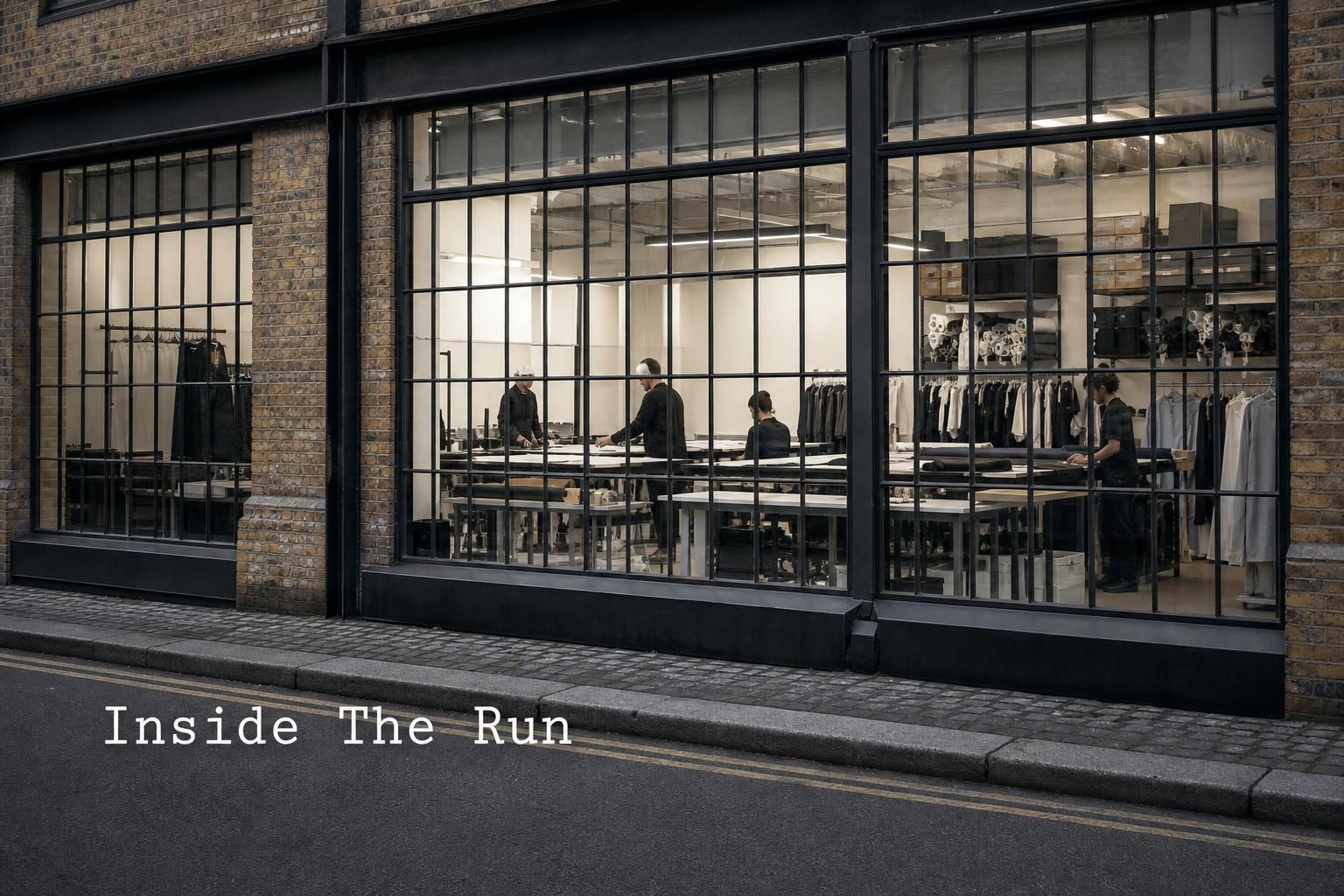
Sustainable denim jeans are strongest when the design, fabric, and production model all support each other. Weaver Jeans follow that idea with a limited-run approach, so the pair you buy is part of a smaller, more deliberate release rather than a mass-made cycle.
That matters for shoppers who want designer denim with more personality and less waste. It also means the jeans are easier to position as a long-term wardrobe piece. Olivia Black’s wider world of limited pieces is explored on the Limited-Run Fashion London page, while the brand’s design ethos is outlined on the About page.
If you are researching broader denim context, it helps to compare approaches. Some brands highlight recycled or organic fibres, while others focus on upcycling, circular systems, or low-impact production. For example, you can read about ELV Denim’s upcycled luxury denim approach or Ethical Consumer’s ethical jeans guide for a broader market view. Those references are useful because they show how varied sustainable denim jeans can be.
Weaver Jeans are for shoppers who want a statement piece that still works hard. They suit a slower wardrobe, a gender-fluid wardrobe, and a fashion buyer who values finish as much as ethics. Just as importantly, they are designed to be worn often. That is the real test of sustainable denim jeans.
Why limited runs matter
Limited runs keep the product focused. They reduce the pressure to overproduce, and they make each pair feel more intentional. For sustainable denim jeans, that usually means fewer leftovers and a stronger sense of ownership.
It also supports better styling decisions. When a jean is made in a smaller release, it often becomes part of a clearer design story. That makes the pair easier to build around and easier to keep wearing.
What the buyer gets
You get sustainable denim jeans with a designer point of view. You also get a garment that feels considered, not generic. That combination is useful when you want denim that can move between daily wear, travel, and dressed-up looks.
The Weaver Jeans
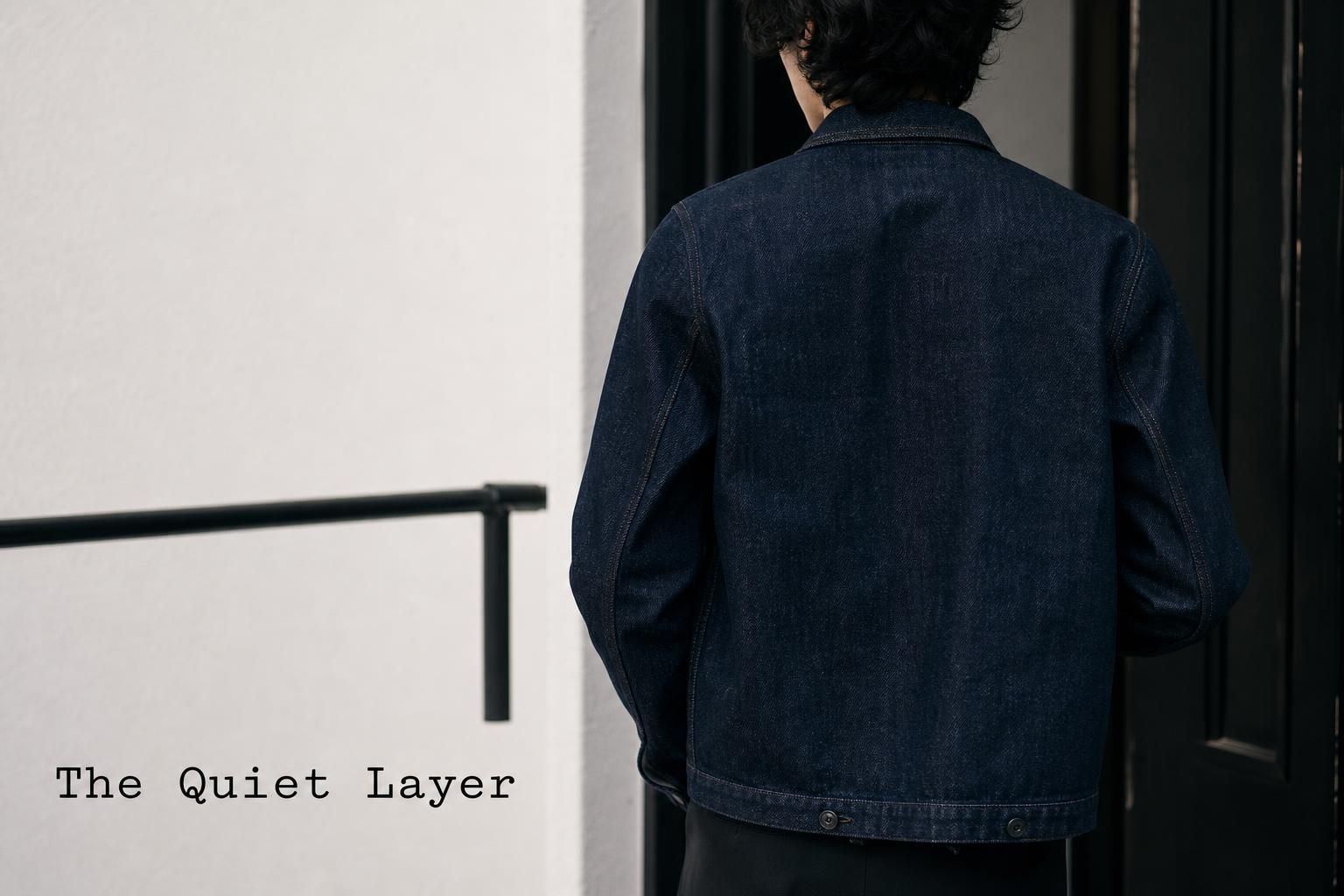
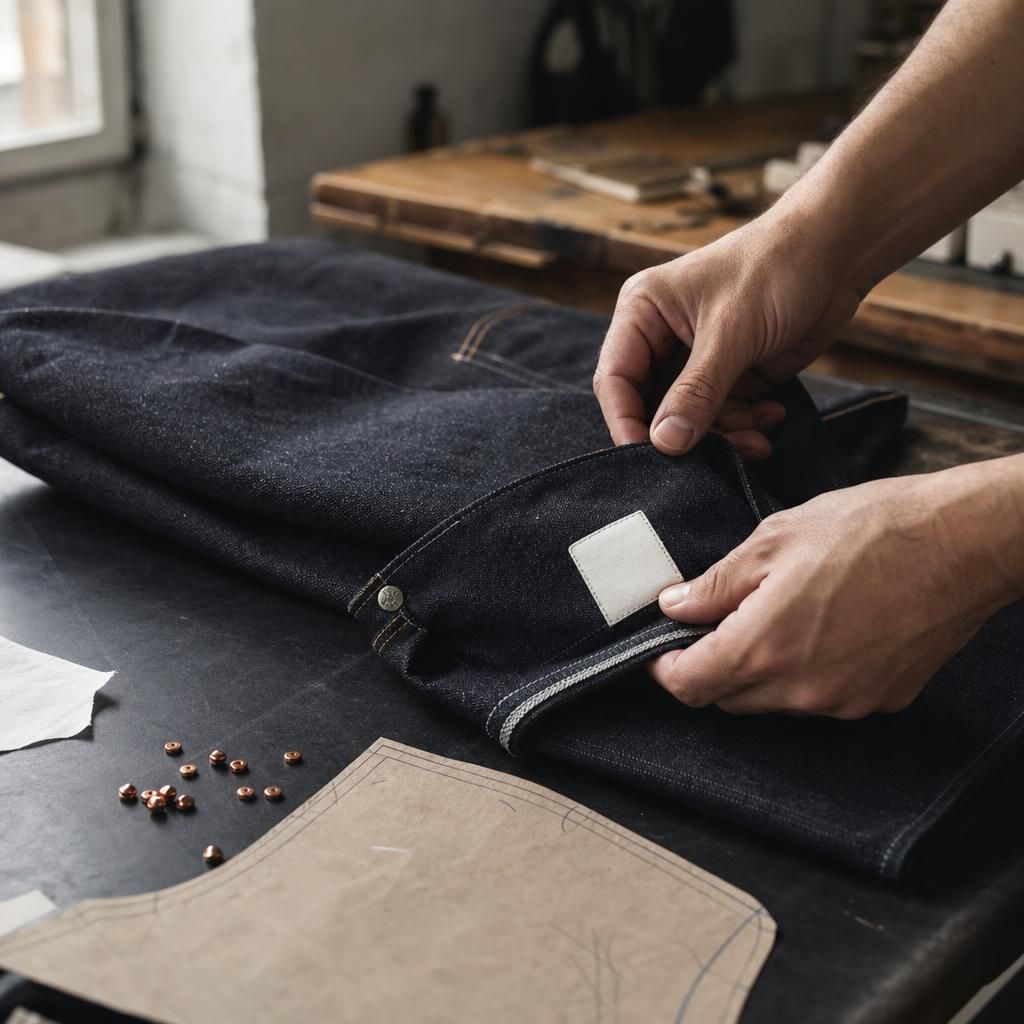
The Weaver Jeans are Olivia Black’s signature answer to sustainable denim jeans. They are designed as limited-run designer denim, with the kind of shape and finish that can sit in a wardrobe for years instead of months.
These jeans matter because they are not treated as a basic afterthought. They are a core piece. That makes them especially useful if you want one dependable pair that can handle trainers, boots, tailoring, or a softer top layer. If you prefer denim worn with a matching outer layer, the Weaver Denim Jacket is a strong companion piece.
The brand also explores related ideas across its collection, from the What Is Gender Fluid Clothing? guide to the Sustainable Denim in the UK page. That context matters because sustainable denim jeans should work for the body you have and the style you want, not a narrow category.
The appeal of Weaver Jeans is simple. They offer a distinctive design, a slower production rhythm, and an easy path into repeat wear. That combination is what many people want when they search for sustainable denim jeans. They are not just looking for a label. They are looking for a pair that earns its place.
Better use of existing materials
Using existing fabric is one of the most practical ways to make sustainable denim jeans. It keeps usable material in circulation and gives each run a more defined boundary.
For the buyer, that can also mean a more distinctive final product. Existing fabric often creates small differences between batches, which adds character and supports a more limited aesthetic.
Designed for repetition
The Weaver Jeans are built for repeat wear, which is central to sustainable denim jeans. If a pair works across outfits and seasons, it earns far more value than a trend-led jean.
That is why styling flexibility matters so much. Good denim should adapt. It should not demand a whole new wardrobe.
What Makes Sustainable Denim Jeans More Sustainable?
Sustainable denim jeans are more sustainable when they reduce waste, last longer, and are made in a way that respects the limits of the material. In practice, that usually means using existing or lower-impact fabric, designing for wear, and keeping production small enough to avoid unnecessary excess.
You can see similar thinking across the market. Some brands prioritise recycled content, while others focus on circularity or lower-water processes. For example, AND/OR’s sustainable denim guide and Lee’s Indigood denim information show how the category is evolving. However, material choice alone is not enough. Longevity and use matter just as much.
For Olivia Black, sustainable denim jeans are part of a wider approach to gender-fluid, limited-run design. That means the jeans should feel useful, wearable, and distinct. They should also be easy to style with other pieces from the brand, including the Maglen Dress and the Feather Trouser for a mixed wardrobe built around texture and shape.
If you are shopping with purpose, ask three things: what is the fabric, how was it produced, and will I wear it often? Those questions usually reveal whether a pair of jeans is genuinely sustainable or just described that way.
Longer garment lifespan
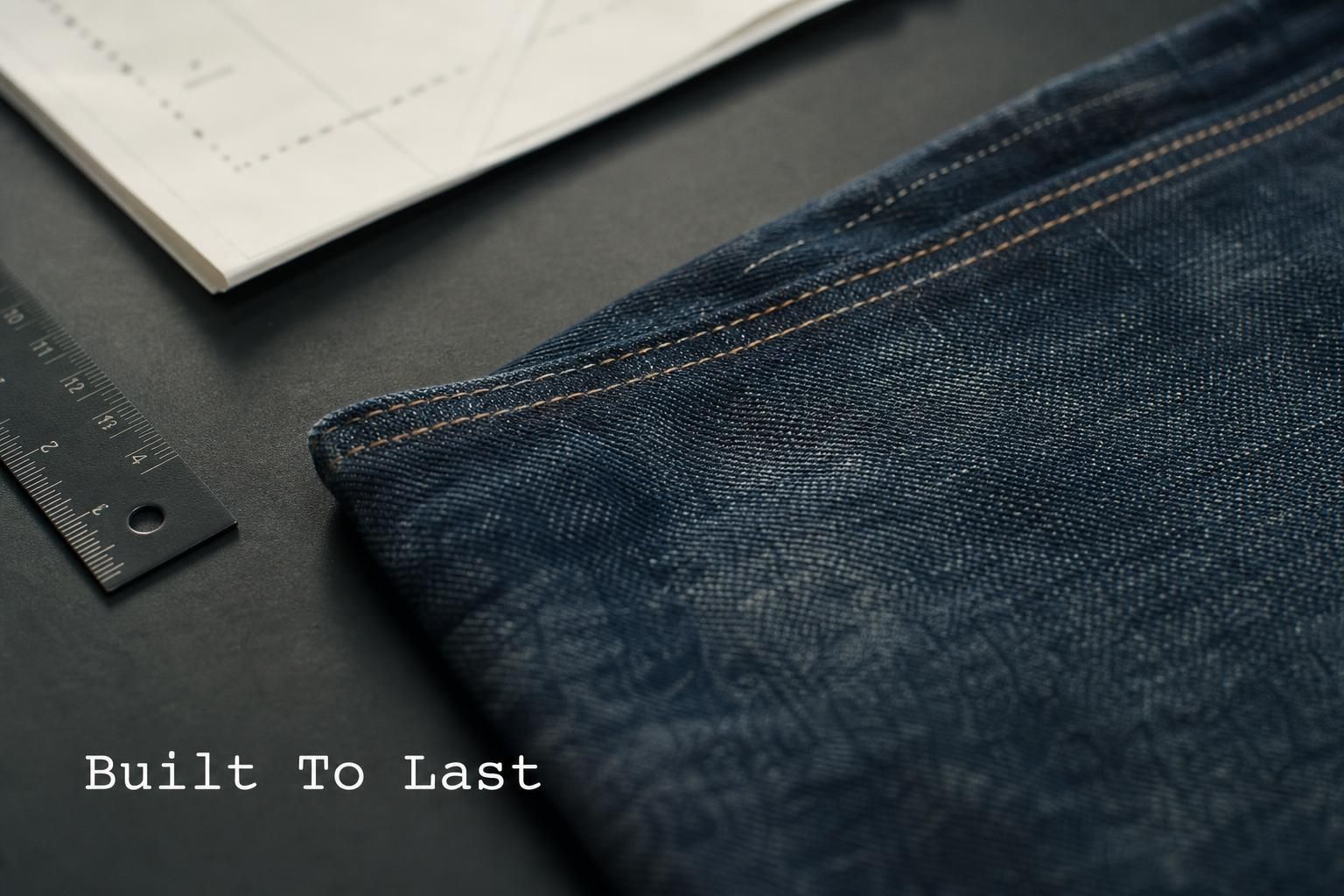
The most sustainable denim jeans are the ones you keep wearing. Durability is not only about the fabric. It is also about cut, construction, and whether the jeans still feel relevant after the first season.
A longer lifespan lowers the need to replace the same item again and again. That is why timeless design is a sustainability feature, not just a style preference.
Small-batch production
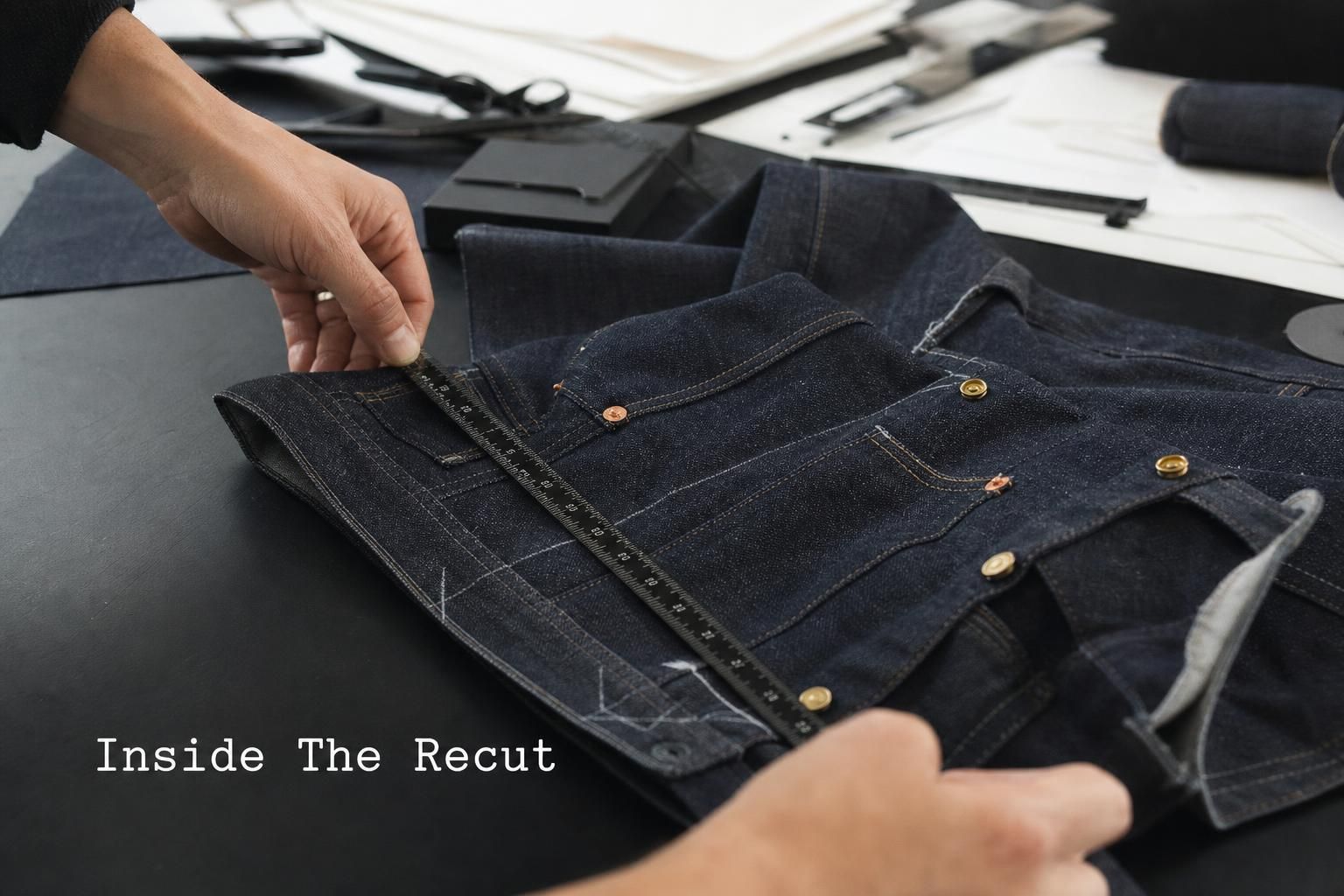
Small-batch production helps reduce overstock and keeps the collection focused. For sustainable denim jeans, this can be a real advantage because denim is often overproduced in generic fits and repeat colours.
A smaller run also supports stronger curation. It tells the buyer the piece was made with purpose.
How to Style Sustainable Denim Jeans
Sustainable denim jeans are easiest to wear when they are styled as a foundation piece. Weaver Jeans work well with sharp tops, relaxed knitwear, and structured layers, because the denim can hold its own without needing extra embellishment.
For a clean everyday look, pair them with a simple shirt and a boot or trainer. For evening, add a fitted layer or a sharper jacket. If you want a more directional silhouette, use volume elsewhere and let the jeans anchor the outfit. The wider brand collection supports that approach, especially if you want to explore gender-neutral fashion or the Gender-Fluid Jeans guide.
This is where sustainable denim jeans become especially useful. They do not need to be styled as “eco” pieces. They need to work. That means the jeans should move between casual and elevated looks with minimal effort. You can also build a stronger capsule by pairing denim with other limited-run garments that share the same design language.
If you want a visual reference on ethical denim styling and brand approaches, this overview from No Kill Mag’s sustainable denim guide is a useful starting point. Then return to your own wardrobe and choose outfits you will actually repeat.
For casual wear
Use a tee, overshirt, or knit and keep the rest simple. Sustainable denim jeans work best when they are allowed to become the anchor.
That makes them easier to wear often. It also helps avoid the trap of overcomplicating a piece that already has enough presence.
For smarter looks
Add tailoring, leather, or a more polished shoe. Sustainable denim jeans can look refined when the proportions are deliberate.
The goal is balance. Let the denim feel relaxed, but keep the styling precise.
Care Guide for Longer-Lasting Jeans
Care is what turns sustainable denim jeans from a good purchase into a lasting one. Wash less often, air them out between wears, and treat stains quickly instead of laundering the whole garment unnecessarily.
This is where many shoppers accidentally shorten the life of good denim. Frequent washing can fade colour, stress fibres, and change the fit sooner than expected. Instead, spot clean when you can, follow the care label, and store jeans folded or hung in a way that keeps their shape.
If the jeans need refreshing, use a gentle cycle and avoid harsh heat in the dryer. Heat is one of denim’s biggest enemies. It can shrink, twist, or stiffen the fabric over time. Careful handling supports the same slow-fashion idea behind Olivia Black’s wider work, including the Slow Fashion Clothing guide and the Sustainable Fashion Designers in London page.
Sustainable denim jeans only stay sustainable if they stay in use. That is why care matters as much as purchase. A pair that lasts longer gives you better value, better wear, and a more grounded wardrobe.
Wash less, wear more
This is the simplest rule for sustainable denim jeans. You do not need to wash every time you wear them.
Instead, aim for the middle ground. Air them out, refresh them, and wash only when they truly need it.
Protect the shape
Denim lasts longer when you handle it gently. Avoid excessive heat, rough drying, and unnecessary stress on seams.
Good care keeps the fit intact. That is especially important for limited-run denim, where the original cut is part of the appeal.
FAQs About Sustainable Denim Jeans
Sustainable denim jeans prompt a lot of practical questions, especially when shoppers are comparing brands. The answers below focus on what matters most: materials, safety, and how to choose well.
If you want a broader brand overview before buying, you can also watch Lucielle Salomon’s video, which gives a quick tour of several ethical denim labels:
For a deeper look at circular denim and brand-level sustainability claims, this breakdown from The Underswell is useful:
Key Takeaways
- Sustainable denim jeans work best when materials, production, and longevity all support the same goal.
- Weaver Jeans are a limited-run designer denim option made for slower wardrobes and repeat wear.
- The smartest denim purchase is the pair you will style often and care for well.
- Small-batch production helps reduce excess and makes the garment feel more intentional.
- For shoppers comparing brands, product-level transparency matters more than broad sustainability claims.
Frequently Asked Questions
What are the most sustainable denim brands?
The most sustainable denim brands usually combine responsible materials, limited production, and strong durability. Some focus on recycled or organic fibres, while others use deadstock, upcycled fabric, or circular business models. The best choice depends on how well the jeans are made, how often you will wear them, and whether the brand is clear about its process. Sustainable denim jeans should feel useful, not just well marketed.
Are Levi jeans sustainable?
Some Levi jeans are made with more responsible materials or lower-impact initiatives, but sustainability varies by product. The smartest approach is to check the specific jean, not the logo alone. Look for fibre content, production details, and care guidance. In other words, one pair may be more considered than another, so sustainable denim jeans should always be judged at product level.
What is the most eco-friendly clothing brand?
There is no single most eco-friendly clothing brand for every shopper. The best brand depends on what you value most: lower waste, circularity, local production, natural fibres, or made-to-last design. For many buyers, the most responsible choice is the piece they will wear the longest. That is why sustainable denim jeans are often a strong place to start.
Are there non-toxic jeans?
Yes, some jeans are made with fewer harsh chemicals and more careful material choices. However, non-toxic claims should be read carefully, because the denim supply chain can be complex. Look for transparent material information, safer dye or wash processes where explained, and brands that are specific about what they do and do not claim. Sustainable denim jeans are strongest when the brand is clear rather than vague.