Gender-Fluid Dresses: How to Style Dresses Beyond Gender
Quick Answer
Gender fluid dresses are dresses styled as expressive garments for any body or identity, not just one gender. The best approach is to choose fit, fabric, and silhouette first, then add tailoring, layering, and accessories that match your comfort, mood, and setting.
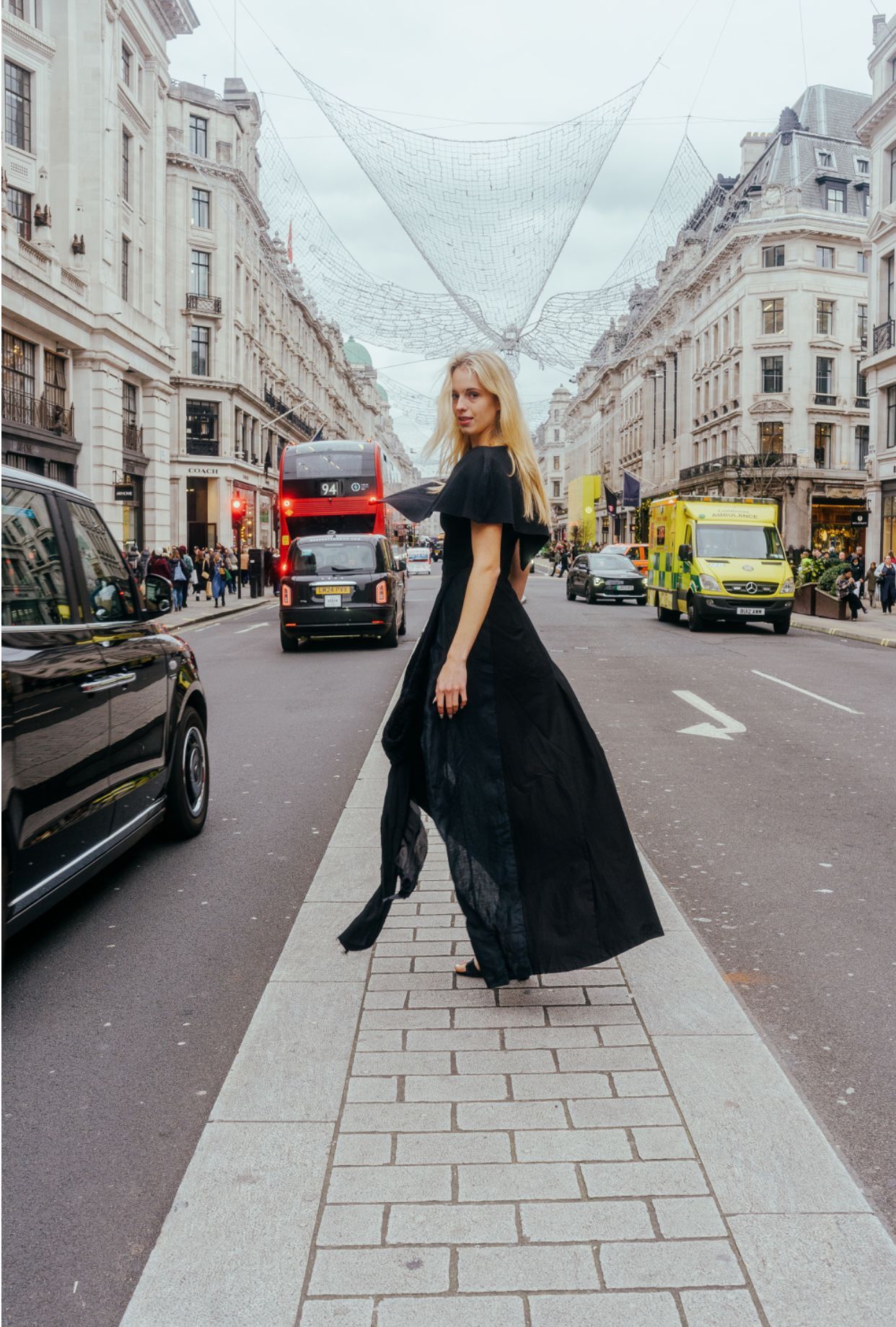
Gender fluid dresses are not about dressing for a label. They are about using shape, fabric, and styling to express who you are on a given day. That is why they work so well for people who want comfort, confidence, and freedom at the same time. A dress can be soft, sharp, oversized, structured, or minimal. It can read elegant one day and androgynous the next. In other words, gender fluid dresses let the garment do the work while you decide the meaning. If you want more context on the brand’s approach to inclusive style, start with gender-fluid clothing and explore how Olivia Black Studio builds pieces for fluid dressing. This guide focuses on practical styling, fit, and shopping advice for people in the UK and London who want dresses that feel authentic, sustainable, and easy to wear beyond the binary.
Gender-Fluid Dresses for Every Kind of Expression
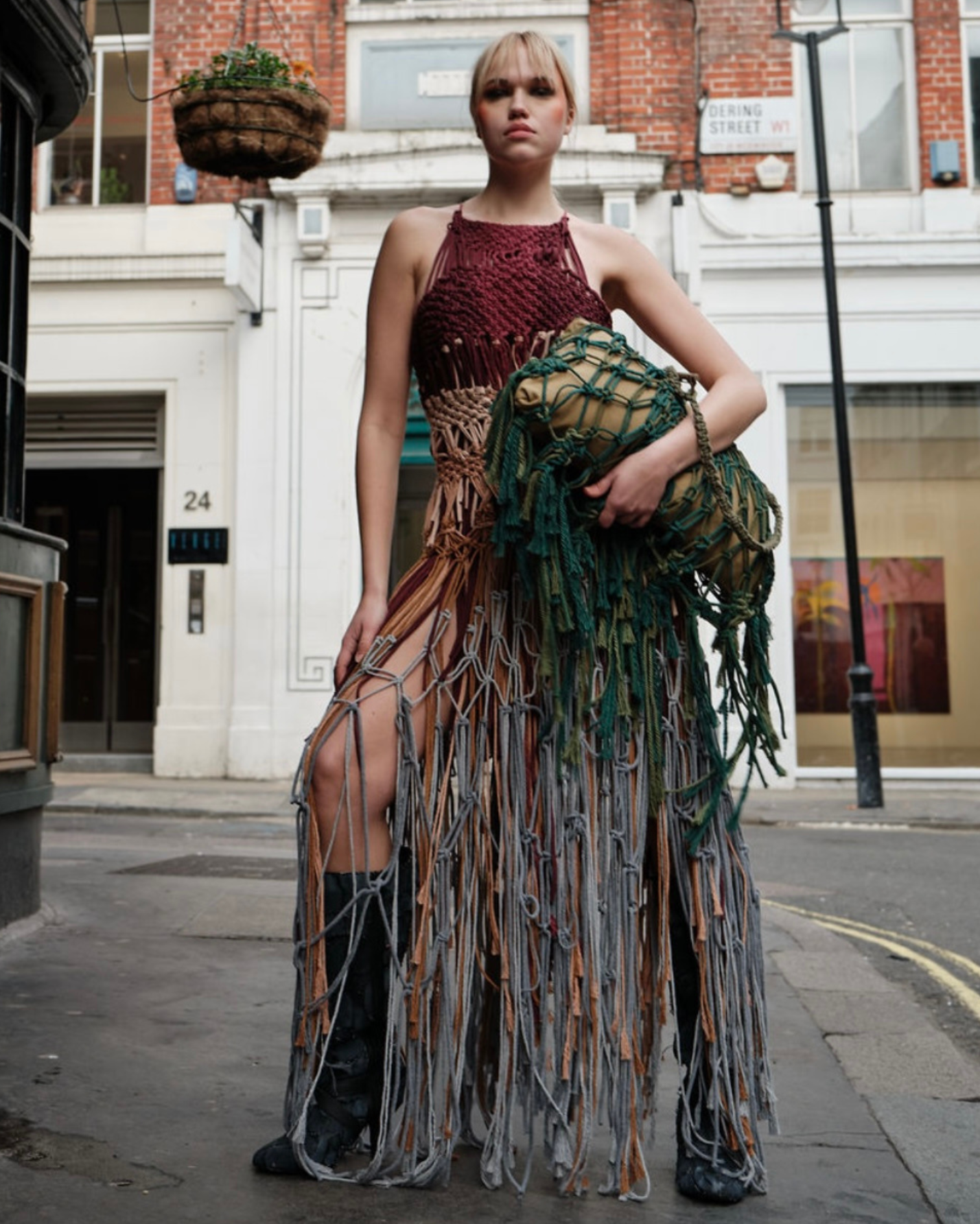
Gender fluid dresses can look bold, soft, romantic, tailored, or deliberately ambiguous. The right dress is the one that supports your expression, not the one that matches a rulebook.
This is why gender fluid dresses work for so many style goals. They can flatten, sculpt, drape, frame, or flow depending on cut and styling. For some people, that means a sleek longline dress with boots. For others, it means a relaxed midi with a jacket and strong accessories. If you want a deeper definition of the category, Olivia Black Studio’s guide on gender fluid clothing meaning explains how clothing becomes fluid when styling, fit, and identity are allowed to shift together.
Gender fluid dresses also make sense commercially because they solve a real styling problem. Many shoppers want one piece that can move between dinner, gallery visits, parties, and everyday wear. A versatile dress does that when the fabric, cut, and finish are considered carefully. That is also why the look matters in a sustainable wardrobe. One well-made dress can do the job of several trend-led items.
If you like to see how these ideas translate into collections, the lookbook is useful because it shows how silhouettes change once accessories, layering, and posture enter the picture. Meanwhile, shoppers who want to buy directly can browse the shop for pieces that feel more directional than mass-market alternatives.
For visual inspiration beyond editorial styling, you can also compare how different communities interpret the same silhouette in GenderFluid "Dresses" and in the brand’s own creative references. The key lesson is simple: gender fluid dresses are not a category for one body type or one identity. They are a styling framework for freedom.
What is the difference between a dress and gender-fluid styling?
A dress becomes gender-fluid through intention, fit, and styling. The same garment can feel feminine, masculine, neutral, or fully personal depending on how it is worn.
That shift matters because many people do not want a new uniform. They want options. Gender fluid dresses allow the wearer to decide whether the look should soften the body, sharpen the lines, or sit somewhere in between. Therefore, the styling choice often matters more than the label on the rail.
A flowing sleeve, a boxy layer, a leather boot, or a clean neckline can completely change the read of the outfit. As a result, one dress can cover several style moods without losing its identity.
What Makes Gender Fluid Dresses Feel Right on the Body?
Gender fluid dresses feel right when comfort, proportion, and movement are aligned. The best dress should let you breathe, sit, walk, and shift without constant adjusting.
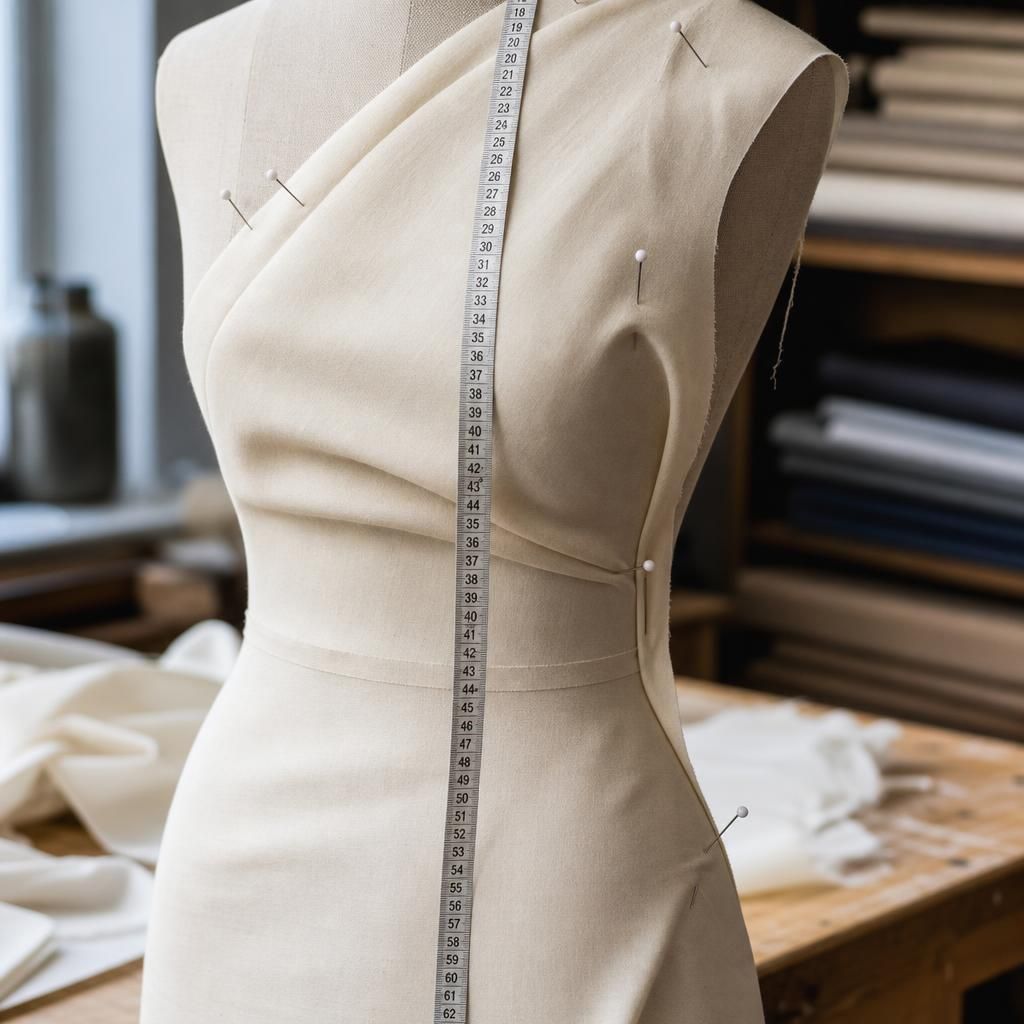
Fit is the first test for gender fluid dresses. A style can be inclusive in concept, yet still fail if the shoulders pull, the waist sits badly, or the hem feels awkward. That is why it helps to look at construction before trend. Bias cuts, adjustable waists, wrap shapes, and fluid fabrics often work well because they move with the body. By contrast, stiff fits can look beautiful but feel restrictive.
Fabric matters too. Soft jersey, crepe, viscose blends, and structured cotton all create different effects. A heavier fabric can give presence. A lighter one can create movement. Moreover, the right textile can make a dress easier to re-style across seasons, which supports sustainable buying decisions.
For shoppers in London and across the UK, Olivia Black Studio’s sustainable fashion London guide is a useful companion piece. It shows how independent design can support both expression and lower-impact shopping. If you want to see how the brand approaches fluid silhouettes in a broader wardrobe, the gender-fluid fashion page adds more context.
In practical terms, gender fluid dresses should answer three questions:
- Does the silhouette feel intentional?
- Can I move comfortably in it?
- Does it still feel like me after I add layers?
If the answer is yes, the dress is doing its job.
How does a gender fluid person dress?
A gender fluid person dresses by choosing what feels right in the moment. That may mean changing silhouettes, styling direction, or level of contrast from day to day.
Some days, that looks polished and tailored. Other days, it feels loose, soft, or experimental. There is no fixed formula, which is exactly why gender fluid dresses can be such a strong choice. They give room for identity to move without requiring a complete wardrobe reset.
If you want a practical visual reference, the video "gender euphoric clothing for summer 🌤️💆🏻" by iris olympia is a helpful starting point. It shows how mood, texture, and lightness can shape an outfit, even when the pieces are simple.
How to Style Gender Fluid Dresses Beyond the Binary
The best styling for gender fluid dresses uses contrast. You can make a dress feel sharper, softer, more architectural, or more relaxed just by changing the layers and finishing touches.
This is where gender fluid dresses become especially versatile. A dress does not have to signal one gendered code. Instead, it can become a base for layered styling. That makes it easier to wear across different settings, from creative workdays to evening plans.
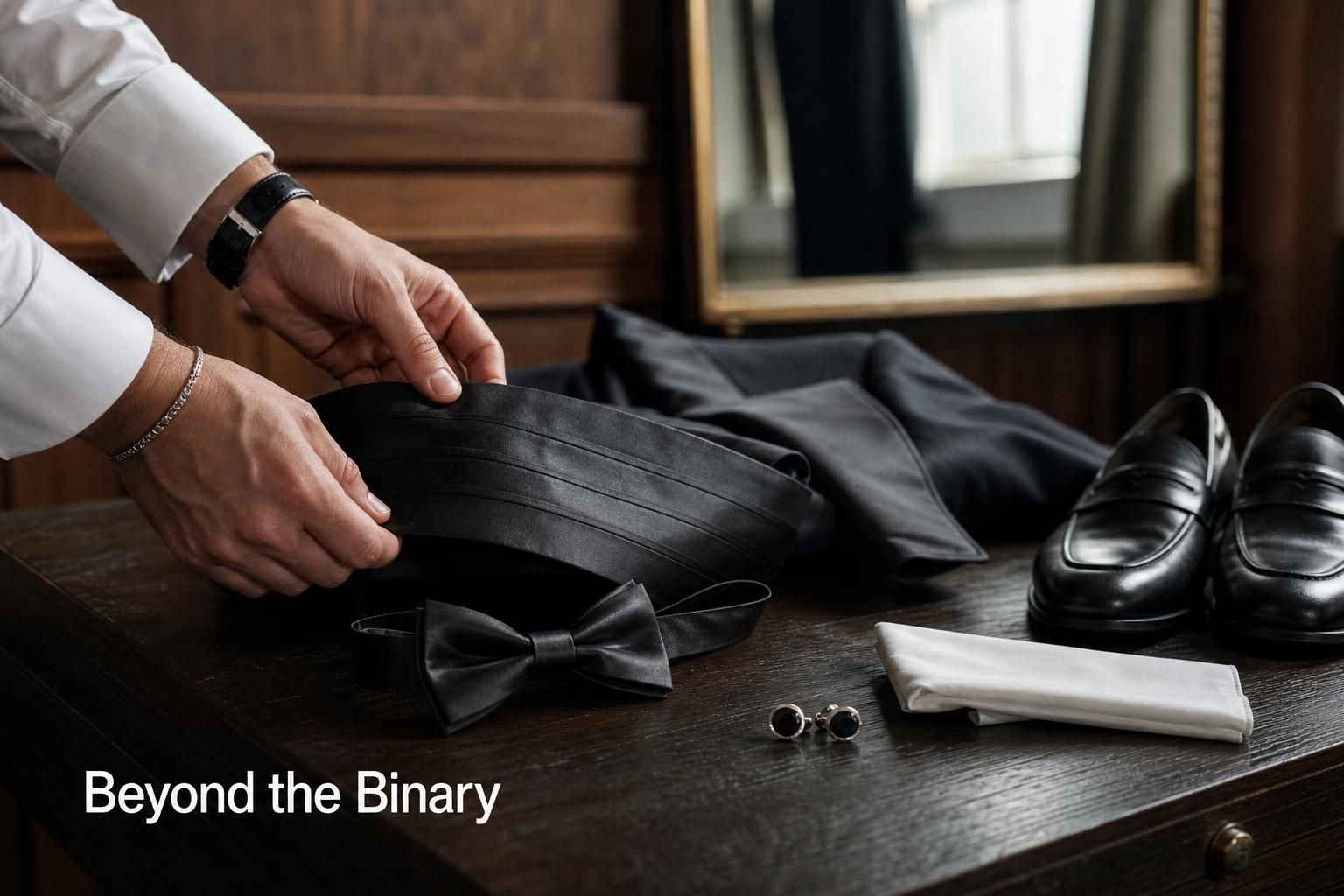
If you want a styling reference rooted in inclusive formal dressing, Olivia Black Studio’s gender-fluid formal wear page shows how occasion dressing can stay expressive without defaulting to menswear or womenswear cues. For a broader brand view, the ABOUT page also explains the studio’s design perspective.
The most effective styling moves are simple:
- Add structure to soften a flowing dress.
- Add softness to balance a sharp silhouette.
- Keep one element visually dominant.
- Repeat a colour or texture for cohesion.
That last point matters because styling should feel edited, not accidental. A strong outfit usually has one focal idea. In gender fluid dresses, that focal idea can be the line of the hem, the drama of a sleeve, the contrast of footwear, or the finish of the fabric.
For dress-specific inspiration, Emma Louise’s video "7 Summer Dresses for Every Crossdresser Crossdressing,Transgender & Gender Fluid Fashion" is useful for seeing different cuts in motion. It is especially helpful if you want to compare how colour and silhouette change the overall read of a dress.
Layering with tailoring
Tailoring is one of the easiest ways to redirect a dress. A cropped jacket, longline blazer, or sharp overshirt can make gender fluid dresses feel more defined.
This works because structure changes the outline of the body. It can narrow the shoulder line, lengthen the torso, or create a cleaner shape over a softer base. Therefore, tailoring is useful when you want the dress to feel more formal or more androgynous.
Choose layers that finish at deliberate points. A jacket that ends at the waist creates one message. A longer coat creates another. Try one strong outer layer instead of several competing ones.
Footwear and accessories
Footwear sets the tone quickly. Boots can ground a dress. Loafers can make it feel sharper. Sandals or trainers can make it feel more casual and modern.
Accessories matter just as much. A structured bag, bold ring, or minimal chain can shift the outfit away from familiar gender codes. However, avoid overloading the look. One or two strong accessories usually work better than many small statements.
For a polished finish, keep materials coherent. Matte with matte. Shine with shine. That creates a cleaner visual story in gender fluid dresses.
Playing with proportion
Proportion is the fastest way to change the mood of a dress. Oversized outerwear with a fitted dress feels different from a boxy dress with narrow boots.
This is why proportion is so useful in gender fluid dresses. It allows the wearer to control how much of the body is emphasised. If you want less definition, try volume. If you want more line, choose sharper shapes or cinched details.
The goal is balance, not symmetry. A slightly unexpected ratio often looks more stylish than a perfectly matched one.
Choosing Fit and Comfort in Gender Fluid Dresses
Choosing the right fit means thinking about movement first and aesthetics second. The most wearable gender fluid dresses are the ones that let you live in them, not just pose in them.
Start by checking the shoulder, bust, waist, and hip points. Then look at how the fabric behaves when you sit and walk. If a dress only looks good standing still, it may not be the right choice. Comfort is especially important for people who are new to dresses or who want to explore style without feeling watched.
It also helps to think about where you will wear the piece. A dress for a gallery opening may need a sharper line. A dress for a casual lunch may benefit from softness and ease. In both cases, gender fluid dresses should support confidence rather than create friction.
If you are buying from an independent label, ask about fit notes, alteration potential, or rental options. Olivia Black Studio’s Rentals page is useful if you want to try a statement piece before committing. That is especially helpful for occasional wear, festive looks, or special events.
For fuller guidance on exploration and fit, the article How to Dress Genderfluid: A Styling Guide for Fluid Self-Expression is a strong next step. It expands on comfort-led dressing without losing the fashion angle.
In practice, the best dress is often the one that needs the least correction. If you are constantly pulling, tucking, or hiding, the fit is working against you. If you can move naturally, the dress is working with you.
What is the 3-3-3 rule for clothing?
The 3-3-3 rule for clothing is a simple wardrobe method that encourages fewer, more coordinated pieces. In practice, it helps people build outfits with less decision fatigue.
That idea fits gender fluid dresses well because one dress can anchor several looks when it is styled with three repeatable layers, three reliable accessories, or three versatile shoes. The point is not strict minimalism. It is clarity.
When your wardrobe is edited, you can focus on expression instead of excess. That usually leads to better outfit choices and less waste.
Rent or Shop Gender Fluid Dresses for a Smarter Wardrobe
Renting or buying gender fluid dresses depends on how often you will wear them and how much experimentation you want. Both options can be smart.
Rental is ideal when you want a strong look for a wedding, party, shoot, or performance. It lets you try a dramatic silhouette without committing to a piece you may only wear once. Shopping makes more sense when you want a signature dress you can style many ways. Either route can support a more considered wardrobe.
This is where sustainability and expression meet. Gender fluid dresses are often most valuable when they are versatile enough to be restyled across seasons. A good piece can move from event wear to everyday dressing with a simple change of shoes or jacket. If you want a current edit of seasonal and statement options, explore Festive Favourites or browse the wider SHOP.
For further reading on inclusive design, the brand’s article non-binary clothing offers another angle on dressing beyond standard categories. Meanwhile, this article from Fashion Magazine on gender-fluid dressing is a useful cultural reference if you want to understand why these style conversations matter now.
If you are trying to build a wardrobe that feels intentional, start with one excellent dress and style it three ways. That approach is more useful than buying several pieces that all do the same job.
Key Takeaways
- Gender fluid dresses work because fit, fabric, and styling matter more than gendered rules.
- Tailoring, footwear, and proportion can completely change how a dress reads.
- Comfort should come first, especially if the dress is for long wear or frequent use.
- Renting can be smart for statement looks, while shopping suits repeat wear and wardrobe building.
- Gender fluid dresses can support both self-expression and sustainability when chosen thoughtfully.
Frequently Asked Questions
How does a gender fluid person dress?
A gender fluid person dresses by choosing what feels right in the moment. That usually means moving between silhouettes, fabrics, and styling choices rather than following one fixed formula.
Gender fluid dresses can be a strong part of that wardrobe because they offer flexibility. One day, the same dress may feel soft and romantic. Another day, it may feel sharp and minimalist with the right shoes and layers.
What makes a woman look wealthy?
A polished fit, good fabric, and restraint often create that impression. Clean tailoring, minimal fuss, and quality finishing usually matter more than logos.
In the context of gender fluid dresses, the same principle applies. A dress with excellent drape, a considered hemline, and well-chosen accessories can look elevated without feeling overdone.
Can you be straight if you're genderfluid?
Yes, you can be straight and genderfluid. Gender identity and sexual orientation are different things, so one does not determine the other.
That distinction matters in style conversations too. Gender fluid dresses are about expression, comfort, and presentation, not about assuming someone’s attraction or relationship to gender.
What is the 3-3-3 rule for clothing?
The 3-3-3 rule is a simple wardrobe method that helps reduce choice overload. It usually means working with a small set of pieces that mix well together.
For gender fluid dresses, that can mean building one dress around a few reliable layers, shoes, and accessories. As a result, the same garment becomes more versatile and more sustainable.