How to Dress Genderfluid: A Styling Guide for Fluid Self-Expression
Quick Answer
How to dress genderfluid means building outfits that can move between feminine, masculine, and neutral cues without losing your sense of self. Start with fit, texture, and proportion, then layer pieces that let you shift your presentation for work, nights out, or everyday life.
Learning how to dress genderfluid is less about following rules and more about building a wardrobe that can shift with your mood, body, and setting. The best looks usually start with fit, then move into texture, silhouette, and contrast. That means you can wear a sharp trouser one day, a softer drape the next, and still feel fully yourself. If you want ideas that feel current and wearable, Olivia Black Studio’s lookbook is a useful place to see how fluid styling can work in real outfits. In this guide, I’ll break down how to dress genderfluid in a way that feels practical, expressive, and sustainable. You’ll find outfit formulas, wardrobe-building advice, and styling examples that work for London life, creative work, and everything in between. The goal is not to look one way. The goal is to give you options, so your clothes can keep up with your identity instead of boxing it in.
How to Dress Genderfluid
How to dress genderfluid is about choice, not a fixed aesthetic. It means dressing in a way that lets you move across gender expressions with confidence, whether that feels soft, structured, sharp, romantic, minimal, or all of the above.
A useful way to think about how to dress genderfluid is to build around three questions: What fits well, what reflects how I feel today, and what can I mix later? When those answers line up, your wardrobe becomes flexible instead of restrictive. That is why many people start with a small set of adaptable pieces and then style them differently depending on the moment.
For visual inspiration, moodboards and curated styling images can help. Pinterest’s Gender Fluid Fashion ideas can be useful for spotting recurring silhouettes, while Olivia Black Studio’s gender-fluid fashion guide goes deeper into the binary-breaking approach behind the brand. If you prefer rental-led experimentation, the rentals page is especially helpful for trying looks without overbuying.
A practical rule: avoid asking whether a piece is “for men” or “for women.” Instead, ask whether it supports your shape, your movement, and your confidence. That shift matters. It turns how to dress genderfluid into a styling method, not a style category.
Here are a few everyday formulas that work well:
- Wide-leg trouser + fitted tank + oversized shirt
- Soft knit + tailored waistcoat + relaxed denim
- Fluid midi skirt + boxy jacket + chunky shoe
- Straight trouser + satin top + minimal jewellery
These combinations work because they balance contrast. They create tension between structure and ease, which often reads as confidently genderfluid without feeling costume-like.
What is genderfluid fashion?
Genderfluid fashion is clothing styling that allows expression to move across genders over time. It is not one single look. Instead, it is a flexible approach that can include androgynous shapes, femme details, masc-coded tailoring, or neutral foundations.
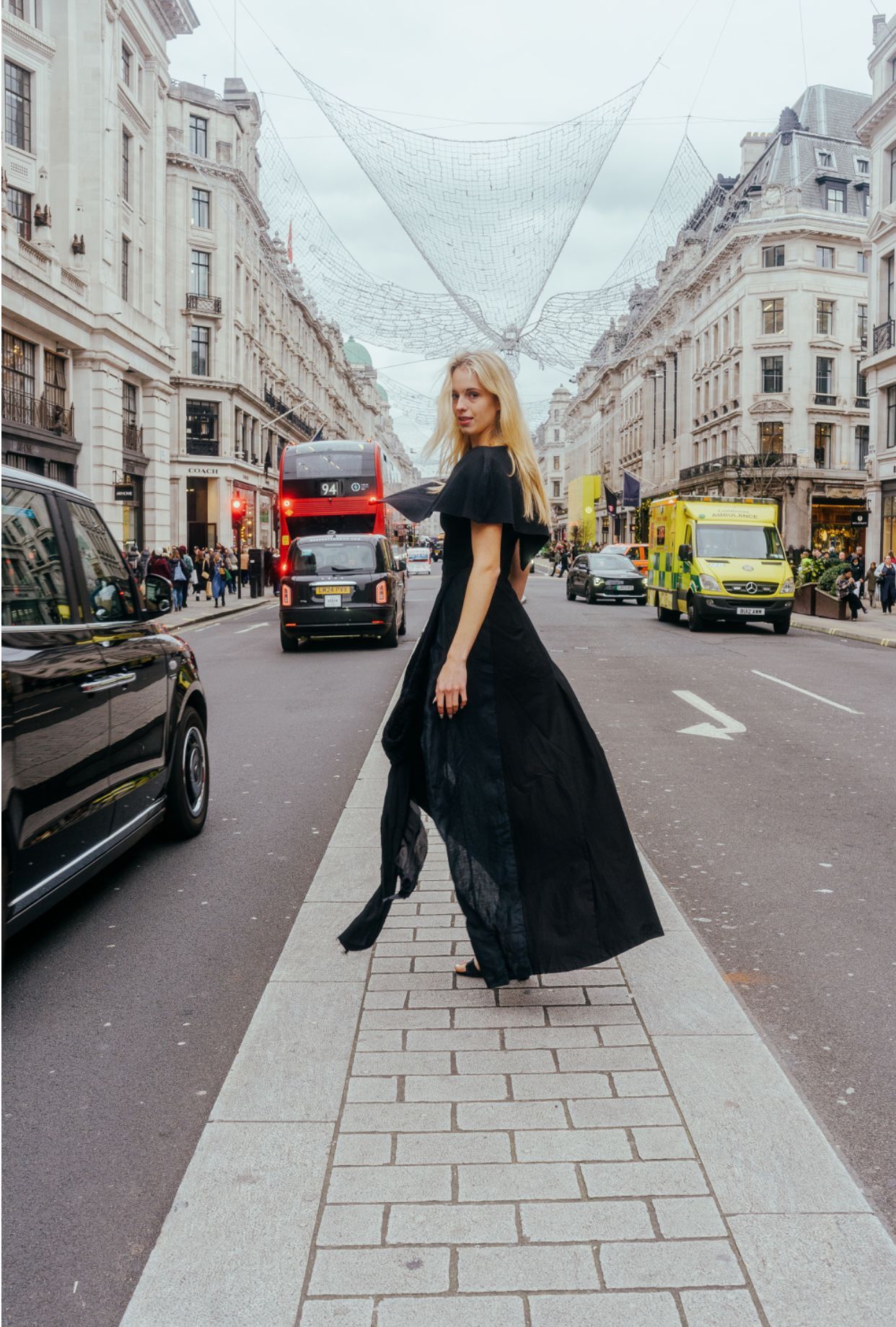
That definition matters because it keeps the focus on expression rather than labels. When people ask how to dress genderfluid, they are often really asking how to create a wardrobe that can shift with them. The answer is to use clothes as tools. A jacket can sharpen your look. A draped top can soften it. Accessories can push the outfit in either direction.
If you want a fuller breakdown of the concept, Olivia Black Studio’s gender-fluid clothing guide explains how fit and styling work beyond menswear and womenswear.
Start with How You Want to Feel
How to dress genderfluid becomes much easier when you start with emotion instead of clothing categories. If you know whether you want to feel powerful, delicate, relaxed, sensual, guarded, or playful, the outfit decisions get clearer.
This is the most reliable starting point because gender expression is personal. One day you may want a sharper shoulder and cleaner lines. Another day you may want movement, softness, or more skin shown. Neither choice is more authentic than the other. Both are valid.
A useful prompt is: what would make me feel seen today? Then translate that feeling into styling cues. For example, “seen” might mean:
- a strong waistline
- a softer neckline
- a looser sleeve
- a polished shoe
- a texture that catches light
This approach also helps if you are still experimenting. You do not need to know your final style identity before dressing. In fact, how to dress genderfluid often works best when you treat getting dressed as a live test, not a fixed answer.
If you want a gentle reference point, Olivia Black Studio’s non-binary clothing guide is useful for understanding style without gendered limits. You can also use the shop to find pieces that work as foundations rather than one-off statements.
For many people, confidence grows when the outfit feels aligned from the inside out. Therefore, start with feeling, then build the silhouette around it. That is the simplest way to make how to dress genderfluid feel natural.
Build a Flexible Base Wardrobe for How to Dress Genderfluid
How to dress genderfluid starts with a base wardrobe that can flex in different directions. A good foundation should mix structure, softness, and repeat wearability. That way, you can build many looks from fewer pieces.
Think in terms of adaptable shapes rather than gendered sections. A wide trouser, a crisp shirt, a fluid knit, and a strong outer layer can take you from minimal to expressive with a few styling changes. This is where proportions matter. A looser lower half can pair well with a neater top, while a sharper jacket can balance a softer base.
If you need inspiration, Olivia Black Studio’s gender-neutral clothing UK guide gives a good sense of how to build that foundation thoughtfully. For more editorial context, the blog also helps when you want styling ideas that feel less commercial and more practical.
The aim is not to own everything. It is to own enough pieces that can move. That is why many genderfluid wardrobes rely on neutral anchors, then add expressive items in layers. As a result, you can shift your look without changing your whole wardrobe.
Statement textures
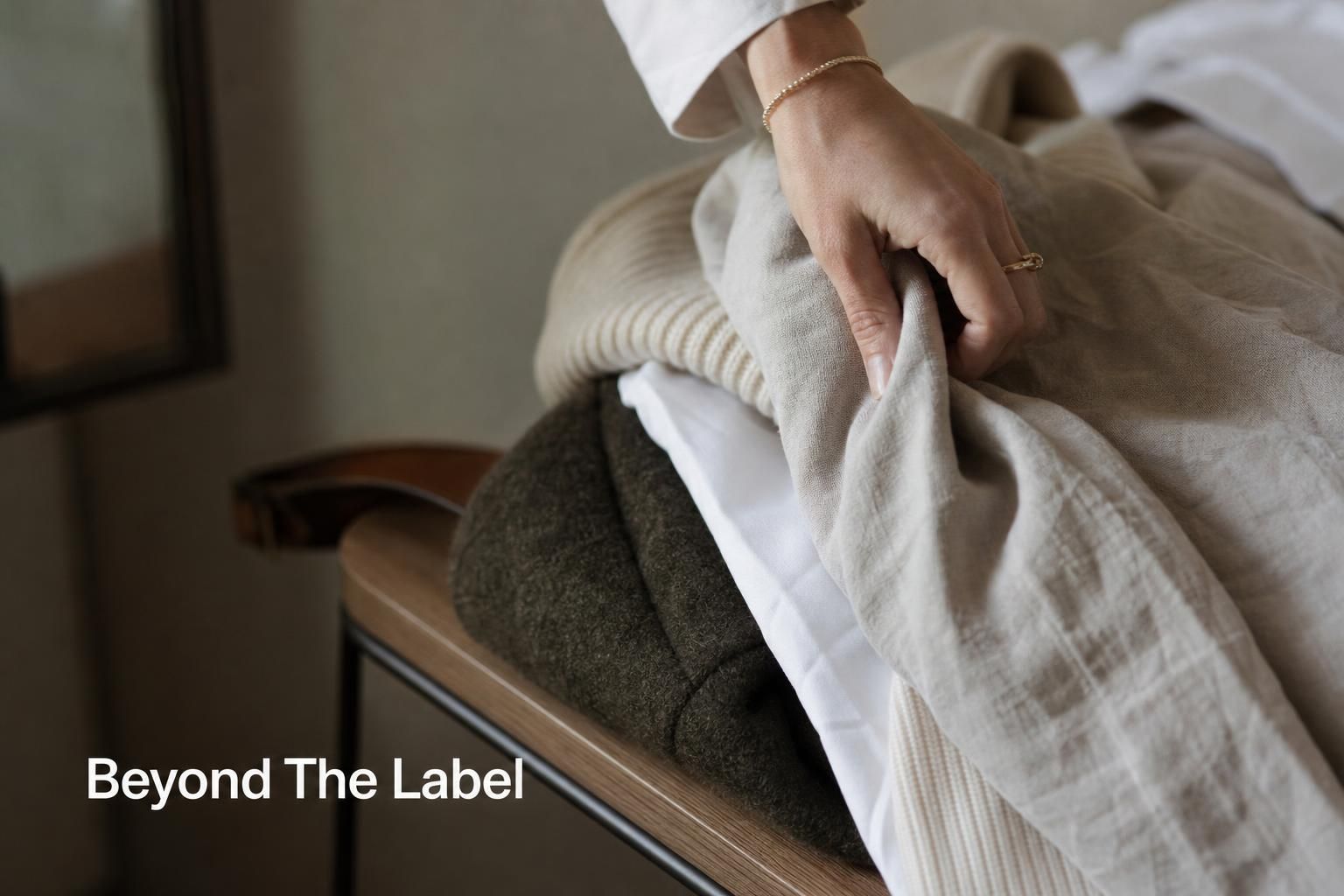
Texture can say as much as cut. Satin, mesh, wool, leather-look finishes, and soft knits all change how an outfit reads.
When people ask what are some examples of genderfluid fashion styles, texture is often the easiest answer. A glossy fabric can feel dramatic. A brushed knit can feel intimate. A crisp cotton can feel pared-back and modern. Combining two textures is often enough to make how to dress genderfluid feel expressive without overcomplicating the outfit.
Play with Contrast to Dress Genderfluid with Intention
How to dress genderfluid often comes alive through contrast. Contrast creates energy, and energy is what makes a look feel personal rather than generic.
You do not need to match everything. In fact, a little tension usually looks better. Try mixing soft with sharp, loose with fitted, glossy with matte, or romantic with utilitarian. This is a simple way to make an outfit feel layered and self-aware.
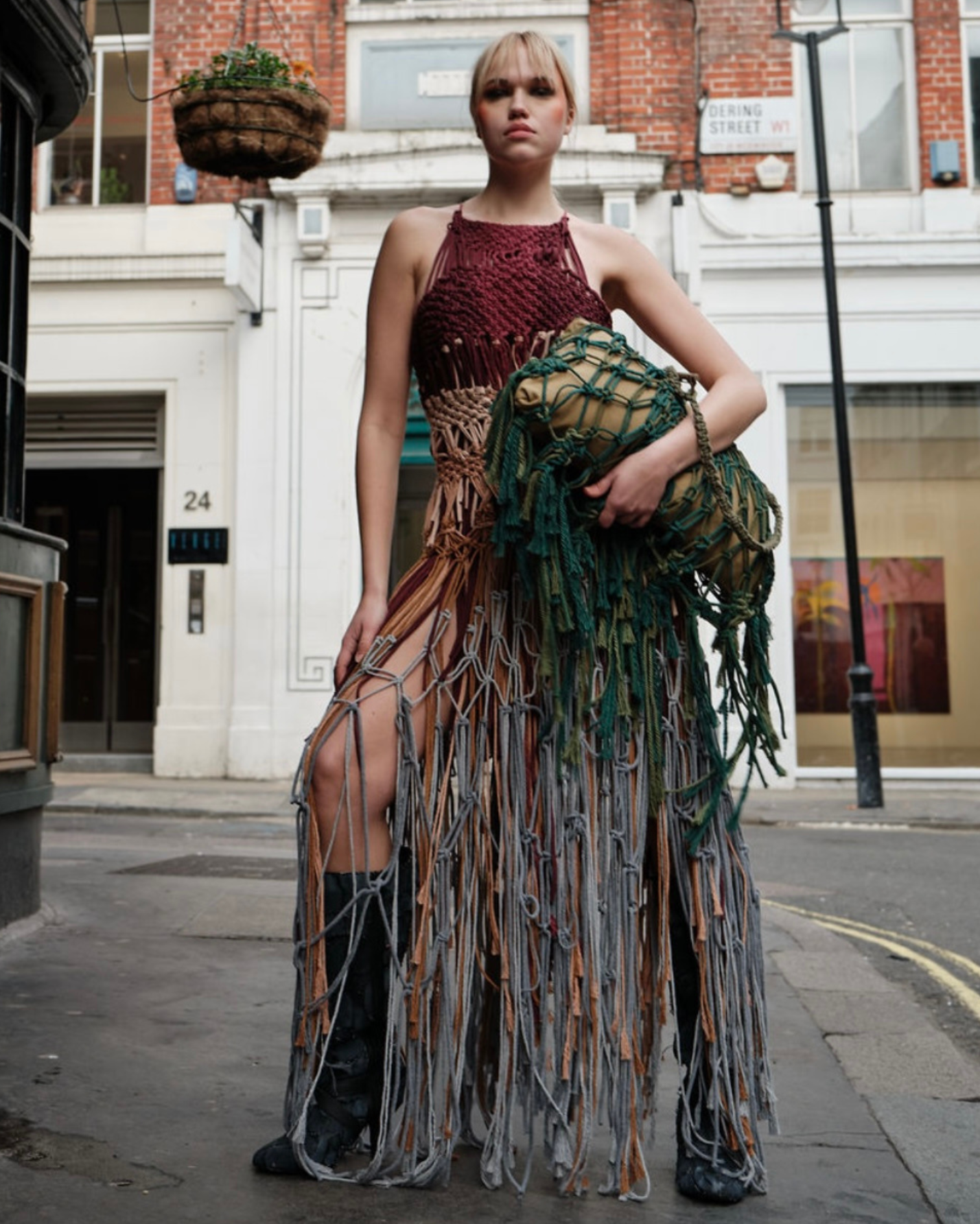
For example, a silky top under a boxy jacket can read elegant and restrained. A tailored trouser with a sheer or draped shirt can feel modern and expressive. A heavy shoe under a floating hemline can ground the whole look. These combinations are useful because they give you range.
If you want to see how contrast works in editorial styling, Olivia Black Studio’s runway looks show how shape and texture can shift the gender message of a piece. For broader visual browsing, Best Genderless has a useful overview of gender neutral and gender fluid fashion, although you should still come back to your own body and taste first.
This is also where accessories help. Earrings, belts, bags, scarves, and shoes can push an outfit toward one mood or another without changing the core garments. Therefore, if you are wondering how to dress genderfluid with less effort, start by changing the accents before replacing the whole look.
A good rule is to keep one element steady and let the rest move. That creates cohesion. It also makes your style easier to repeat.
Dressing Genderfluid for Work, Events and Everyday Life
How to dress genderfluid depends on context as much as taste. The same wardrobe can look different at work, at a party, or on a quiet weekend.
For work, aim for clarity and clean structure. That might mean a tailored trouser, a soft shirt, and one expressive detail such as an unusual sleeve or a textured layer. For events, you can push contrast harder with shine, volume, or a stronger silhouette. For everyday wear, comfort matters most. A relaxed knit, good trousers, and a distinctive accessory can be enough.
If you are dressing for a more private setting, subtle changes still count. A different neckline, a more fluid fabric, or a softer shoe can shift how your outfit feels without attracting attention. That flexibility is one reason how to dress genderfluid is such a useful styling framework.
Here is a practical outfit map:
- Work: tailored trouser + fine knit + sculptural coat
- Dinner: draped top + straight leg trouser + statement earring
- Weekend: oversized shirt + relaxed trouser + clean trainer
- Event: textured set + bold accessory + strong shoe
For festive or occasion dressing, Olivia Black Studio’s Festive Favourites and contact page can help if you want styling support or a specific look. If you want to explore the brand world more broadly, the main studio site ties together the clothing, lookbooks, and seasonal direction.
So, if you are asking how to dress genderfluid for different settings, think in levels. Keep the silhouette adaptable, then adjust polish, texture, and accessories to suit the moment.
Sustainable Styling Tips for How to Dress Genderfluid
How to dress genderfluid can also be sustainable. In fact, a flexible wardrobe often supports lower-impact dressing because the pieces earn more wear across different moods and settings.
The first rule is to buy fewer, better items that can do more than one job. A well-cut shirt, a versatile trouser, and a strong outer layer can all be restyled many ways. The second rule is to consider rentals for special looks. That is especially useful if you want to experiment without committing to pieces you may only wear once.
Sustainability also includes longevity. Choose fabrics and cuts that you can revisit in multiple seasons. Then style them differently with layering, accessories, and proportion changes. That approach keeps the wardrobe feeling fresh while avoiding constant replacement.
Olivia Black Studio’s sustainable fashion London guide offers a broader view of conscious dressing in an independent studio setting. You can also explore eco-friendly clothing UK if you want to understand how material choices and thoughtful production support a more responsible wardrobe.
A few sustainable habits make a real difference:
- Rewear pieces in new combinations before shopping again
- Choose adjustable silhouettes where possible
- Use rentals for events and experimental looks
- Focus on cost-per-wear, not impulse trends
- Repair, alter, and relayer before replacing
Many people find that a sustainable approach makes how to dress genderfluid feel calmer. You stop chasing categories and start building a wardrobe that can evolve with you.
How to Dress Genderfluid: FAQs
These answers are designed to be direct, practical, and easy to scan. If you are still learning how to dress genderfluid, start with the style question that feels closest to your current moment.
What are some examples of genderfluid fashion styles?
Some examples include androgynous tailoring, soft romantic layering, minimalist neutral outfits, oversized streetwear, sharp suiting with fluid fabrics, and mixed-texture looks. The key is that how to dress genderfluid is not one aesthetic. It is the freedom to move between aesthetics as your expression changes.
What are the 7 universal styles?
The exact list can vary depending on the style system you use. However, many style frameworks group wardrobes into broad identities such as classic, natural, dramatic, romantic, gamine, elegant, and creative. For genderfluid dressing, these are best treated as references, not rules.
What is the 3-3-3 rule for clothing?
The 3-3-3 rule usually refers to a small capsule approach built from a limited number of tops, bottoms, and shoes or layers. It is a helpful shortcut if you want to simplify how to dress genderfluid. Use it as a starting point, then adjust for your real life, climate, and identity.
How do I start dressing more feminine?
Start with one feminine cue at a time. That could be softer fabric, a more open neckline, a defined waist, jewelry, or a gentler shoe shape. You do not need to change everything at once. If you are exploring how to dress genderfluid, adding one feminine element to a familiar outfit is often the most comfortable place to begin.
Can I dress genderfluid without being obvious?
Yes. Many people do this through subtle shifts in fit, fabric, colour, and styling. A different silhouette, a layered top, or a quieter accessory can change the whole mood of an outfit without making it loud. That is one of the most practical parts of how to dress genderfluid.
Key Takeaways
- How to dress genderfluid starts with fit, feeling, and flexibility, not rigid gender rules.
- A strong base wardrobe uses tailored pieces, fluid layers, and statement textures.
- Contrast is the fastest way to make genderfluid outfits feel intentional and personal.
- The same wardrobe can work for work, events, and everyday life with small styling shifts.
- Sustainable choices like rentals, rewearing, and adaptable silhouettes support long-term expression.
Frequently Asked Questions
What are some examples of genderfluid fashion styles?
Examples include androgynous tailoring, romantic layering, minimalist neutrals, oversized streetwear, and mixed-texture outfits. The best answer to how to dress genderfluid is to blend whatever feels right that day, rather than locking yourself into one category.
What is the 3-3-3 rule for clothing?
It is a simple capsule method built from a small number of interchangeable pieces. For how to dress genderfluid, it can help you focus on outfits that mix easily and still let you shift the mood with layers or accessories.
How do I start dressing more feminine?
Start with one feminine detail at a time, such as fabric, neckline, waist shape, or jewellery. If you are learning how to dress genderfluid, small changes often feel more natural than a full style reset.