Sustainable Designer Clothing: Independent Pieces Made for Conscious Style
Quick Answer
Sustainable designer clothing combines refined design with responsible choices like better materials, smaller production runs, and longer wear. It is for people who want fashion that feels distinctive, gender-fluid, and intentional, without treating style and sustainability as opposites.
Sustainable designer clothing is where considered design meets better-making choices. For shoppers who want independent style, it offers pieces with a sharper point of view, more thoughtful materials, and fewer compromises. At Olivia Black Studio, that means gender-fluid clothing with a creative edge, designed for people who want to dress beyond the usual categories and beyond throwaway fashion. If you want a fuller sense of the brand world, start with ABOUT or browse the latest lookbook collections.
This page explains what sustainable designer clothing actually means, how to assess quality, and how to shop with more confidence. It also shows how designer-level pieces can work across wardrobes, occasions, and identities. That matters because style should feel expressive, not restrictive. It should also last. Whether you are building a wardrobe for London city life, looking for gender-fluid layers, or searching for independent pieces that feel rare rather than mass-made, sustainable designer clothing gives you a more intentional way to buy, wear, and rewear.
Sustainable Designer Clothing with a Gender-Fluid Point of View
Sustainable designer clothing can be expressive, refined, and inclusive at the same time. It brings together aesthetic direction and responsible decision-making, so the final piece feels fashion-led without relying on wasteful habits.
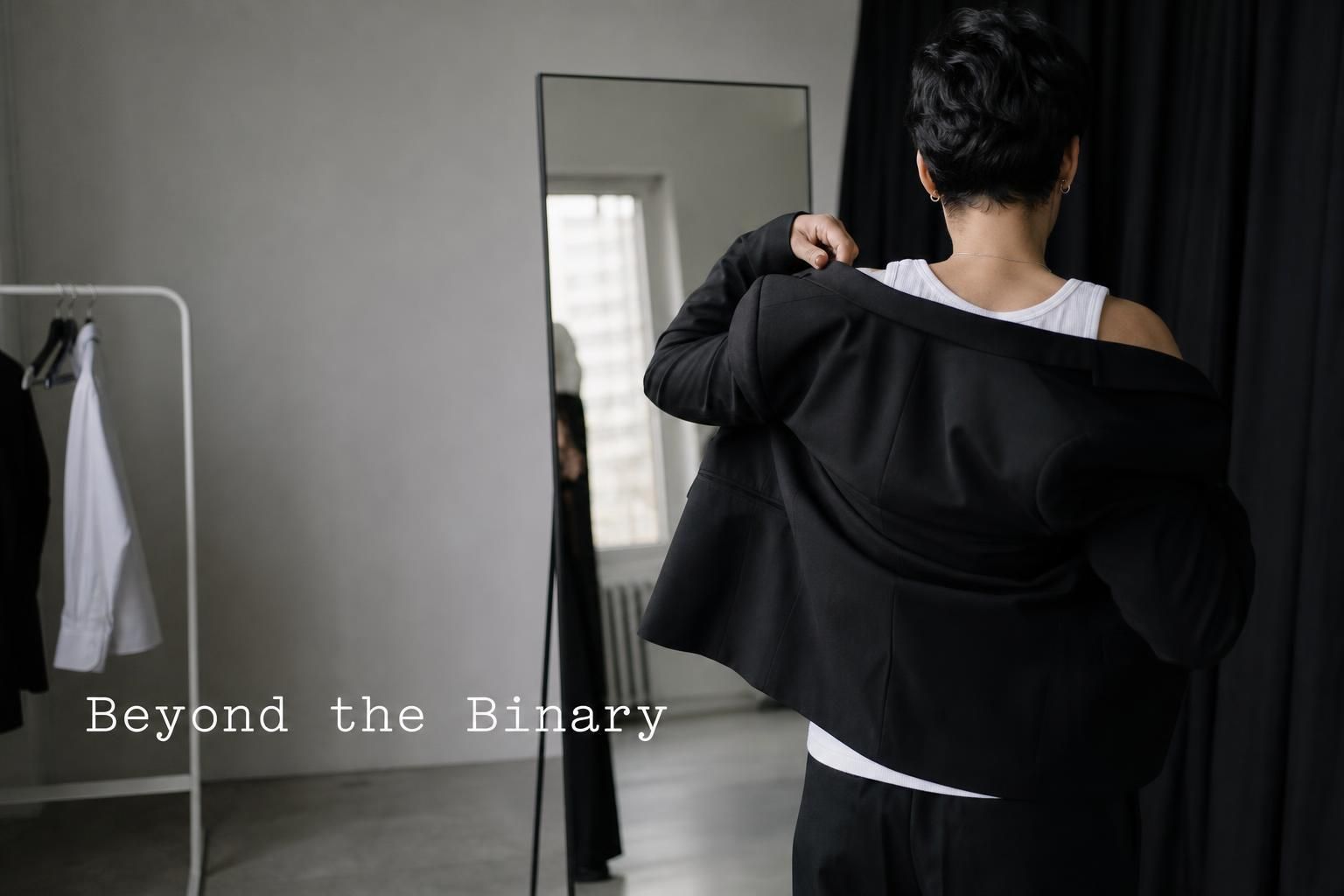
For Olivia Black Studio, that balance is central. Sustainable designer clothing is not only about the fabric. It is also about how a garment moves across bodies, how it is cut for flexibility, and how it supports self-expression without forcing people into gendered rules. That is why this category matters so much for Gen Z and millennial shoppers who want independent designer pieces that feel personal.
Gender-fluid fashion works best when it is built into the design process. Clean lines, adaptable silhouettes, and styling freedom make sustainable designer clothing easier to wear across different moods and occasions. One piece can look sharp with tailoring, relaxed with denim, or elevated with statement accessories. That versatility is part of sustainability too, because clothes that get worn more often earn their place.
If you want to explore that approach in more depth, our Non-Binary Clothing: Sustainable Styles Beyond the Gender Binary page expands on fit, identity, and silhouette. You can also visit the SHOP to see how sustainable designer clothing translates into ready-to-wear pieces.
For a wider industry view, guides like Who What Wear’s round-up of sustainable fashion brands and Moral Fibres’ ethical UK brand guide show how much shoppers now value transparency, wearability, and design credibility. However, a brand does not need to look minimal to be responsible. It needs to be clear about what it makes, why it makes it, and how those choices support longer use.
In other words, sustainable designer clothing is a style choice and a values choice. The strongest pieces do both jobs well.
What Counts as Sustainable Designer Clothing?
Sustainable designer clothing is clothing made with clearer environmental and social intent than typical mass-market fashion. It usually prioritises better materials, smaller production runs, durable construction, and more considered use of resources.
The term is broader than one fabric label or one factory location. A piece can count as sustainable designer clothing when the brand can explain how it reduces waste, why it chose a material, and how the garment is meant to last. That is why shoppers should look for specifics rather than vague claims.
A useful way to judge sustainable designer clothing is to ask four questions:
- Is the material choice explained clearly?
- Is the production approach small-batch or limited-run?
- Is the garment made to be worn more than once in one context?
- Does the brand encourage repair, rewear, or rental where appropriate?
That final point matters. A dress, jacket, or co-ord can be sustainable designer clothing if it is designed to stay in use. Longevity is part of the story. So is adaptability. The best pieces move easily between day and night, casual and formal, feminine and masculine styling references, without losing their shape or identity.
People often ask, “What is meant by sustainable fashion?” The answer is simple: it is fashion that tries to reduce harm while improving durability, responsibility, and transparency. That can include recycled fibres, low-impact dye methods, made-to-order production, or rental-based access. It does not mean perfect. It means better considered.
For a practical example of how this looks in a live fashion context, the video by inspiroue offers a useful overview of labels often discussed in the sustainability conversation.
If you want to keep exploring our own approach, the Blog shares more insight into styling, collections, and the thinking behind sustainable designer clothing. Meanwhile, the NEWS & SOCIAL page can help you see how the brand evolves across seasons.
One caution is helpful here. Many brands now use sustainability as a marketing word, but not all give enough detail. Therefore, the strongest sustainable designer clothing is the kind you can evaluate from the outside: what it is made from, how it is made, and how long it is meant to live in your wardrobe.
Shop Conscious Sustainable Designer Clothing
The best sustainable designer clothing is easy to shop when the brand makes its values visible. You should be able to find the aesthetic, the function, and the story in one place.
At Olivia Black Studio, conscious shopping means choosing pieces that feel distinct and wearable. It also means offering options that suit different ways of buying fashion, from direct purchase to Rentals. That gives customers more flexibility, especially for occasionwear, statement looks, or one-time moments that still deserve strong design.
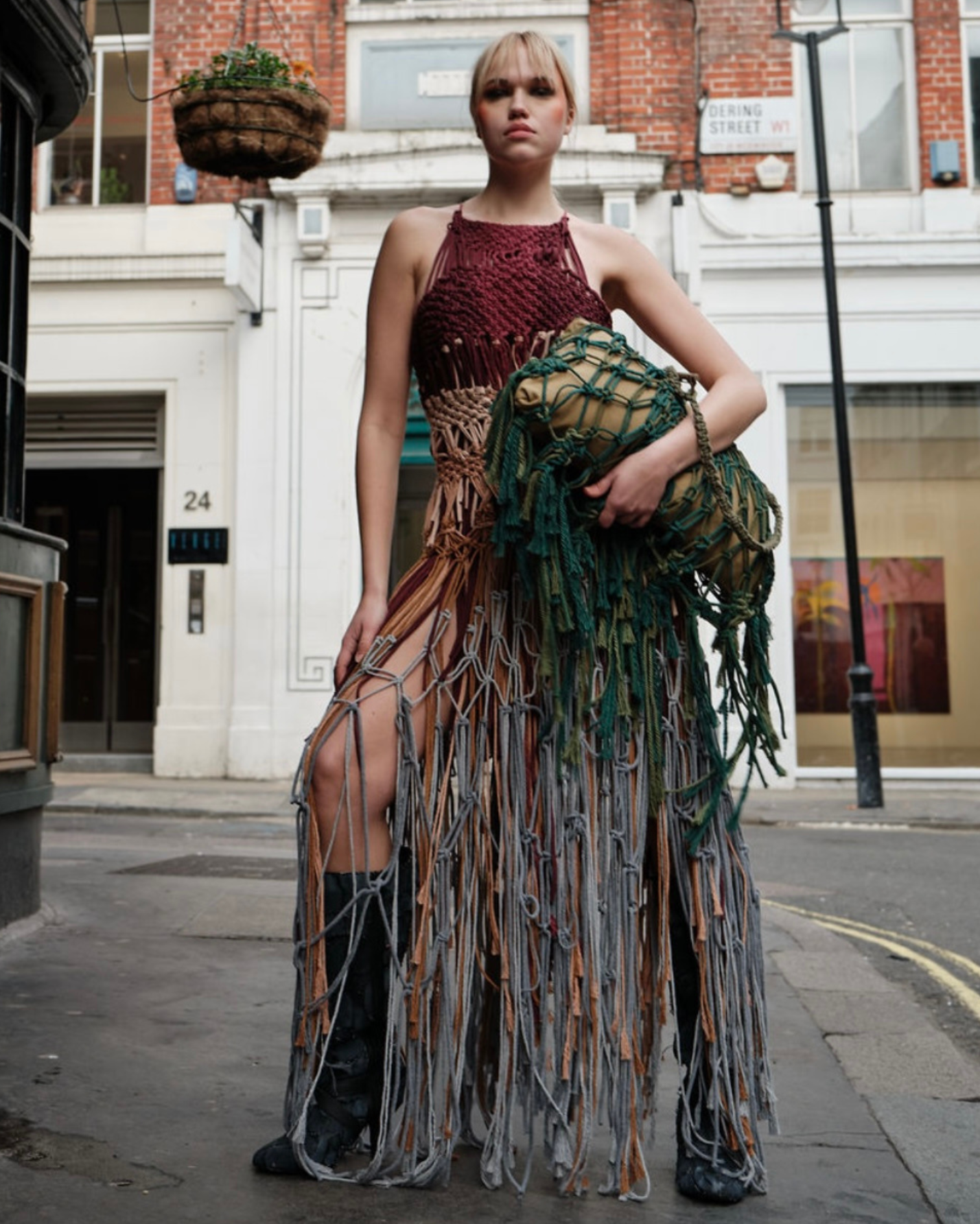
If you are looking for sustainable designer clothing with more editorial energy, begin with the RUNWAY page. If you want a clearer sense of styling direction, the Festive Favourites edit shows how special pieces can work for celebratory dressing without becoming disposable.
For shoppers comparing what is available in the market, Eco-Stylist’s overview of vetted labels offers a useful shopping reference.
In practical terms, shopping conscious sustainable designer clothing usually means choosing one of three paths:
- Limited pieces that create a strong wardrobe anchor
- Runway-inspired looks that feel dramatic but still repeatable
- Rental or rewear options for special events and experimental styling
These options matter because they let you build a wardrobe with more intention. You do not need to buy everything new. Instead, you can choose what earns a place, what can be styled three different ways, and what should be rented for a specific occasion.
That approach also supports a more personal relationship with fashion. A smaller, better-edited wardrobe often leads to clearer styling decisions. It becomes easier to see how sustainable designer clothing works with your existing favourites, and easier to avoid duplicates.
If you want direct guidance, the team at CONTACT US can help with product questions or styling queries. The point is not just to sell a piece. The point is to help you choose one that genuinely fits your life.
Limited-run clothing
Limited-run clothing is one of the clearest signs of sustainable designer clothing. Smaller batches reduce overproduction pressure and often make each piece feel more considered.
This is especially relevant for independent brands. Limited-run pieces allow more focus on shape, finish, and styling detail. They also create a sense of rarity without relying on excess. For the wearer, that means the garment feels special, not generic.
Limited-run sustainable designer clothing also helps shoppers buy more selectively. When a piece is not endlessly restocked, it encourages more deliberate choices. That can lead to fewer impulse buys and stronger wardrobe coherence.
Runway-inspired looks
Runway-inspired looks bring energy and identity into sustainable designer clothing. They give shoppers something visual and distinctive, while still allowing for repeat wear.
The key is balance. A good runway piece should not feel costume-like in daily life. Instead, it should have enough impact for events, photos, and standout days, while still working with simpler garments. That is why silhouette, fabric hand-feel, and layerability matter so much.
Pieces to rent or rewear
Pieces to rent or rewear help sustainable designer clothing serve more than one occasion. Rental makes sense for high-impact looks, while rewear makes sense for versatile staples with a strong point of view.
Both options support a smarter wardrobe. They reduce the pressure to buy for a single event, and they help shoppers enjoy more fashion variety without building excess. For conscious style, that flexibility is a major advantage.
Materials, Making and Waste Reduction in Sustainable Designer Clothing
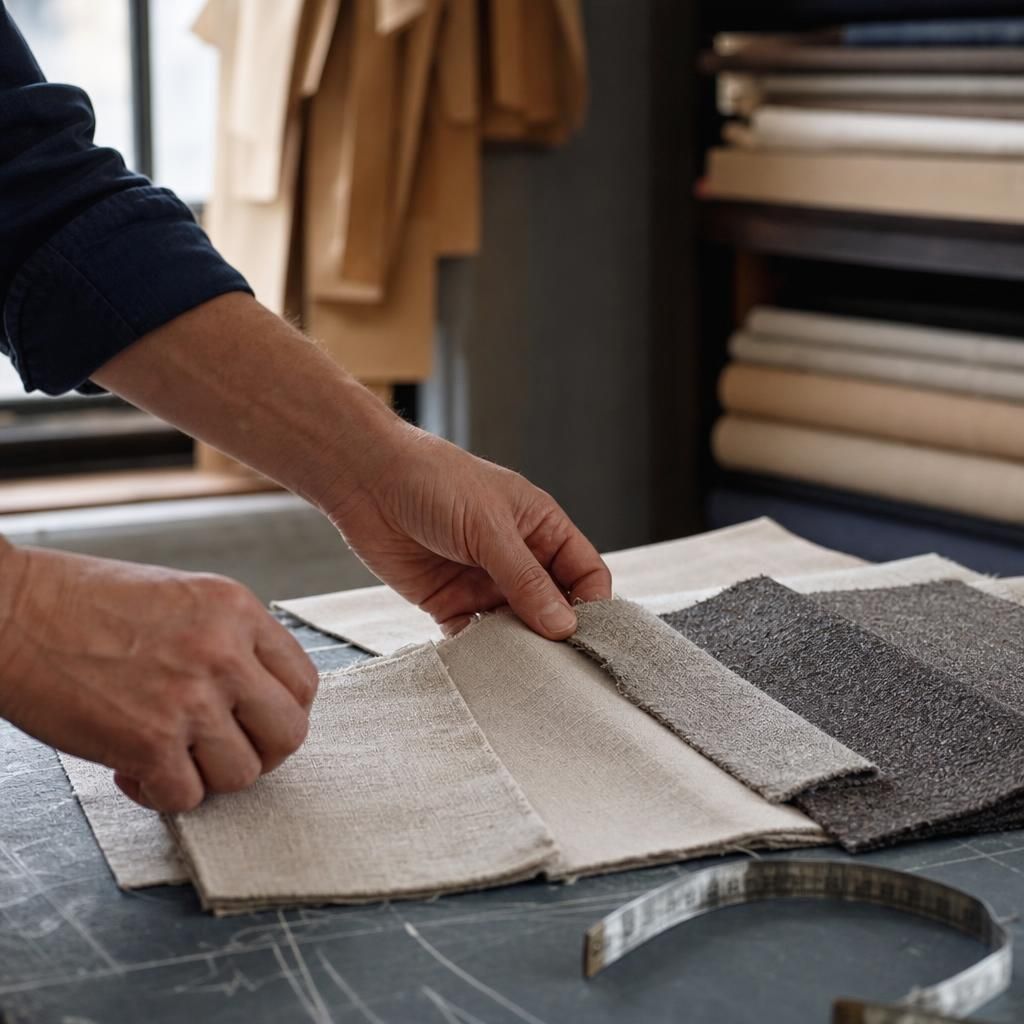
Materials and making methods are at the heart of sustainable designer clothing. They influence how a piece feels, how it ages, and how much impact it creates before it even reaches your wardrobe.
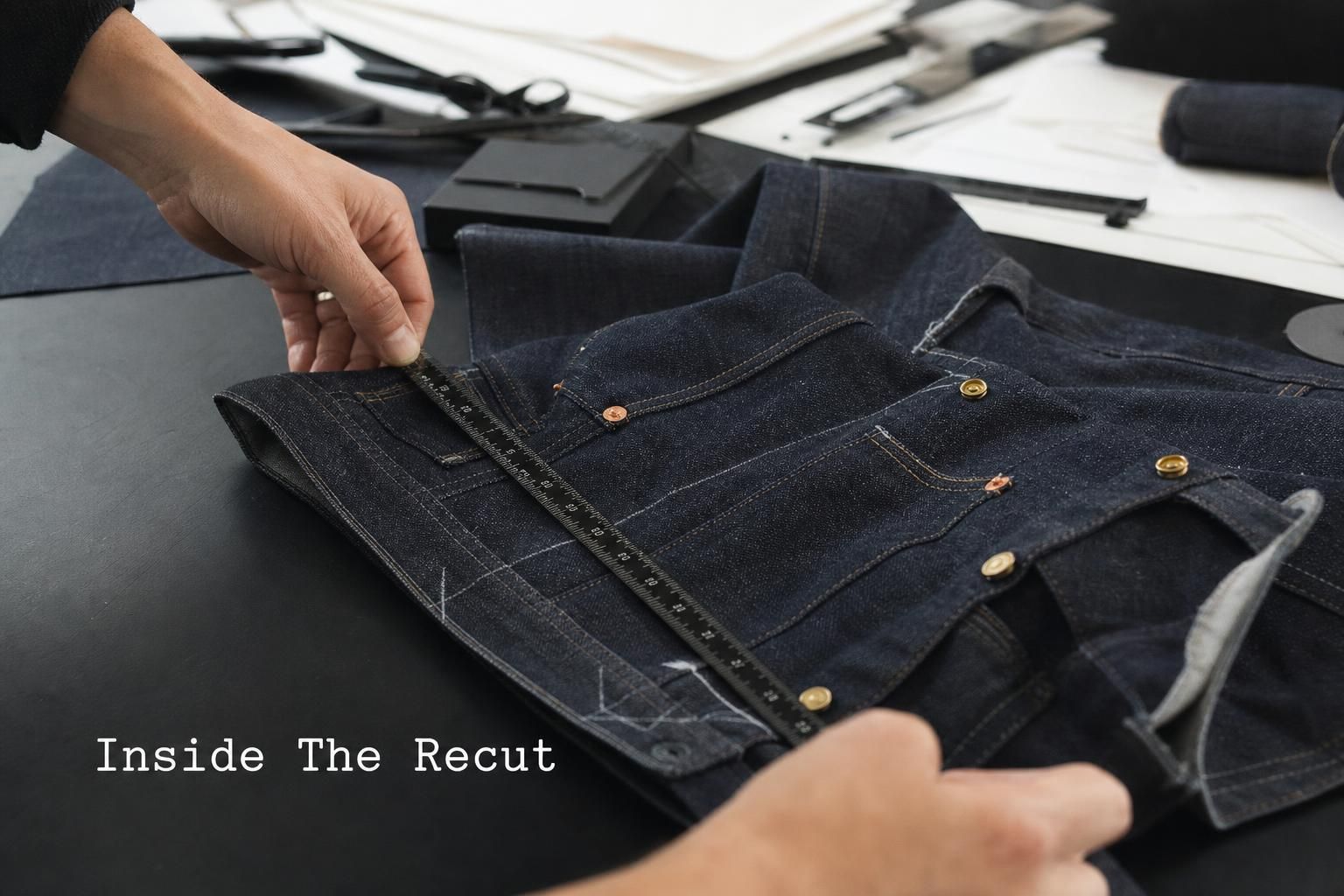
A strong sustainable designer clothing story should explain where fabric comes from, how dyeing is handled, and why the garment construction supports durability. Good design is visible in the finish. Better design is also visible in the process.
Waste reduction starts early. It can mean designing with fewer offcuts, creating in smaller quantities, or choosing materials that make more sense for the garment’s purpose. It can also mean producing less packaging and avoiding unnecessary seasonal churn. These are not abstract ideas. They shape the quality of the final piece.
According to Fashion Capital’s sustainable fashion resource, the category is shaped by decisions across the whole lifecycle, not just the finished look. That is a useful reminder for shoppers. A garment can appear luxurious and still be poorly considered. Conversely, sustainable designer clothing can feel elevated precisely because the brand has spent more time on fit, fabric, and finishing.
At Olivia Black Studio, the aim is to make sustainable designer clothing feel desirable first and responsible in a way that is tangible. That means using design to reduce waste through better wearability. It means creating pieces that work across settings. It also means making clothes that invite repeat styling, rather than constant replacement.
When materials are chosen well, they support the rest of the wardrobe too. A strong jacket changes how a simple top feels. A clean-cut trouser changes how a statement shirt reads. Therefore, the material conversation is also a styling conversation.
If you are comparing brands and asking, “What are some sustainable clothing brands?”, the best answer is not a random list. It is a set of criteria. Look for clear sourcing language, visible craft, and a commitment to clothes that are meant to stay in use. Those are the markers that matter most in sustainable designer clothing.
How to Style Sustainable Designer Clothing
Sustainable designer clothing is easiest to love when it fits into real life. The best styling approach is simple: let one strong piece do the heavy lifting, then build around it with repeatable layers.
This works especially well for gender-fluid wardrobes. A tailored jacket can soften or sharpen depending on what it is paired with. A sculptural shirt can become relaxed with denim or polished with trousers. A statement skirt can read fluid, formal, or playful depending on the top and shoe choice.
To style sustainable designer clothing well, start with your anchor piece. Then ask three questions:
- What is the mood I want to create?
- Which items already in my wardrobe can repeat this look?
- What can I change with shoes, jewellery, or layering?
That process helps you buy less and style more. It also keeps your wardrobe from becoming overly trend-led. When your clothes can move between occasions, they become more valuable.
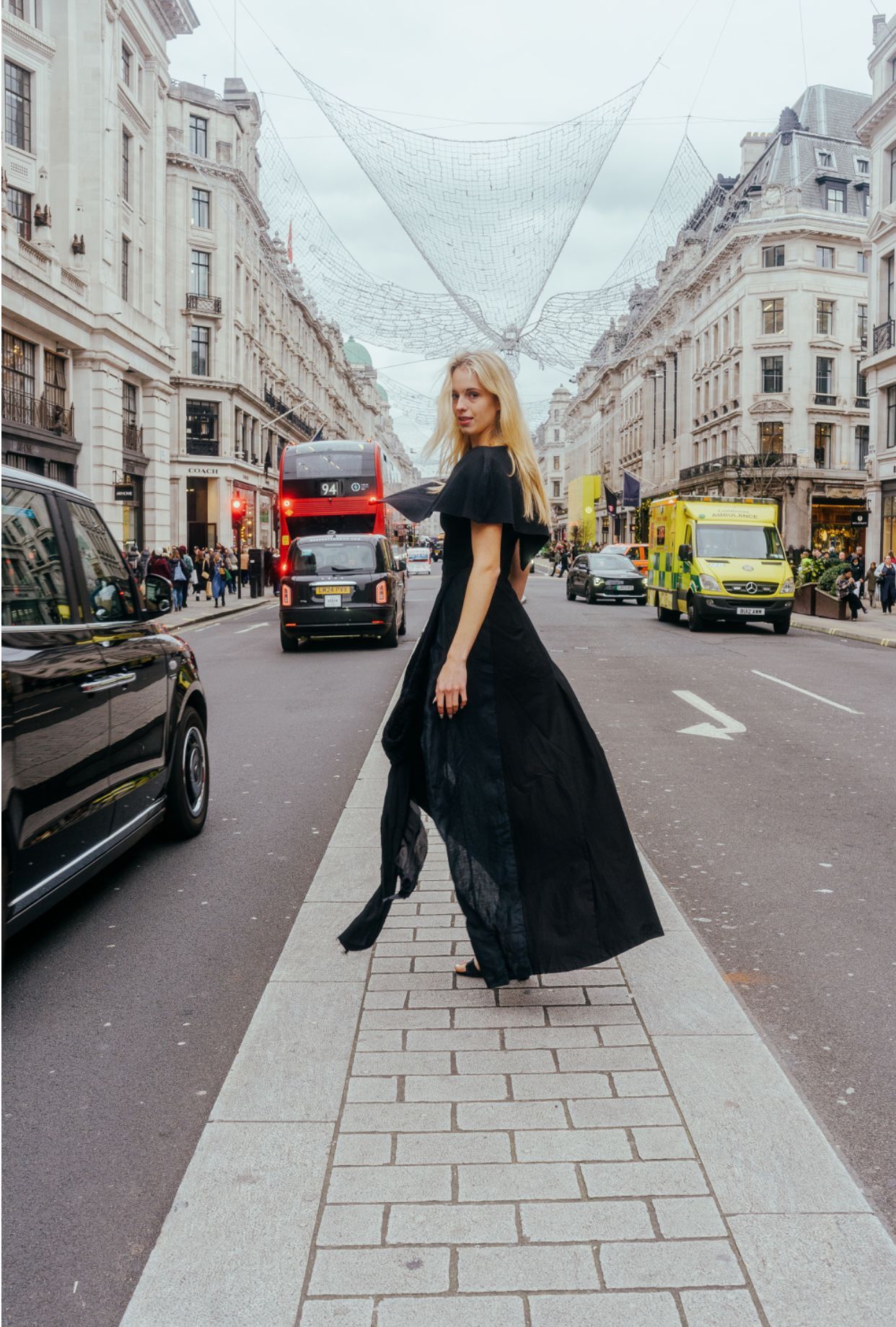
For London and UK shoppers, that adaptability matters even more. Weather shifts, transport, work settings, and social plans all change quickly. Sustainable designer clothing should support that pace. A good piece can work over a tee, under a coat, with boots, or with a more dressed-up finish.
Styling also has an identity role. Some days call for softness. Others call for structure. Sometimes you want both. Sustainable designer clothing can hold that range without making you choose a fixed lane.
Buying Less, Styling More with Sustainable Designer Clothing
Buying less and styling more is the most practical way to make sustainable designer clothing work. It helps you spend more carefully, wear more creatively, and avoid duplicating pieces that do the same job.
This approach does not mean dressing minimally. It means dressing intentionally. A small edit of strong garments can create more outfits than a crowded wardrobe full of near-identical items. Moreover, it can make getting dressed feel clearer and more enjoyable.
If you are deciding whether a piece is worth it, use this short test:
- Will I wear it in more than one setting?
- Does it work with at least three existing items?
- Does it still feel relevant if trends shift?
- Would I want it if I saw it on its own, outside a full outfit?
These questions are useful because sustainable designer clothing should stand on its own. It should not depend on over-styling or novelty to feel valuable.
People also ask, “Is Zara ethical now?” The direct answer is that shoppers should be cautious and check current transparency, supply-chain detail, and independent assessment rather than assuming broad ethical leadership. Likewise, if you are asking, “Is there an ethical version of shein?”, the more accurate answer is that the better path is usually to avoid ultra-fast-fashion habits altogether and choose brands that publish clearer production information, sell fewer pieces, and design for longer use.
That is where sustainable designer clothing offers a better fit. It gives you a more thoughtful route between disposable fashion and inaccessible luxury. It is not about perfection. It is about choosing garments with more substance, more repeat value, and more room for personal style.
In a market crowded with loud claims, clarity matters. Independent pieces with a defined point of view are easier to trust when the brand explains how and why they were made. That is what makes sustainable designer clothing commercially compelling, too. It sells not just a look, but a reason to keep wearing it.
Key Takeaways
- Sustainable designer clothing combines strong aesthetics with better materials, smaller runs, and more intentional production.
- Gender-fluid design makes sustainable designer clothing more versatile and more inclusive.
- The best pieces are easy to rewear, rent, layer, and style in more than one setting.
- Shoppers should look for clear sourcing, durability, and concrete sustainability details rather than vague claims.
- Buying less and styling more is one of the simplest ways to make sustainable designer clothing work in real life.
Frequently Asked Questions
What are some sustainable clothing brands?
The best sustainable clothing brands are the ones that clearly explain their materials, production methods, and values. A good shortlist usually includes brands with transparent sourcing, small-batch collections, and garments designed for repeat wear rather than one-off trends. Sustainable designer clothing stands out when the brand can show both style credibility and practical responsibility.
What is meant by sustainable fashion?
Sustainable fashion means making clothes in ways that try to reduce harm and improve longevity. That can include better materials, lower-waste production, repairable design, rental options, and clearer supply-chain transparency. In practice, sustainable designer clothing aims to balance aesthetics with better decisions about how garments are made and used.
Is Zara ethical now?
Shoppers should be careful with broad ethical claims about large fast-fashion retailers. The better approach is to review current transparency, sourcing, labor policies, and third-party assessments before making a decision. If you want a more deliberate alternative, sustainable designer clothing from independent labels usually offers clearer design intent and smaller-scale production.
Is there an ethical version of shein?
There is no perfect like-for-like replacement for ultra-fast-fashion shopping habits. A better option is to choose brands that make fewer, better pieces and explain how they are produced, repaired, or reused. Sustainable designer clothing is often the stronger answer because it prioritises longevity, identity, and more accountable making.