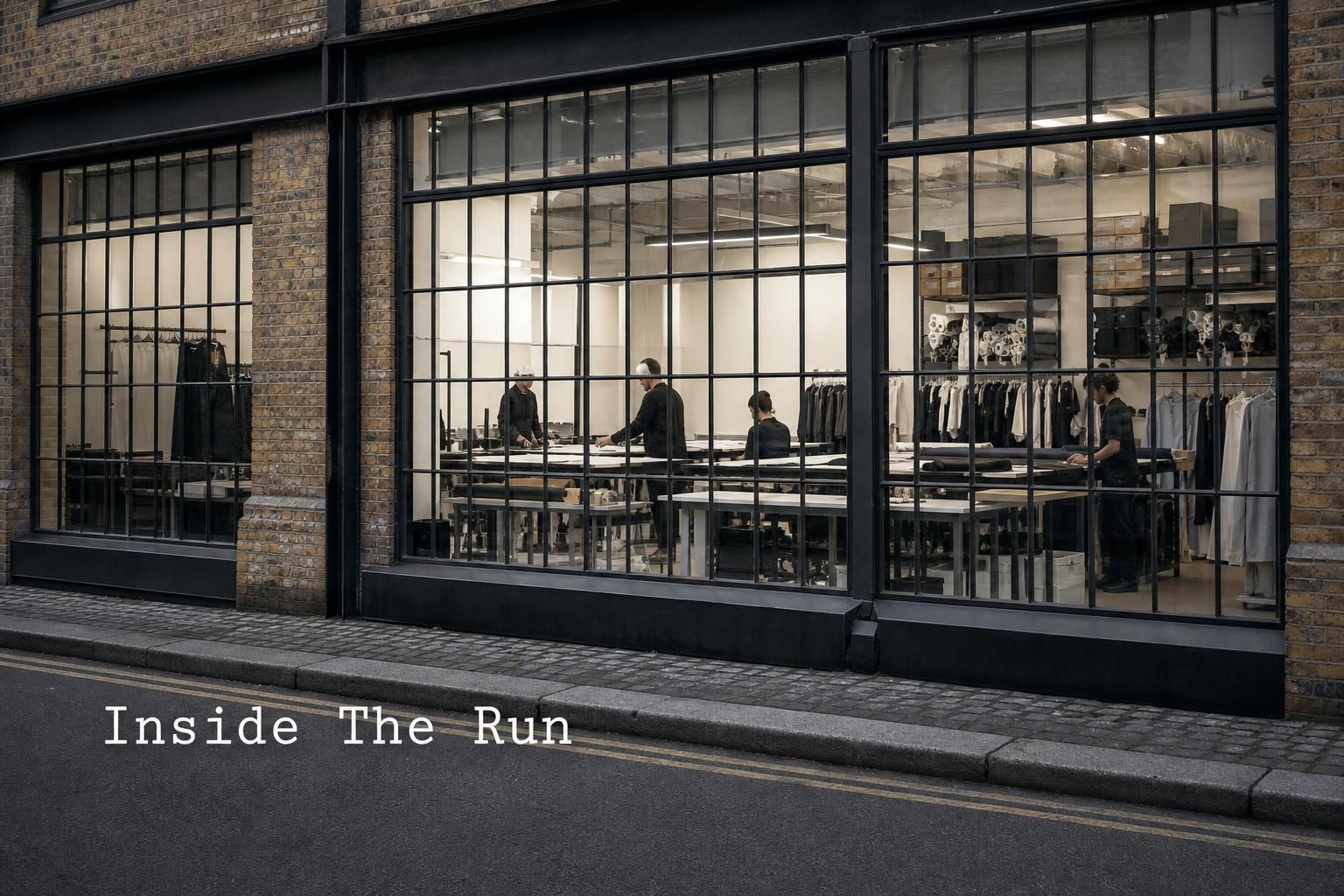
Sustainable Designer Clothing Made in Limited Runs
Quick Answer
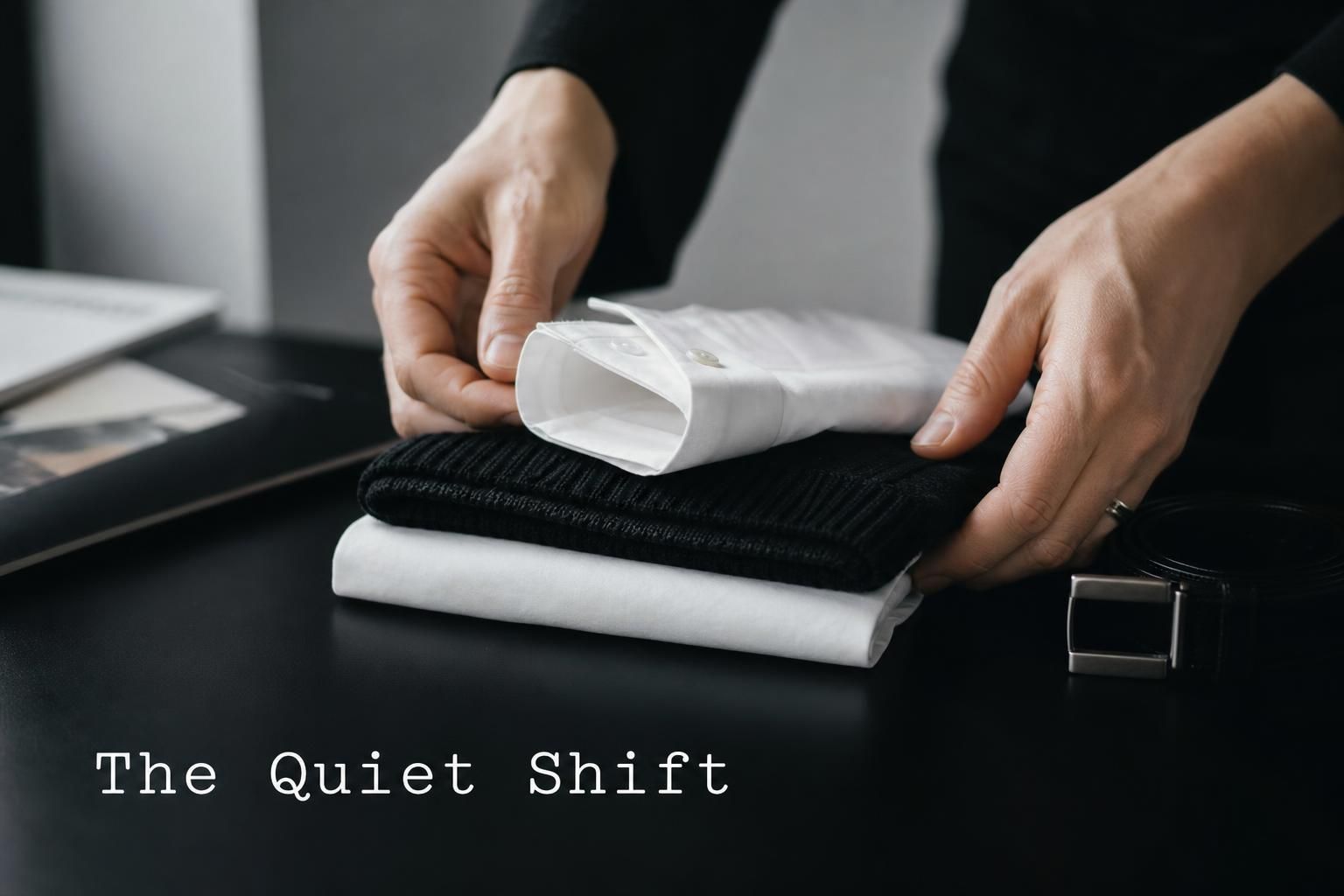
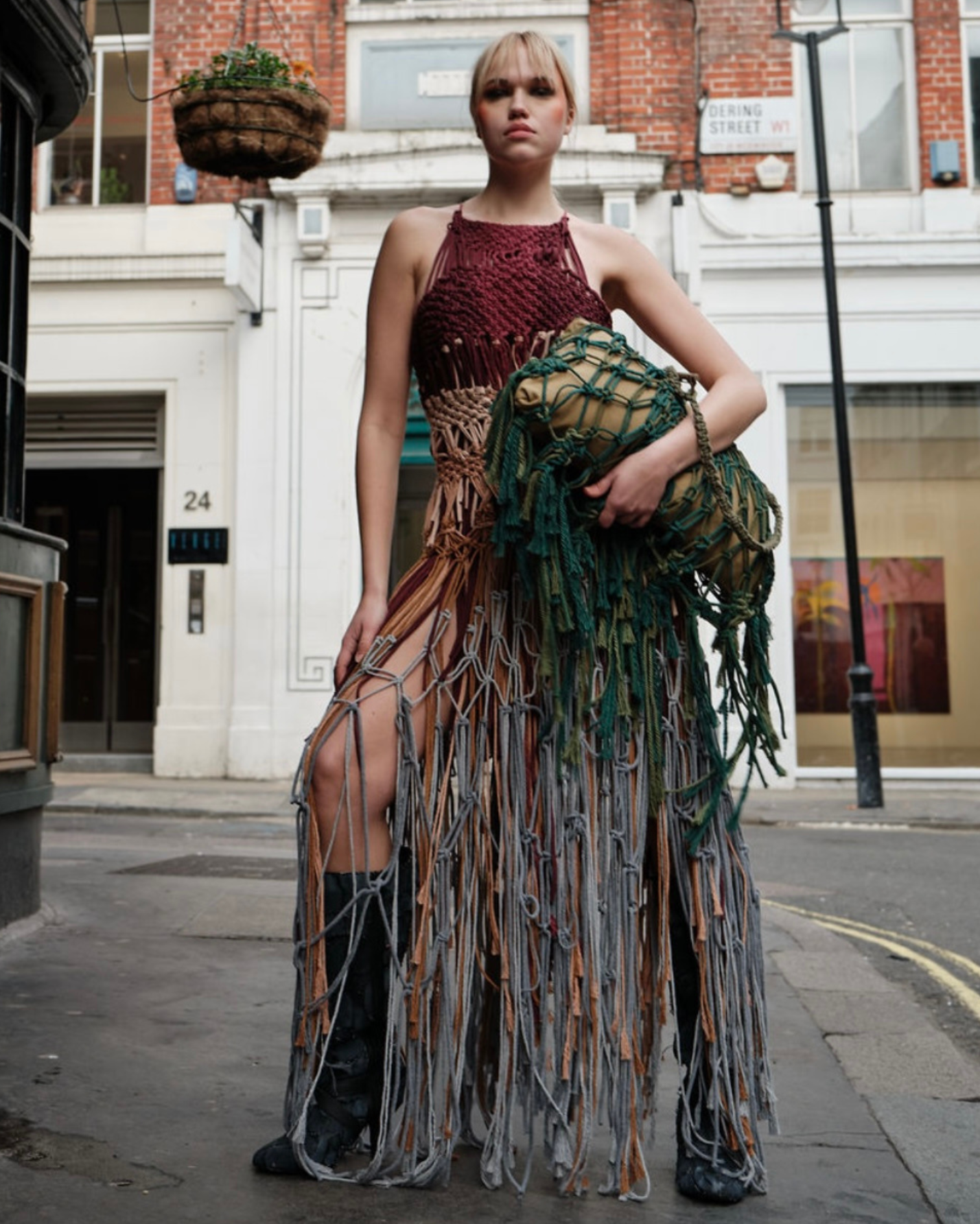
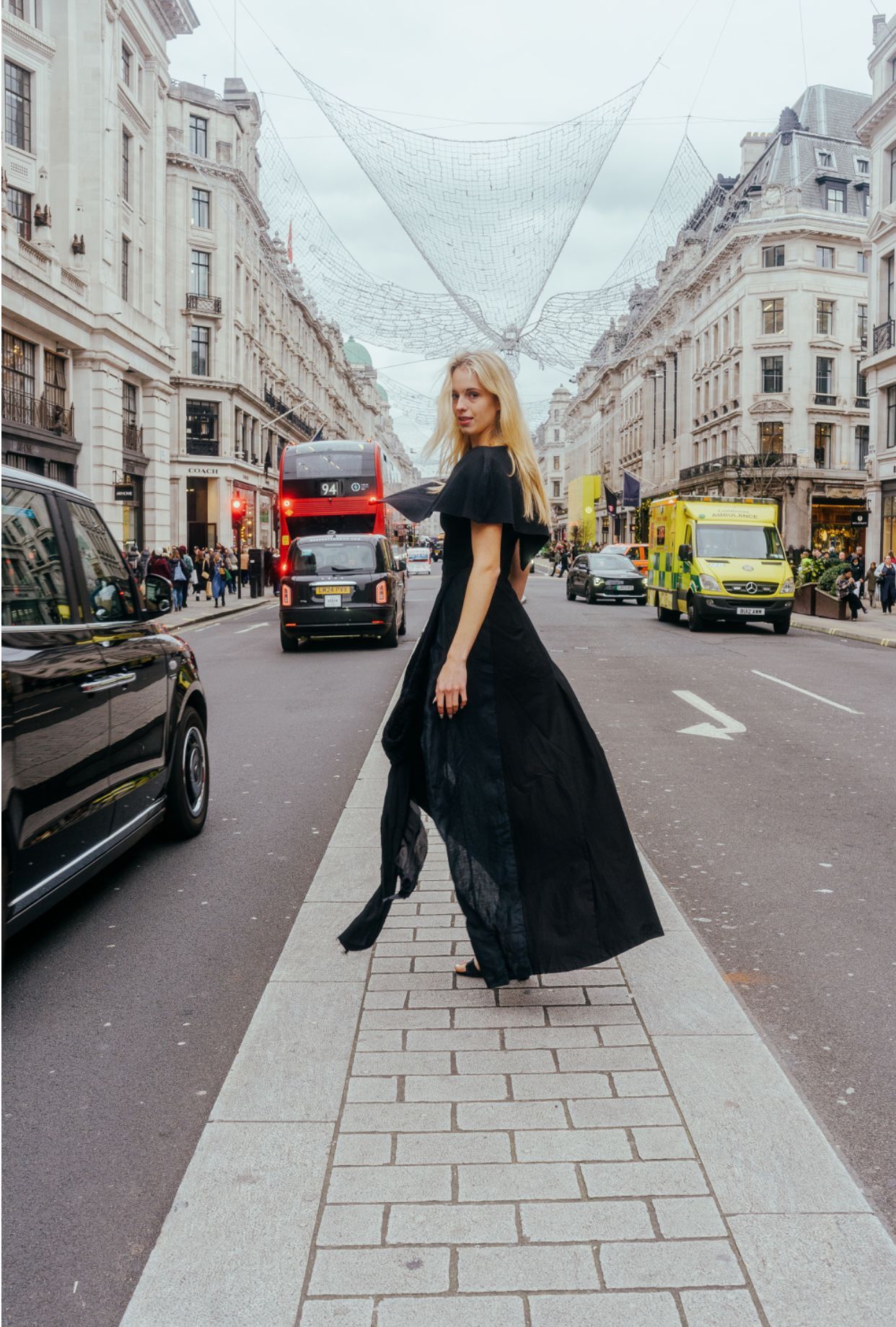
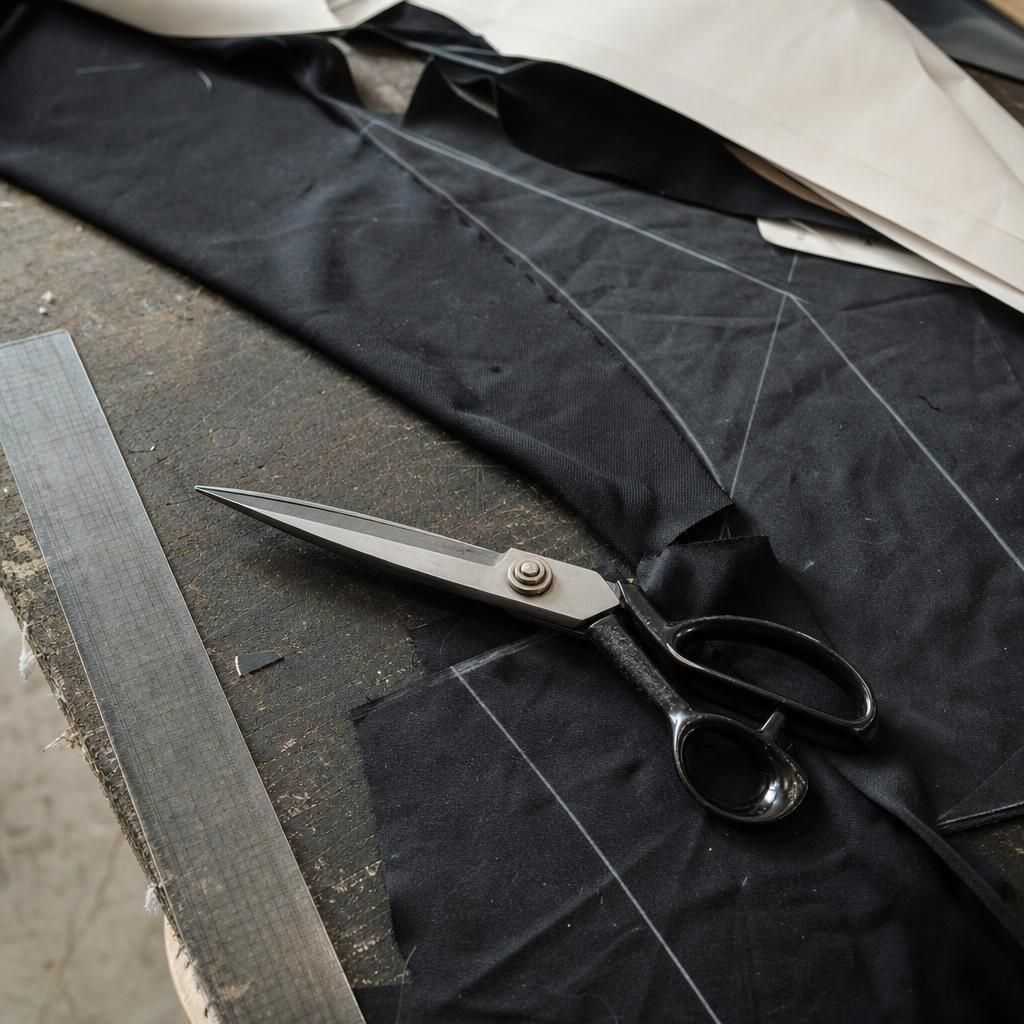
Sustainable designer clothing is premium fashion made with lower-waste materials, careful production, and designs meant to last. Olivia Black makes sustainable designer clothing through deadstock sourcing, limited runs, strong craftsmanship, and gender-fluid fits that feel current without becoming disposable.
Sustainable designer clothing should do more than sound responsible. It should feel refined, fit well, and earn its place in a wardrobe for years. That is the standard Olivia Black follows. The brand’s pieces are built from deadstock and responsibly sourced fabrics, made in limited runs, and shaped with a clear design point of view. The result is sustainable designer clothing that feels premium because every decision is intentional, from fabric selection to finish. If you want the brand story behind the clothes, start with Olivia Black’s approach to sustainable clothing. If you want the product experience, think structured denim, fluid tailoring, and dresses that can move between occasions without losing impact. This is sustainable designer clothing for people who want style with substance. It is made for expressive dressing, gender-fluid wardrobes, and shoppers who value craft, longevity, and limited availability. That combination is what makes the pieces feel rare, not mass produced.
What Makes Sustainable Designer Clothing Different?
Sustainable designer clothing is defined by how it is made, not only by how it looks. It combines thoughtful materials, slower production, and a designer-led approach to cut, fit, and finish.
That matters because premium fashion should justify itself over time. When a garment is designed to be worn often, repaired more easily, and styled in more than one way, it delivers better value. In practice, sustainable designer clothing usually means fewer unnecessary styles, more considered fabric choices, and a stronger focus on longevity.
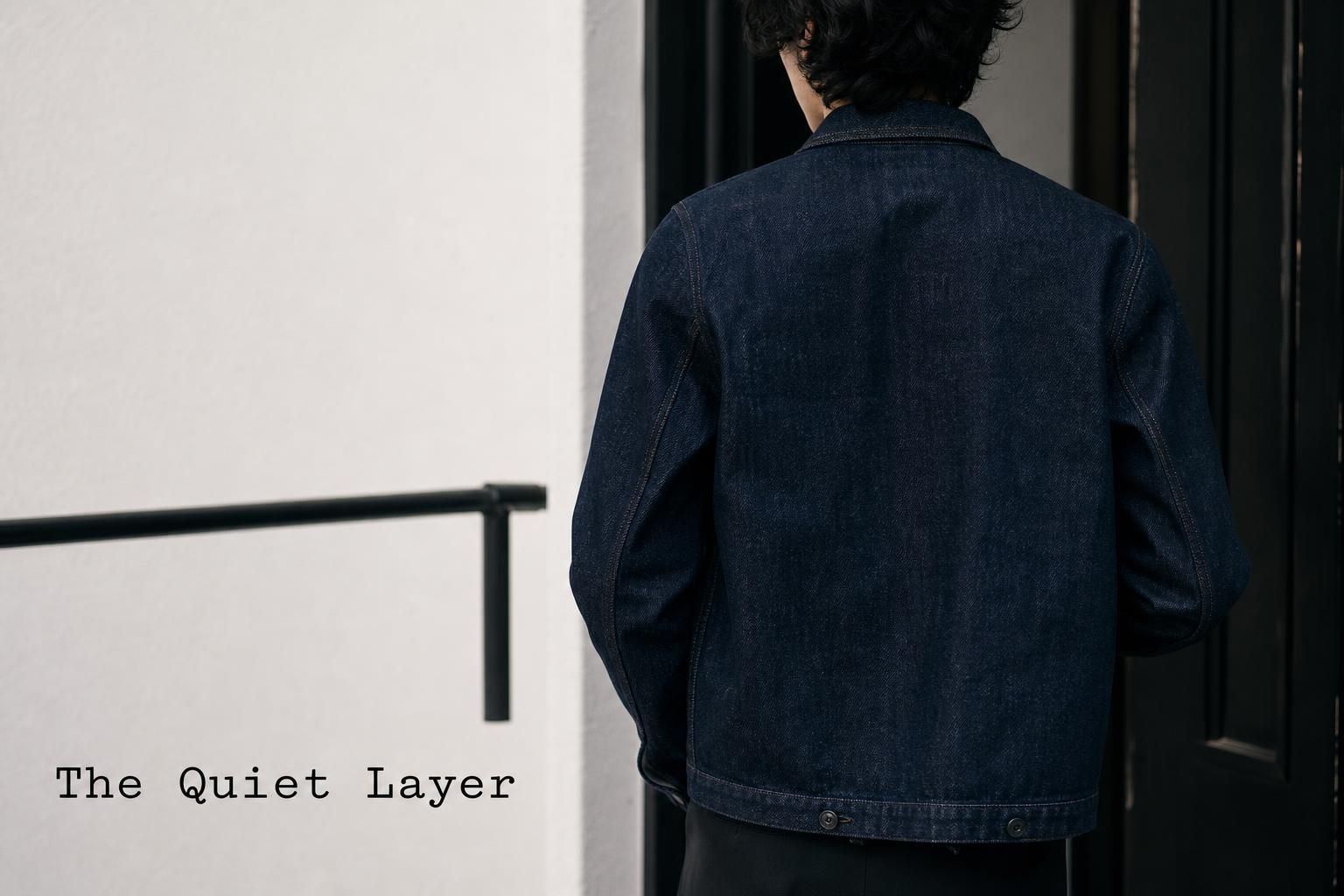
Olivia Black sits clearly in that space. The collection is not built around trend churn. Instead, it focuses on pieces that can anchor a wardrobe, such as the Weaver Jeans, the Weaver Denim Jacket, and the Maglen Dress. These are the kinds of garments that reward repeated wear.
For shoppers comparing labels, useful questions are simple. Where did the fabric come from? Was the piece made in small quantities? Does the brand explain construction and fit? If the answers are vague, the sustainability story is usually weak. For a broader lens on what conscious shopping should ask for, Ethical Fashion London: What Conscious Shoppers Should Ask Before Buying is a helpful companion read.
There is also a practical reason sustainable designer clothing is appealing. It reduces the feeling that your wardrobe expires every season. That is why classic silhouettes, adaptable styling, and durable construction matter so much. They keep the clothes relevant.
For readers exploring design-led sustainability beyond a single brand, sources like The Standard’s guide to sustainable clothing brands and Robert Goddard’s guide to choosing classic wardrobe pieces show the same principle in action: buy fewer pieces, choose better ones, and wear them longer.
How does sustainability show up in premium design?
It shows up in restraint. Sustainable designer clothing usually avoids excess and focuses on better materials, cleaner construction, and a more deliberate product lifecycle.
That approach creates clothes that feel calmer and more considered. It also makes styling easier, because the pieces are designed to work across different contexts.
Olivia Black's Approach to Sustainable Designer Clothing
Olivia Black’s sustainable designer clothing is premium because it is built around three things: deadstock sourcing, limited production, and a strong commitment to fit and wearability. Those choices affect how the clothes look, feel, and last.
The brand is also clearly rooted in identity and expression. It offers sustainable gender-fluid fashion that is confident, elegant, and easy to make personal. If you want the wider design philosophy, the brand’s London fashion designer page explains how the collections are shaped around sustainability and inclusive dressing.
This matters commercially too. Many shoppers want sustainable designer clothing, but they also want reassurance. They want to know the fabric is special, the construction is thoughtful, and the garment will not feel dated after one season. Olivia Black answers that need with small-batch production and careful styling potential.
Deadstock and responsibly sourced materials
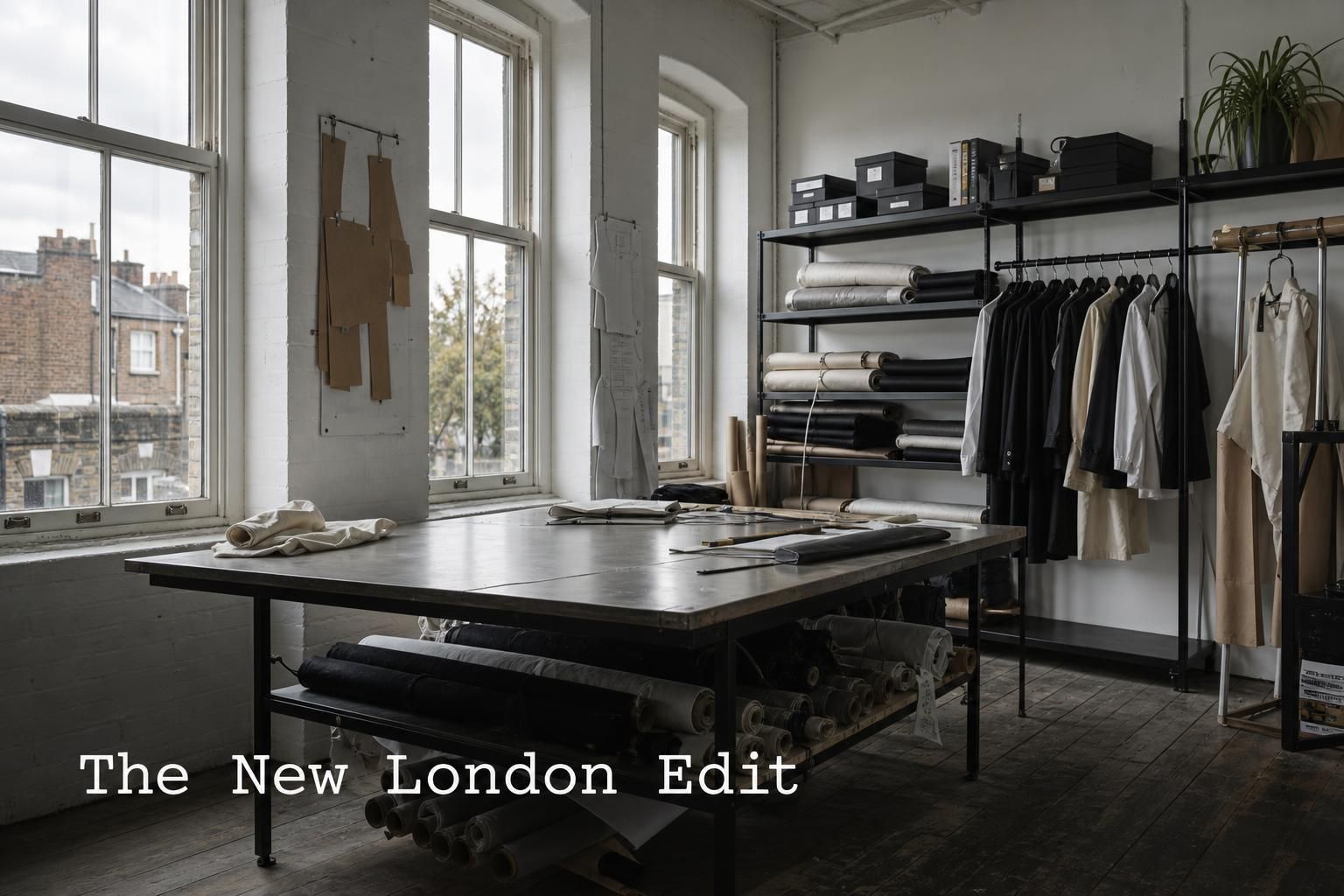
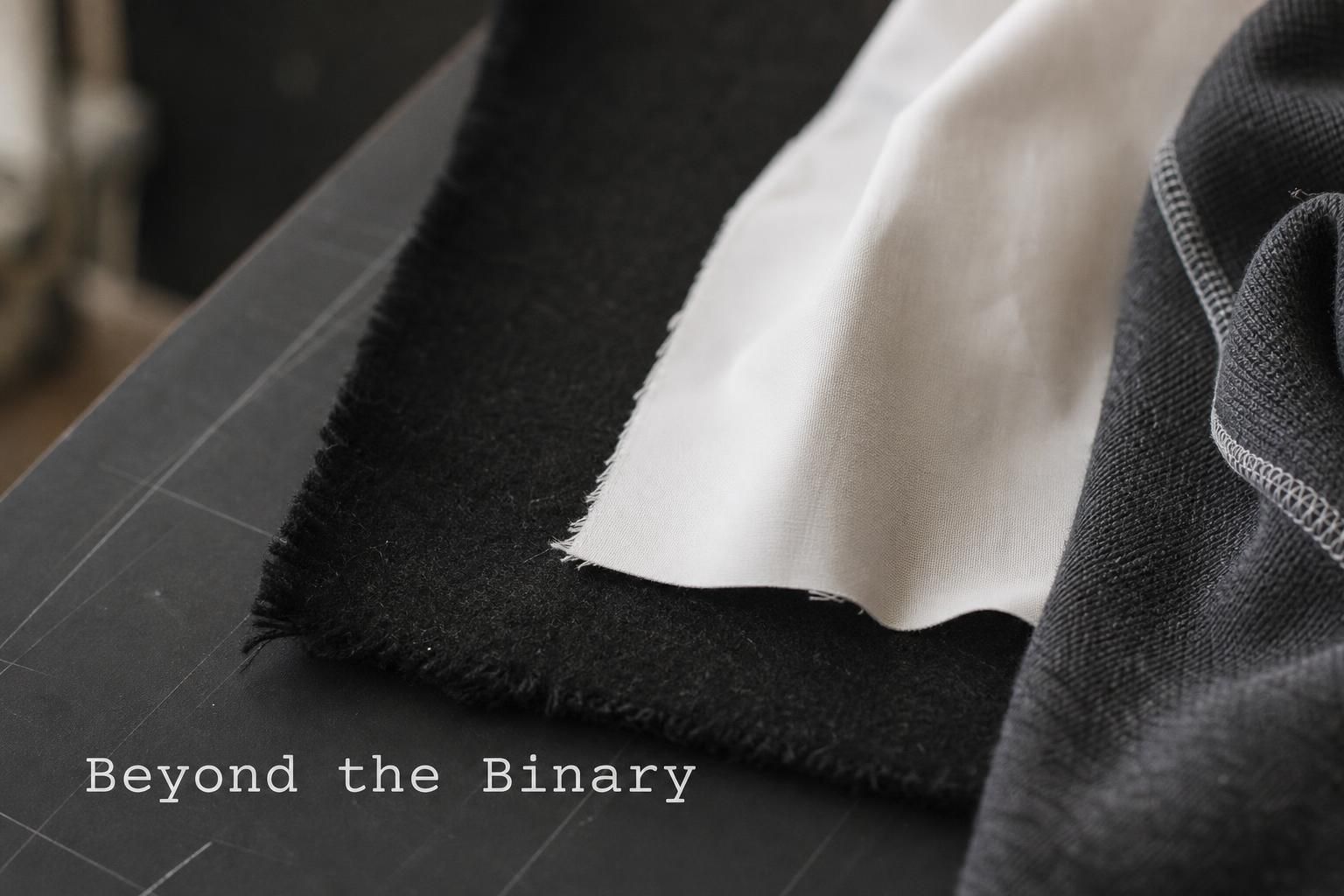
Deadstock fabric gives sustainable designer clothing a real advantage. It uses existing material that might otherwise sit unused, which supports a lower-waste approach.
That does not mean the clothes are compromise pieces. On the contrary, deadstock can create highly distinctive garments with better scarcity and a more individual finish. In Olivia Black’s work, that helps the clothes feel rare in a good way.
The brand’s deadstock-led pieces, including deadstock fabric clothing, show how material choice can become part of the design story. If you are buying premium fashion, that story should be visible in the garment itself. You should be able to see the quality in the drape, structure, and detailing.
For readers who want a deeper explanation of the fabric strategy, Deadstock Denim Jeans: What They Are and Why They Matter offers useful context. It shows why limited fabric availability can lead to smarter decisions and stronger design focus.
Limited-run production instead of mass fashion
Limited-run production is one of the clearest signs of genuine sustainable designer clothing. It reduces overproduction and keeps the collection more focused.
That approach also changes the shopping experience. Instead of chasing endless restocks, you are choosing something with a finite life cycle and a more personal feel. For buyers, that often increases perceived value.
Olivia Black’s limited-run model supports that idea directly. Pieces such as the limited-run fashion London edit and the sustainable designer denim range show how smaller quantities can still feel polished and complete.
This is also where scarcity becomes meaningful rather than artificial. The clothes are not limited to create hype alone. They are limited because the production model is slower, more intentional, and aligned with the materials available.
Garments designed for longevity
Longevity is what separates good sustainable designer clothing from fashionable waste. If a piece cannot be worn often, styled several ways, and cared for properly, the sustainability story is incomplete.
Olivia Black designs with repeat wear in mind. That means shape, proportion, and finish matter as much as the initial visual impact. A strong jacket, a well-cut trouser, or a dress with flexible styling potential holds its value better over time.
The wardrobe logic is simple. You want garments that can move between casual and elevated dressing without looking forced. That is why the brand’s pieces are made to be restyled, not just displayed.
For a practical style route, the What Is Gender Fluid Clothing? guide is useful. It explains how clothes can support identity while still working as long-term wardrobe investments.
Shop Sustainable Designer Clothing
If you are ready to buy, the best sustainable designer clothing is the piece that matches your wardrobe and your lifestyle. Olivia Black’s collection is built around versatile statements, not throwaway trends.
The range includes denim, dresses, trousers, and shirts that can be dressed up or down. That flexibility matters because premium clothing should earn repeat wear. It should also feel distinct enough to justify the investment.
For inspiration, many shoppers also look at broader ethical fashion roundups, such as Marie Claire UK’s fashion sustainability awards coverage and conversations around genuinely conscious labels like the video below.
For a deeper dive into genuinely sustainability-minded fashion labels, watch this brand roundup from inspiroue:
The following product areas are a strong starting point for anyone exploring sustainable designer clothing with a premium finish.
Sustainable designer denim
Sustainable designer denim should feel structured, comfortable, and built for repeat wear. The best versions balance shape and durability without losing personality.
Olivia Black’s denim pieces do exactly that. The Weaver Jeans and Weaver Denim Jacket are designed to look sharp while still fitting into a slower wardrobe. If you want a tighter product story, the brand’s deadstock denim jeans page explains why limited fabric can lead to better decision-making.
Denim is often where sustainability claims are weakest. That is why Olivia Black’s approach stands out. It treats denim as designer clothing first and an everyday staple second.
Sustainable designer dresses
Sustainable designer dresses need styling range. A dress should work for events, dinners, travel, and repeat wear.
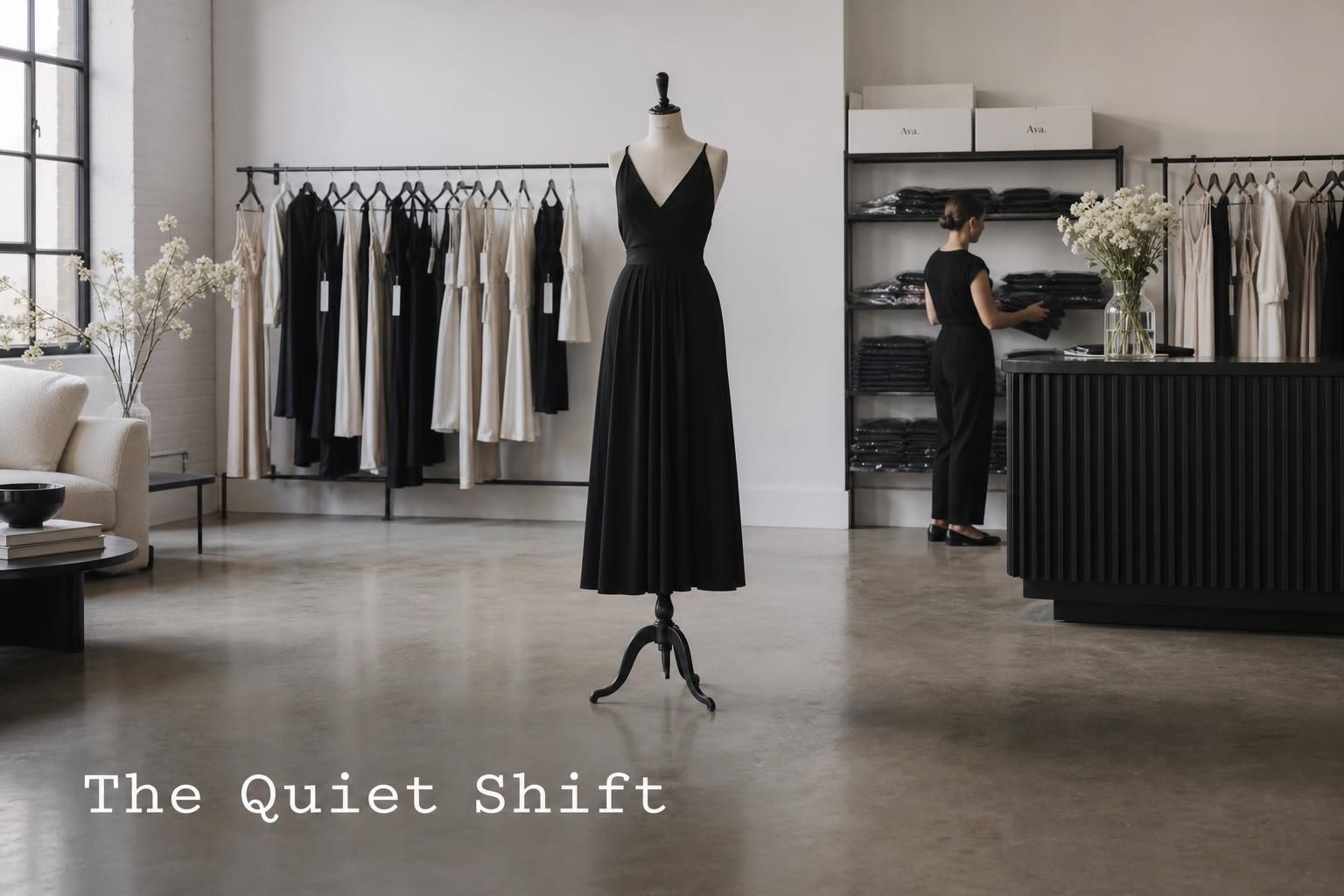
That is where the Ava Dress and Maglen Dress fit neatly into the collection. The Ava Dress also comes as a seven-day rental option, which gives shoppers a lower-commitment way to wear a statement piece. For buyers who want to own, the logic is still the same: choose a dress with enough shape and presence to matter again later.
If you are shopping for a sustainable dress UK audience often values, think beyond the event itself. A strong dress should return in a new styling context, not disappear after one occasion.
Designer trousers and shirts
Designer trousers and shirts are the backbone of a smarter wardrobe. They anchor outfits and make other pieces easier to style.
Olivia Black’s Feather Trouser and Aviary Shirt show how sustainable designer clothing can still feel directional. They are useful pieces, but they also carry a clear aesthetic point of view. That balance is important.
If you prefer a more fluid silhouette, the broader gender fluid clothing UK edit helps you find pieces that work across style preferences without feeling generic.
For many shoppers, that is the appeal of sustainable designer clothing. It is practical, but it does not feel plain.
Why Does Sustainable Designer Clothing Cost More?
Sustainable designer clothing costs more because it is made with more intention and less volume. The price reflects fabric sourcing, small-batch production, design development, and the skill needed to finish garments well.
That does not mean every expensive garment is sustainable. It means the best sustainable designer clothing has real inputs behind the price. In Olivia Black’s case, those inputs include deadstock fabric, limited runs, and a design process focused on fit and longevity.
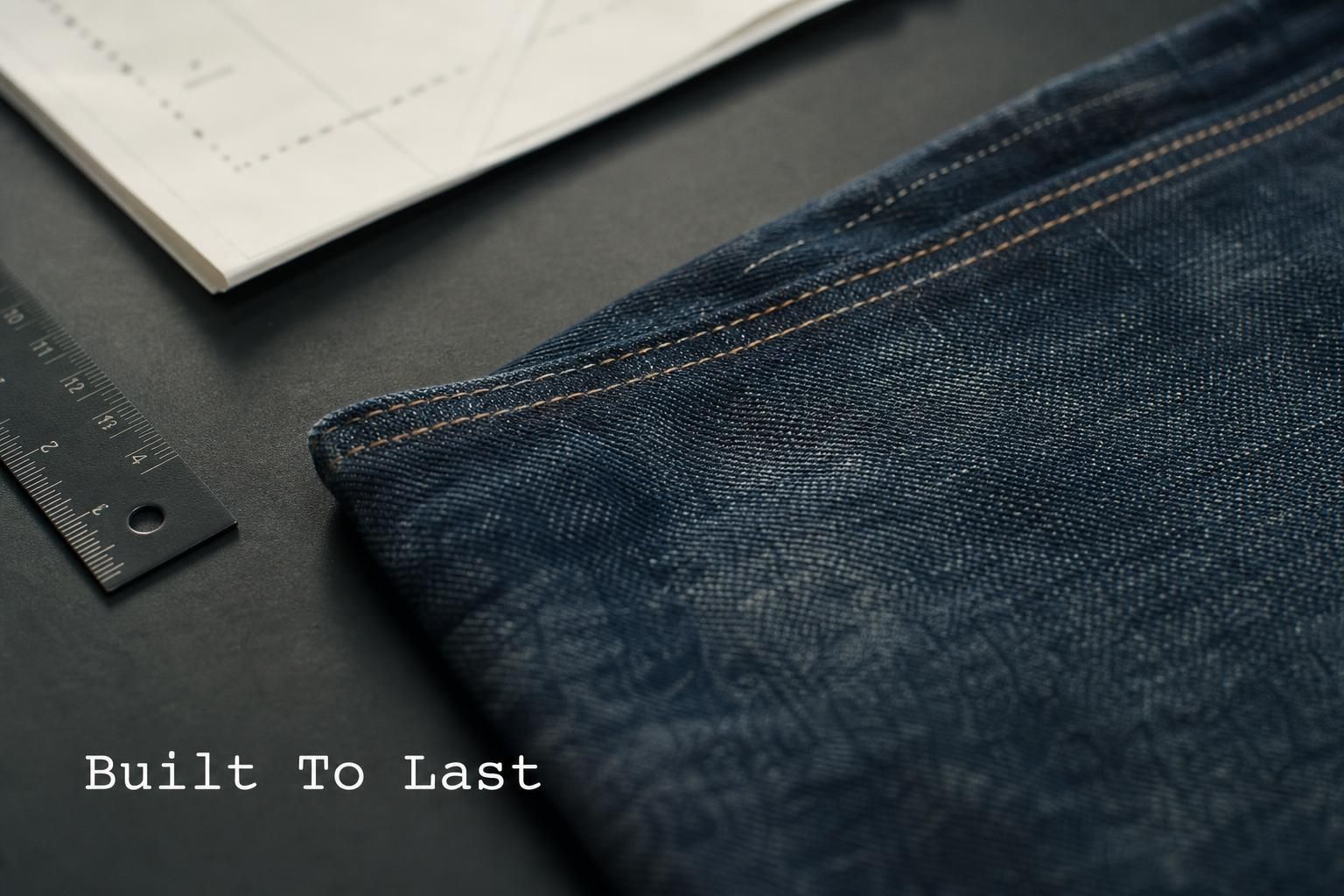
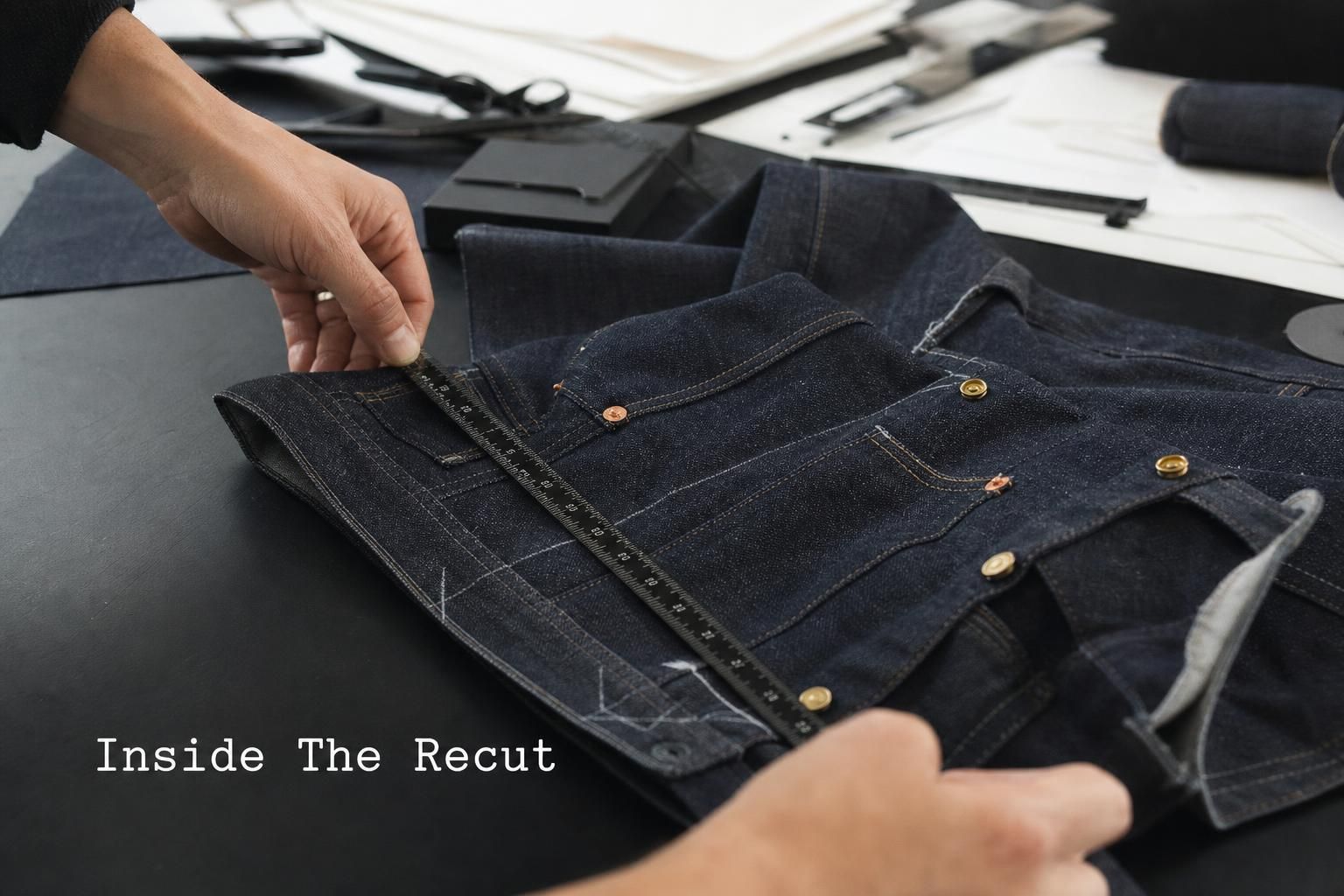
Craft also matters. Clean seams, considered shaping, and better finishing take time. So does testing a silhouette until it sits properly on the body. Those details are easy to miss in product photography, but they make a huge difference in wear.
This is why luxury and sustainability are not opposites here. They support each other when the brand refuses to overproduce. For a broader perspective on that relationship, Luxury Sustainable Fashion: Why Craft, Materials and Limited Runs Matter is worth reading.
The value case is straightforward. If you wear a garment often, style it in multiple ways, and keep it for longer, the cost per wear improves naturally. More importantly, the garment becomes part of your wardrobe identity.
That is the real promise of sustainable designer clothing. You are not just buying an item. You are buying something designed to stay relevant.
How does craftsmanship change the final garment?
Craftsmanship changes how a garment moves, holds shape, and feels on the body. It also affects how well the piece survives repeated wear.
In premium sustainable designer clothing, craftsmanship is not decorative. It is the reason the piece performs as well as it looks.
How Should You Care for Investment Pieces?
Caring for sustainable designer clothing is part of the value. Good care helps fabrics last longer and preserves fit, colour, and structure.
The first rule is simple: follow the garment label. Then reduce unnecessary washing, store pieces properly, and reshape items after wear when needed. For denim, less frequent washing usually helps maintain the fabric’s character. For dresses and tailored pieces, careful steaming and proper hanging can make a big difference.
It also helps to think in outfits, not isolated items. A piece lasts longer when it rotates through your wardrobe rather than being saved for rare occasions. That is especially true for sustainable designer clothing designed to be expressive and versatile.
If you are new to slower buying habits, the slow fashion clothing guide is a useful reference point. It explains how buying less can make your wardrobe easier to maintain.
For some shoppers, rental is also part of the care conversation. A dress like the Ava Dress can be worn through sustainable clothing rental before becoming an owned investment piece. That can be a smart way to test fit, styling, and occasion value.
Meanwhile, readers who want inspiration from alternative ethical style conversations may enjoy this YouTube roundup from Emily Boo. It is especially useful for people looking at expressive, gender-neutral wardrobes:
For readers looking for ethical fashion with alternative and gender-neutral style inspiration, Emily Boo’s slow fashion brand roundup is a useful watch:
Ultimately, care is about respect. When you look after sustainable designer clothing well, it keeps looking intentional instead of tired.
What is the easiest care routine to follow?
Keep it simple and consistent. Air garments after wear, clean them only when needed, and store them in a way that protects shape.
That routine supports longevity without making care feel complicated.
Key Takeaways
- Sustainable designer clothing is premium when it combines responsible materials, limited production, and strong design.
- Olivia Black’s value comes from deadstock sourcing, small-batch making, and gender-fluid silhouettes that feel distinctive.
- Limited-run fashion helps reduce overproduction and makes each piece feel more considered and personal.
- Craftsmanship and fit matter as much as sustainability claims because they determine how often a garment gets worn.
- Good care extends the life of investment pieces and helps sustainable designer clothing stay relevant for years.
Frequently Asked Questions
Which designer brands are sustainable?
Sustainable designer clothing brands usually combine responsible materials, limited production, and transparent design practices. Olivia Black is one example, especially for shoppers who want gender-fluid pieces, deadstock fabrics, and limited-run garments that feel premium rather than mass made.
Which designer is known for sustainable fashion?
Several designers are associated with sustainable fashion, but the strongest names are usually those with visible material and production standards. Olivia Black stands out for sustainable designer clothing made in limited runs, with a focus on deadstock sourcing, fit, and longevity.
What are some sustainable clothing brands?
Sustainable clothing brands are the ones that can explain where materials come from, how pieces are made, and why they are designed to last. Olivia Black fits that definition through sustainable designer clothing, deadstock fabric garments, and small-batch production.
Is Zara a sustainable brand?
Zara is not generally considered a sustainable brand in the same way as a dedicated slow-fashion label. If you want sustainable designer clothing, look for brands that are transparent about materials, production volume, and garment longevity, such as Olivia Black.
Why choose sustainable designer clothing instead of fast fashion?
Sustainable designer clothing is built for repeated wear, better fit, and a lower-waste mindset. It usually lasts longer in the wardrobe, feels more distinctive, and gives you more styling options than disposable fashion.