How to Dress Genderfluid: A Practical Styling Guide

Olivia Black • October 6, 2026

Share this article

Quick Answer

If you want to know how to dress genderfluid, start with how you want to feel, then build around silhouette, fabric, and balance rather than gender rules. Mix shirts, trousers, dresses, denim, and layers in ways that feel authentic, comfortable, and repeatable.

Learning how to dress genderfluid is less about following rules and more about creating a wardrobe that shifts with you. The best outfits usually start with fit, proportion, and mood, then move into texture, structure, and personal detail. That approach makes room for expression without forcing you into a narrow idea of androgyny. If you want a starting point, Olivia Black’s gender fluid clothing guide is a useful companion, especially if you are building a slower wardrobe with pieces you will actually wear. This article focuses on practical outfit formulas using denim, shirts, dresses, jackets, and trousers, so you can see how to dress genderfluid in a way that feels creative, wearable, and individual. You do not need to look one specific way to be read as genderfluid. Instead, you can use styling to move between softness and structure, volume and precision, or polish and ease, depending on the day.

How to dress genderfluid by starting with how you want to feel

The simplest answer to how to dress genderfluid is to dress for your current sense of self, not for someone else’s expectations. That means choosing pieces that support your mood, your comfort, and the way you want to move through the day. If you want ease, choose fluid fabrics and relaxed lines. If you want impact, choose sharper tailoring or a strong colour contrast.

This is also where a slower wardrobe helps. Olivia Black’s about page explains the brand’s design approach, and that matters because gender-fluid dressing often works best when garments feel considered rather than costume-like. A good outfit should feel like you, not like a theme.

A helpful way to think about how to dress genderfluid is to ask three questions before you get dressed:
- Do I want to look softer, sharper, or somewhere between both?
- Do I want my outfit to skim, shape, or frame the body?
- Do I want one statement piece or a quiet, layered look?

That decision-making process keeps styling grounded. It also makes shopping easier. For example, a genderfluid wardrobe can include a boxy jacket, a dress with movement, a straight-leg trouser, and a shirt with personality. None of those pieces have one fixed identity.

If you like seeing styling ideas in motion, it can help to look at gender fluid clothing ideas on Pinterest alongside your own wardrobe. You will usually notice the same pattern: the strongest outfits are not about rules. They are about balance, intention, and repeatable combinations.

If you are exploring how to dress genderfluid for the first time, start small. Swap one item, try one silhouette shift, or layer one unexpected piece. That is often enough to reveal what feels right.

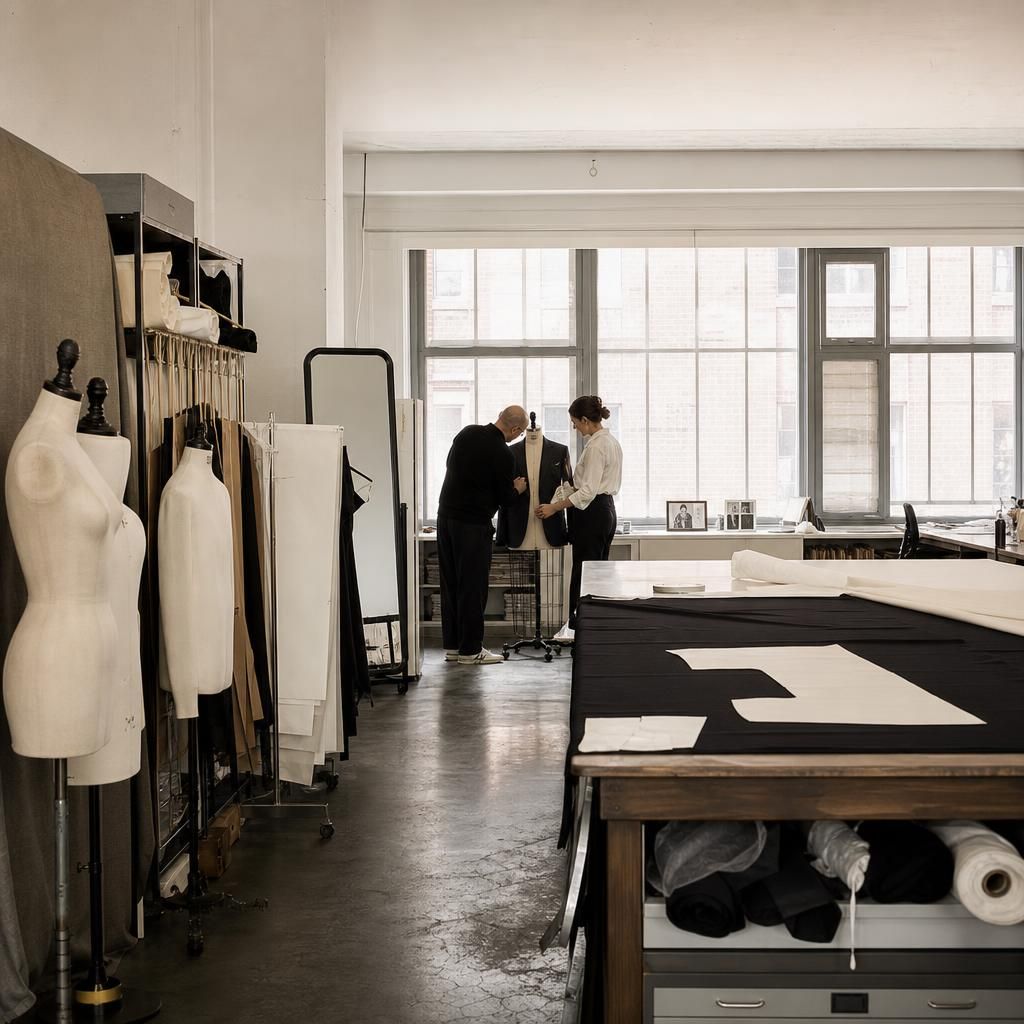
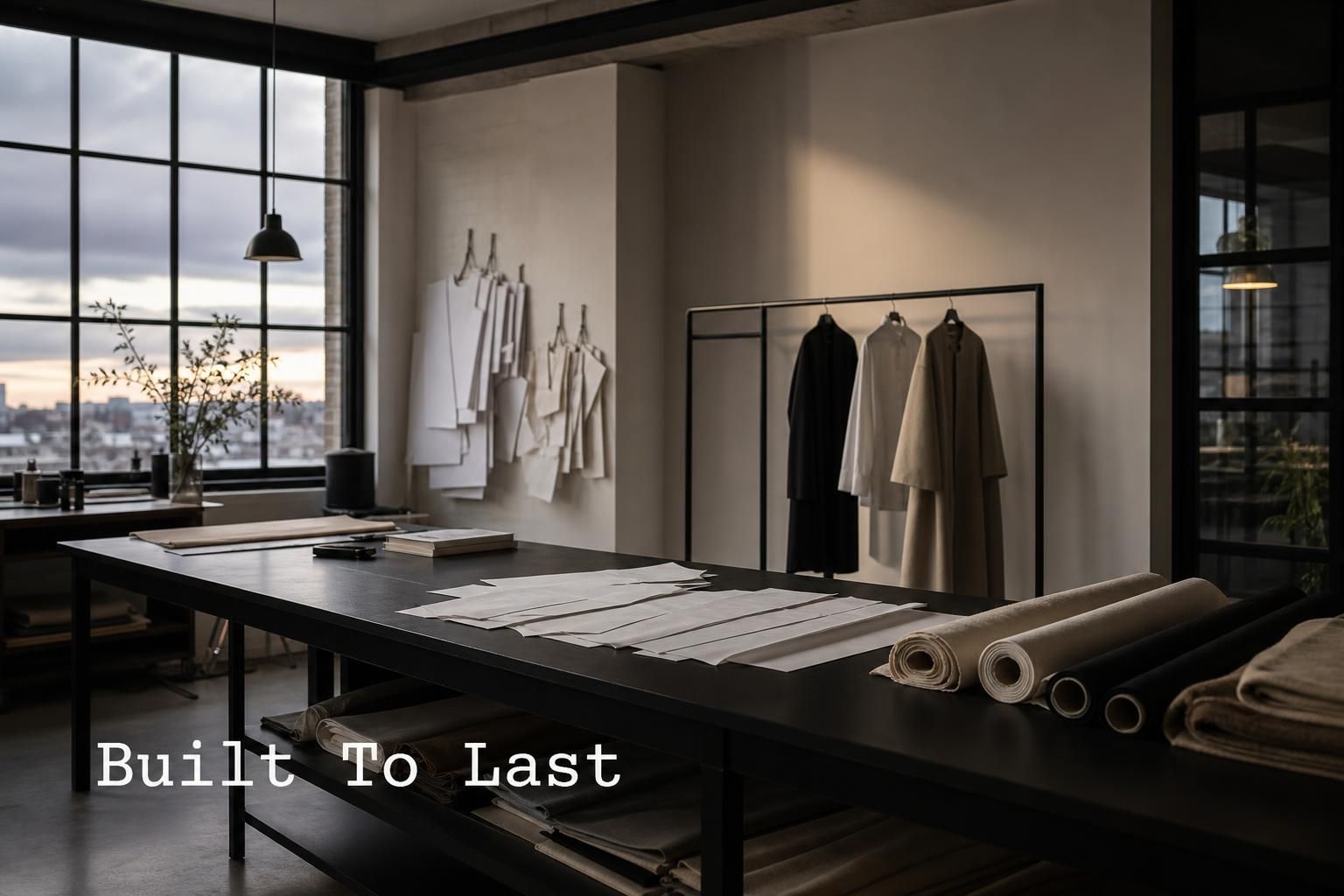
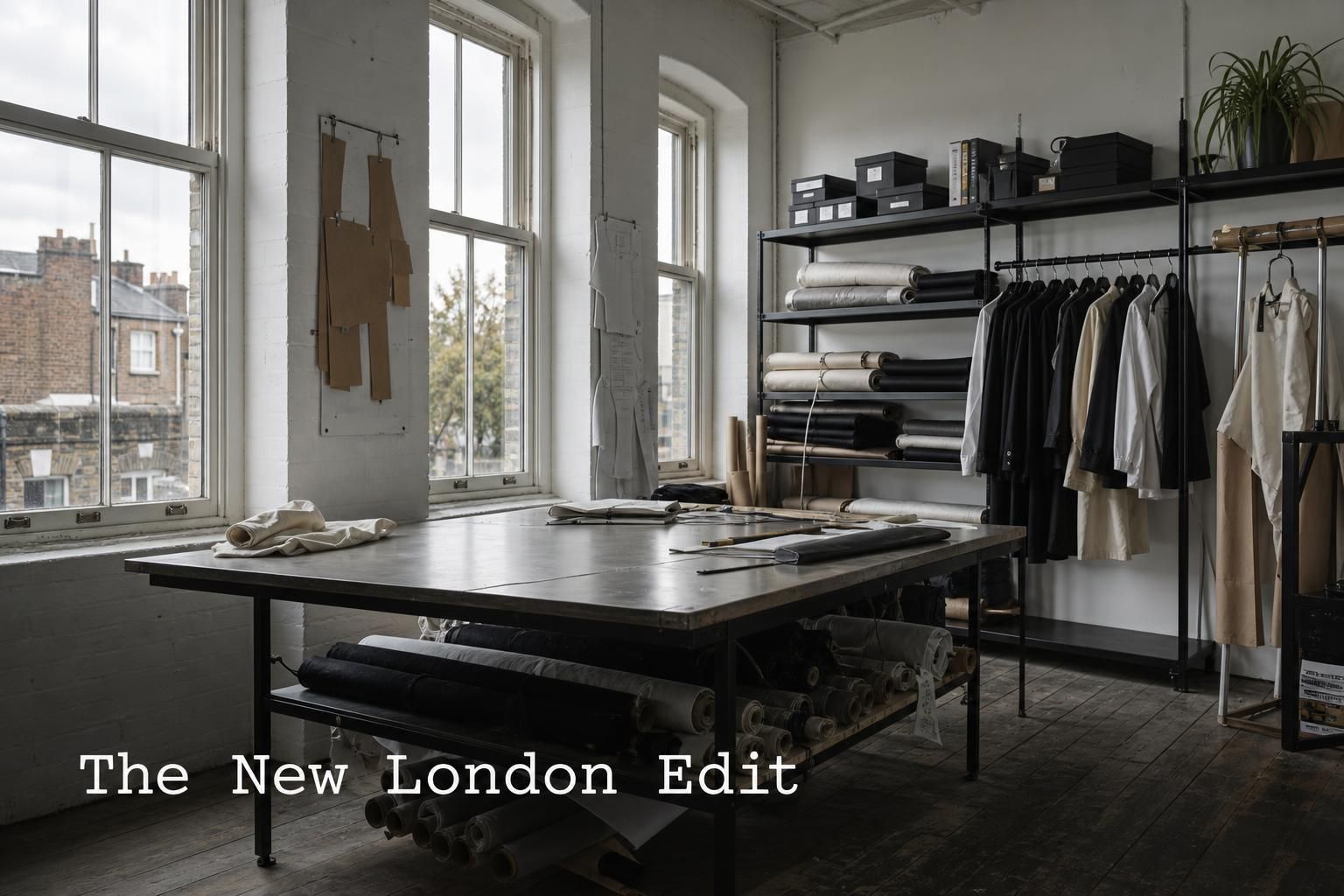
Tailoring studio with mannequins and fabric bolts 

What do genderfluid people wear?

Genderfluid people wear whatever aligns with their identity, comfort, and style. There is no universal uniform, and that is the point.

Some days that might mean a shirt and trouser combination. Other days it might mean a dress with boots or denim with a tailored layer. The useful question is not what genderfluid people should wear, but what clothing helps the wearer feel most themselves.

How to dress genderfluid with silhouette, not gender

The most useful styling shift is to stop reading clothes as masculine or feminine first. Instead, look at shape. That is the core of how to dress genderfluid in a way that feels modern and non-prescriptive.

Silhouette controls the feeling of an outfit. A structured shoulder creates presence. A draped hem softens the body line. A straight trouser lengthens the leg. A fuller dress creates movement. When you style by silhouette, you gain freedom from binary assumptions.

This is where practical examples matter. A piece like the Weaver Denim Jacket can create structure over a softer base. Meanwhile, the Maglen Dress can be worn for shape and movement, not just for one type of presentation. The same logic applies to trousers such as the Feather Trouser, which can anchor a look without making it feel stiff.

A useful styling method is to pair opposites. For example, combine a crisp shirt with a fluid bottom, or a dress with a strong outer layer. That contrast creates visual tension, which is often what makes genderfluid dressing feel compelling.

For a broader view of inclusive styling, gender neutral fashion can be a helpful reference point. However, genderfluid style does not have to hide shape. It can celebrate it. It can be dramatic, minimal, soft, tailored, romantic, or streetwear-led.

If you want inspiration from a thrifted, practical angle, the video below shows how secondhand pieces can be mixed into expressive outfits.

The key is to use silhouette as your styling language. Once you do that, how to dress genderfluid becomes far more flexible and far less intimidating.

Structured looks

Structured looks work well when you want definition, polish, or visual clarity. Think denim jackets, straight trousers, shirts with clean lines, and footwear that grounds the outfit.

A structured look does not need to feel rigid. It only needs enough shape to create a clear outline. That balance can make an outfit feel confident without relying on gendered coding.

Soft draped looks

Soft draped looks are useful when you want movement, ease, or a more fluid outline. Choose fabrics that fall rather than cling, and let layers move naturally.

This approach is especially good for people who want comfort without losing intention. A draped look can still feel sharp if the proportions are deliberate.

Mixed masculine and feminine references

Mixed references are often the most interesting part of how to dress genderfluid. A shirt with a dress. A jacket with a softer hemline. A trouser with jewellery or a lower neckline.

The goal is not contrast for its own sake. The goal is to make the outfit feel layered, personal, and unforced.

How to dress genderfluid with outfit formulas that actually work

If you want reliable outfits, formulas are more useful than rules. They help you repeat what works while still leaving space for change. That is one of the most practical answers to how to dress genderfluid on busy days.

Start with combinations that are easy to remix. Denim plus a jacket is a strong base. A dress over trousers creates tension and movement. A shirt, trouser, and statement layer gives you control over proportion.

These formulas also support sustainable shopping. Olivia Black’s Weaver Jeans and Weaver Denim Jacket work well as repeatable building blocks. Because they are designed as part of a limited-run, slower wardrobe, they can anchor multiple looks rather than serving one narrow purpose. For readers who prefer the bigger picture, sustainable designer clothing explains why small-batch pieces often feel more versatile.

Here are three easy outfit formulas:
- Denim and jacket: jeans, tee or shirt, and a denim or tailored outer layer.
- Dress over trousers: a dress with slim or straight trousers underneath.
- Shirt, trouser, and statement layer: a strong shirt, clean trouser, and one standout coat or jacket.

If you prefer renting for occasional wear, the Ava Dress rental option is useful for events, photos, or moments when you want a more expressive silhouette without buying another garment.

The best formulas are repeatable. They should help you get dressed faster, not make dressing feel like a performance. That is why how to dress genderfluid is really about building a toolkit, not chasing a single look.

Denim and jacket

Denim and jacket is the most adaptable formula. It works because denim grounds the look while the jacket controls the tone.

Try a straight jean with a boxy layer for sharper structure, or a softer top with a more architectural jacket if you want contrast.

Dress over trousers

Dress over trousers can be a great way to add dimension. It keeps the outfit practical while changing the silhouette in a deliberate way.

This formula works especially well when you want movement from the dress and stability from the trouser.

Shirt, trouser and statement layer

This is the most versatile formula for everyday wear. It gives you a clean base and one place to add personality.

Use texture, colour, or shape as the statement. That might be an oversized shirt, a sculptural jacket, or a sharply cut trouser.

How to use accessories and styling details when you dress genderfluid

Accessories are often where a look becomes unmistakably yours. They are small, but they have a big effect on how to dress genderfluid because they change the mood without changing the whole outfit.

Think in terms of finish, not decoration. A belt can alter proportion. Jewellery can shift the tone from casual to polished. Shoes can make a soft outfit feel grounded, or make a structured outfit feel relaxed. Even the way you cuff a sleeve or half-tuck a shirt changes the visual balance.

Details matter because they help you fine-tune expression. If your outfit feels too formal, soften it with a looser finish. If it feels too plain, add one item with texture or shine. If it feels too heavy, let skin, fabric movement, or an open layer break it up.

This is also a good place to experiment without pressure. You do not need to commit to a full wardrobe overhaul to explore how to dress genderfluid. Start with one accessory choice at a time. Then notice what changes in how the outfit feels.

When you use details well, the clothes stop speaking for you. You start speaking through them. That is often where genderfluid style becomes the most personal.

How to choose sizes across categories when you dress genderfluid

The best size is the one that supports the silhouette you want. That is the most practical answer to how to dress genderfluid when shopping across shirts, denim, dresses, and trousers.

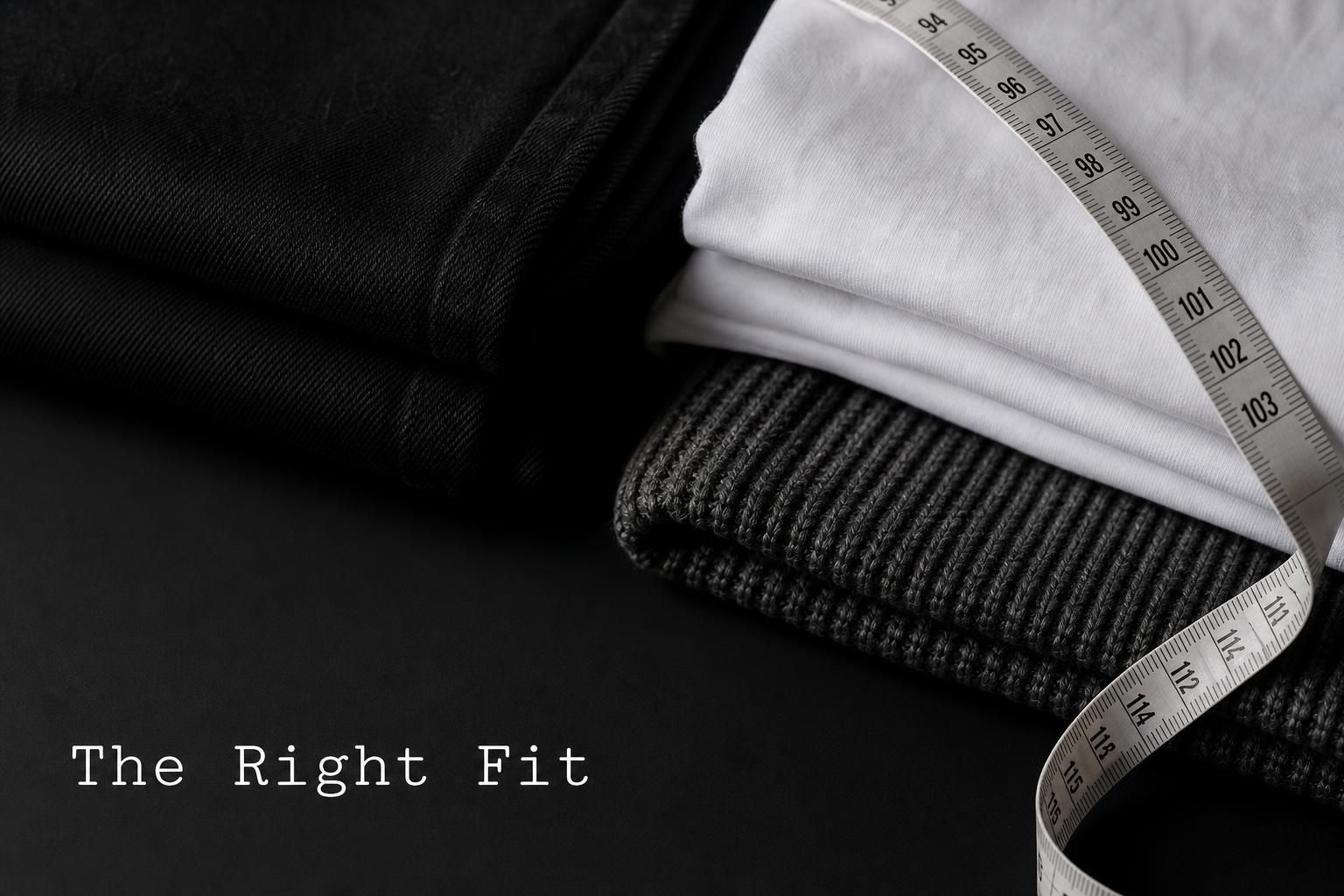
Different categories fit differently, so avoid assuming your usual size will work everywhere. Instead, compare garment measurements, check shoulder width, waist placement, rise, and intended drape, and decide what you want the item to do on your body. A shirt may need room in the shoulders. A dress may need movement through the bust or hips. A trouser may need a rise that suits how you like to wear it.

Olivia Black’s gender-neutral size guide is useful if you want a measurement-led approach. It helps you shop for shape rather than gendered assumptions, which is especially helpful when choosing between fitted and fluid pieces.

A few practical checks can save a lot of frustration:
- Compare your body measurements with the garment measurements.
- Think about where you want structure versus ease.
- Decide whether you want a close fit, a relaxed fit, or an intentionally oversized shape.
- If you are between sizes, choose based on silhouette, not habit.

This approach is especially valuable for genderfluid dressing because fit and expression are connected. A garment can be technically correct and still feel wrong if the proportions do not match your intention. Likewise, a piece that seems unexpected on paper may feel perfect once styled.

If you want to learn more about responsible making and shopping, ethical fashion London is a useful next read. It adds context for why fit, fabrication, and limited runs often matter together.

Genderfluid dressing FAQs

These are the questions people ask most often when learning how to dress genderfluid. The short answers come first, followed by practical context you can use right away.

Key Takeaways

  • How to dress genderfluid starts with how you want to feel, then builds around silhouette, comfort, and balance.
  • Structured, soft, and mixed-reference outfits can all work when they reflect your style rather than gender rules.
  • Reliable outfit formulas like denim and jacket, dress over trousers, and shirt-trouser-layer combinations make dressing easier.
  • Accessories, proportion, and garment measurements help refine the look without making it prescriptive.
  • Genderfluid style has no single uniform, and identity is separate from orientation.

Frequently Asked Questions

What do genderfluid people wear?

Genderfluid people wear whatever feels right for their identity, comfort, and expression. That can include dresses, shirts, denim, trousers, jackets, skirts, or a mix of all of them.

The key point is choice. There is no required style, and there is no single aesthetic that makes someone genderfluid. Many people use silhouette, layering, and texture to shift how an outfit reads from day to day.

What is the 3-3-3 rule for clothes?

The 3-3-3 rule is a simple outfit method that usually means building a small wardrobe from a limited number of tops, bottoms, and shoes. People use it to make dressing easier.

For genderfluid dressing, it can be helpful because it encourages mix-and-match outfits without overcomplicating choices. You can adapt the idea to your own wardrobe by choosing versatile pieces that work across multiple moods and silhouettes.

How can I tell if I'm genderfluid?

You may be genderfluid if your sense of gender changes over time, or if the way you want to express yourself shifts from day to day. That experience looks different for everyone.

Style can be a useful tool for noticing patterns, but clothing alone does not define identity. If exploring gender feels clarifying, it may help to journal, experiment privately, or speak with trusted people or communities that feel affirming.

Can you be straight if you're genderfluid?

Yes, you can be straight if you are genderfluid. Gender identity and sexual orientation are separate parts of a person.

Someone can be genderfluid and still be attracted to the opposite sex, the same sex, multiple genders, or a different pattern altogether. If you are sorting out those labels, it can help to treat them as independent questions rather than one combined test.

Recent Posts

Gender-Neutral Size Guide for Olivia Black Clothing
By Olivia Black • October 5, 2026
A gender neutral size guide should make shopping feel clearer, calmer, and more expressive. At Olivia Black, sizing is not about fitting a binary label. It is about helping you choose the right shape, drape, and comfort level for your body and style. That matters whether you want a sharper shoulder, more room through the hip, or a softer silhouette that moves with you. This guide focuses on body measurements, garment measurements, and how each piece is meant to sit on the body. It is designed…
Where to Buy Unisex Clothing Online: A Guide to Gender-Fluid Style
By Olivia Black • October 4, 2026
If you are searching for where to buy unisex clothing, the best place to start is with brands that treat fit, fabric, and self-expression as equally important. Some retailers are great for basics. Others are better when you want clothing that feels intentional, elevated, and made to last. That difference matters, especially if you are building a wardrobe that works across settings and across gender expression. Olivia Black sits in the second category: gender-fluid, sustainable, and design-led…
Sustainable Denim Jeans: Limited-Run Designer Denim by Olivia Black
By Olivia Black • October 3, 2026
Sustainable denim jeans should do more than look good for one season. They should feel considered, wear beautifully, and fit into a slower wardrobe. That is the idea behind Olivia Black’s Weaver Jeans: sustainable denim jeans made in limited runs for people who want designer character, practical durability, and a more thoughtful materials story. If you are comparing options, start with the product itself, then look at how it is made, how often it is repeated, and how long it will stay in…
Sustainable Designer Clothing Made in Limited Runs
By Olivia Black • October 2, 2026
Sustainable designer clothing should do more than sound responsible. It should feel refined, fit well, and earn its place in a wardrobe for years. That is the standard Olivia Black follows. The brand’s pieces are built from deadstock and responsibly sourced fabrics, made in limited runs, and shaped with a clear design point of view. The result is sustainable designer clothing that feels premium because every decision is intentional, from fabric selection to finish. If you want the brand story…
Limited-Run Fashion London: Designer Clothing Made in Smaller Quantities
By Olivia Black • October 1, 2026
Limited run fashion London is where designer craft meets slower, more thoughtful buying. Instead of chasing constant drops, it focuses on smaller quantities, stronger design, and pieces that feel personal to the wearer. That matters in London, where style is expressive, local, and always moving, but not necessarily disposable. For Olivia Black, limited run fashion London is also a way to support sustainable gender-fluid clothing without losing the sharpness of designer fashion. It creates room…
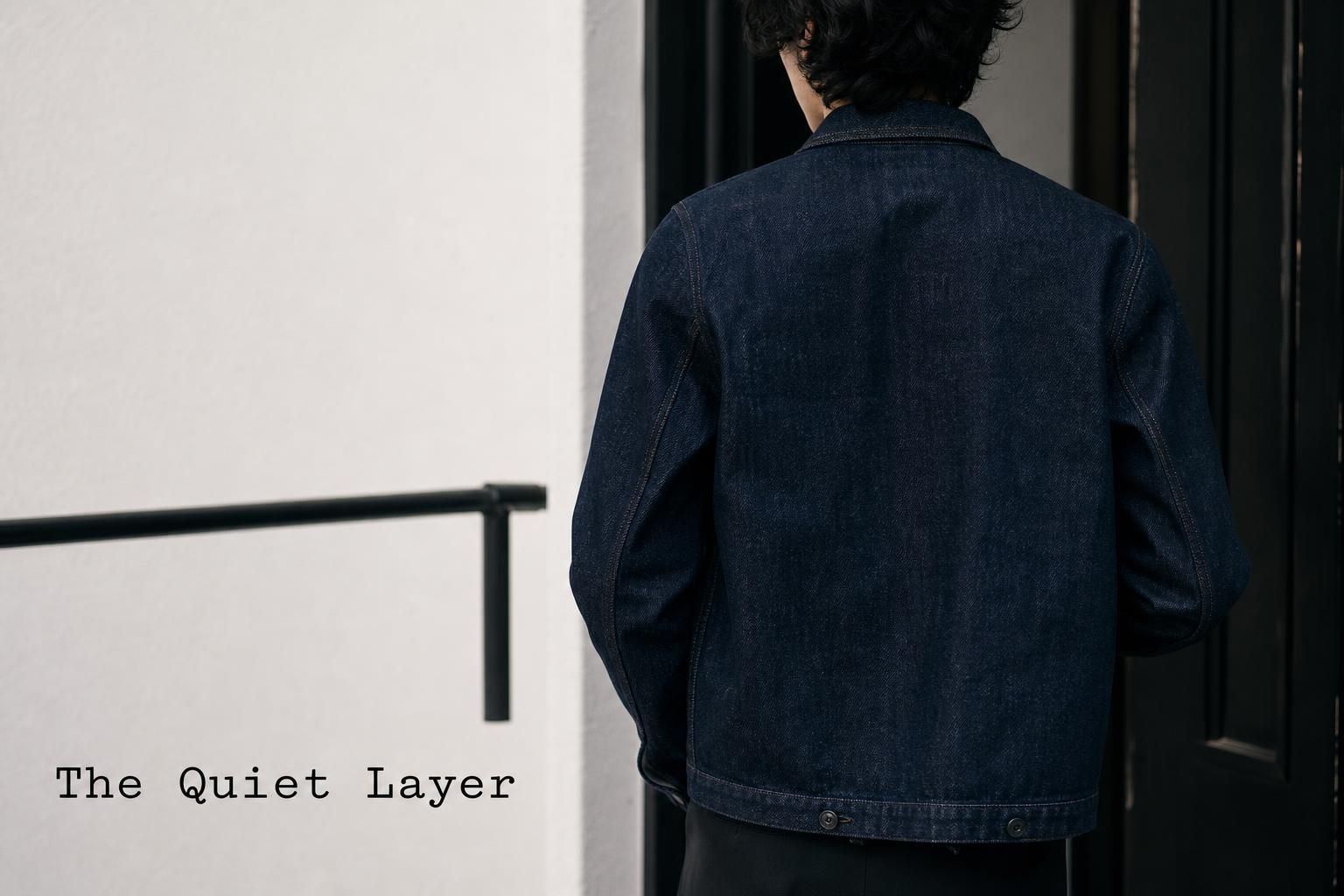
Gender Neutral Denim Jacket: The Weaver Denim Jacket
By Olivia Black • September 30, 2026
A gender neutral denim jacket should do more than look good. It should feel easy to wear, flexible to style, and built with intention. The Weaver Denim Jacket by Olivia Black is designed as a gender neutral denim jacket for people who want a statement layer with a lower-waste story, a clean shape, and room for personal expression. It works across casual streetwear, sharper tailoring, and fluid dressing, which makes it especially useful for London wardrobes that need to move from day to night…
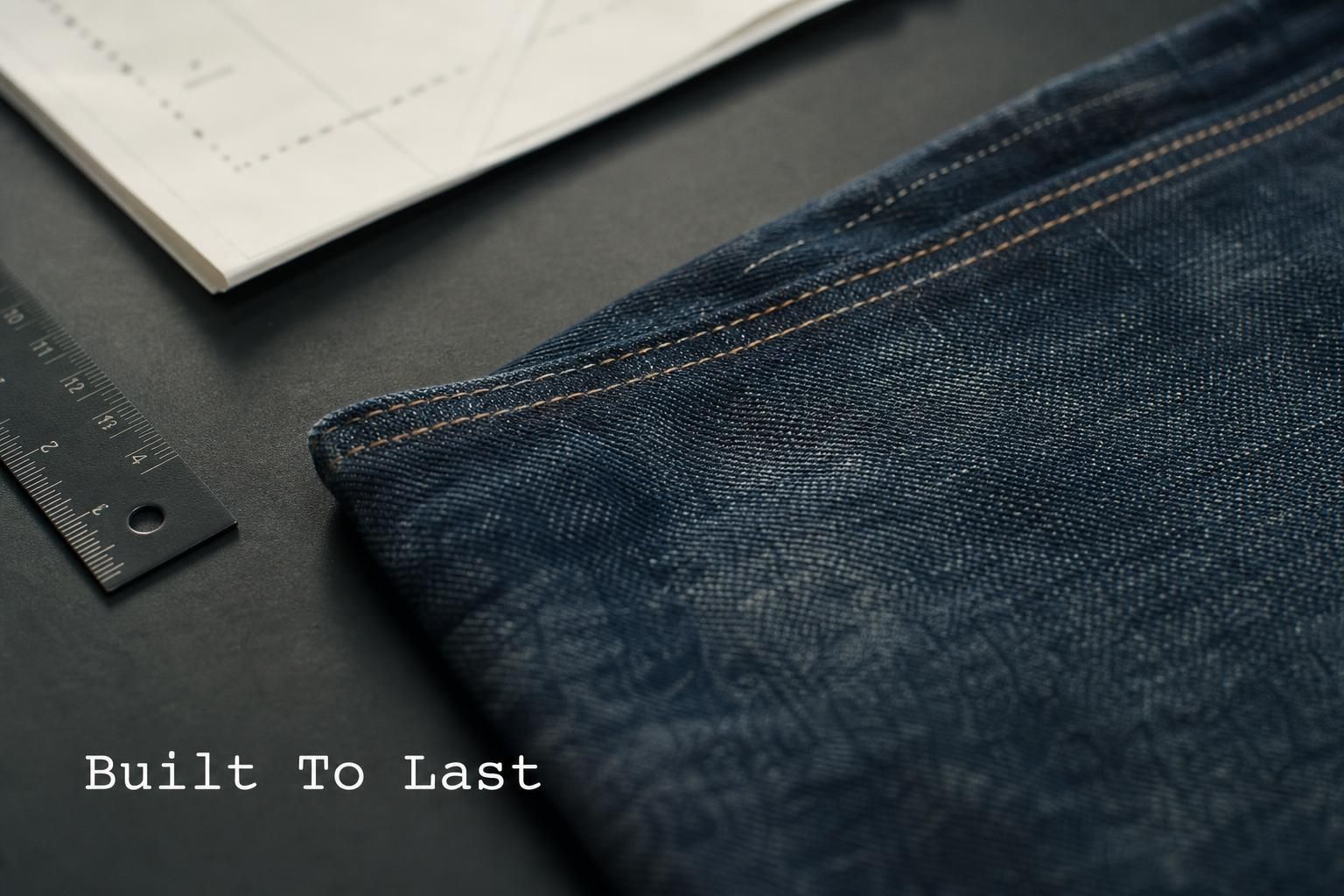
Sustainable Designer Jeans: The Weaver Jeans by Olivia Black
By Olivia Black • September 29, 2026
Sustainable designer jeans should do more than look good. They should feel considered, wear beautifully, and fit a wardrobe that values fewer, better pieces. That is where the Weaver Jeans by Olivia Black stand apart. They bring the shape and presence you want from elevated denim, while staying rooted in limited-run making and a lower-waste approach. If you are shopping for sustainable designer jeans in the UK, this pair is designed for people who want style with substance, not mass-market…
By Olivia Black • September 28, 2026
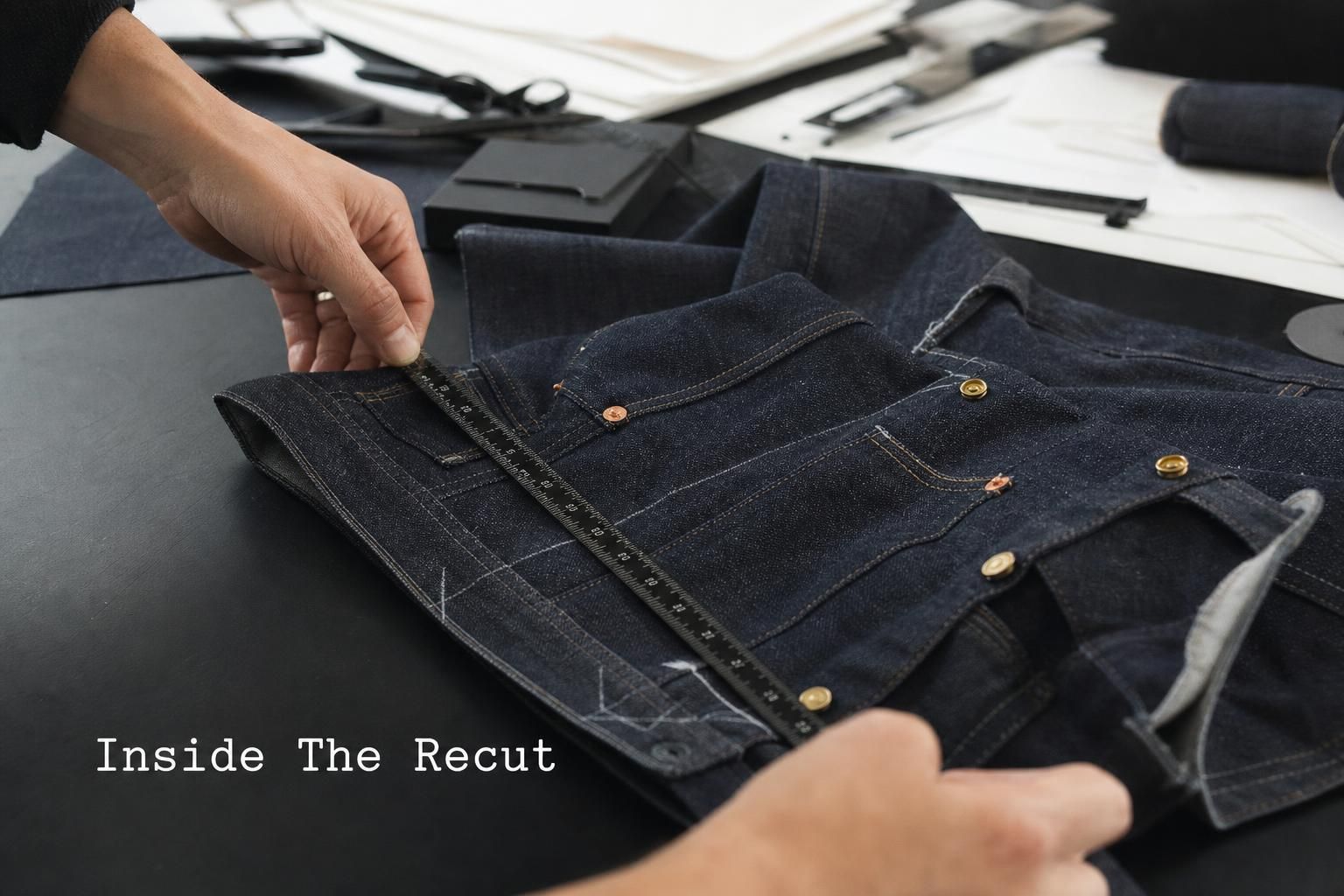
Deadstock denim jeans are a smarter way to buy denim when you want style, substance, and a lower-waste story. Instead of commissioning fresh fabric, deadstock denim jeans use existing surplus material, which gives valuable cloth a new life and helps keep limited fabric out of storage or disposal. For shoppers in London and across the UK, that matters because denim is often the hardest-working piece in the wardrobe. It should earn its place. Olivia Black’s Weaver Jeans turn that idea into a…
Sustainable Fashion Rental: Rent the Ava Dress for 7 Days
By Olivia Black • September 27, 2026
Sustainable fashion rental gives you the freedom to wear something special without adding another permanent item to your wardrobe. For occasion dressing, that matters. It means choosing a look with intention, then returning it when the moment is over. The Ava Dress 7 day rental from Olivia Black is built for exactly that kind of use: expressive, limited-run, and designed for a slower wardrobe. If you want to explore the brand behind the piece, start with Olivia Black’s story, or browse the…
By Olivia Black • September 26, 2026
When people search for sustainable fashion designers london, they usually want more than a label. They want proof of how clothes are made, where they are made, and why they last. Olivia Black belongs in that conversation because the brand combines gender-fluid design, limited-run production, and deadstock-led thinking with a London design identity that feels modern, creative, and precise. If you are comparing sustainable fashion designers london for quality as well as values, the difference is…
Show More