Non-Binary Clothing: Sustainable Styles Beyond the Gender Binary
Quick Answer
Non binary clothing is clothing designed to support self-expression beyond traditional men’s and women’s categories. It focuses on fit, comfort, silhouette, and identity rather than gender labels, making it easier to build a wardrobe that feels authentic, versatile, and sustainable.
Non binary clothing is about freedom first. It gives you room to dress for your body, your mood, and your identity without relying on rigid men’s or women’s rules. For many people, that means sharper tailoring, softer drape, oversized layers, or statement pieces that feel deeply personal.
At Olivia Black Studio, non binary clothing is also a sustainability story. Thoughtful design, small-batch production, and pieces you can wear more than one way all help create a wardrobe with less waste and more expression. If you want to see the brand world behind that approach, explore the ABOUT page or browse the SHOP for expressive pieces that move beyond binary dressing. This guide breaks down what non binary clothing really means, how to choose it, and how to style it for everyday wear in a way that feels current, wearable, and true to you.
Non-Binary Clothing Designed for Self-Expression
Non binary clothing is clothing that prioritises identity, comfort, and silhouette over gendered rules. In practice, that means you choose pieces because they feel right, not because a label tells you they should belong to a man or a woman.
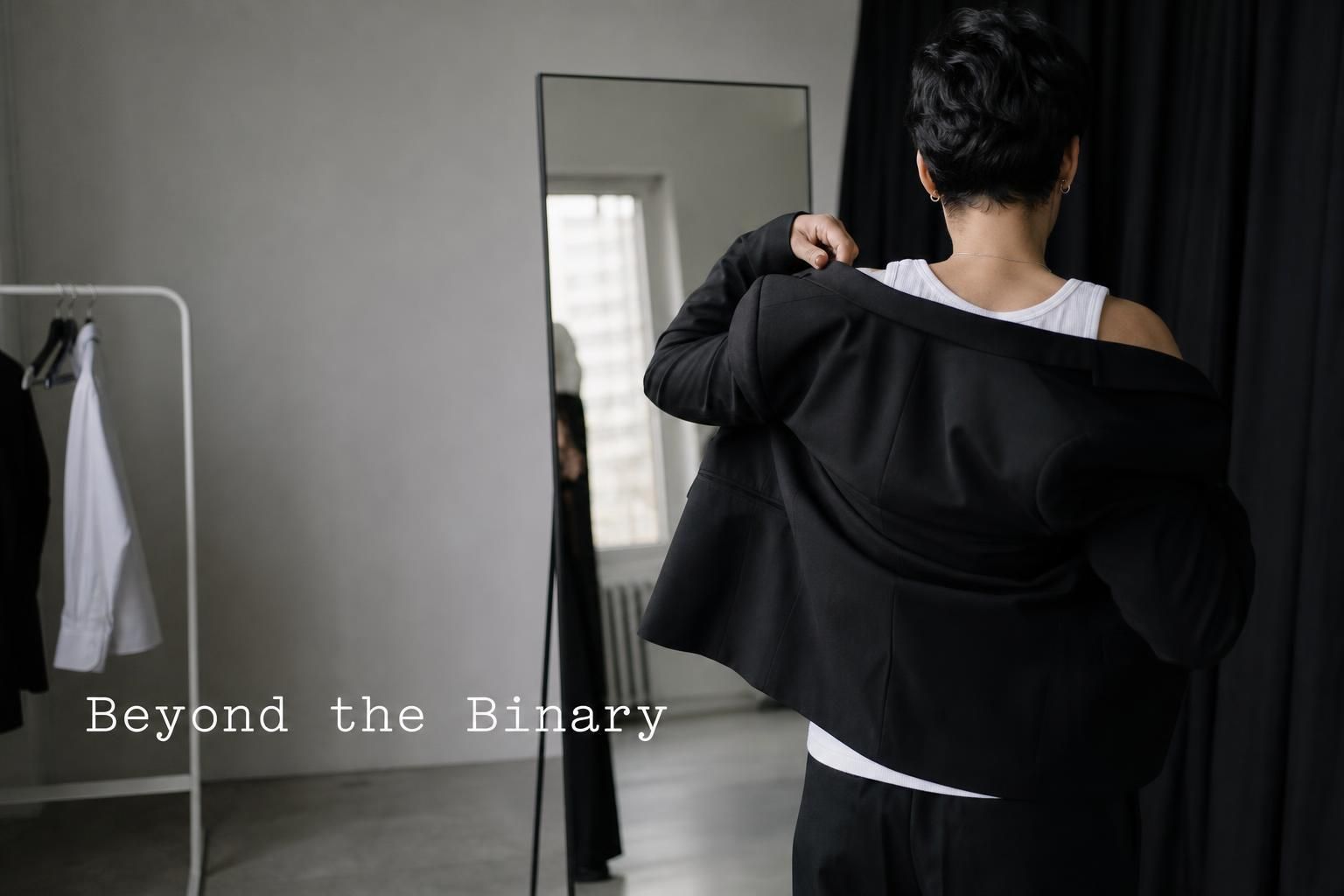
This matters because style is personal. A cropped jacket can feel powerful. A relaxed shirt can feel grounding. A flowing trouser can feel elegant. The same garment can also read differently depending on how you wear it, which is why non binary clothing works so well for people who want flexibility.
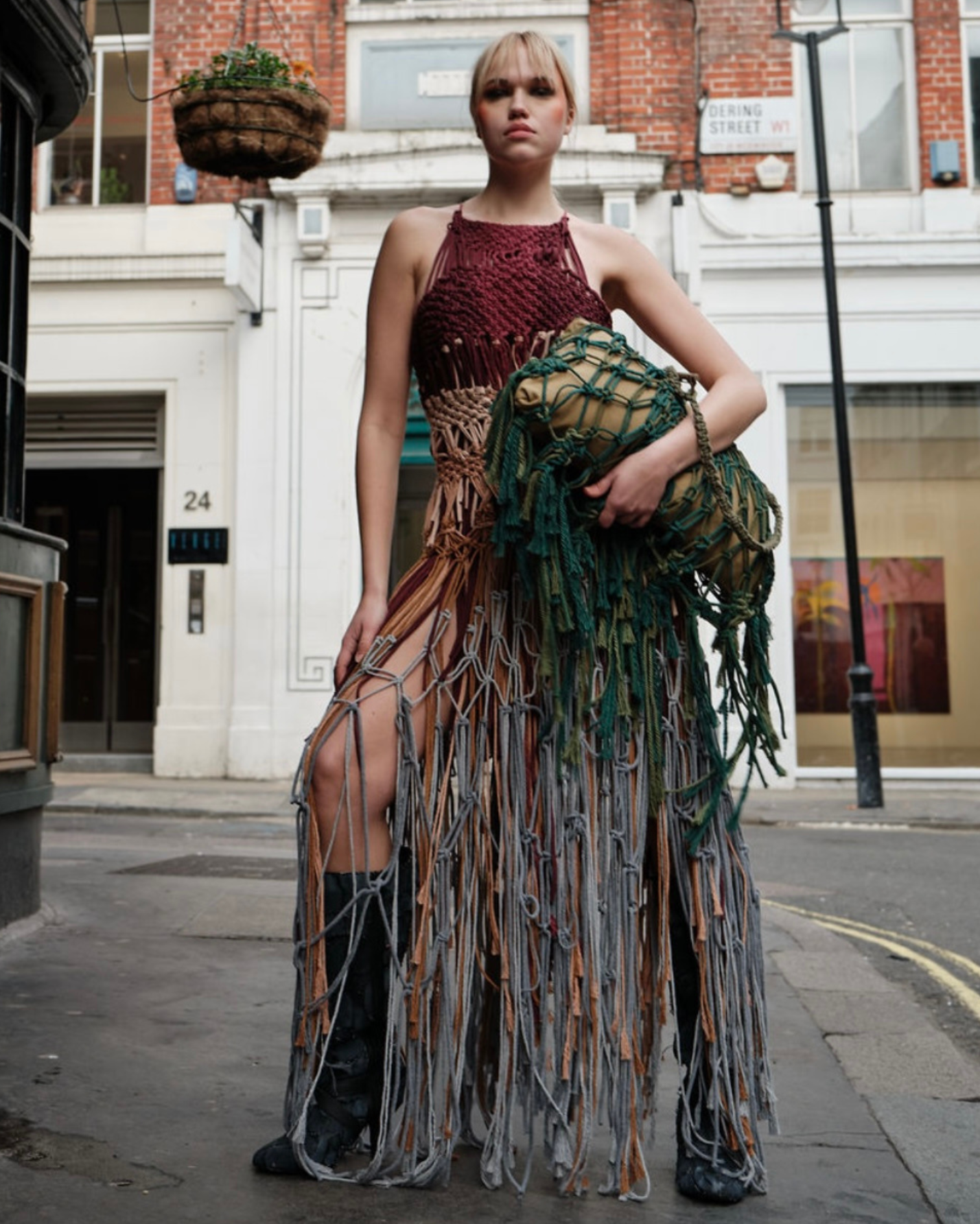
For shoppers in the UK, the appeal is also practical. Non binary clothing can move from day to night, from office to event, and from one season to the next. That makes it a strong choice for conscious wardrobes, especially when you want fewer, better pieces. If you want inspiration from the brand’s visual world, the CLIENTS lookbook shows how expressive styling can look polished, modern, and wearable.
If you are looking for outside inspiration, many editorial roundups point to gender-fluid dressing as a broader style movement. For example, Pride’s overview of clothing brands that reject the gender binary reflects how common this conversation has become. Meanwhile, visual boards like Escaping Heteronormativity show how people use clothing to challenge fixed style codes.
What makes non binary clothing compelling is that it does not ask you to disappear. It gives you room to be seen more clearly.
What Makes Clothing Non-Binary?
Non binary clothing is defined by intent, not by a single garment type. A shirt, suit, dress, skirt, or trouser can all be non binary clothing when the design, fit, and styling invite more than one gender reading.
The clearest signs are versatility and openness. Non binary clothing usually avoids over-relying on exaggerated gender signals. Instead, it uses shape, texture, colour, proportion, and layering to create style that feels inclusive and adaptable.
This is where branding matters too. Some labels make clothes for a narrow body ideal. Others design with more range in mind. Olivia Black Studio sits in the second space, where expressive design and sustainability work together. If you want to understand the label’s broader creative language, the HOME page is a useful place to start.
A useful way to think about non binary clothing is this:
- It does not force one gender presentation.
- It works across different bodies and style preferences.
- It supports comfort, ease, and self-definition.
- It can still be dramatic, elegant, romantic, sharp, or minimalist.
That last point matters. Non binary clothing is not a single aesthetic. It can be tailored or fluid, quiet or bold, festive or everyday. The goal is not to look androgynous by default. The goal is to dress in a way that feels true.
For many shoppers, this also connects to sustainable buying. When a piece works in multiple contexts, it gets worn more often. As a result, non binary clothing can be a smart style investment as well as an identity-led one.
Shop Sustainable Non-Binary Pieces
The best non binary clothing is easy to wear, easy to restyle, and made with care. If you are shopping for pieces that feel expressive without becoming disposable, start with garments that can shift across occasions and seasons.
Olivia Black Studio’s approach is built for that kind of wardrobe. You can shop considered pieces in the SHOP, explore special occasion edits like Festive Favourites, or even choose a more circular route through Rentals when you want impact without long-term commitment. That flexibility is valuable in non binary clothing, because style does not need to be permanent to be meaningful.
When you shop, look for these three categories first.
Fluid silhouettes
Fluid silhouettes are one of the easiest ways to build non binary clothing into daily wear. They create movement and ease without locking you into a gendered shape.
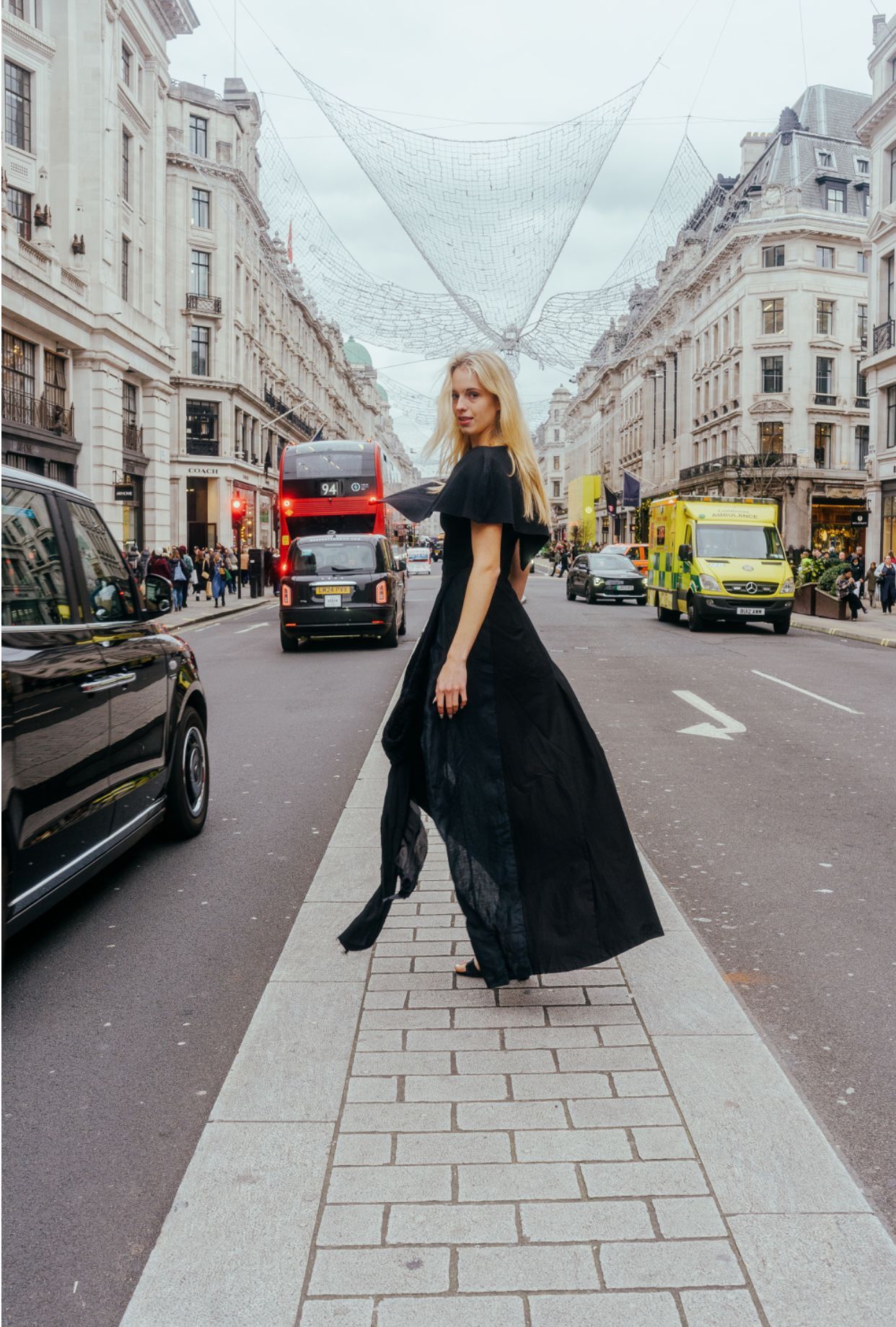
Think relaxed trousers, draped tops, softly structured jackets, and pieces that skim rather than constrain. These styles can be styled up or down, which makes them useful for travel, events, and layering. They also photograph beautifully, which matters if you want clothing that feels just as strong online as it does in person.
A fluid silhouette can still be precise. It does not have to mean oversized or shapeless. Instead, the cut should feel intentional. That is what makes non binary clothing feel elevated rather than generic.
Statement separates
Statement separates are excellent for anyone building a wardrobe around choice. A standout top, trouser, or outer layer can transform basics without requiring a full head-to-toe look.
This is where non binary clothing gets especially versatile. A single statement piece can lean romantic one day and sharper the next. Pair it with clean lines for balance, or layer it with texture for depth. If you want editorial inspiration, the brand’s RUNWAY page shows how bold styling can still feel wearable.
Statement separates are also practical for sustainable wardrobes. They extend the life of simpler pieces by giving you more combinations.
Layering pieces
Layering pieces are the backbone of non binary clothing. They let you adjust proportion, shape, and coverage without changing your whole outfit.
A longline overshirt, lightweight knit, sculptural vest, or sheer layer can completely shift the mood of a look. Layering also helps you move between environments, which is useful in the UK climate. Moreover, it gives you more ways to style the same garment across the week.
If you want fashion ideas that start from real people rather than abstract trends, the video “how I found my style as an AMAB non-binary person” by Nathan Emery is a thoughtful reference point:
How to Choose Fit Without Gendered Sizing
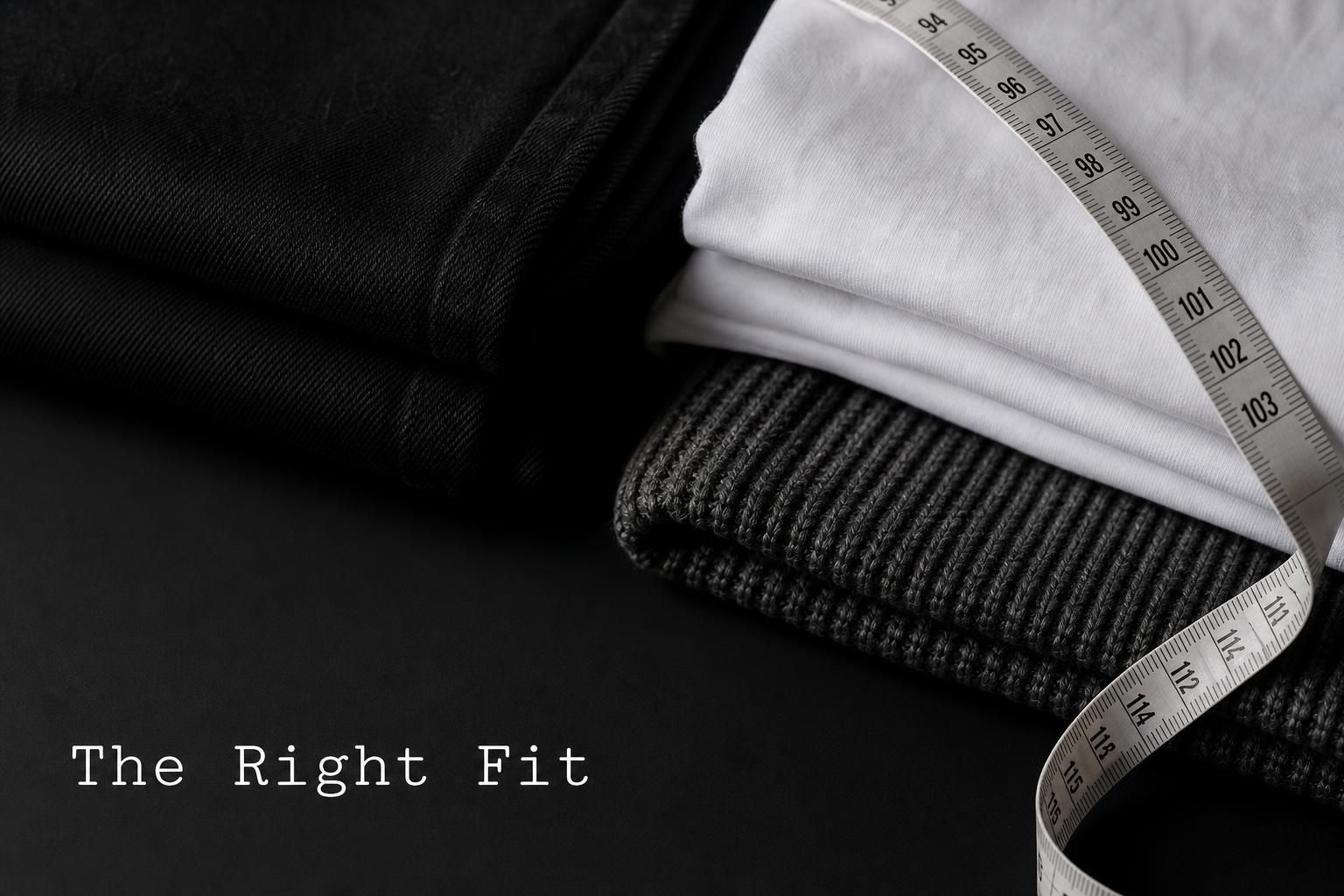
Fit matters more than the size label. In non binary clothing, the best purchase is the one that works on your body and supports the way you want to move.
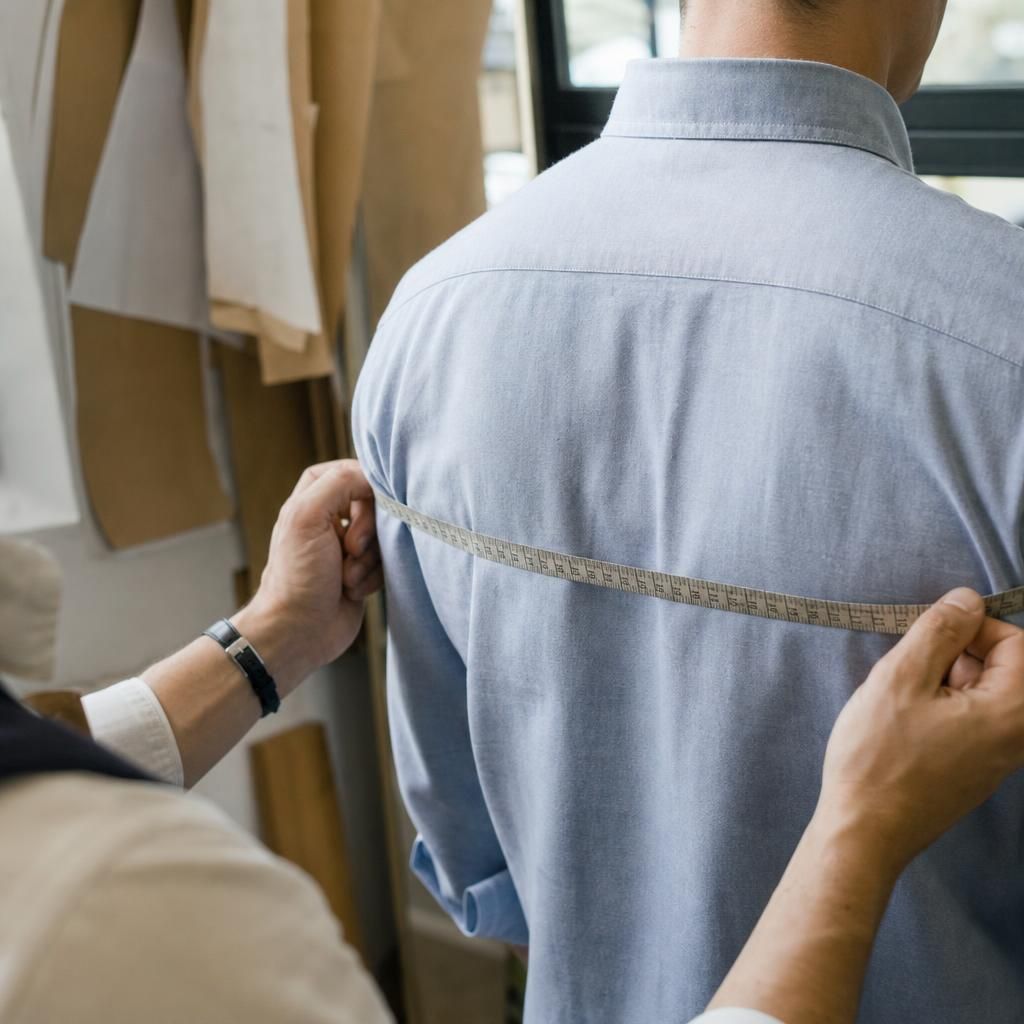
Start with measurements, not assumptions. Chest, waist, hip, shoulder width, sleeve length, and inseam tell you much more than a standard size chart. Then look at how the garment is cut. A boxy top may fit one body beautifully and feel wrong on another. A looser trouser may need a shorter hem or a different rise to sit well.
This is why non binary clothing shopping should feel practical, not intimidating. Ask these questions:
- Does the shoulder line sit where I want it?
- Can I move, sit, and layer comfortably?
- Does the silhouette feel intentional on my body?
- Will I actually wear this more than once?
If you are shopping from a brand that values direct connection, use the CONTACT US page to ask about fit, styling, or product details. That kind of conversation is especially helpful when you are choosing non binary clothing and want a piece that feels personalised.
Another useful habit is to compare how garments look in motion. Static photos can hide drape and ease. However, a live look or styled image often shows how the piece behaves in real life. That is where lookbooks and runway imagery become genuinely useful rather than purely decorative.
Styling Non-Binary Clothing for Everyday Wear
Non binary clothing becomes most powerful when it works in daily life. The goal is not just to create a concept look. The goal is to build outfits you can repeat, remix, and enjoy.
Start with one anchor piece. That could be a sculptural trouser, a boxy shirt, or a soft tailored layer. Then build around it with balance. If the bottom half feels wide, keep the top cleaner. If the top is bold, keep the rest calm.
This approach keeps outfits grounded. It also makes non binary clothing easier to wear at work, on a date, or at an event. For summer styling ideas, Iris Olympia’s warm-weather reference, “gender euphoric clothing for summer 🌤️💆🏻”, is a useful place to draw inspiration from:
A few reliable outfit formulas:
- Wide trouser + fitted tank + open layer
- Soft shirt + straight leg trouser + statement shoe
- Relaxed knit + tailored short or trouser
- Sheer or textured top + clean base pieces
Accessories matter too. Jewellery, shoes, bags, and grooming can shift a look quickly. For many people, that is the real joy of non binary clothing. It gives you room to decide how masculine, feminine, neutral, romantic, or bold you want to feel on any given day.
When you want more ideas, the Blog can help you connect styling with the bigger conversation around inclusive fashion and thoughtful dressing.
Sustainable Materials and Small-Batch Design
Sustainability makes non binary clothing even stronger. When a piece is designed well and made responsibly, it supports long-term wear instead of short-lived trend buying.
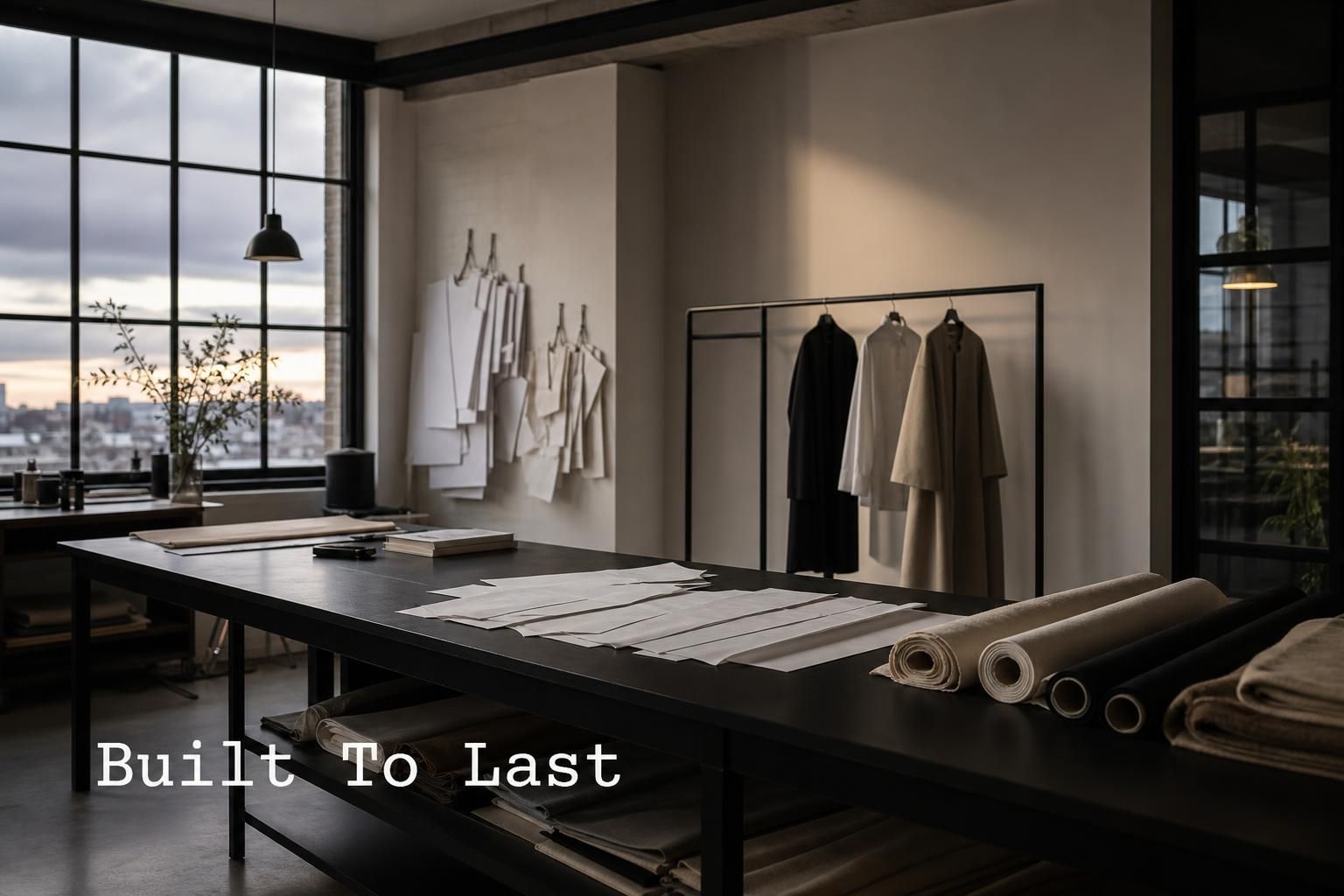
Small-batch design matters because it reduces excess and keeps attention on quality. It also allows more creative decision-making. That is important for gender-fluid fashion, where texture, fit, and finish do a lot of the visual work.
Look for materials that feel durable, breathable, and versatile. Natural fibres, thoughtful blends, and well-made finishes often age better than throwaway fabrics. Just as importantly, choose pieces you can style across seasons. A garment that layers in winter and stands alone in summer gives you more value over time.
Olivia Black Studio’s sustainable direction reflects that mindset. The brand is not chasing disposable novelty. It is building pieces with presence. That is why non binary clothing and sustainability work so well together: both reject the idea that fashion should be rushed, wasteful, or tightly policed.
If you care about circular choices, rentals are also worth considering. They are especially useful for events, festive dressing, and statement moments where you want something memorable without overbuying. That makes non binary clothing more accessible, more flexible, and often more responsible.
Why Olivia Black Studio for Non-Binary Clothing?
Olivia Black Studio is a strong destination for non binary clothing because it combines creative expression with sustainability. The result is fashion that feels independent, directional, and wearable.
The brand speaks to shoppers who want more than generic unisex basics. Instead, it offers pieces and edits that feel designed with intention. That includes seasonal styling, runway-led inspiration, and rental options for more considered consumption. If you want to see how that vision comes together, start with the CLIENTS lookbook, then move into the SHOP to explore what fits your wardrobe best.
This matters for commercial search intent. People looking for non binary clothing usually want three things at once: identity alignment, good design, and trust. Olivia Black Studio supports all three. The pieces feel expressive. The styling feels current. The brand world feels coherent.
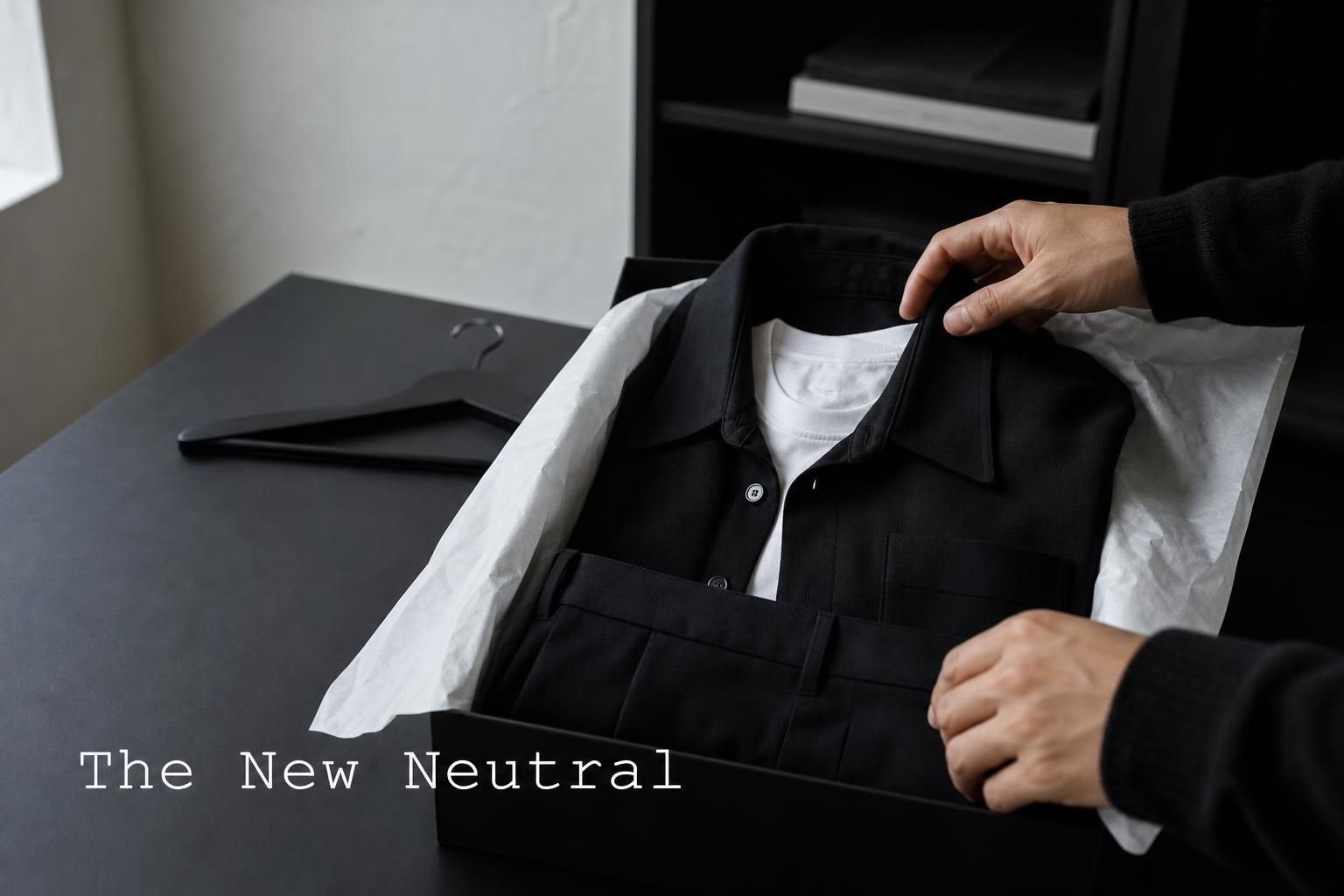
For shoppers asking what to buy first, the answer is simple. Start with one versatile hero piece, one layering piece, and one occasion option. That gives you a practical base for non binary clothing without overcomplicating the process.
In a market full of shallow inclusivity language, Olivia Black Studio offers something more useful: a wardrobe approach that respects individuality and style at the same time.
Key Takeaways
- Non binary clothing is about dressing for identity, comfort, and self-expression, not rigid gender categories.
- The strongest pieces are versatile, well-cut, and easy to restyle across occasions and seasons.
- Sustainability and non binary clothing work well together because both favour longevity over waste.
- Fit should be judged by measurements, movement, and silhouette, not by gendered size labels alone.
- Olivia Black Studio offers a shoppable, UK-based destination for expressive gender-fluid fashion.
Frequently Asked Questions
What are non-binary clothes?
Non-binary clothes are garments chosen and styled without relying on traditional men’s or women’s categories. They focus on comfort, silhouette, and self-expression instead of gender rules. In practice, non binary clothing can include tailored pieces, flowing shapes, and layered looks that feel authentic to the wearer.
What is the 3-3-3 rule for clothes?
The 3-3-3 rule is a simple wardrobe method that helps people create outfits with fewer pieces. It usually means building a small capsule of tops, bottoms, and layers that mix easily. For non binary clothing, this can be a helpful way to reduce decision fatigue and make styling feel clearer.
Who is the most famous non-binary person?
There is no single universally agreed “most famous” non-binary person. Recognition depends on region, community, and field, but many public figures have helped bring visibility to non-binary identity through media, music, fashion, and activism.
What are some queer-owned clothing brands?
There are many queer-owned clothing brands across different styles and budgets. The best choice usually depends on whether you want sustainable materials, inclusive sizing, occasionwear, or more experimental design. If you are prioritising expressive non binary clothing, look for brands that clearly state their values, design approach, and fit guidance.