Gender-Neutral Size Guide for Olivia Black Clothing
Quick Answer
A gender neutral size guide helps you choose clothing by body measurements, garment measurements, and preferred silhouette rather than by gendered labels. For Olivia Black pieces, measure your chest, waist, hips, inseam, and rise, then compare them to the fit notes for each item so you can shop with more confidence and less guesswork.
A gender neutral size guide should make shopping feel clearer, calmer, and more expressive. At Olivia Black, sizing is not about fitting a binary label. It is about helping you choose the right shape, drape, and comfort level for your body and style. That matters whether you want a sharper shoulder, more room through the hip, or a softer silhouette that moves with you.
This guide focuses on body measurements, garment measurements, and how each piece is meant to sit on the body. It is designed for gender-fluid, non-binary, and style-conscious shoppers who want fewer surprises at checkout. If you are new to this process, start with the brand story on Olivia Black’s approach to sustainable clothing, then use this guide to translate that design language into fit. You can also explore pieces like Weaver Jeans and the Weaver Denim Jacket as real examples of how fit and expression work together. This gender neutral size guide will help you buy with more confidence and less friction.
How to Use This Gender-Neutral Size Guide
This gender neutral size guide works best when you start with your body, then compare it to the garment, not the label. That gives you a more accurate fit because different cuts can wear very differently, even inside the same nominal size.
Use three steps. First, take your own measurements. Second, check the product notes for the item you want. Third, decide how you want it to feel on the body. A close fit, a relaxed fit, and an intentionally oversized fit all need different size choices.
That approach is especially useful for pieces with strong shape, such as the Maglen Dress or the Feather Trouser. It also helps when shopping slower fashion, because a thoughtful gender neutral size guide reduces returns and helps you choose pieces you will keep wearing. For broader context on inclusive dressing, Olivia Black’s guide to what gender-neutral clothing means is a useful companion read.
When you compare measurements, focus on these questions:
- Where do I want the garment to sit?
- Do I want shaping or drape?
- Will I layer underneath?
- Do I prefer a straight, tapered, or fluid line?
For style inspiration, it can also help to see how other brands explain fit in a practical way. Nike’s women’s tops and tees size chart shows how alpha sizing can be translated into useful fit guidance, while Etsy listings like a unisex T-shirt size chart demonstrate how garment dimensions can guide decisions more clearly than gendered categories.
A good gender neutral size guide should remove pressure. It should not ask you to shrink yourself into a category. Instead, it should help you find the shape that feels most like you.
Measure Your Body Without Gendered Sizing Assumptions
This gender neutral size guide starts with body measurements because bodies do not follow retail labels. Measure the parts of your body that determine fit, then compare those numbers to the garment description.
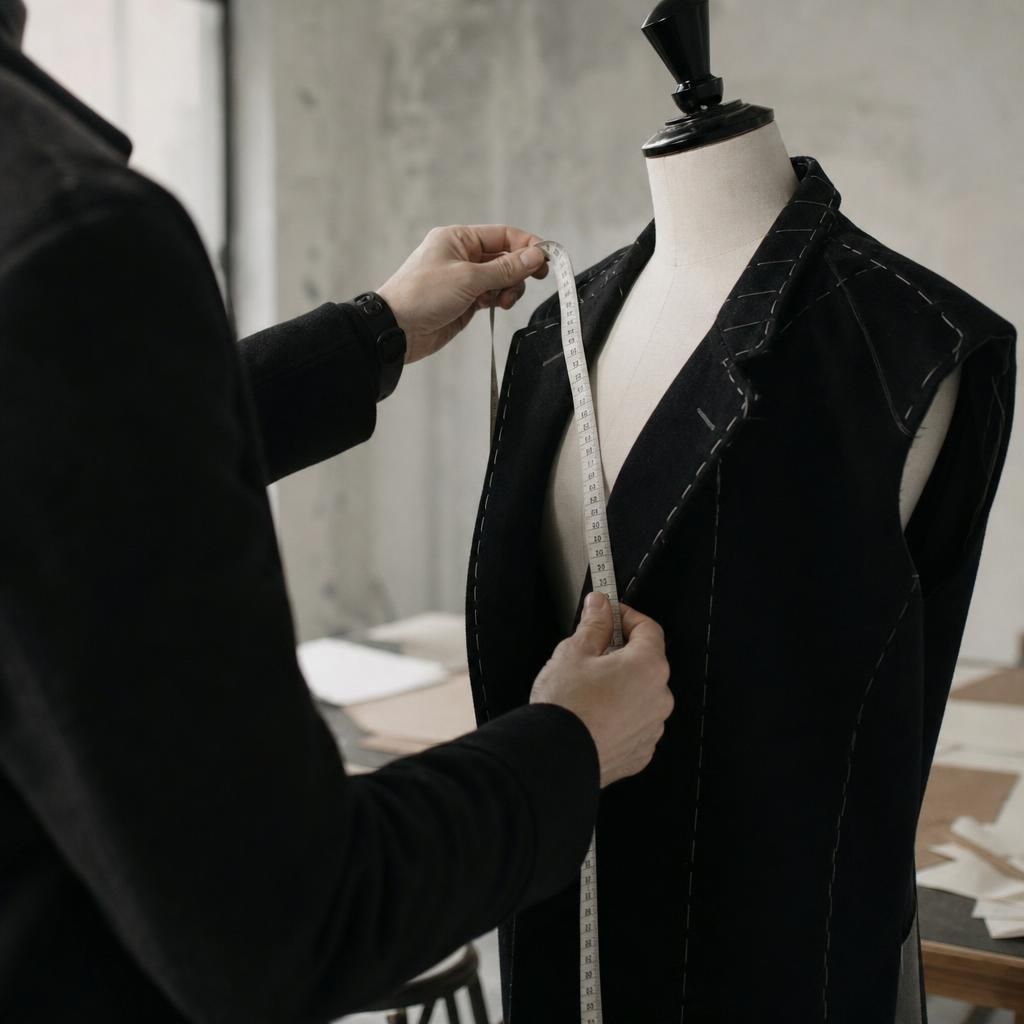
Use a soft tape measure and stand naturally. Keep the tape level, snug, but not tight. If possible, measure over light clothing or skin. Write the numbers down so you can reuse them across products.
If you are unsure, measure twice. A clear gender neutral size guide should feel practical, not clinical.
When you shop Olivia Black, body measurement gives you the starting point. Garment measurement gives you the final answer. That combination is the most reliable way to choose clothing that fits both your body and your expression.
Chest or bust
Measure around the fullest part of your chest or bust. Keep the tape parallel to the floor and breathe normally. This measurement matters for shirts, jackets, dresses, and anything with a defined upper body.
A gender neutral size guide should treat this measurement as structure, not gender. If you prefer extra room through the chest, size up for ease. If you want a cleaner line, choose a closer fit and check the garment chest measurement carefully.
Waist
Measure your natural waist, which is usually the narrowest part of your torso. This is especially important for dresses and trousers with shaped waists.
In a gender neutral size guide, the waist is not about forcing definition. It is about understanding where the garment will anchor. If you like a straighter silhouette, you may want more ease here. If you want shape, look for garments with a clear waist point.
Hips
Measure around the fullest part of your hips and seat. This helps with trousers, skirts, dresses, and longer shirts that need to skim rather than cling.
Hips often decide whether a piece feels effortless or restrictive. A useful gender neutral size guide always includes this step because it prevents gaping, pulling, and discomfort.
Inseam and rise
Measure your inseam from the crotch to the ankle, and consider rise as the distance from the crotch seam to the waistband. These two measurements shape how trousers sit and move.
For gender-fluid dressing, rise can change the whole mood of an outfit. A higher rise can create a cleaner line. A lower rise can feel softer and more casual. The right gender neutral size guide should help you choose that effect intentionally.
How to Read Olivia Black Garment Measurements in This Gender Neutral Size Guide
This gender neutral size guide is most useful when you compare your body to the garment itself. That is because designer pieces often have a specific shape, and the silhouette matters as much as the size tag.
Look for garment width, length, waist placement, shoulder shape, and leg shape. If a piece is meant to drape, the measurements may read larger than your body. That is normal. If a piece is tailored, the numbers matter more closely.
For example, Weaver Jeans and the Feather Trouser are designed to create a strong line, so inseam, rise, and hip ease matter more than a generic size letter. A dress like the Maglen Dress may depend more on bust, waist, and overall length. A jacket or shirt should be judged by shoulder width, sleeve length, and chest room.
When in doubt, ask how the garment is intended to fit. Is it cropped? Oversized? Straight? Tapered? A strong gender neutral size guide should answer that question before you buy.
For a wider look at the brand’s design approach, the page on sustainable designer clothing made in limited runs explains why small-batch pieces often need more specific fit reading than mass-market basics. You can also compare silhouettes with the sustainable fashion designers in London page, which places fit within the wider context of conscious design.
If you are shopping with an eye on rewearing, rental, or styling across seasons, read the label like a design object, not just a size code. That is the core of a good gender neutral size guide.
Fit Notes by Product Type in This Gender Neutral Size Guide
Different garments demand different fit decisions. This gender neutral size guide works best when you think in product types, not just in size bands.
For Olivia Black pieces, the aim is to help you choose the silhouette you want, not force a one-size interpretation. That is why this section focuses on the shape of each item and how it wears on the body. It is also where a gender neutral size guide becomes genuinely useful for conversion, because shoppers can move from uncertainty to a clear choice.
If you want a broader styling context, Olivia Black’s how to dress gender fluid guide is helpful alongside this page. It shows how fit and styling work together.
Jeans
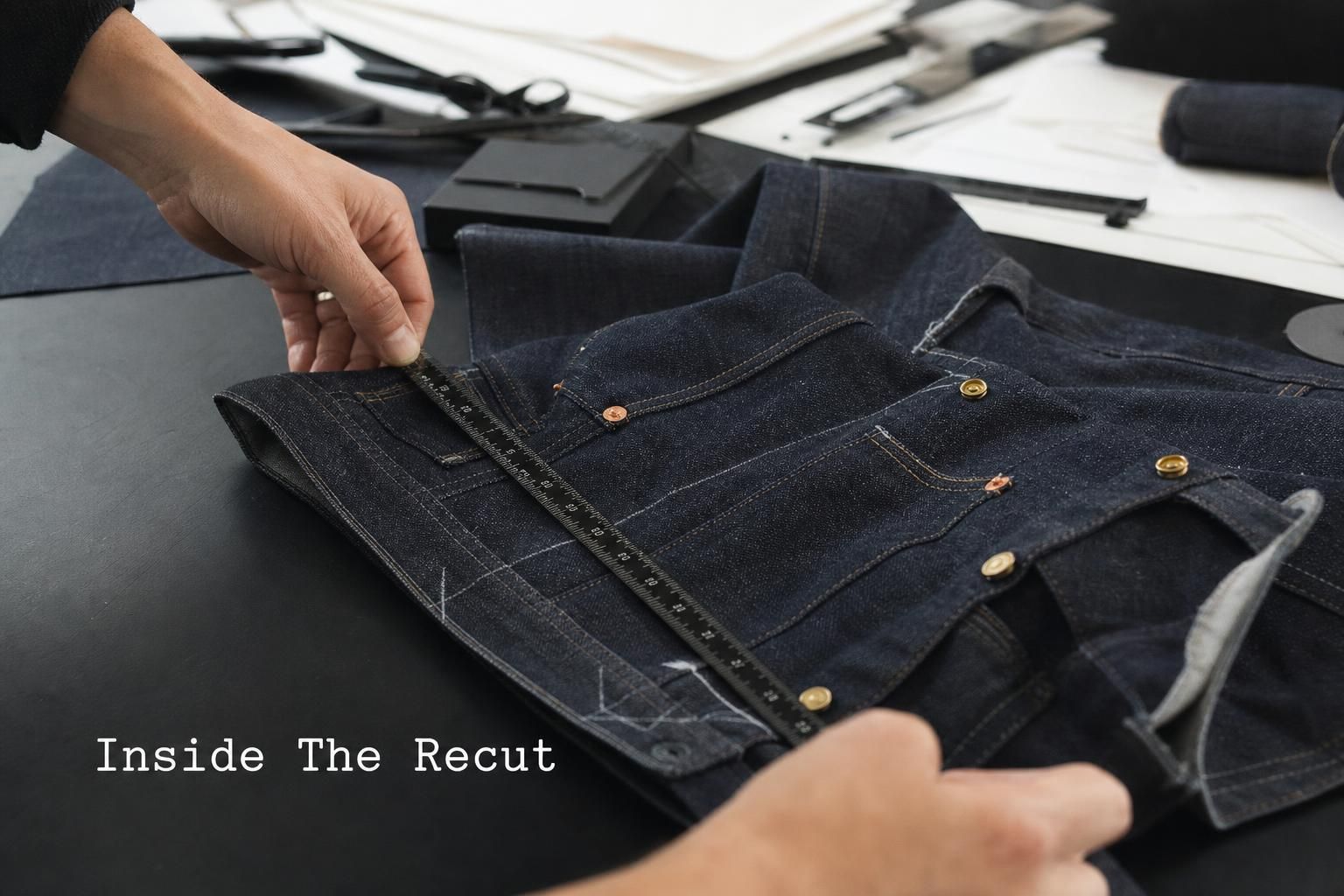
Jeans are the most measurement-sensitive item in this gender neutral size guide. Focus on waist, hip, rise, and inseam. Weaver Jeans and other denim styles will feel very different depending on where the waistband sits and how much ease you want through the seat.
If you like a straight or relaxed leg, prioritize hip comfort and rise. If you want a more sculpted look, keep the waist closer to your actual measurement. In jeans, a small fit change can alter the whole silhouette.
Dresses
Dresses in this gender neutral size guide should be read by shoulder, bust, waist, and length. The main question is not whether a dress is “for” one body type. It is whether it creates the line you want.
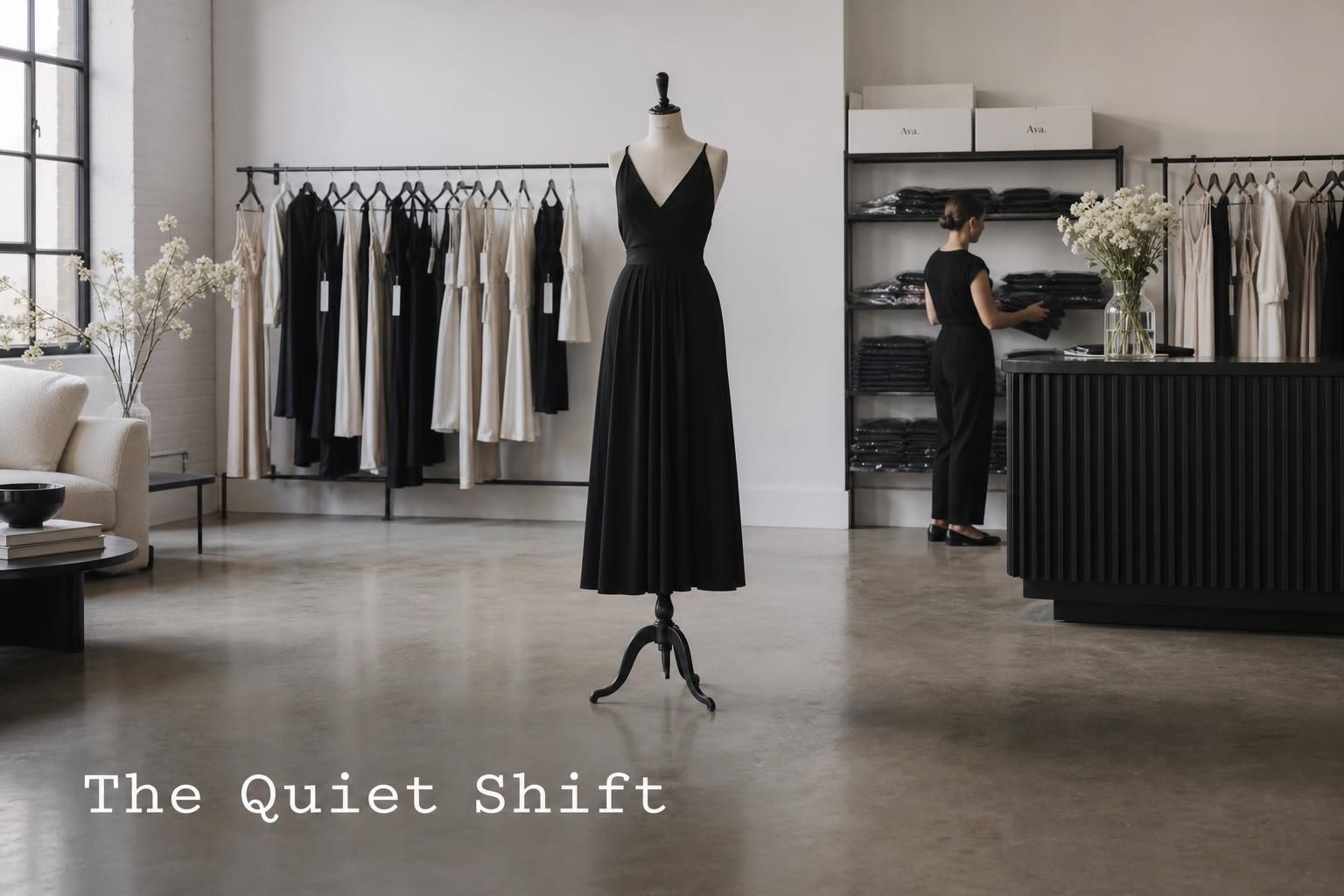
The Maglen Dress and Ava Dress are good examples of why silhouette matters. You may want a softer drape, more waist definition, or extra room for layering. If you plan to style a dress over trousers or under a jacket, build that into your size choice.
Trousers
Trousers need attention to rise, thigh room, and leg shape. In this gender neutral size guide, that means checking whether the cut is tailored, wide, tapered, or fluid.
The Feather Trouser is a useful example because the desired fit may shift depending on styling. Some shoppers want a polished line. Others want movement and ease. Choose the size that supports your preferred drape, not the one that simply matches a label.
Shirts and jackets
Shirts and jackets often depend on shoulder fit and sleeve length. In this gender neutral size guide, those details matter because they affect structure immediately.
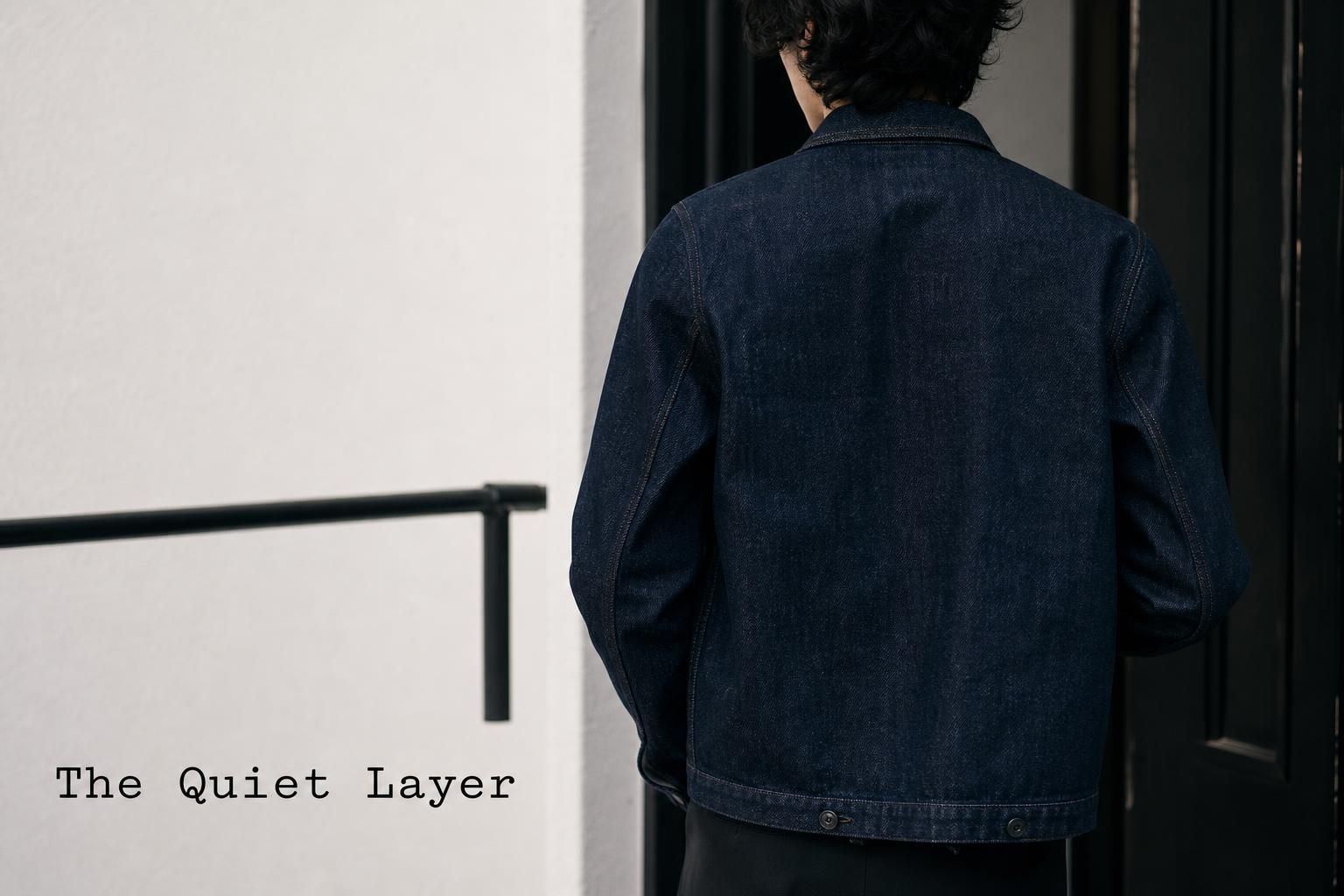
The Aviary Shirt and Weaver Denim Jacket can be styled close to the body or left more open and boxy. Think about layering. If you want to wear a knit or tee underneath, give yourself extra room in the chest and upper arm. If you want a sharper outline, keep the shoulder fit precise.
Choosing a Fit Based on Expression and Comfort
A gender neutral size guide should support identity as much as proportion. The right fit is the one that feels right in motion, in mirrors, and in daily wear.
Some people want a body-skimming silhouette. Others want volume, structure, or concealment in certain areas. None of those preferences are better than the others. They are simply different ways of dressing honestly.
If you like a softer frame, choose pieces with more ease through the torso and seat. If you want stronger shape, choose closer shoulders, a defined waist, or a cleaner trouser line. If you want androgyny with contrast, combine structured pieces with fluid ones. For example, a tailored jacket over a softer dress can create a balanced profile.
This is also where sustainability and styling meet. Olivia Black’s limited-run approach makes each piece feel more considered, so a thoughtful gender neutral size guide helps you buy less and wear more. If you are comparing brand values too, the page on ethical fashion in London is a useful reference point, and the broader overview at Olivia Black’s main site shows how these pieces fit into a wider wardrobe.
For practical styling references, it can help to watch a fitting walkthrough. This kind of video makes a gender neutral size guide feel more tangible, especially for shoppers trying to understand drape and structure in real life.
Use the video as a reminder that fit is visual, physical, and personal. A good gender neutral size guide gives you permission to choose all three.
FAQs About Gender-Neutral Sizing
This gender neutral size guide is designed to answer the most common fit questions clearly. The best starting point is still your body measurements, then the garment measurements, then your style preference.
If you are still unsure after reading this section, compare the product notes and decide whether you want room, shape, or a more exact fit. That simple method solves most sizing confusion.
Key Takeaways
- A gender neutral size guide works best when you compare body measurements with garment measurements.
- Fit should be judged by silhouette, rise, shoulder shape, and ease, not by gendered labels.
- Different products need different priorities: jeans need waist and rise, dresses need bust and length, shirts need shoulders and chest room.
- Choosing size is also about expression, comfort, and layering preferences.
- A thoughtful sizing process supports fewer returns and a more sustainable wardrobe.
Frequently Asked Questions
What size am I in unisex sizing?
Your unisex size depends on your body measurements and the fit you want, not your gender. The best method is to compare your chest, waist, hips, and inseam to the garment measurement, then choose the silhouette you prefer. In a gender neutral size guide, size is a tool for fit, not identity.
What are the typical sizes for gender-neutral clothing?
Typical gender-neutral clothing often uses alpha sizing such as XS to XXL, or measured garment dimensions. Some pieces also use numeric sizing. A strong gender neutral size guide will explain whether the item is intended to fit close, relaxed, or oversized, because the same size label can look very different across cuts.
What size is 7 women’s in unisex?
There is no universal conversion that works for every garment. A women’s 7 does not automatically equal one unisex size across all brands. The safest approach is to check the actual foot, waist, or garment measurements depending on the item. A gender neutral size guide should always prioritize measurement over assumption.
What is the size chart for unisex shirts?
A unisex shirt size chart usually lists chest width, body length, and sometimes shoulder and sleeve measurements. That format helps you compare the shirt to your body and to the fit you want. For a useful gender neutral size guide, look for the shirt’s finished measurements, then decide whether you want a closer or looser drape.
How do I choose between two sizes?
Choose the smaller size if you want a neater line and less room through the body. Choose the larger size if you want more ease, layering space, or a softer silhouette. A good gender neutral size guide encourages you to think about movement, not just numbers.