Sustainable Denim Jeans UK: Deadstock Denim by Olivia Black
Quick Answer
Sustainable denim jeans UK shoppers should look for deadstock fabric, limited-run production, durable construction, and transparent design values. Olivia Black’s sustainable denim jeans UK edit focuses on Weaver Jeans and future denim drops that reduce waste, support gender-fluid style, and offer a more thoughtful alternative to mass-produced denim.
Sustainable denim jeans UK shoppers want more than a green label. They want jeans that feel considered, wear well, and avoid unnecessary waste. That is where Olivia Black’s approach stands out. The focus is deadstock denim, limited-run production, and a sharper connection between style and responsibility. It is denim with intention, designed for people who want luxury craftsmanship without the usual overload of mainstream fashion. If you are exploring the collection, start with Weaver Jeans, then look at the wider brand story on Olivia Black’s about page. This page is built to help you shop sustainable denim jeans UK with clarity. It explains what makes the denim lower waste, how to judge quality, and how to style it across wardrobes that are gender-fluid, expressive, and practical. You will also find fit notes, care guidance, and answers to the most common denim questions. The goal is simple: help you buy fewer jeans, but better ones.
Deadstock Denim, Limited Runs and Lower Waste
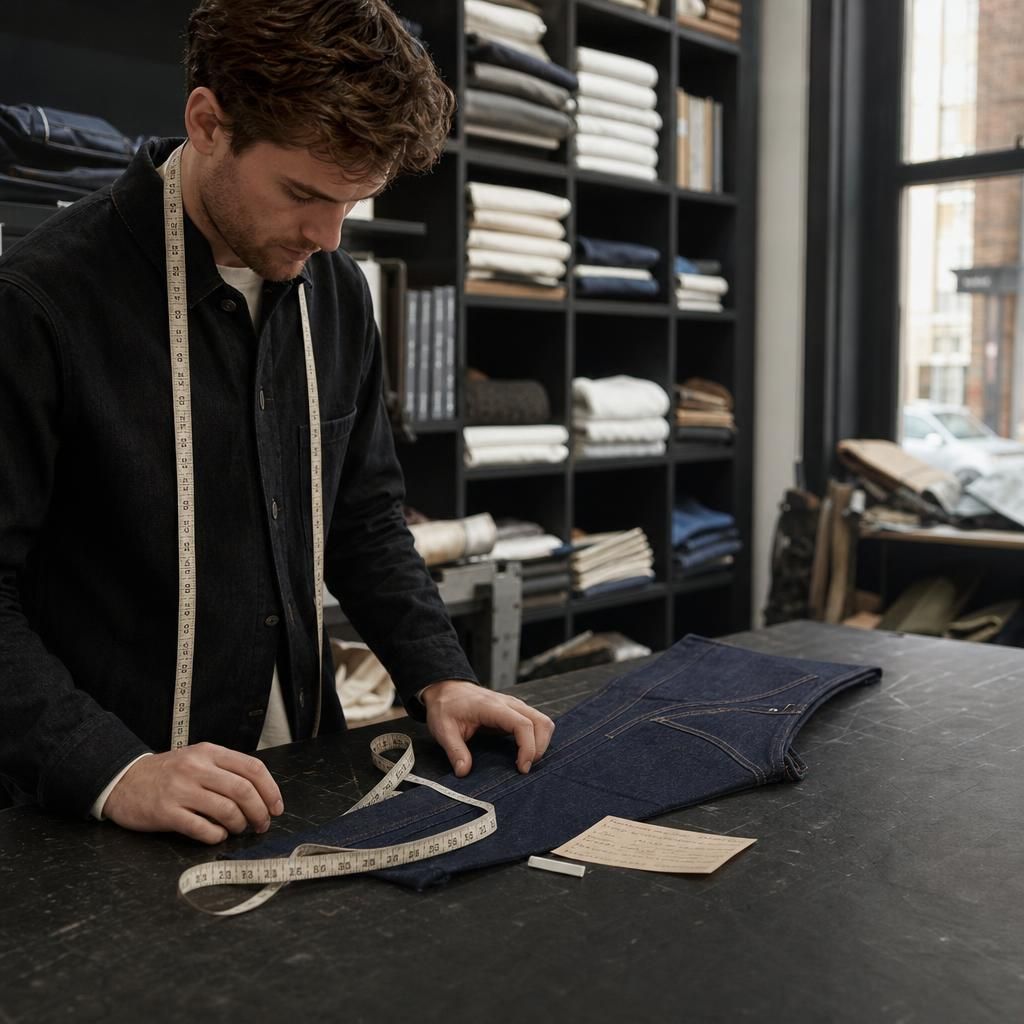
Deadstock denim is denim that already exists, so using it helps avoid new fabric waste. In sustainable denim jeans UK shopping, that matters because it shifts the focus from endless production to careful selection and smaller runs. Olivia Black uses that idea to create denim that feels rare, not disposable.
This approach suits buyers who want something distinctive. Limited runs mean the collection stays focused, and the fabric choice stays intentional. As a result, each release supports a slower fashion rhythm. It also means the design has to earn its place. There is no room for throwaway detail.
If you want to understand the wider waste conversation, deadstock fabric clothing explains why limited-run fashion reduces waste. For a broader brand perspective, the sustainable fashion brand UK page shows how Olivia Black approaches low-waste design across categories.
For readers comparing ethical denim labels, useful context comes from established guides such as the UK ethical jeans and denim guide from Moral Fibres and Good On You’s guide to sustainable denim brands made in the UK. Those roundups are helpful because they show how broad the market is. However, Olivia Black adds a more fashion-led, gender-fluid point of view.
For a concise look at why denim production needs to become more sustainable, watch this overview from the International Finance Corporation. It gives useful background before you compare labels and fits.
Deadstock denim also changes the shopping experience. You are not buying into a mass cycle. Instead, you are choosing sustainable denim jeans UK pieces that feel specific, limited, and designed for real wardrobes. That makes them easier to value and easier to keep.
How does deadstock denim reduce waste?
Deadstock denim reduces waste by giving existing fabric a second life. Instead of creating new cloth for every drop, the brand works with what is already available. That lowers overproduction pressure and makes each release more deliberate. It also gives the garment a built-in sense of scarcity, which suits limited-run designer fashion.
Shop sustainable denim jeans UK: Weaver Jeans
Sustainable denim jeans UK shoppers looking for a signature piece should start with Weaver Jeans. They are the clearest expression of Olivia Black’s denim direction: considered, wearable, and designed with a quieter kind of confidence.
The best way to shop this piece is to think about how you dress now. Weaver Jeans work for people who want denim that can move between casual layering, sharper styling, and everyday wear. They sit well inside a gender-fluid wardrobe because the styling is not fixed. The jeans are about shape, movement, and personal expression.
You can pair them with the Weaver Denim Jacket for a head-to-toe denim look, or balance them with tailored pieces like the Feather Trouser for contrast in a larger wardrobe. If you prefer more context before you buy, the gender fluid clothing page shows how the brand approaches pieces that move beyond fixed categories.
This is where sustainable denim jeans UK becomes more than a search term. It becomes a wardrobe strategy. You are not choosing denim only for trends. You are choosing fabric, silhouette, and longevity. That also makes the jeans easier to wear across seasons.
For shoppers comparing conscious labels, this video on ethical jeans brands is a useful shortcut. It helps frame what thoughtful denim can look like across different brands and fits.
Olivia Black’s denim is also made to support future drops. That matters because a strong collection page should not feel static. It should create a clear home for new denim releases while still making the current product easy to shop. In that way, sustainable denim jeans UK becomes a living category, not a one-off launch.
Why does fit matter so much in sustainable denim?
Fit matters because the most sustainable jeans are the ones you keep wearing. If a pair feels awkward, it sits unworn. Good fit encourages repeat use, which gives the garment more value over time. It also makes the buying decision more confident, especially for limited-run pieces.
What Makes Sustainable Denim Jeans UK Better?
Sustainable denim jeans UK shoppers should look at fabric, construction, and brand practice together. One good detail is not enough. A truly better jean usually combines lower-waste sourcing, durable sewing, and a clear design purpose.
Start with fabric. Deadstock and carefully sourced denim are stronger signals than vague eco language. Then look at how the jeans are made. Reinforced seams, sturdy hardware, and a shape that resists trend-chasing all help a pair last longer. That durability is part of sustainability.
Next, consider transparency. Brands that explain their process make it easier to shop with confidence. Olivia Black does this through pages like ethical fashion UK and deadstock clothing UK, which help explain the material choices behind limited-run garments.
For wider market context, established sources such as Ethical Consumer’s ethical jeans guide and Zero Wasted’s roundup of sustainable ethical jeans in the UK are useful because they show how consumers evaluate brands. They also reinforce a simple point: sustainability in denim is about the whole lifecycle, not just the marketing.
So, what makes sustainable denim jeans UK genuinely better? They should feel good on day one, hold their shape, and stay relevant beyond a single season. That is the standard Olivia Black is aiming for.
What is the most important sustainability signal in denim?
The most important signal is a combination of material choice and longevity. If the fabric is carefully chosen and the jean is built to be worn often, it usually performs better than a flashy product with vague claims. Longevity reduces replacement frequency, which is a practical form of sustainability.
Fit Notes and Measurements for Sustainable Denim Jeans UK
Fit notes matter because denim should support the body, not force it into a trend. Sustainable denim jeans UK shoppers often want comfort, shape, and easy repeat wear. Those goals start with accurate measurements and honest styling expectations.
Before you order, compare your waist, hip, and rise preferences with the product page. If you already know whether you prefer a straighter leg, a more relaxed seat, or a cleaner line at the ankle, that will help you choose quickly. It also reduces returns, which supports lower waste.
This is especially useful for gender-fluid wardrobes. People do not all shop denim in the same way. Some want a looser silhouette. Others want a more structured line. Olivia Black designs with that flexibility in mind, and the brand’s broader approach to inclusive dressing is explained in how to dress genderfluid.
If you are unsure, use your best-fitting jeans as a benchmark. Measure them flat. Then compare those numbers to the product details. That is a simple way to make sustainable denim jeans UK shopping less stressful.
A good fit guide should also remind you that denim changes with wear. The fabric softens. The shape settles. Therefore, a pair should feel secure without being restrictive from the start. That balance is what makes a jean feel lived-in, rather than simply bought.
How should I choose my denim size online?
Choose the size that matches your key body measurements, not just the label you usually wear. Compare waist and hip measurements first, then think about the silhouette you want. If you prefer ease, size with movement in mind. If you want a closer fit, check the rise and leg opening carefully.
How to Style Sustainable Denim Jeans UK
Sustainable denim jeans UK styling works best when you treat jeans as a foundation, not a filler. A strong denim piece can carry casual, sharp, and creative looks with very little effort.
For everyday wear, pair Weaver Jeans with a simple shirt or knit. For something more directional, add the Maglen Dress over slim layers, or use the Weaver Denim Jacket to build a tonal outfit. If you want more styling range, the gender neutral clothing styles page is helpful for outfit ideas that move between occasions.
Denim also works well with contrast. Try soft tailoring, sculptural tops, or accessories with a polished finish. That mix keeps the look modern. It also makes the jeans feel more versatile.
The key is repetition. A sustainable denim jeans UK purchase should be easy to wear three different ways in a week. If it can do that, it is already earning its place. Moreover, it becomes simpler to build a wardrobe around fewer, stronger items.
This is where Olivia Black’s creative tone helps. The jeans are not asking you to dress like everyone else. They are asking you to build your own language from shape, texture, and proportion.
Can denim work in a gender-fluid wardrobe?
Yes. Denim is one of the easiest fabrics to style across gender expressions because it is adaptable, familiar, and easy to layer. The same pair can read casual, tailored, or expressive depending on the top, shoe, and proportion you choose. That flexibility makes denim especially useful in fluid wardrobes.
Care Guide for Denim Jeans
Good care helps sustainable denim jeans UK pieces last longer. That matters because the most sustainable garment is often the one you keep in rotation.
Wash jeans less often. Spot clean when you can. Air them out between wears. When you do wash, use a gentler cycle and avoid unnecessary heat. Heat can be hard on fibres and can shorten the life of a favourite pair.
You should also avoid over-washing simply out of habit. Denim does not need to look newly laundered to look good. In fact, a little natural wear often improves the character of the fabric.
Store jeans folded or hung in a way that protects the shape. If the hem or seams need attention, repair them early. Small fixes are easier than full replacements.
These habits support the wider point behind sustainable denim jeans UK shopping. Longevity is not only about the supplier. It is also about how you wear the piece after it arrives. Therefore, care is part of the purchase decision, not an afterthought.
What is the simplest denim care rule?
Wash less often and air dry more often. That single habit helps preserve colour, fit, and fabric life. It also reduces unnecessary wear from frequent laundering. For most jeans, thoughtful care is one of the easiest ways to extend use.
FAQs
Below are concise answers to the most common questions about sustainable denim jeans UK, UK-based denim brands, and conscious shopping choices.
If you are comparing labels, remember that the best option is usually the one that combines durable construction, clear material choices, and a fit you will actually wear.
Key Takeaways
- Sustainable denim jeans UK shopping works best when you prioritise deadstock fabric, durability, and limited-run production.
- Weaver Jeans gives Olivia Black a clear denim anchor for future drops and product-led search intent.
- Fit matters as much as fabric, because the most sustainable jeans are the ones you wear often.
- Gender-fluid styling makes denim more versatile across wardrobes, seasons, and occasions.
- Good care extends the life of denim and supports the lower-waste purpose behind the collection.
Frequently Asked Questions
What are some sustainable denim brands?
Some sustainable denim brands focus on recycled fibres, organic cotton, deadstock fabric, or repair-friendly construction. Olivia Black belongs in that conversation because its sustainable denim jeans UK approach is built around limited-run deadstock denim and thoughtful design, rather than mass production. When comparing brands, look for material transparency, durability, and a clear explanation of how the jeans are made.
What are the UK's top sustainable brands?
The UK's top sustainable brands usually share a few traits: lower-waste materials, small-batch production, and clear values. Olivia Black stands out for gender-fluid design and limited-run pieces, including sustainable denim jeans UK shoppers can style in multiple ways. The strongest brands are not just ethical in theory; they make that ethics visible in the product itself.
What is the most eco-friendly clothing company?
There is no single universal answer, because eco-friendliness depends on materials, production scale, and longevity. The most eco-friendly clothing company is usually the one that makes durable clothes, reduces waste, and is transparent about its process. For denim, sustainable denim jeans UK shoppers should prioritise deadstock use, repairability, and garments they will wear often.
What are some UK-based denim brands?
UK-based denim brands include labels that work with circular models, organic fabrics, or upcycled materials. Olivia Black adds a distinct lens through sustainable denim jeans UK pieces designed for gender-fluid dressing and limited runs. If you want a UK-based option, compare fabric sourcing, fit, and whether the brand explains its production choices clearly.