Deadstock Denim Jeans: Limited-Run Weaver Jeans

Olivia Black • August 16, 2026

Share this article

Quick Answer

Deadstock denim jeans are jeans made from leftover denim fabric that would otherwise sit unused. Olivia Black uses deadstock denim jeans to create limited-run, gender-fluid pieces with a lower-waste mindset, distinctive texture, and a more considered fit, including the Weaver Jeans.

Deadstock denim jeans are a smarter, more creative way to buy premium denim. They use leftover fabric from mills or designer production runs, which means each drop is limited and often a little different from the last. For Olivia Black, that scarcity is part of the appeal. It keeps the collection focused, reduces waste, and makes every pair feel more intentional. The Weaver Jeans are a clear example: refined, wearable, and designed for people who want clothes with character, not mass-produced sameness. If you want the wider brand context first, explore Olivia Black’s studio approach and the broader deadstock clothing UK edit. This page explains what deadstock denim jeans are, why Olivia Black uses them, how Weaver Jeans are designed, and why limited-run denim so often sells out before a restock is possible.

What Are Deadstock Denim Jeans?

Deadstock denim jeans are jeans made from leftover denim fabric that was never used in a finished product. In simple terms, the cloth already exists, so the brand gives it a second life instead of commissioning new yardage. That is why deadstock denim jeans are often linked with limited runs, small-batch production, and distinctive fabric character.

This matters because deadstock denim jeans are not the same as ordinary stock denim. The colour, weight, and surface can vary from batch to batch. As a result, the fabric feels more individual. For shoppers, that often means jeans with a stronger sense of rarity and craft.

If you are comparing deadstock denim jeans with other forms of low-waste clothing, the difference is usually about sourcing. Deadstock fabric comes from surplus, while recycled fabric comes from material that has already been processed again. Both can reduce waste, but deadstock denim jeans preserve an existing textile before it becomes waste in the first place.

For a useful wider context, see deadstock fabric clothing and why limited-run fashion reduces waste. You can also look at sustainable denim jeans UK if you want the category view before choosing a pair.

Deadstock denim jeans are especially appealing to buyers who want fewer compromises. They can deliver the structure people expect from good denim, while keeping the production story more thoughtful. However, they are also naturally finite. Once the fabric is gone, the run ends. That is why deadstock denim jeans feel more like an edition than a permanent staple.

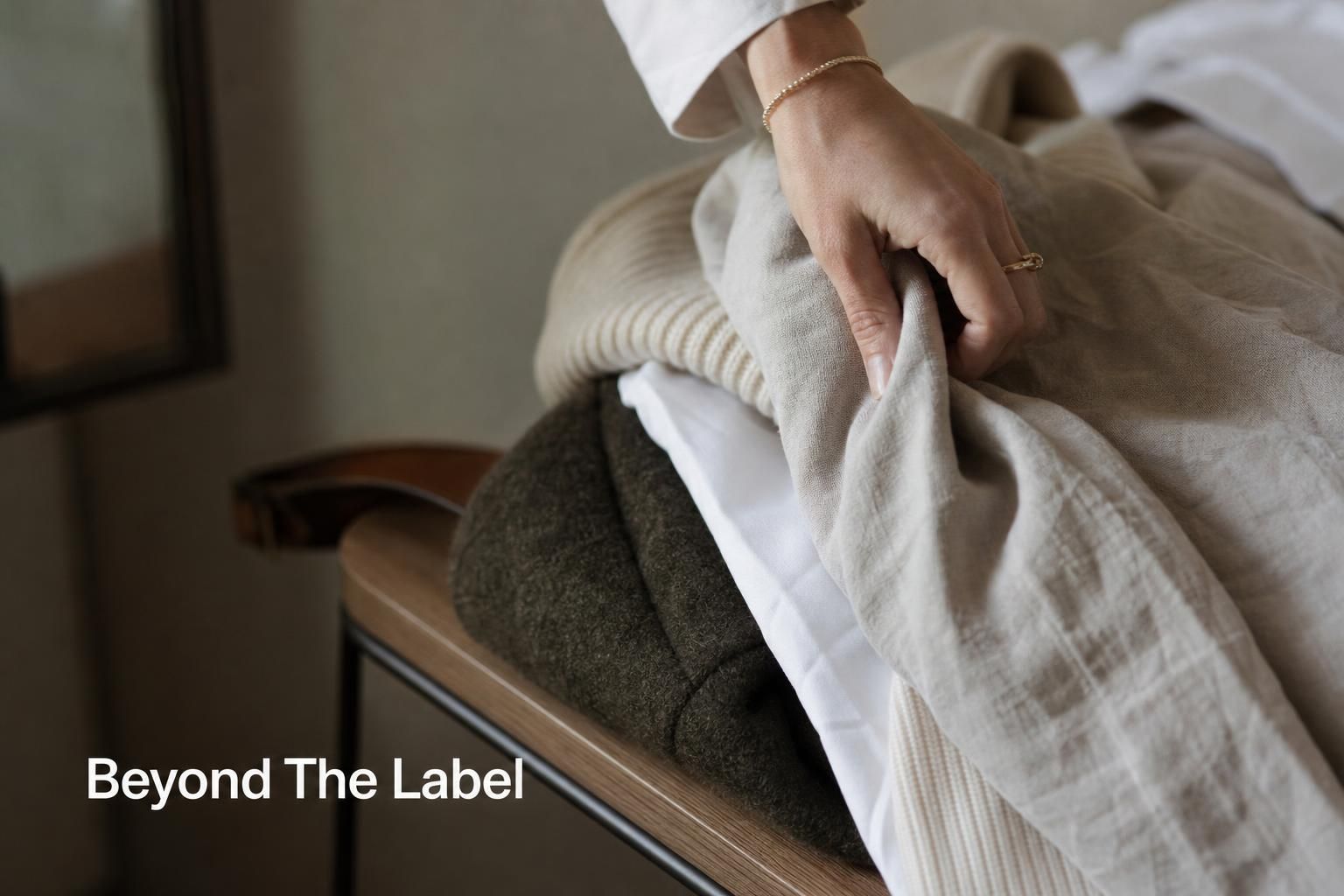
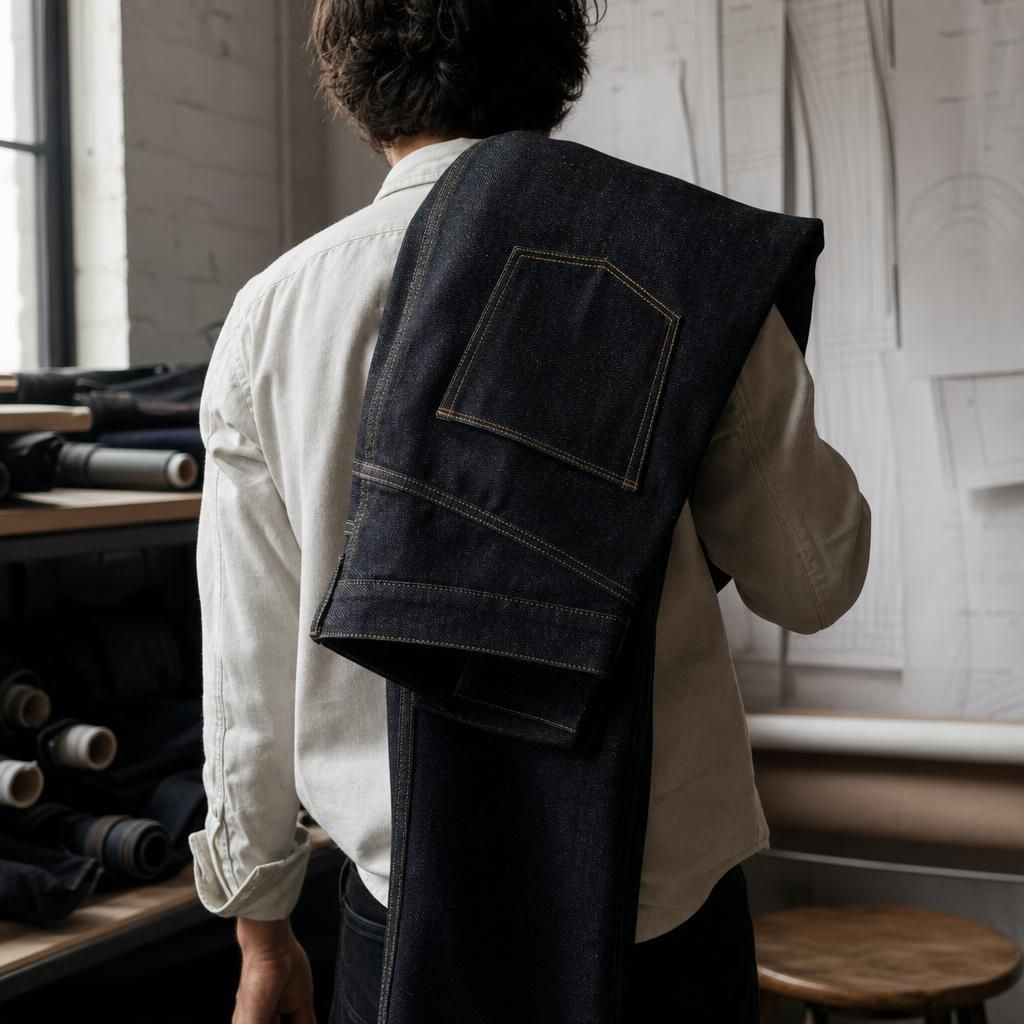
Person holding deadstock denim jeans in a cutting room 

How does deadstock denim work in practice?

Deadstock denim works by taking existing rolls or remnants and turning them into finished garments before the fabric is discarded or forgotten. The brand plans around what is available, not around endless replenishment. Therefore, deadstock denim jeans often become smaller collections with clearer design decisions.

That approach suits premium denim well. Denim already rewards texture, structure, and good construction. When the fabric is limited, the garment design has to be disciplined too. That usually leads to more focused jeans with cleaner lines and less noise.

Why Olivia Black Uses Deadstock Denim Jeans

Olivia Black uses deadstock denim jeans because the fabric supports the brand’s low-waste, gender-fluid design philosophy. The goal is not just to make jeans that look good. It is to make jeans that feel considered, inclusive, and worth keeping.

Deadstock denim jeans also fit the brand’s limited-run model. Small collections allow more attention to cut, proportion, and finish. That is especially important for customers who shop outside rigid menswear and womenswear categories. Fit should feel expressive, not restrictive.

There is also a creative advantage. Deadstock denim jeans often come with subtle variations in shade or hand-feel. Those differences can make a pair feel more personal. In a market full of identical basics, that individuality stands out.

If you want to see how the brand thinks about fluid dressing more broadly, read gender fluid fashion and how to dress without rules. For complementary shapes, the Weaver Denim Jacket and Feather Trouser show how Olivia Black builds a wardrobe around movement, proportion, and ease.

Deadstock denim jeans also make sense commercially. Limited fabric means less overproduction risk, but it also means the product has a built-in sense of urgency. For the right customer, that is compelling. They are not buying a replaceable commodity. They are choosing a finite piece with a defined life cycle.

A good overview of this collector mindset appears in What Makes Deadstock Jeans More Coveted Than Vintage .... Meanwhile, shoppers who want to see the broader market can browse Deadstock Jeans - Etsy UK and notice how quickly rare pairs tend to move.

Why limited fabric can improve design discipline

When fabric is limited, every decision matters more. That usually leads to tighter product development and less decorative excess. In deadstock denim jeans, that discipline can improve the final garment because the design has to earn its place.

For Olivia Black, that means the jeans are built to support styling across identities and occasions. The aim is not trend chasing. It is longevity, comfort, and visual clarity.

Weaver Jeans: Fit, Fabric and Design Details

Weaver Jeans are Olivia Black’s deadstock denim jeans with a refined, limited-run point of view. They are designed to work as a statement piece without feeling overdesigned, which is important for customers who want versatility from their wardrobe.

The fit is central. Good denim should hold shape, move well, and feel intentional from the first wear. Weaver Jeans are meant to balance structure with ease, so they can sit comfortably within a gender-fluid wardrobe. That makes them useful for styling up or down, depending on the day.

Fabric choice matters just as much. With deadstock denim jeans, the cloth often has a more distinctive story than standard catalogue denim. Sometimes that means a richer surface texture. Sometimes it means a more singular colour tone. Either way, the result feels less generic.

If you want to shop the product directly, visit Weaver Jeans. If you are building a full look, the jeans pair naturally with the Weaver Denim Jacket for a coordinated denim set, or with softer silhouettes from the wider collection.

For readers who like to understand denim before buying, this video is a useful primer on value and construction:

That kind of guidance is helpful because premium deadstock denim jeans should be judged on more than the label. Look at how the jeans hold their line, how the seams are finished, and how the fabric responds to movement. Those details tell you more than hype ever will.

For broader fabric sourcing examples, see Designer Deadstock Denim for Handmade Jeans, Skirts .... It shows how designers turn leftover denim into garments with a very different finish from mass-market stock.

What to look for in premium deadstock denim jeans

Check the drape first. Denim should feel substantial, but it should not fight your movement. Then look at the waist rise, leg shape, and seam placement, because these determine whether the jeans feel effortless or awkward.

Also consider how easy the jeans are to style. The strongest deadstock denim jeans can move between casual, formal, and creative outfits without losing their identity.

Limited-Run Deadstock Denim Jeans and Why It Sells Out

Limited-run deadstock denim jeans sell out because the fabric supply is finite and the audience is often highly specific. Once a roll is cut, there may be no practical way to make more in the same cloth.

That scarcity is not marketing theatre. It is a direct result of the sourcing model. Deadstock denim jeans depend on available surplus, so production must follow the fabric rather than the other way around. Consequently, the run ends when the cloth ends.

This creates a different kind of shopping behaviour. People tend to decide faster, ask more questions, and pay closer attention to sizing and fit. They know the window may not stay open for long.

It also explains why deadstock denim jeans often sit within a broader limited-run collection. Olivia Black’s approach to limited-run sustainable fashion UK and sustainable clothing London is built around this idea: fewer pieces, better considered, made to avoid the logic of overproduction.

If you want to see how archived fabrics can become wearable collections, this video offers a strong example:

For some shoppers, scarcity is frustrating. For others, it is reassuring. It means the jeans were not made to flood the market. They were made to be chosen with intent. That is one reason deadstock denim jeans have such strong appeal among people who value design, ethics, and exclusivity at the same time.

Why limited availability can help a wardrobe feel more personal

When pieces are harder to find, people tend to keep and wear them longer. That often creates a more meaningful relationship with the garment.

Deadstock denim jeans support that mindset because they already signal care, rarity, and a stronger design story. The result is a pair that feels less disposable and more deliberate.

How to Style Deadstock Denim Jeans

Deadstock denim jeans are easy to style when you treat them as a foundation piece. They work with sharp tailoring, relaxed shirts, and softer layers, depending on the silhouette you want.

For a clean everyday look, keep the top simple and let the denim do the talking. A fitted tee, boxy shirt, or fine knit works well. For a stronger fashion statement, pair deadstock denim jeans with the Weaver Denim Jacket or a structured top from the Olivia Black collection.

If you prefer a more fluid silhouette, balance the denim with volume on top. That is where gender-fluid styling becomes useful. It is not about hiding the body. It is about choosing proportion with intention. The brand’s practical style guide for genderfluid dressing can help you build that balance.

Deadstock denim jeans also work well with formal and creative wardrobes. Dress them up with sharp shoes and a sculptural jacket. Alternatively, keep them low-key with boots and an oversized layer. Both approaches feel modern.

The key is to avoid overthinking the “rules.” Deadstock denim jeans are strongest when they feel lived in and personal. They should move with your wardrobe, not control it. If the jeans fit your shape and your style, they will earn their place quickly.

Easy outfit formulas

Try deadstock denim jeans with a crisp shirt and clean trainers for daytime. For evening, add a jacket with texture and a sharper shoe.

If you want more contrast, pair the jeans with a softer dressy top or a longline layer. That mix keeps the look interesting without trying too hard.

How Do You Care for Deadstock Denim Jeans?

Deadstock denim jeans last longer when you wash them less often and handle them gently. That protects the fabric, preserves the shape, and helps the colour age well.

Start by airing the jeans after wear. If they need cleaning, follow the care label and use a cooler, gentler wash when possible. Turn them inside out first. That can help reduce surface wear.

Avoid unnecessary heat when drying deadstock denim jeans. High heat can stress fibres and shorten the life of the garment. Instead, air dry them flat or hang them naturally, away from strong sunlight when you can.

Small repairs matter too. A loose hem or thread does not mean the jeans are finished. It means they deserve maintenance. That mindset fits the deadstock approach, because the garment already began as something worth rescuing.

For readers who are comparing fabrics and finishes, the image of deadstock denim jeans becomes clearer when care is part of the story. A considered wash routine keeps the fit, texture, and character intact for longer. In other words, the best care for deadstock denim jeans is simple, patient, and consistent.

Quick care checklist

Air before washing.
Wash cold when the care label allows it.
Turn inside out.
Skip harsh tumble drying.
Repair early, not late.

FAQs About Deadstock Denim Jeans

These answers cover the most common questions shoppers ask about deadstock denim jeans, denim history, and fit choices. Each one starts with the direct answer you need, then adds context.

Key Takeaways

  • Deadstock denim jeans use leftover denim fabric, which makes them naturally limited and often more distinctive.
  • Olivia Black uses deadstock denim jeans to support low-waste, gender-fluid design with a stronger craft focus.
  • Weaver Jeans are built as a refined, limited-run pair that works across casual, creative, and dressed-up outfits.
  • Limited availability is a real sourcing outcome, not just a marketing tactic, because deadstock fabric cannot be restocked indefinitely.
  • Good care and thoughtful styling help deadstock denim jeans last longer and feel more personal over time.

Frequently Asked Questions

What is deadstock denim?

Deadstock denim is leftover denim fabric that was produced but not fully used. Brands turn it into new garments instead of letting the cloth sit unused or go to waste. That is why deadstock denim jeans are usually limited in quantity and may vary slightly from batch to batch.

What pair of jeans cost $10,000?

Jeans can reach very high prices when they are rare, historically important, or made from exceptional materials. There is no single standard $10,000 pair, but collector denim, archive pieces, and one-off collaborations can command that level. For most shoppers, the value question is better asked in terms of fit, craftsmanship, and wearability.

What jeans not to wear after 40?

There is no age rule that bans any specific jeans. The better question is which cuts make you feel confident and comfortable. Deadstock denim jeans, straight legs, wide legs, and tapered silhouettes can all work well after 40 if the fit suits your body and your style.

What jeans did Kurt Cobain use?

Kurt Cobain often wore worn-in, thrifted, and relaxed jeans rather than polished fashion denim. His style became known for ease, anti-polish, and a rejection of overly precious dressing. That makes deadstock denim jeans relevant today, because they also favour character, individuality, and a less manufactured feel.

Are deadstock denim jeans sustainable?

They can be more sustainable than newly produced fabric because they use existing materials that might otherwise remain unused. However, sustainability still depends on the full process, including cutting, making, transport, and how long you wear the jeans. Deadstock denim jeans are best seen as a lower-waste choice within a broader responsible wardrobe.

Recent Posts

Sustainable Denim in the UK: Limited-Run Jeans and Jackets by Olivia Black
By Olivia Black September 1, 2026
Sustainable denim UK is no longer just about recycled yarns or a greener label. It is about making jeans and jackets that feel considered, last well, and reflect how people really dress today. For Olivia Black, that means limited-run denim, gender-fluid shape, and carefully chosen materials that reduce waste before a garment even reaches your wardrobe. If you want denim with a stronger point of view, start with the brand’s Weaver Jeans and explore the wider studio approach on Olivia Black’s…
Luxury Sustainable Fashion: Why Craft, Materials and Limited Runs Matter
By Olivia Black August 31, 2026
Luxury sustainable fashion is not a contradiction when the garment is made with restraint, skill, and intention. The strongest pieces feel special because they are built carefully, not because they were produced in excess. That is why luxury sustainable fashion now matters to shoppers who want beauty, longevity, and clearer ethics in the same wardrobe. It asks a better question than trend-driven fashion: what should deserve to exist at all? For Olivia Black, the answer begins with limited-run…
Limited-Run Clothing: Why Small-Batch Fashion Feels More Personal
By Olivia Black August 30, 2026
Limited run clothing sits at the point where sustainability and style meet. It is clothing made in smaller, intentional quantities, so the design feels more considered and the product feels more human. That matters for shoppers who want pieces with identity, not just inventory. It also matters for brands that work with deadstock fabrics, local production, and sharper design decisions. In other words, limited run clothing is not only about scarcity. It is about making fashion feel deliberate…
Gender Neutral Jeans: How to Choose Denim That Fits Your Style
By Olivia Black August 29, 2026
Gender neutral jeans give you more freedom than a standard men’s or women’s label ever could. They are about silhouette, comfort, and self-expression, not rules. For Olivia Black, that means denim with a fluid fit, designer edge, and responsible construction that still feels easy to wear every day. If you are shopping for a pair that works with your wardrobe rather than against it, start with shape, rise, and how the jeans move on the body. The Weaver Jeans were made for exactly that kind of…
By Olivia Black August 28, 2026
Finding gender neutral clothing brands uk is less about chasing a trend and more about finding clothes that let you move, layer, and express yourself without fixed rules. The strongest brands usually care about fit, fabric, and freedom of styling as much as they care about aesthetics. That matters if you want clothes that work for everyday wear, nights out, or a wardrobe that feels more like you. In the UK, the best shopping decisions often come down to practical details. Does the brand show…
Designer Clothing Rental UK: Rent Statement Fashion from Olivia Black
By Olivia Black August 27, 2026
designer clothing rental UK is no longer just about borrowing an outfit for one night. It is about choosing fashion with intention, wearing something expressive, and avoiding the waste that often comes with fast turnover wardrobes. Olivia Black offers a more curated option: sustainable, gender-fluid pieces designed for impact, including the Ava Dress 7 day rental for events, editorial styling, and standout moments. Unlike broad marketplaces that focus on volume, Olivia Black focuses on…
Gender Fluid Fashion Brands: What to Look for Before You Buy
By Olivia Black August 26, 2026
Gender fluid fashion brands are not just about skipping labels. They are about designing clothes that let you move between moods, shapes, and identities without compromise. That means better fit, clearer size guidance, and garments that work across different ways of dressing. For many shoppers, the real question is not which brand is loudest online, but which one actually respects the body and the wardrobe it is dressing. If you want a practical starting point, explore gender fluid clothing by…
By Olivia Black August 25, 2026
Deadstock denim jeans are made from fabric that already exists, which gives them a very different feel from standard seasonal denim drops. The result is limited-run denim with character, lower material waste, and a more intentional buying experience. For style-conscious shoppers, that matters. It means deadstock denim jeans can support both design expression and a lighter footprint, without losing the utility people want from great jeans. At Olivia Black, that idea sits naturally beside pieces…
By Olivia Black August 24, 2026
A sustainable denim jacket should do more than look good for a weekend. It should earn its place in your wardrobe through material choice, strong construction, and styling range. That is why the sustainable denim jacket matters so much in modern fashion: it sits at the point where craft, responsibility, and everyday wear meet. For Olivia Black, the goal is not just lower-impact fabric. It is a jacket that supports expressive dressing, including gender-fluid styling, while still feeling refined…
Sustainable Dresses UK: Limited-Run Dresses Made for Expressive Dressing
By Olivia Black August 23, 2026
Sustainable dresses UK shoppers are increasingly looking for more than a soft label. They want pieces that feel distinctive, last longer, and reflect who they are. That is where Olivia Black stands apart. The brand’s Maglen and Ava dresses are built as limited-run, expressive alternatives to mass-produced occasionwear, with a focus on deadstock fabrics, thoughtful construction, and inclusive styling. If you want sustainable dresses UK buyers can wear for events, nights out, and elevated…
Show More