Deadstock Denim Jeans: The Story Behind the Weaver Jeans
Quick Answer
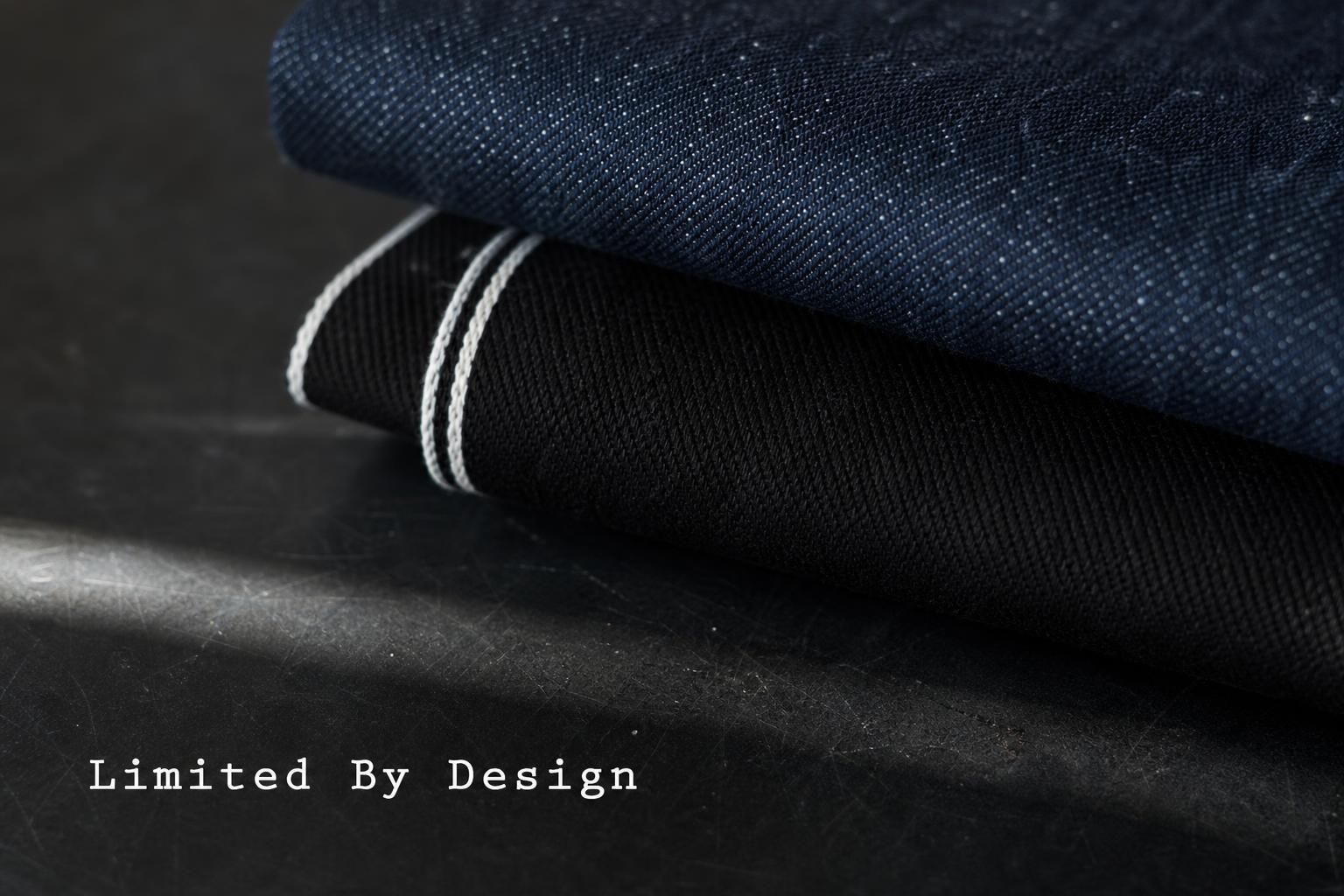
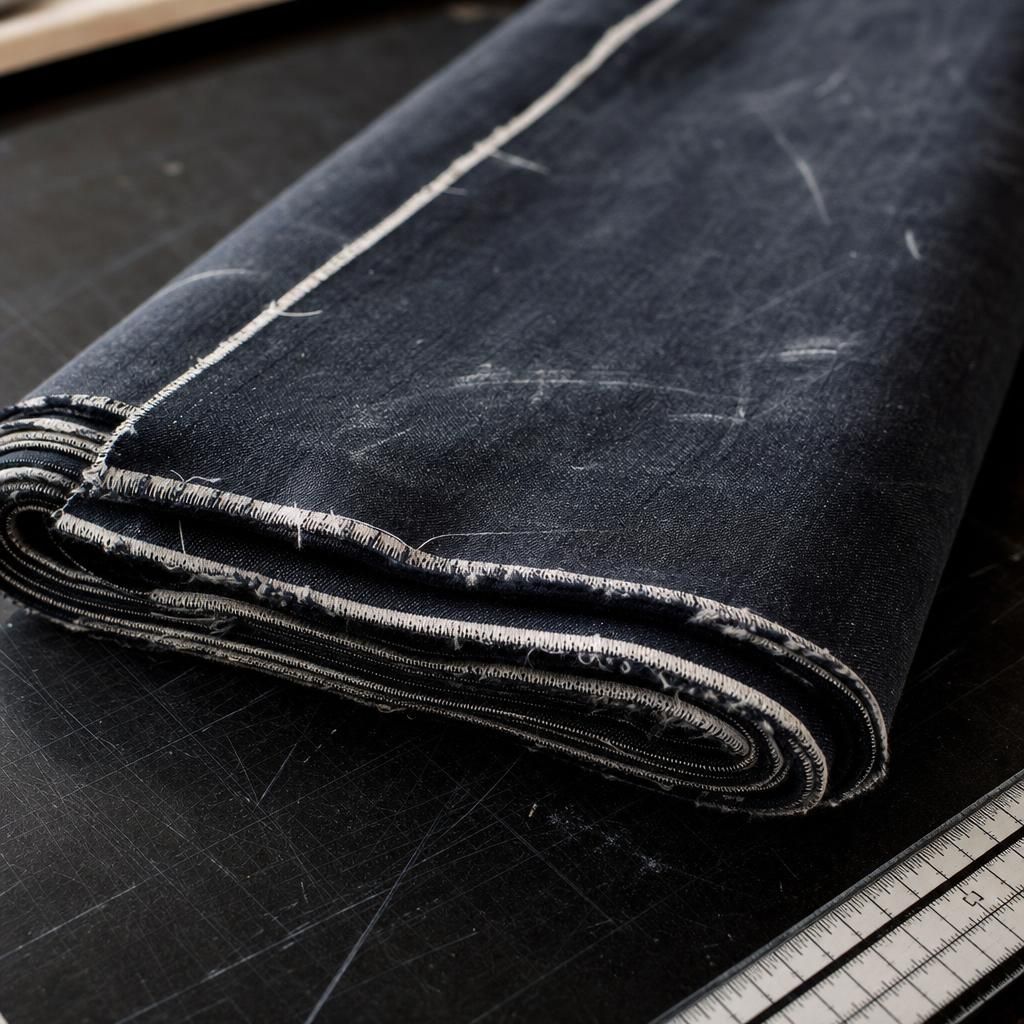
Deadstock denim jeans are jeans made from unused surplus denim, giving existing fabric a new life instead of sending it to waste. Olivia Black’s deadstock denim jeans, including the Weaver Jeans, combine limited-run fabric, thoughtful construction, and gender-fluid styling for buyers who want statement denim with a lower-impact story.
Deadstock denim jeans turn leftover fabric into something wearable, thoughtful, and lasting. That is exactly the idea behind the Weaver Jeans from Olivia Black: limited-run denim shaped for people who want style with substance. If you are comparing fit, fabric, and finish, this guide explains why deadstock denim jeans matter and how the Weaver Jeans bring that material story to life.
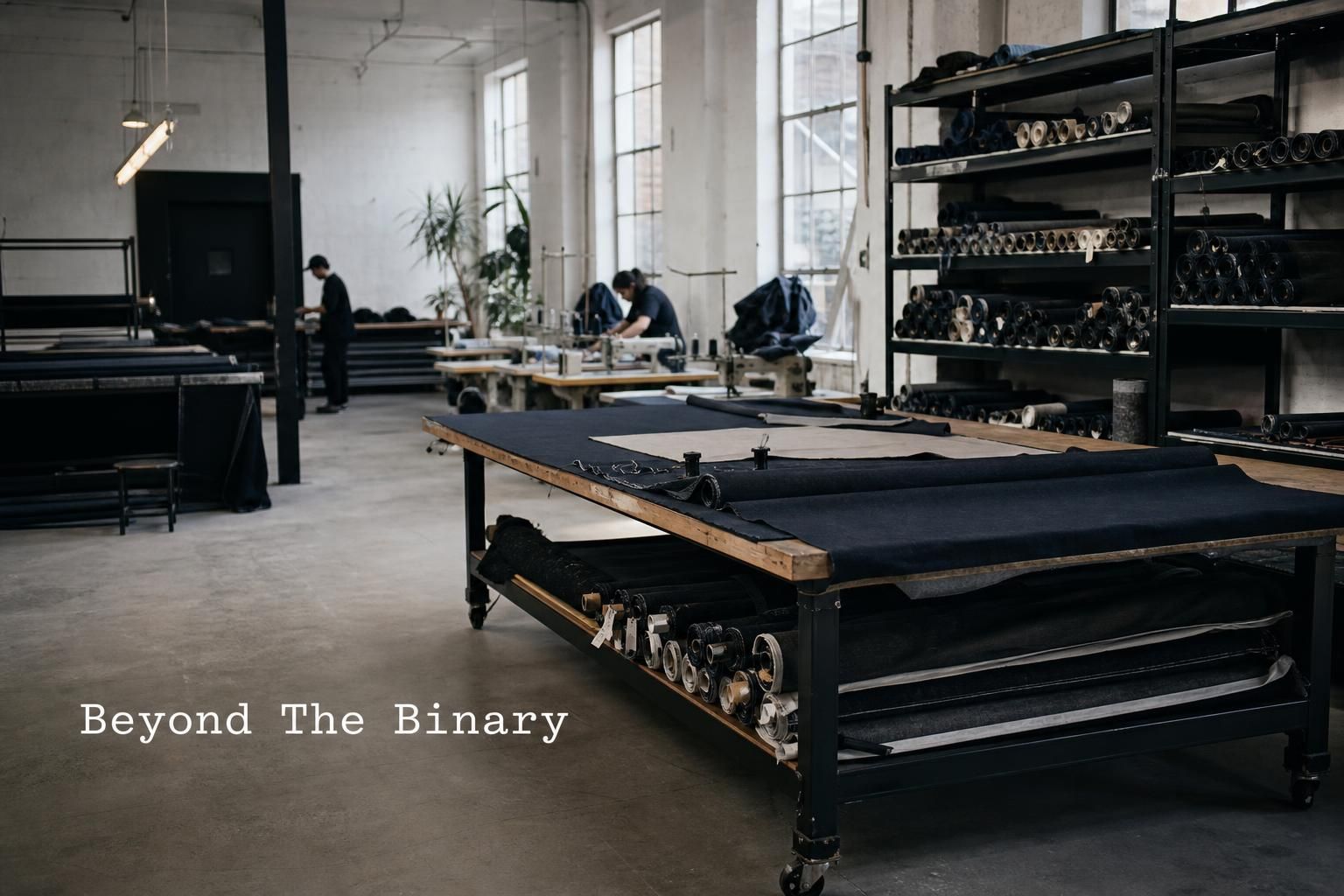
Olivia Black designs gender-fluid, sustainable clothing with a focus on expressive pieces that feel modern rather than disposable. The Weaver Jeans sit in that space neatly. They are made from deadstock fabric, so the cloth already existed before the jeans were cut. That matters for low-waste design, but it also matters for character. Deadstock denim jeans often have a tactile, one-off quality that mass-produced denim can miss. If you want to explore the wider studio approach, start with Olivia Black’s studio story and the full Weaver Jeans product page.
Meet the Weaver Jeans
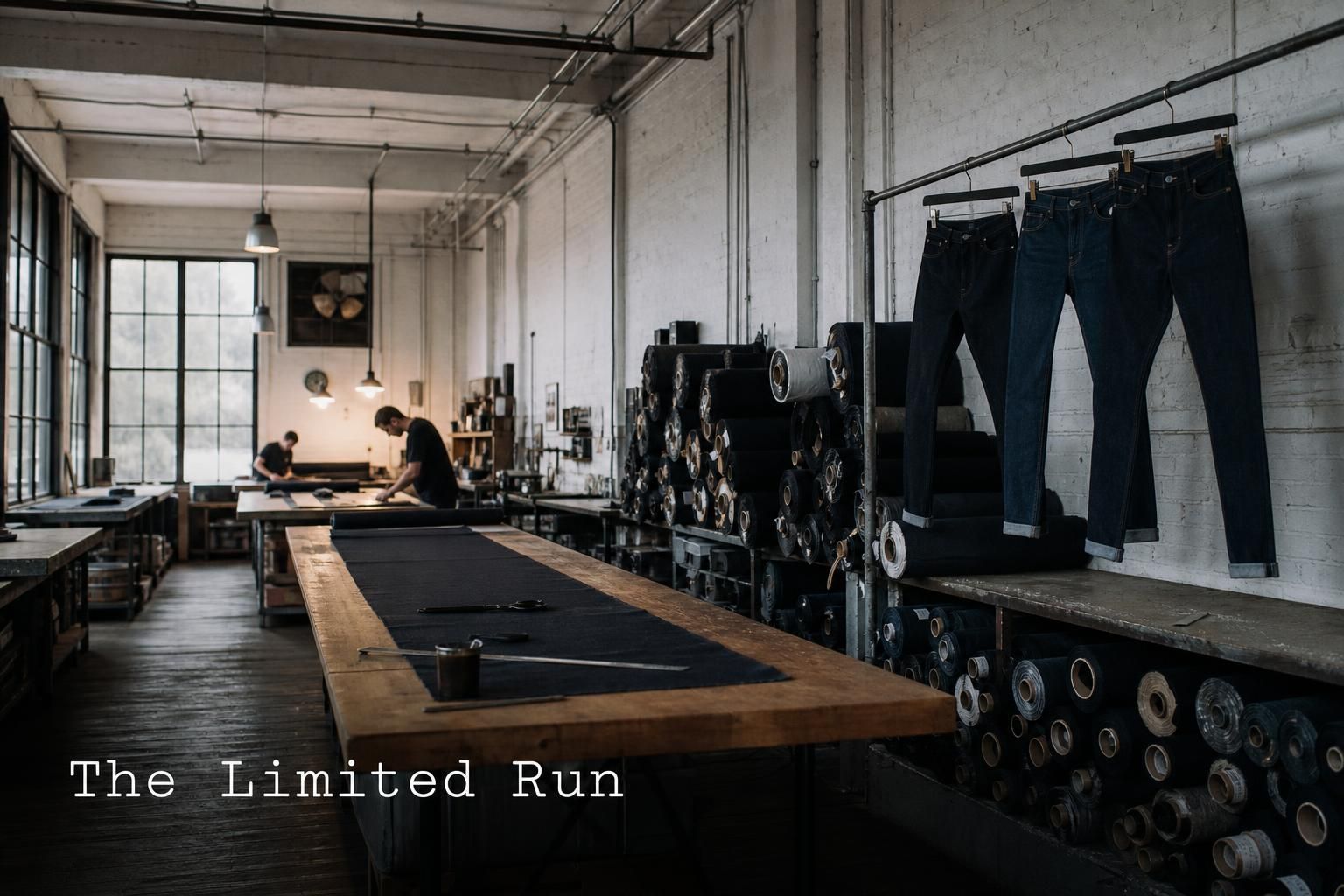
The Weaver Jeans are deadstock denim jeans designed for people who want a clean, confident silhouette with a more responsible material story. They are built as limited-run jeans, so the appeal is not just the look. It is also the rarity, the fabric choice, and the way the cut supports a gender-fluid wardrobe.
This is the kind of denim that feels considered from the first wear. Deadstock denim jeans often start with existing cloth from a previous production run, which means the fabric is not made to order for this single garment. As a result, the jeans carry a sense of scarcity that suits premium, design-led shopping. For buyers who value low-waste fashion, that is a practical advantage and an emotional one.
If you want the broader context, Olivia Black also uses the same design logic across pieces like the Weaver Denim Jacket and other limited-run garments. The result is a wardrobe that feels connected rather than random. Moreover, this makes deadstock denim jeans easier to style with tailored separates, relaxed layers, and statement tops.
For a deeper look at how deadstock denim can be remade into fresh shapes, Nudie Jeans offers a useful overview in Deadstock Denim: Vintage Fabrics, Modern Fit. It shows how archival fabric can be translated into new jeans without losing the identity of the cloth. Additionally, fabric buyers often use sources like designer deadstock denim for handmade jeans to understand weight, texture, and suitability before a garment is cut.
That perspective helps explain the Weaver Jeans. They are not trying to mimic archive denim. They are trying to make deadstock denim jeans feel current, wearable, and personal.
What makes deadstock denim jeans different?
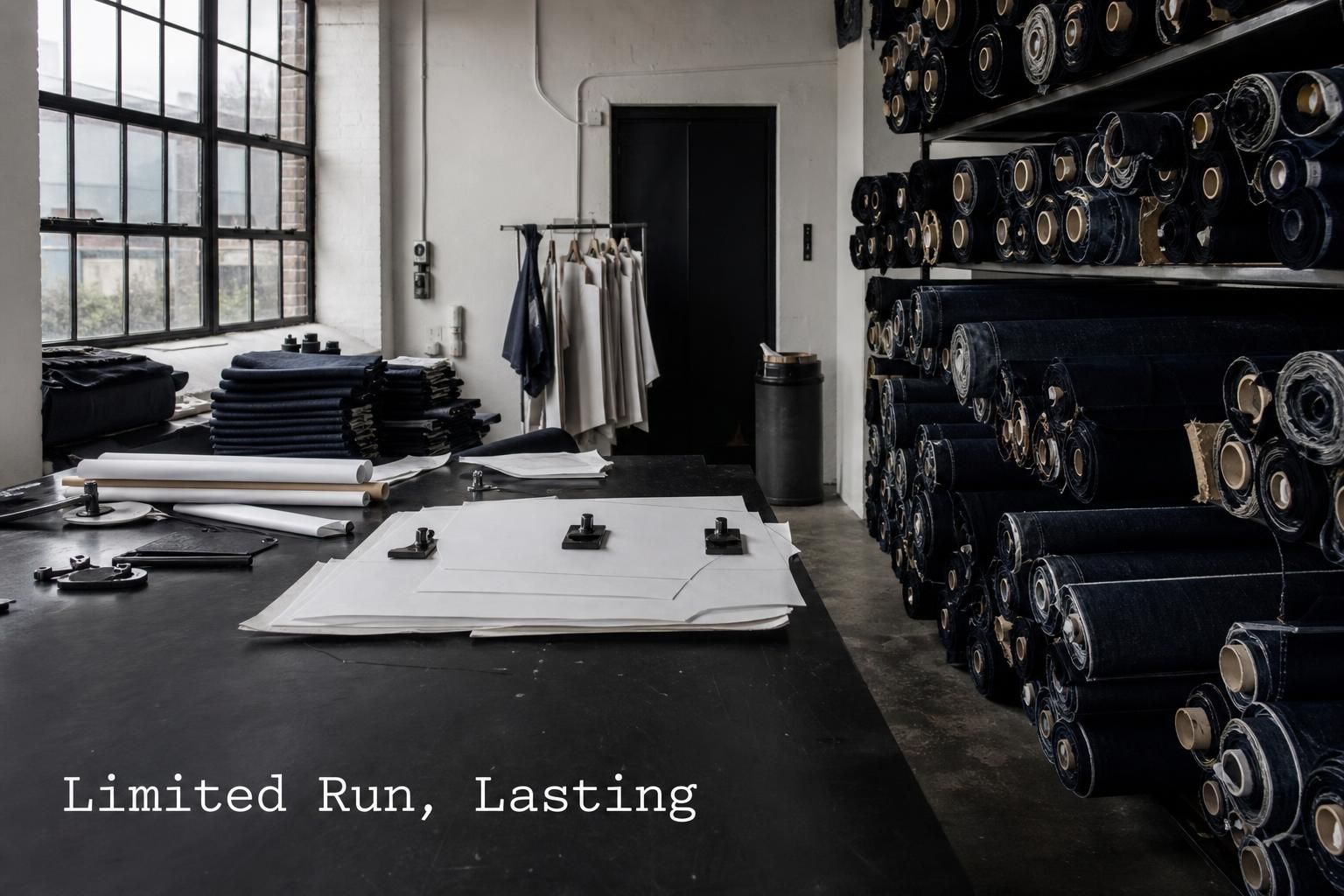
Deadstock denim jeans use leftover fabric that already exists, so each production run depends on what is available. That means the cloth can have unique texture, depth, or handfeel. It also means the jeans are often made in smaller quantities, which gives them a more distinctive feel than standard mass-market denim.
Why Deadstock Denim Jeans Matter
Deadstock denim jeans matter because they give usable fabric a second life. That is the simplest answer, and it is the most important one. Instead of treating surplus denim as waste, a deadstock approach turns it into finished clothing with purpose.
This approach also aligns with the logic of slow fashion. When a brand works with existing fabric, it naturally tends toward smaller runs and more deliberate decisions. Therefore, the clothing often feels more focused. In the case of Olivia Black, that focus supports a gender-fluid identity, where garments are designed to move across settings rather than sit inside one category.
Deadstock denim jeans are also attractive because they feel less generic. The fabric may have been intended for another project, but that history gives the material depth. Some denim enthusiasts describe deadstock as especially covetable because it is limited and unusual. Long John’s article What Makes Deadstock Jeans More Coveted Than Vintage ... explores that collector appeal well. Meanwhile, sourcing platforms such as Deadstock Jeans - Etsy UK show how widely the term now resonates with shoppers looking for one-off denim.
For buyers, the value is straightforward. Deadstock denim jeans can offer a strong design story, lower fabric waste, and the feeling that you are wearing something rare. In addition, they often pair well with both structured and softer styling, which makes them ideal for gender-fluid dressing. If you are exploring how Olivia Black approaches this across the wider collection, the brand’s Sustainable Clothing UK and Limited-Run Clothing pages explain the philosophy in more detail.
The fabric story matters, but so does the result. Good deadstock denim jeans should feel intentional on the body, not just responsible on paper. That is where design and material choice have to work together.
Fit and Silhouette Notes for deadstock denim jeans
The fit of deadstock denim jeans should feel balanced, not overcomplicated. The best pairs give structure where you want it and ease where you need it.
The Weaver Jeans are designed for a gender-fluid wardrobe, so the silhouette avoids rigid styling rules. That makes them easy to wear across bodies and personal styles. You can build around them with fitted tops, oversized shirts, sharp jackets, or softer knits. Consequently, the jeans become a versatile base rather than a single-look item.
When choosing deadstock denim jeans, look at three things. First, check the rise and where the waistband sits on your body. Second, consider leg shape, since straight, tapered, or wider cuts will change the mood entirely. Third, think about how the denim drapes. Deadstock fabrics can vary slightly from batch to batch, so two garments in the same pattern may still feel different.
That is why trying to understand fit matters so much. If you prefer a cleaner line, pair deadstock denim jeans with the Gender Neutral Fashion guide for outfit logic, or style them with the matching Weaver Denim Jacket for a stronger shape through the shoulders. Moreover, if your wardrobe leans minimalist, deadstock denim jeans can anchor statement pieces without competing with them.
In practice, the right fit should let you sit, move, and layer comfortably. If a jean looks good but feels restrictive, it will not earn repeat wear. Therefore, the best deadstock denim jeans are the ones that support both expression and everyday function.
How should deadstock denim jeans fit on the body?
They should sit securely at the waist or intended rise, with enough room to move without pulling. The leg shape should complement your proportions and styling preferences. A good pair of deadstock denim jeans should feel easy to wear for hours, not just look good in a mirror.
How to Style deadstock denim jeans
Deadstock denim jeans are easiest to style when you treat them as a foundation piece. They work with sharp tailoring, relaxed layers, and statement tops because denim naturally grounds a look.
For a polished outfit, wear them with a crisp shirt and a structured jacket. For a softer look, add a draped top or knit with fluid movement. If you want a more directional style, pair deadstock denim jeans with boots and a strong outer layer. As a result, the jeans can move from daytime wear to evening styling without feeling costume-like.
Olivia Black’s wider collection makes this even easier. The Gender Fluid Clothing and Gender Neutral Jeans guides can help you think about proportion and expression before you buy. Additionally, deadstock denim jeans sit beautifully beside statement pieces like the Maglen Dress when you want to mix textures in a wardrobe that feels personal.
For styling inspiration, think in terms of contrast. Denim with silk feels elevated. Denim with oversized shirting feels relaxed. Denim with sculptural accessories feels editorial. Meanwhile, the point is not to chase trends that disappear fast. It is to build looks that feel current now and still make sense later.
That is why deadstock denim jeans are so useful in a gender-fluid wardrobe. They do not dictate identity. Instead, they support it.
How to Care for deadstock denim jeans
Deadstock denim jeans last longer when you treat them gently. Good care helps preserve the fabric, the fit, and the character of the garment.
Start by washing less often. Denim does not need frequent laundering unless it is genuinely dirty. Instead, air it out between wears and spot clean when needed. When you do wash deadstock denim jeans, turn them inside out and use a cool, gentle cycle. This helps protect the surface of the fabric and reduces unnecessary wear.
Avoid harsh tumble drying if you can. Air drying is kinder to the fibres and the shape. In addition, it helps the denim settle naturally rather than shrinking unpredictably. If your jeans feel slightly stiff at first, that is normal. Many denim fabrics soften with wear, especially when they are made from quality cloth.
Storage matters too. Hang deadstock denim jeans or fold them neatly in a dry space. Keep them away from direct sunlight for long periods, since fading can happen faster than expected. If you want broader care advice for a wider wardrobe, Olivia Black’s Sustainable Denim in the UK page is a useful starting point.
The aim is simple. You want deadstock denim jeans to age well, not just survive the season. With careful wear, they become more personal over time.
FAQs About deadstock denim jeans
Deadstock denim jeans are still a niche term for many shoppers, so clear answers help. These are the questions people ask most often before buying.
What does deadstock denim mean?
Deadstock denim means unused denim fabric that was already produced but never fully used in its original plan. In deadstock denim jeans, that fabric is cut into a new garment instead of being discarded. The result is a limited-run pair of jeans with a lower-waste material story.
What jeans cost $100,000?
The answer depends on rarity, condition, provenance, and collector demand. Some jeans have sold for extraordinary sums because they are historical, exceptionally rare, or tied to a famous origin story. That is very different from deadstock denim jeans, which are valued for fabric reuse, design, and limited-run appeal rather than auction-level collectability.
What jeans are no longer in style?
Fit trends change, but no jean is permanently out of style. Ultra-specific trend-driven cuts can fade for a while, while straight, relaxed, and tailored shapes tend to stay relevant longer. Deadstock denim jeans are a better buy when the cut feels personal, because that usually outlasts trend cycles.
What are the big 3 denim brands?
People often mean the three most dominant global denim names in the mass market, but that list changes by context and region. For a more useful shopping question, compare craftsmanship, fabric quality, and fit rather than brand size. That approach is more relevant when choosing deadstock denim jeans from a designer label like Olivia Black.
Key Takeaways
- Deadstock denim jeans use unused fabric, so they give existing material a second life.
- The Weaver Jeans pair a limited-run denim story with a gender-fluid, wearable silhouette.
- Fit matters as much as fabric, especially when denim is meant to work across different styling moods.
- Deadstock denim jeans style well with tailoring, relaxed layers, and statement pieces.
- Gentle washing, low-heat drying, and less frequent laundering help denim last longer.
Frequently Asked Questions
Are deadstock denim jeans worth buying?
Yes, if you want denim with a limited-run fabric story and a more distinctive feel. Deadstock denim jeans are worth buying when the cut, construction, and wearability are strong, because the best pairs combine substance with style rather than relying on the material story alone.
Do deadstock denim jeans fade like regular denim?
Yes, they can fade in much the same way as other denim. The exact result depends on the fabric, wash, and how often you wear them. That fading can be part of the appeal, because deadstock denim jeans often look better as they develop a personal wear pattern.
Can I wear deadstock denim jeans as part of a gender-fluid wardrobe?
Absolutely. Deadstock denim jeans are one of the easiest foundations for a gender-fluid wardrobe because they work with many silhouettes and styling moods. Pair them with structured tops, loose tailoring, or statement layers to create looks that feel authentic rather than prescriptive.