Luxury Sustainable Fashion: Why Craft, Materials and Limited Runs Matter
Quick Answer
Luxury sustainable fashion works when a brand treats design, materials, and production with equal care. The best pieces use responsible fabrics, refined construction, and limited runs, so they feel exclusive without relying on waste. That balance creates garments that last longer, wear better, and hold meaning.
Luxury sustainable fashion is not a contradiction when the garment is made with restraint, skill, and intention. The strongest pieces feel special because they are built carefully, not because they were produced in excess. That is why luxury sustainable fashion now matters to shoppers who want beauty, longevity, and clearer ethics in the same wardrobe. It asks a better question than trend-driven fashion: what should deserve to exist at all?
For Olivia Black, the answer begins with limited-run design, considered fabrics, and London-made clothing that supports expressive, gender-fluid dressing. Pieces such as Olivia Black’s studio story and limited-run clothing approach show how premium clothing can feel personal without becoming wasteful. In this guide, we will look at what makes luxury sustainable fashion credible, why deadstock and carefully sourced materials matter, and how smaller production runs can improve both quality and trust. We will also address the questions shoppers ask most: which luxury brands are actually sustainable, whether major high-street labels can be considered sustainable, and how to buy less while choosing better.
What Makes Fashion Both Luxury and Sustainable?
Luxury sustainable fashion is clothing that pairs elevated design with lower-impact choices. It should feel refined, but it should also be transparent about materials, making, and scale. When those elements line up, the result is not just premium clothing. It is clothing with a reason to exist.
This matters because luxury has often been linked to excess, while sustainability asks for restraint. However, the two can align when a brand focuses on craft, durability, and responsible sourcing instead of constant volume. That is why the strongest luxury sustainable fashion labels usually talk about where items are made, what fabrics they use, and how many pieces they release.
You can see that logic in Olivia Black’s gender-fluid collections, where the emphasis stays on expressive shape and long-term wear. Browse the Olivia Black home page and you will find a brand built around London-made, limited-run garments rather than mass-market turnover. That approach is also reflected in pieces like the Weaver Denim Jacket, which is designed to feel substantial, wearable, and distinctive.
The best luxury sustainable fashion usually shares four traits:
- careful pattern cutting and construction
- responsible fabric choices
- fewer, more deliberate product drops
- a clear design point of view
There is also a wider industry context. Source Fashion’s article on whether luxury can ever be sustainable argues that transparency and traceability are central to the conversation. Meanwhile, editorial roundups such as Vogue’s guide to sustainable clothing brands show that shoppers increasingly expect proof, not slogans.
Ultimately, luxury sustainable fashion works best when it is easy to explain. If a garment is beautiful, durable, and responsibly made, the value is visible in the piece itself.
How does luxury sustainable fashion differ from green marketing?
Luxury sustainable fashion differs from green marketing because it relies on verifiable choices, not vague claims. A real sustainable product has an identifiable fabric story, a production location, and a clear reason for limited output.
Green marketing often stays abstract. It may use words like ethical or conscious without showing what changed in the supply chain. By contrast, a credible brand can explain why it chose deadstock fabric, why production is small, and how the garment was made to last. That clarity builds trust, especially for shoppers who want premium fashion without the usual waste.
Materials in Luxury Sustainable Fashion: Deadstock, Recycled and Carefully Sourced Fabrics
Materials are where luxury sustainable fashion becomes tangible. If the cloth feels cheap, the promise falls apart. If the fabric is thoughtfully chosen, the garment immediately feels more honest and more valuable.
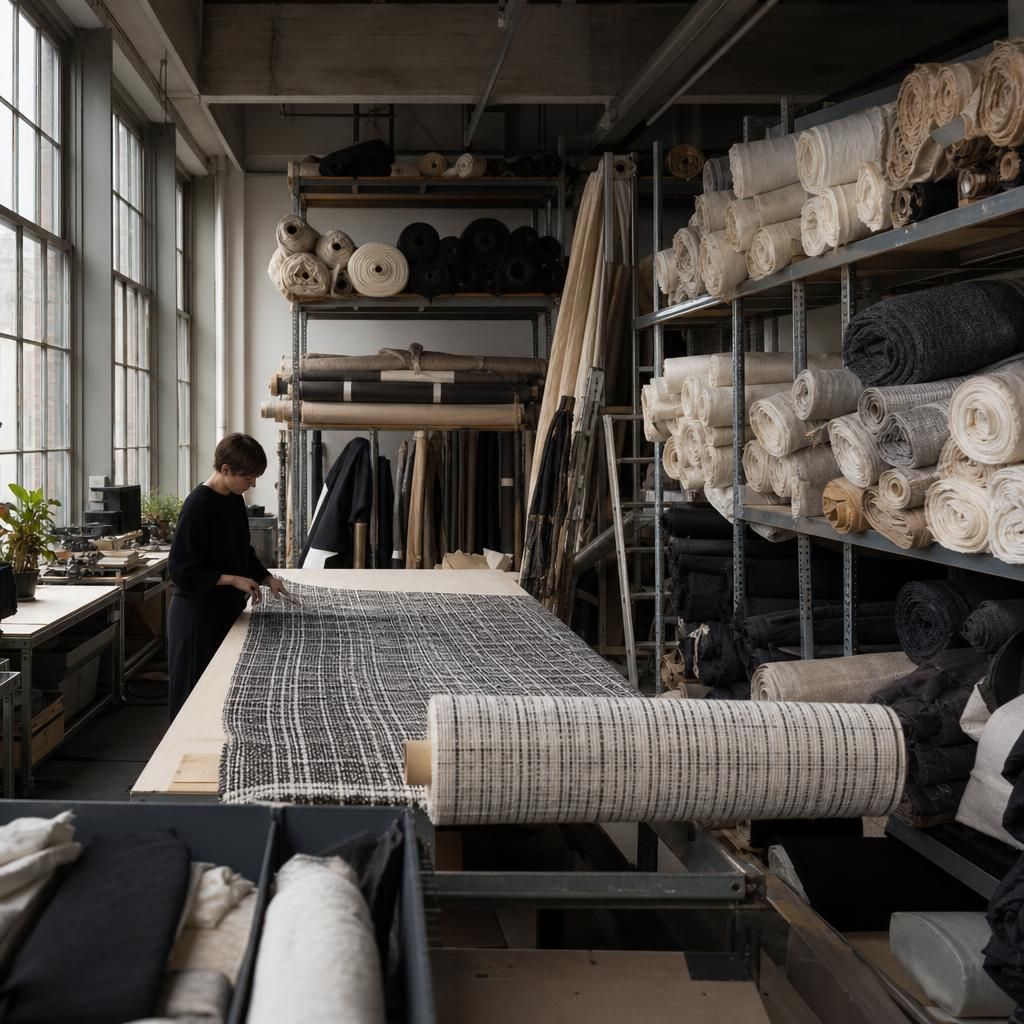
Deadstock fabric is especially important here. It refers to existing fabric that was never used in production. Using it keeps good material in circulation and reduces the need to create new cloth for every collection. Olivia Black’s deadstock fabric clothing guide explains this logic well, and the same thinking sits behind garments like the Weaver Jeans and the Maglen Dress.
Recycled fabrics can also play a role, but they are not automatically superior. What matters is the full context. How was the fibre processed? Does the fabric suit the garment? Will the piece still feel beautiful after repeated wear? Luxury sustainable fashion should answer those questions clearly.
Carefully sourced fabrics matter too. A premium garment needs structure, drape, and comfort. Therefore, the best brands choose materials that match the intended silhouette, not whatever is cheapest to buy in bulk. That is especially relevant for statement trousers, tailored shirts, and occasionwear. It is also why a piece such as the Feather Trouser can feel both directional and practical when the fabric supports the cut.
For shoppers, material checks are simple:
- ask whether the fabric is deadstock, recycled, or newly sourced
- look for clear fabric descriptions, not generic eco language
- consider how the fabric will age, crease, and recover
- check whether the material suits the garment’s purpose
In broader fashion commentary, Be Unica’s sustainable luxury designers guide reinforces how fabric selection is now part of the luxury conversation. In luxury sustainable fashion, the fabric is not background detail. It is the point.
Why does deadstock feel especially aligned with luxury?
Deadstock feels aligned with luxury because rarity has meaning when it is tied to restraint. A deadstock fabric cannot be endlessly repeated, so the finished piece naturally feels more limited and distinct.
That limitation should not be treated as a gimmick. Instead, it can support better design decisions. When fabric availability is finite, a designer has to work with intention. The result is often a more focused collection with stronger identity and less waste.
Luxury Sustainable Fashion and Limited-Run Production
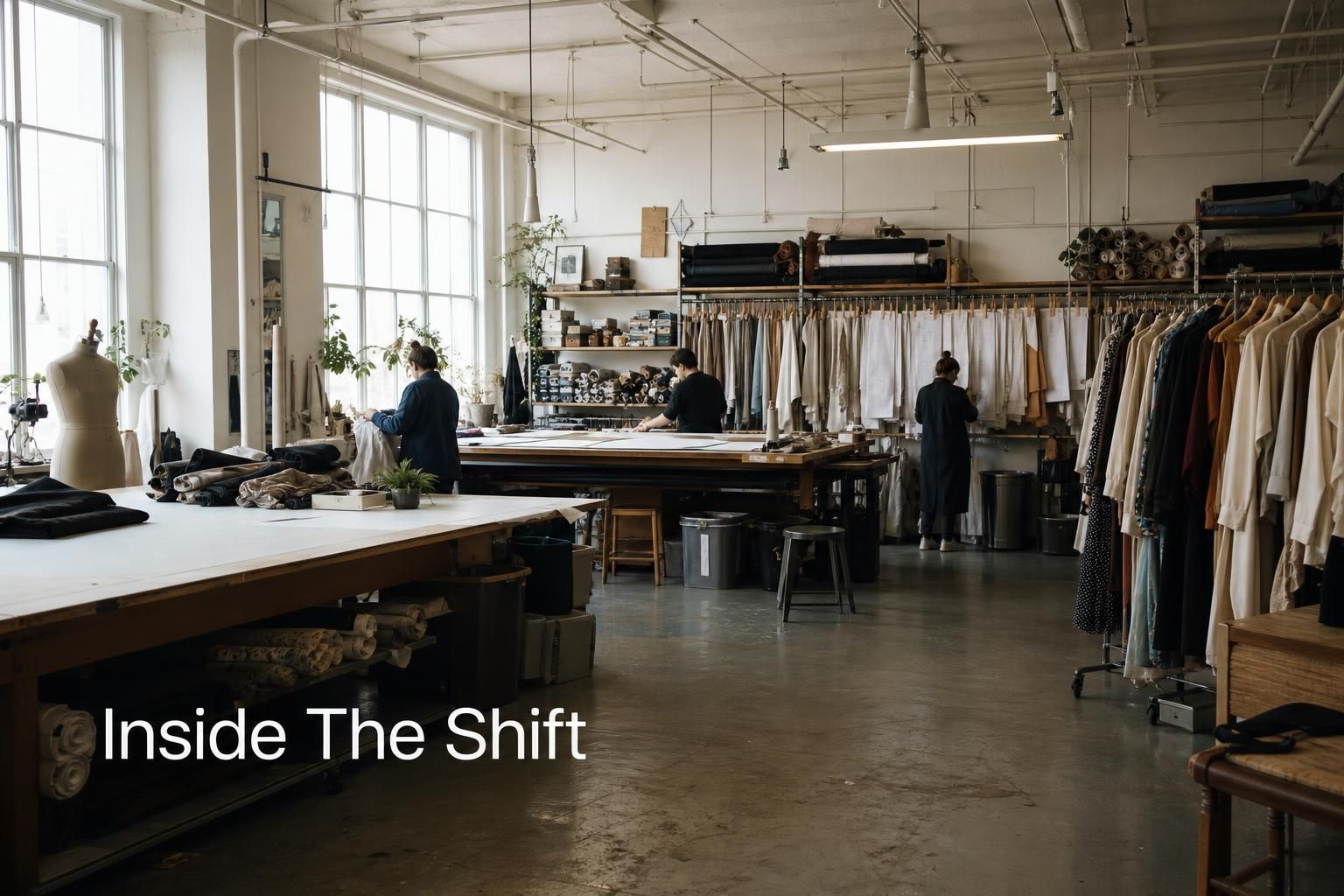
Luxury sustainable fashion becomes more credible when production stays small. Limited runs reduce the pressure to overmake, and they often improve quality control because each piece receives more attention.
This is not only about waste reduction. It is also about design discipline. When a brand produces fewer garments, every detail matters more. Fit has to be right. Finishing has to be clean. Fabric choice has to support the whole piece. As a result, luxury sustainable fashion feels more considered than fast fashion, where scale often beats refinement.
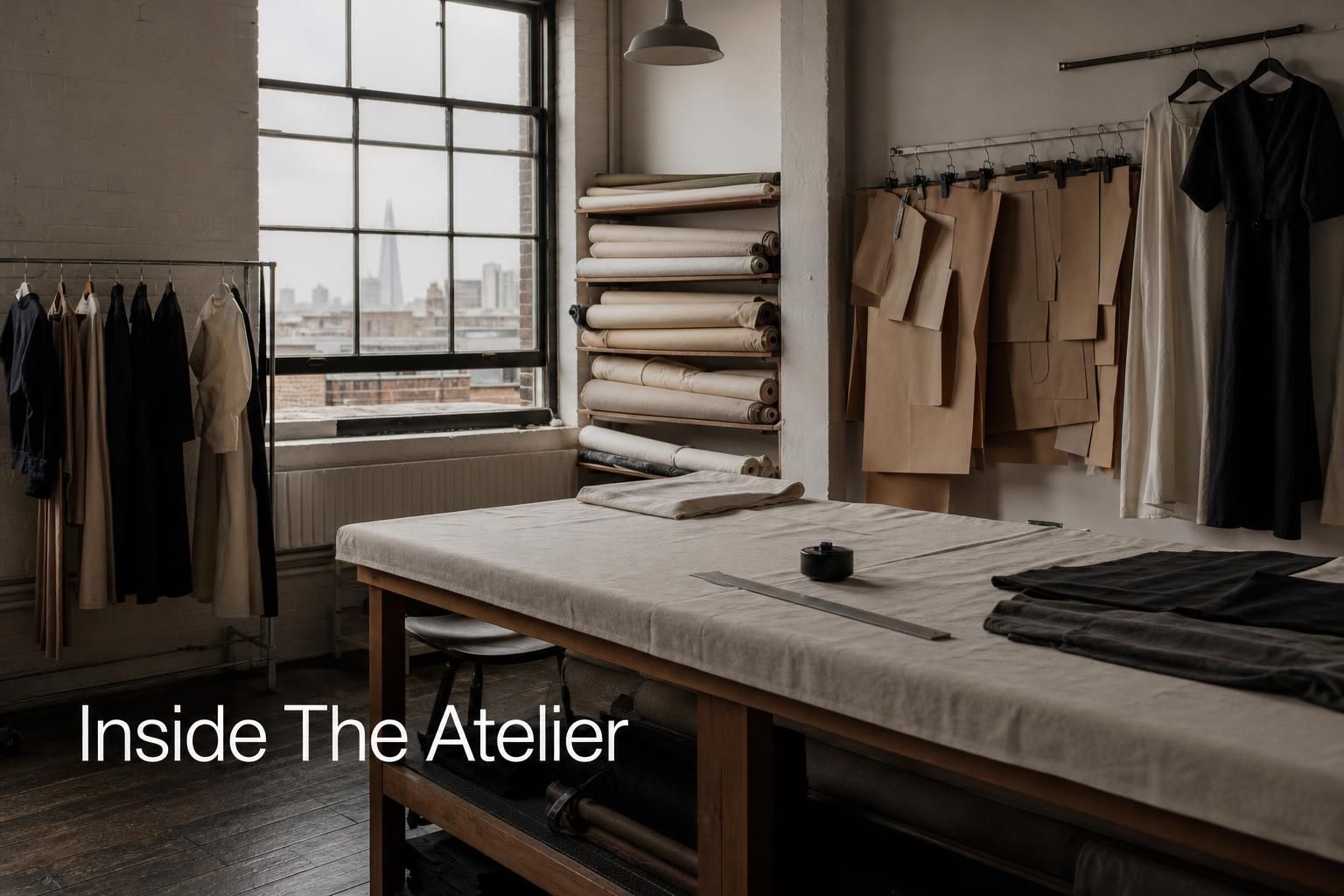
Olivia Black’s limited-run clothing philosophy explains why small-batch fashion can feel more personal. You see that same approach across the label’s London-made pieces, including sustainable fashion designed in London. Limited production is especially relevant for gender-fluid clothing, because expressive wardrobes benefit from garments that feel distinctive rather than generic.
Limited runs also improve trust. Shoppers can usually understand where the value comes from. They know the brand is not chasing endless volume. Instead, it is protecting design integrity and reducing surplus inventory.
The wider luxury sector has started to talk more openly about this shift. Source Fashion’s discussion of luxury and sustainability points to transparency and responsible production as central themes. That matches what many shoppers already feel: if a piece is positioned as luxury sustainable fashion, it should not be mass-produced like a disposable trend item.
A useful way to assess limited-run production is to ask:
- Was the piece made in a small quantity?
- Does the brand explain why the run is limited?
- Is the design likely to remain relevant beyond one season?
- Does the production scale match the garment’s price and promise?
If the answer is yes, the brand is likely treating luxury sustainable fashion as a craft-led practice rather than a marketing label.
How do limited runs support better luxury fashion?
Limited runs support better luxury fashion because they make overproduction less likely. They also allow a brand to stay close to materials, fit, and finishing.
That closeness matters. It reduces the chance of rushed decisions and dead stock. It also helps the garment feel intentional from first sketch to final stitch. In luxury sustainable fashion, small-scale production is often one of the clearest signs that quality comes before volume.
Craftsmanship, Fit and Longevity in Luxury Sustainable Fashion
Craftsmanship is the bridge between luxury and sustainability. A garment that is beautifully made and worn often is more sustainable than one that is cheap but short-lived.
Luxury sustainable fashion should therefore be judged by how it fits, how it finishes, and how it holds up in real life. Strong seams, thoughtful shaping, and careful grading all matter. So does versatility. A garment that works across settings gives you more use per purchase, which is one of the simplest ways to buy more responsibly.
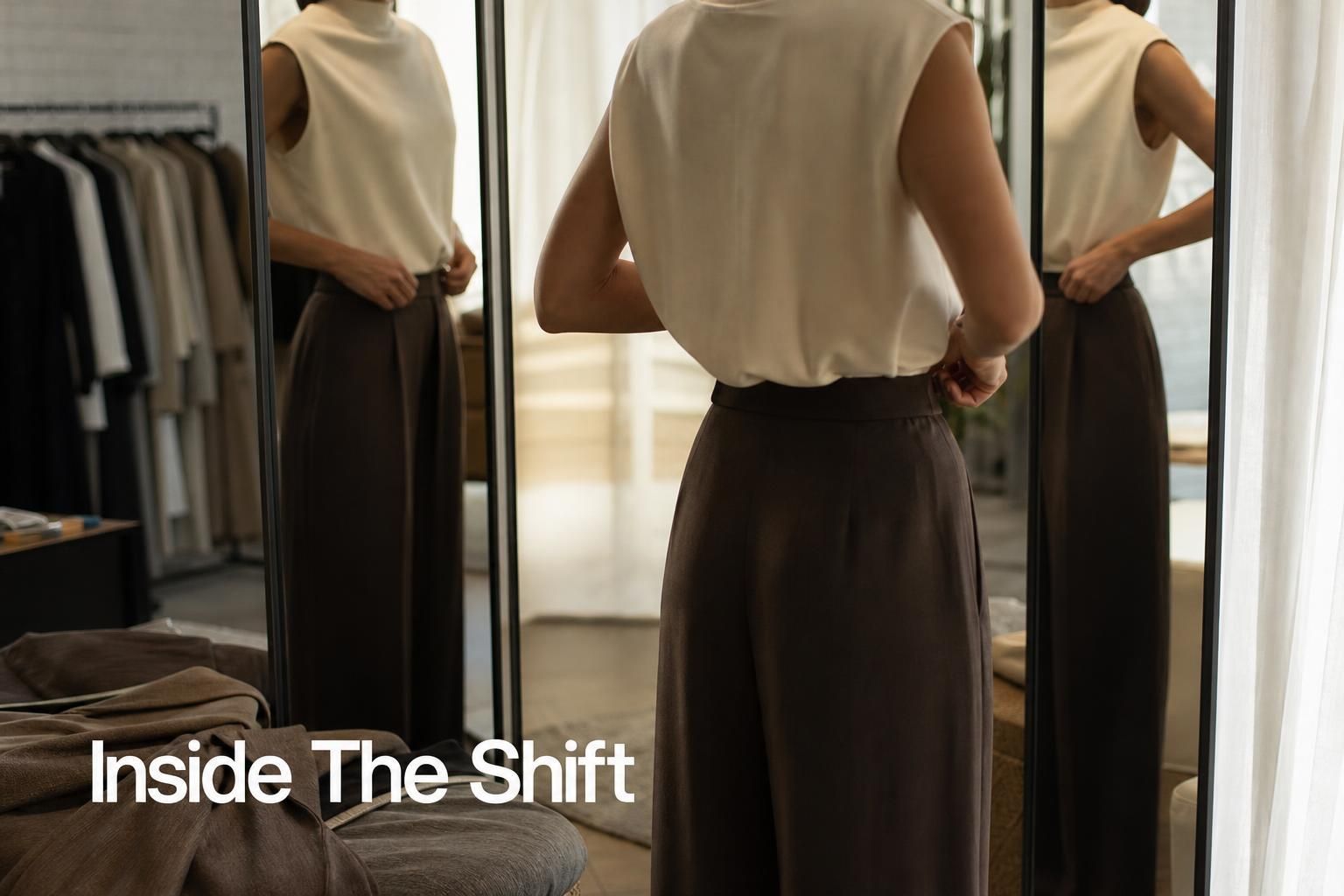
Fit is especially important in gender-fluid dressing. A good cut should create room for expression without forcing the body into a narrow template. Olivia Black’s collections show this through silhouettes that feel sculptural, fluid, and wearable. For occasionwear, the designer clothing rental option also offers a smart way to enjoy statement dressing without buying a one-time piece.
Longevity depends on design and care. A well-made dress or jacket can stay in rotation for years if it is cleaned properly and stored well. Therefore, luxury sustainable fashion should come with care guidance, not just styling inspiration. That is part of the trust equation.
The conversation around luxury is changing, too. In Marina Spadafora’s TEDx talk, sustainability is presented as part of modern luxury rather than an optional extra. You can watch that perspective here:
For practical buyers, longevity often looks like this:
- a shape that still feels relevant after the trend passes
- a fabric that withstands regular wear
- a fit that flatters and moves with the body
- a finish that looks good after repeated use
In other words, luxury sustainable fashion is not just about how a garment enters your wardrobe. It is about how long it earns its place there.
What does good fit say about sustainability?
Good fit says a garment is more likely to be worn. That matters because the most sustainable item is often the one you keep reaching for.
When fit is thoughtful, people use the piece more often and replace it less often. This is why tailoring, drape, and silhouette are sustainability issues as well as style issues. In luxury sustainable fashion, fit is not decoration. It is one of the main reasons a garment lasts.
Olivia Black’s Luxury Sustainable Fashion Pieces
Olivia Black’s collection shows how luxury sustainable fashion can feel expressive, limited, and responsibly made at the same time. The brand’s strength lies in combining gender-fluid design language with practical choices about fabric and production.
Start with the Weaver Jeans. They show how denim can feel premium without becoming generic. The sustainable denim jacket guide also explains how a better-made layer can support more outfits over time. For softer silhouettes, the Maglen Dress and the Feather Trouser reflect the same commitment to shape and movement.
The brand also serves shoppers who want clothing to feel less boxed in by gender rules. That is where luxury sustainable fashion becomes especially interesting. It is not just about buying fewer pieces. It is about buying pieces that better match identity, mood, and occasion.
If you are looking for context on the studio’s values, the about page is a useful place to start. It explains the brand’s commitment to thoughtful design and responsible production. For a broader guide to the label’s inclusive position, the gender fluid fashion guide adds further detail.
For event dressing, rental can also be part of the luxury sustainable fashion model. A statement dress worn for a specific moment does not need to be permanently owned to be meaningful. That is where the Maglen Dress and rental-minded thinking can complement a more considered wardrobe.
What stands out across the collection is consistency. The garments do not try to be everything to everyone. Instead, they offer a clear point of view: premium, expressive, and made with restraint. That is what makes luxury sustainable fashion feel believable.
How should shoppers evaluate a designer piece before buying?
Shoppers should evaluate the fabric, the fit, the production story, and the likelihood of long-term wear. Those four checks reveal far more than a polished campaign image.
If a piece is truly part of luxury sustainable fashion, the brand should be able to explain why it exists, what it is made from, and how it was produced. That information helps buyers make more confident decisions and reduces regret later.
How to Buy Less but Better
Buying less but better is the most practical way to support luxury sustainable fashion. It shifts the focus from impulse to intent.
Start by identifying what you actually wear. If your wardrobe already contains strong staples, then the next purchase should add something specific: a better jacket, a stronger pair of trousers, or a dress that works for multiple settings. This mindset makes luxury sustainable fashion feel useful, not abstract.
It also helps to ask sharper questions before buying. Is the piece made from deadstock or carefully sourced fabric? Was it produced in a limited run? Will the cut still appeal next year? If the answer is yes, the garment may be worth the investment.
For occasionwear, consider renting instead of buying when the use is occasional. Olivia Black’s designer fashion rentals offer one way to keep luxury sustainable fashion in motion without adding unnecessary ownership. That can be especially sensible for events, shoots, and special moments.
You can also use trusted editorial roundups for broader context. Eco-Stylist’s curated video guide to vetted labels is a useful reference point for shoppers who want more than surface-level sustainability claims:
. The brand landscape is wider than the usual luxury names, and careful research matters.
A simple buying framework helps:
- choose pieces you can wear more than once a year
- prioritise fabrics and construction over logos
- buy from brands that explain their production clearly
- consider repair, resale, and rental before replacing
Luxury sustainable fashion is not about owning nothing. It is about owning fewer pieces with more purpose. When you shop that way, your wardrobe becomes more coherent, more expressive, and easier to trust.
What is the best long-term wardrobe mindset?
The best long-term mindset is to treat each purchase like a decision, not a reward. That keeps the focus on use, quality, and fit.
In luxury sustainable fashion, the goal is not constant novelty. The goal is to build a wardrobe that feels personal and performs well. When every piece earns its place, you buy less and enjoy more.
Key Takeaways
- Luxury sustainable fashion works best when design, material choice, and production scale all support the same message.
- Deadstock and carefully sourced fabrics can make premium garments feel more distinctive and more responsible.
- Limited-run production reduces overproduction and usually improves focus, quality, and trust.
- Craftsmanship, fit, and longevity are sustainability issues, not just style details.
- Buying less but better, and using rental when appropriate, is a practical way to build a more coherent wardrobe.
Frequently Asked Questions
Which luxury fashion brands are sustainable?
Some luxury fashion brands are more sustainable than others, but shoppers should always look for proof. The best signs are transparent materials, responsible production, clear sourcing, and limited output. In luxury sustainable fashion, trust comes from specifics, not labels alone.
What are the 7 forms of sustainable fashion?
There is no single universal list, but common forms include slow fashion, circular fashion, ethical fashion, upcycled fashion, recycled-material fashion, rental, and repair-led fashion. These approaches often overlap, and luxury sustainable fashion can include several of them at once.
Is Zara actually sustainable?
Zara is not generally seen as a model of fully sustainable fashion because it is built around a fast-fashion business model. It may introduce some lower-impact initiatives, but that is different from being a truly sustainable brand.
Is Gucci a sustainable brand?
Gucci has introduced sustainability initiatives, but that does not make the brand fully sustainable in a simple, blanket sense. A fair answer is that it operates in the luxury space while making some sustainability efforts, so shoppers should assess each product and policy carefully.
Why do limited runs matter in luxury sustainable fashion?
Limited runs matter because they reduce the pressure to overproduce and make it easier to protect quality. They also help garments feel more deliberate and distinctive, which is a strong fit for luxury sustainable fashion.