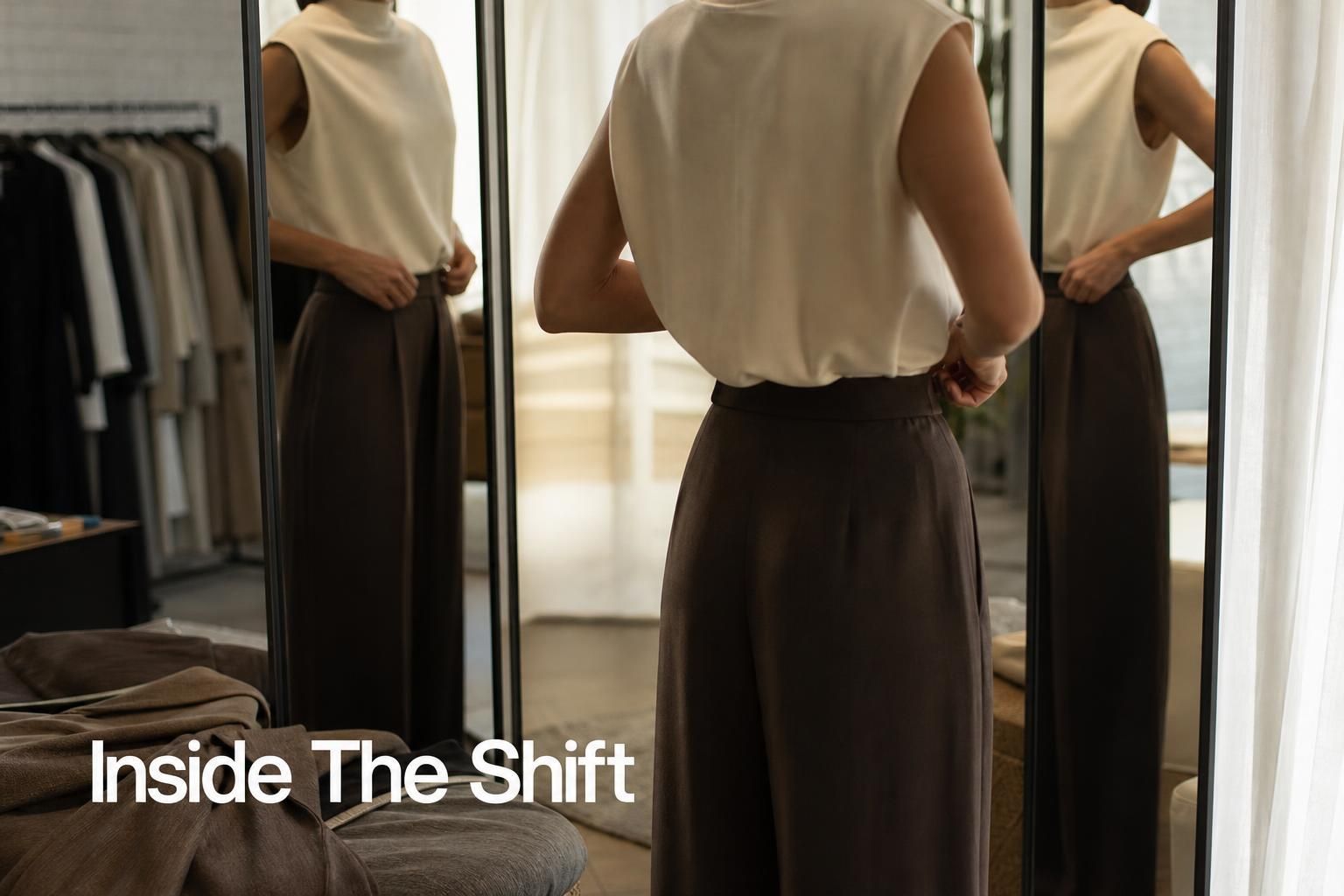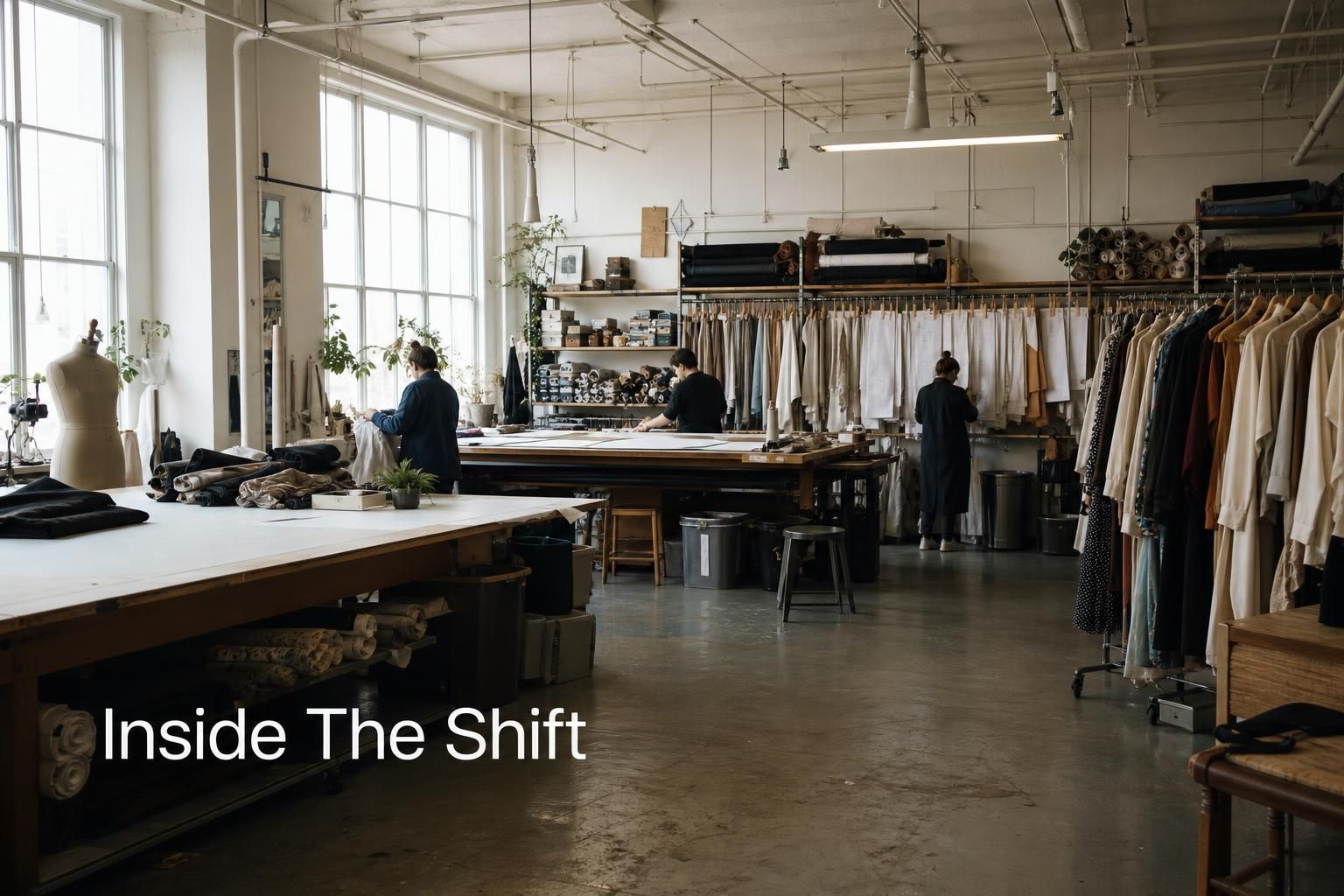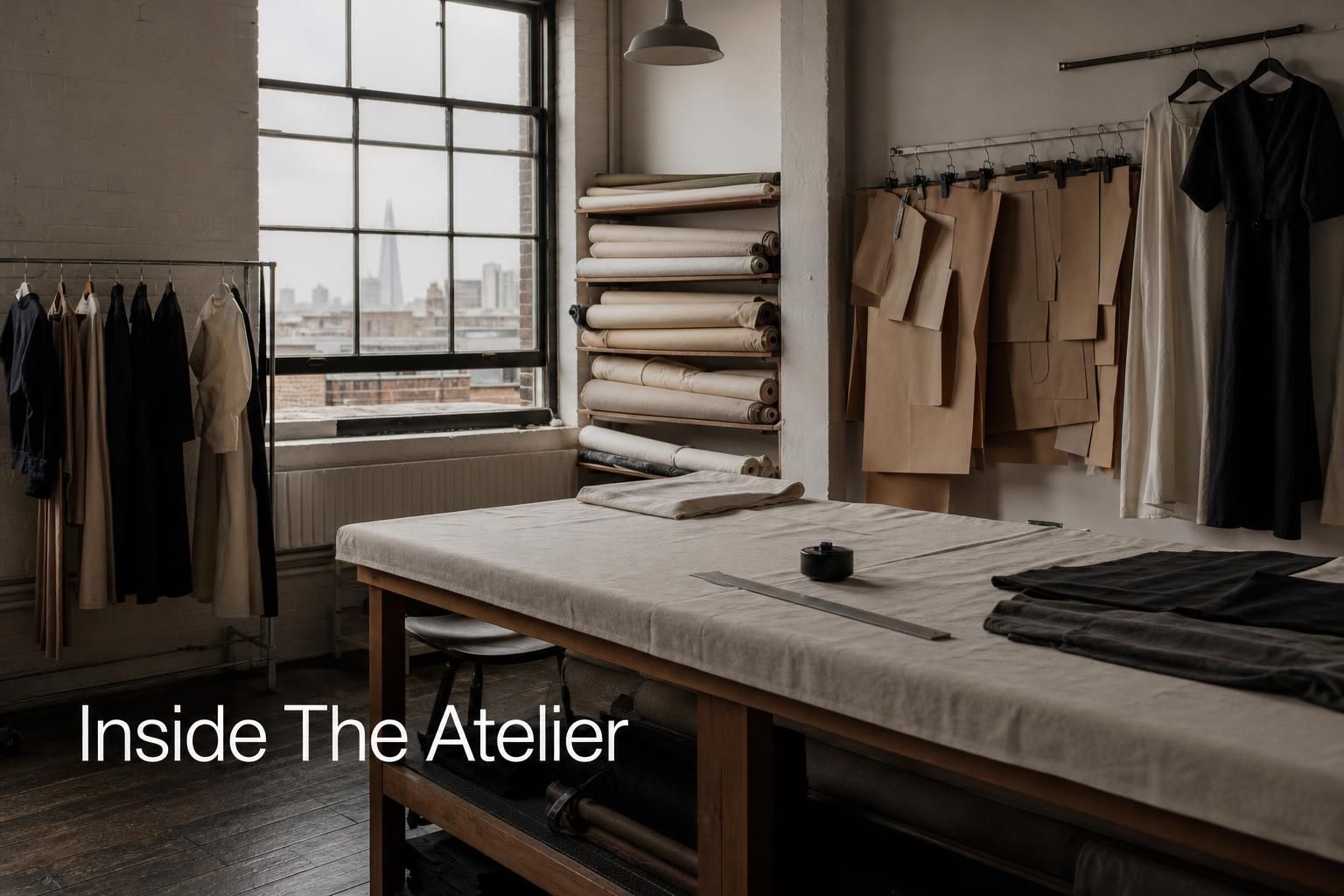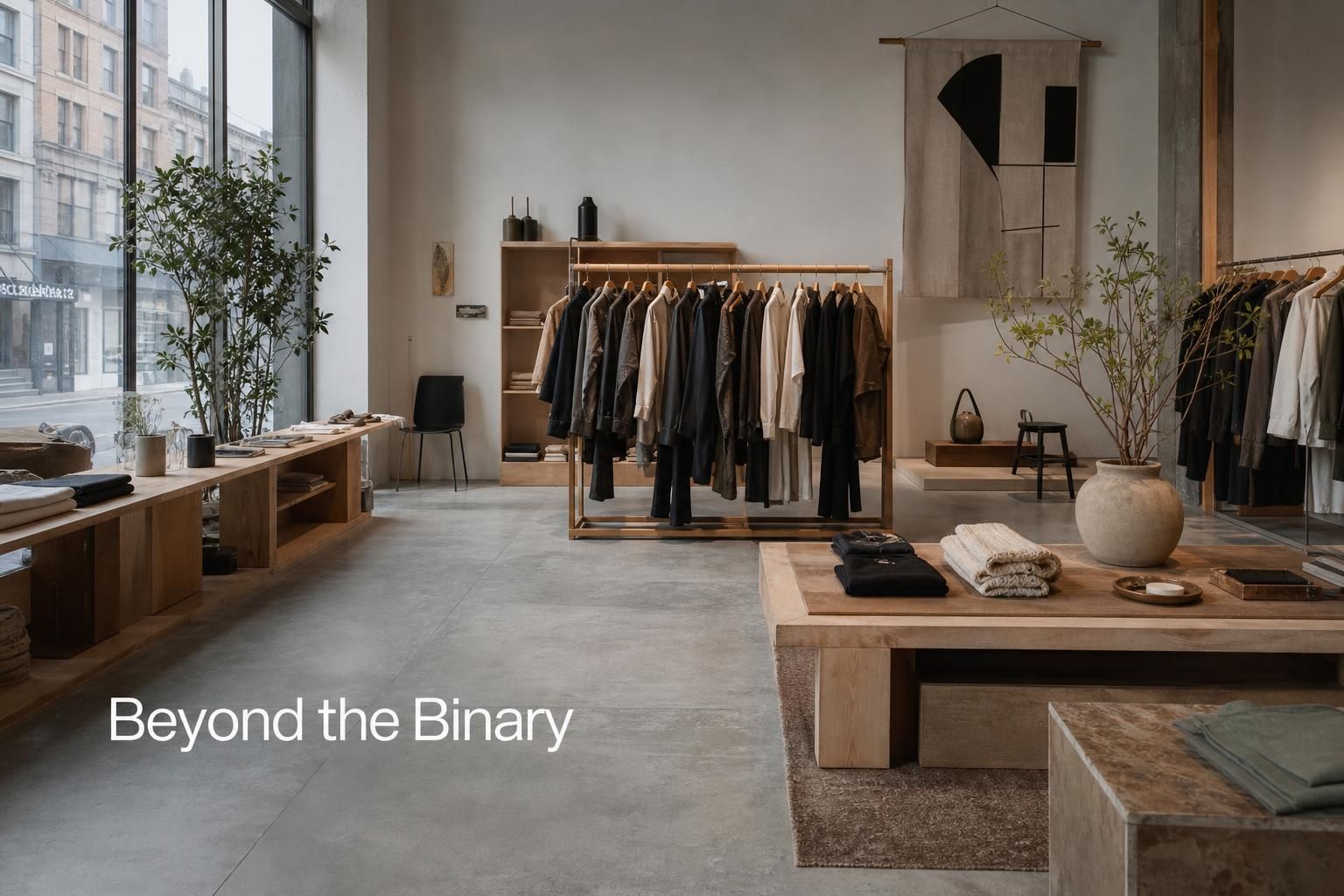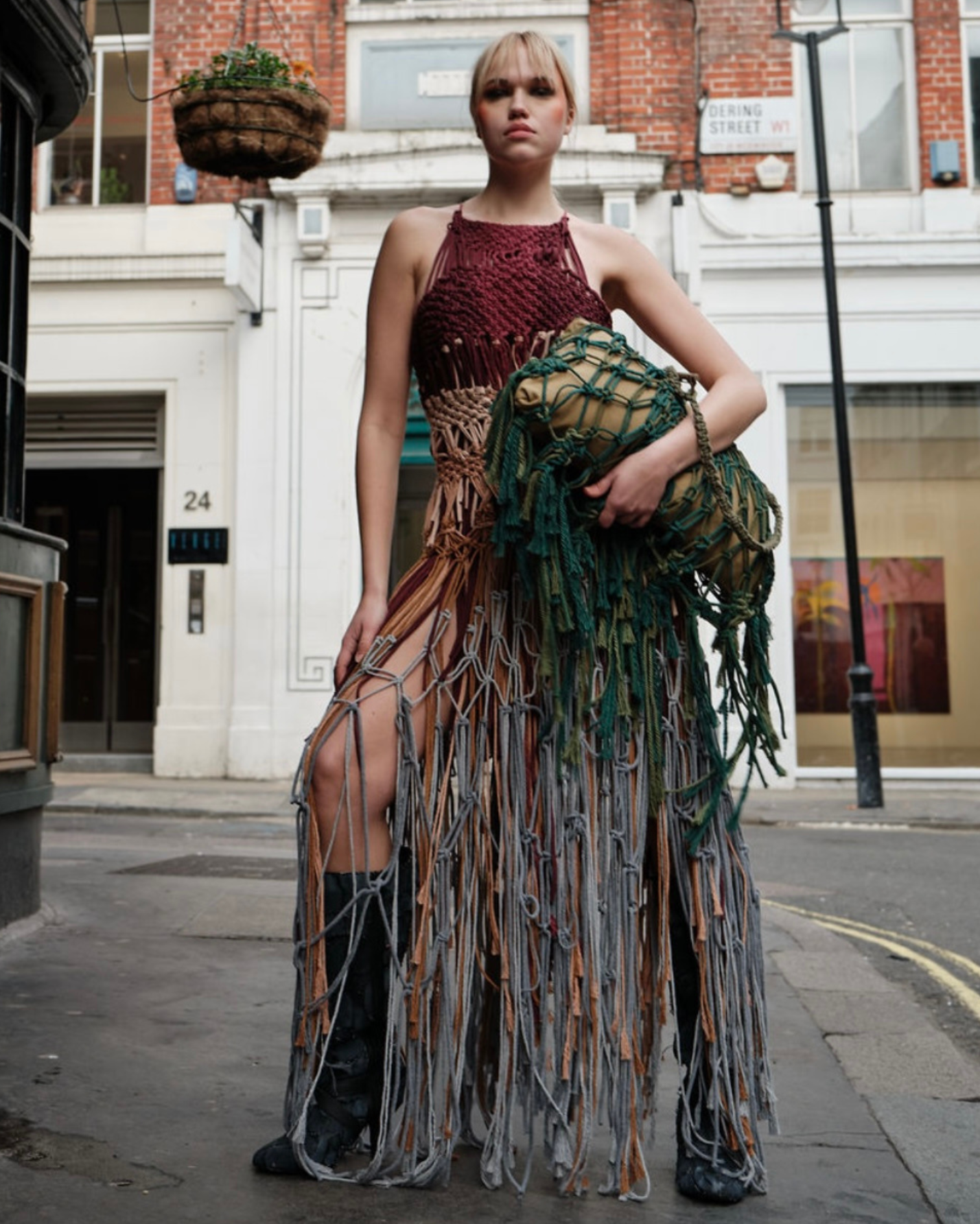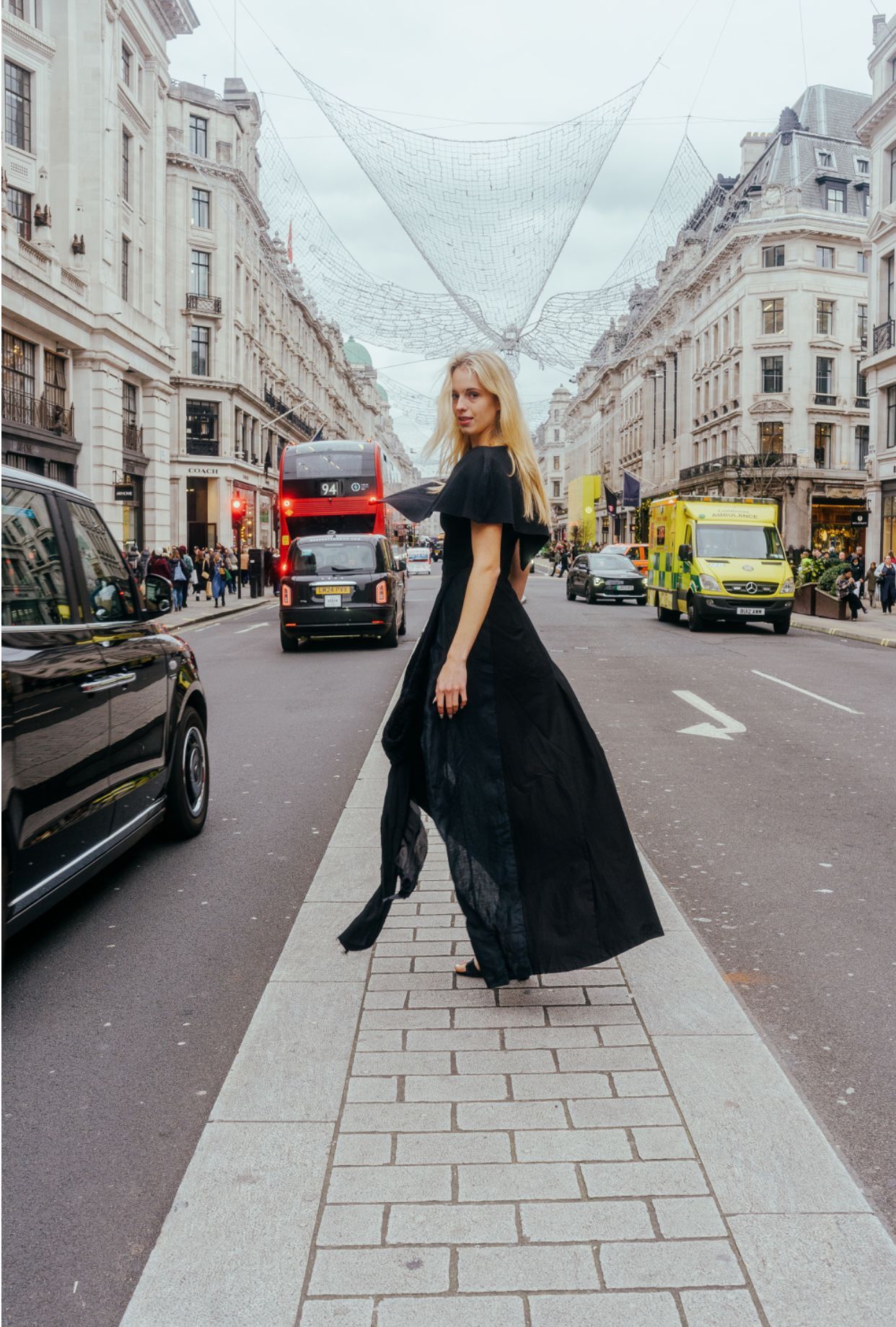
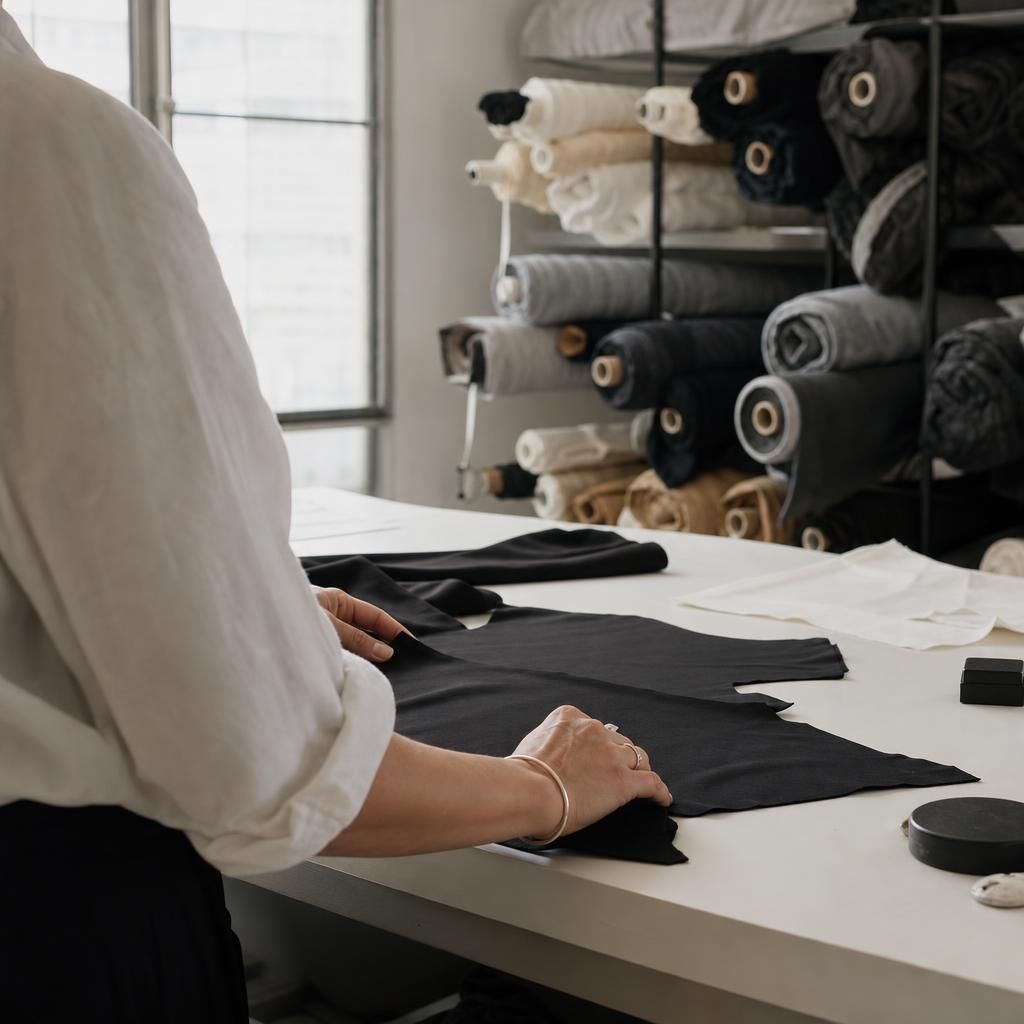
Limited-Run Clothing: Why Small-Batch Fashion Feels More Personal
Quick Answer
Limited run clothing is clothing made in small, planned quantities, often using available fabrics and a designer-led process. It can feel more personal because each release is more selective, and it can support sustainability by reducing overproduction, encouraging better material use, and making every piece feel considered.
Limited run clothing sits at the point where sustainability and style meet. It is clothing made in smaller, intentional quantities, so the design feels more considered and the product feels more human. That matters for shoppers who want pieces with identity, not just inventory. It also matters for brands that work with deadstock fabrics, local production, and sharper design decisions. In other words, limited run clothing is not only about scarcity. It is about making fashion feel deliberate, expressive, and easier to value for longer. For Olivia Black, that means garments designed for fluid wardrobes, inclusive fit, and statement dressing. If you want to see how that thinking appears across the brand, the Olivia Black about page gives useful context. Limited run clothing also changes how people shop. Instead of chasing constant restocks, customers pay attention to fabric, cut, and silhouette. As a result, the garment often feels more personal from the moment it is released.
What Is Limited-Run Clothing?
Limited run clothing is fashion produced in small batches rather than endless repeats. It usually means the brand makes a set number of pieces, then moves on to the next release. That approach creates clearer design intent and often reduces waste.
It also gives the clothing a stronger point of view. When a label commits to a smaller run, it has to decide what deserves to exist. Therefore, fabric choice, silhouette, and construction matter more. That is one reason limited run clothing often feels closer to designer fashion than mass retail.
For brands like Olivia Black, limited run clothing is part of a broader studio mindset. It supports creative decisions and makes room for garments that work across gender expression. You can see that ethos across the main collection at Olivia Black sustainable gender-fluid clothing, where the pieces are designed to feel expressive rather than generic.
Limited run clothing also changes the customer experience. Shoppers know they are choosing from a focused edit, not a warehouse-scale supply. That can make the process feel more thoughtful. It also helps create a stronger relationship between wearer and garment, because the piece feels selected instead of mass-issued.
For a clear example of how small-batch identity shapes product storytelling, the archived community discussion in The culture of ultra-limited runs shows how collectors often talk about rarity, design process, and long-term use. Meanwhile, brands such as END. (GB) show how limited releases can shape fashion interest around curation rather than volume.
In practice, limited run clothing is best understood as an approach. It prioritizes edit, intent, and material discipline over endless repetition. That is why limited run clothing feels different when you wear it. It carries a sense of decision, not just production.
How does limited-run production differ from mass fashion?
Limited-run production starts with a smaller target, so the brand can design more precisely. Mass fashion usually aims for scale first. Limited run clothing, by contrast, often begins with fabric availability, fit goals, and the story behind the piece.
That difference affects the final result. Small batches allow closer quality control, more focused styling, and more distinctive garments. As a result, limited run clothing often feels less interchangeable.
Why Limited Run Clothing Matters in Sustainable Fashion
Limited run clothing matters because it encourages restraint. When brands make less, they are less likely to overproduce, discount heavily, or send too much stock into the system. That makes the design process more disciplined from the start.
It is also useful when a brand works with deadstock or irregular fabric supply. If the material is finite, the product has to be finite too. That is where limited run clothing becomes a practical sustainability decision, not just a marketing phrase. Olivia Black uses this logic across pieces such as the Weaver Jeans and the Weaver Denim Jacket, where the fabric story supports the product story.
This matters because sustainable fashion is not only about eco-language. It is about making garments with a realistic relationship to material supply, wear life, and demand. Limited run clothing supports that relationship well. It encourages slower decision-making, and it often results in better buying choices.
The idea also fits the wider conversation around fabric recovery. Brands that build from existing materials, such as those explored in Olivia Black’s deadstock fabric clothing guide, are making a meaningful low-waste choice before a garment is even cut. That is a key reason limited run clothing has become important in responsible fashion.
For broader industry context, LIMITED. | British Streetwear Clothing and similar labels show how scarcity can be used as a selling point. The difference is that a truly sustainable limited run clothing approach should explain why the run is small. If the answer is fabric availability, local production, or careful design, the model has more integrity.
That is why limited run clothing can be both ethical and desirable. It reduces unnecessary excess while giving customers something rarer and more considered to own.
How does limited-run clothing support lower waste?
It supports lower waste by reducing the chance of unsold inventory. Smaller production runs also make it easier to match output with real demand.
In addition, limited run clothing can use fabrics that already exist, which avoids chasing new material for every design. That makes the garment more grounded in available resources.
How Small-Batch Production Reduces Waste
Small-batch production reduces waste by narrowing the gap between what is made and what people actually buy. That gap is where a lot of fashion waste begins. Limited run clothing helps close it.
This is especially relevant when a studio works with deadstock materials. Deadstock is finite, so the design has to respect what is available. That naturally leads to limited run clothing, because the supply is already capped. It also encourages smarter pattern cutting and more deliberate planning.
At Olivia Black, this approach can be seen in pieces designed for long wear and strong identity, such as the Maglen Dress and the Feather Trouser. These garments work because they are not trying to be everything to everyone. They have a clear line, a clear use, and a clear visual purpose.
Small-batch production also changes the emotional lifecycle of a garment. When a piece feels scarce and carefully made, people tend to think more before buying and care more after buying. Consequently, the item is more likely to be worn, repaired, and kept.
For a designer-led look at how collectible apparel is presented, the video review of limited-run apparel as archive-worthy design can be a useful reference, though the exact URL may vary by platform.
In practical terms, limited run clothing is not a cure-all. It does not automatically make fashion sustainable. However, it does create better conditions for responsible production. When paired with deadstock sourcing, local making, and durable construction, limited run clothing becomes a serious waste-reduction strategy rather than a trend word.
That is why the phrase matters. Limited run clothing describes a production model, but it also signals values. It suggests the brand is thinking about output, material life, and how much product the world really needs.
Why does scarcity alone not equal sustainability?
Scarcity can create hype without changing production habits. A brand can still overcharge, overmarket, or waste materials even if a drop is small.
Sustainability comes from the choices behind the drop. Limited run clothing only earns the label when it is backed by thoughtful sourcing, responsible making, and garments intended to last.
Why Limited Run Clothing Feels More Individual
Limited run clothing feels more individual because it creates a closer link between designer intent and wearer identity. When a piece is not everywhere, it can feel more like a personal discovery.
That sense of individuality matters in fashion now. Many shoppers want clothing that says something specific about them. They also want garments that do not flatten expression into a standard template. Limited run clothing gives space for that.
It is particularly relevant for gender-fluid and inclusive wardrobes. A small-batch piece can focus on silhouette, drape, and proportion without forcing a garment into fixed categories. That is why Olivia Black’s approach to limited run clothing aligns so well with expressive dressing. The brand’s gender fluid fashion guide explains how clothing can move beyond fixed rules while still feeling polished.
Individuality is not just about being rare. It is about feeling seen. A limited run clothing piece can do that because it often has more character in the cut, fabric, or finish. It may also suit styling across different occasions. For example, a statement dress can work for an event, then be styled down later for everyday wear.
That versatility is why rental and limited purchase can work together. If you want a more occasional piece, designer clothing rental from Olivia Black offers another route to wearing a distinctive garment without permanent ownership.
Older social-first fashion coverage has often treated limited drops as pure hype. A useful snapshot of that mindset appears in LTD RUN on Instagram, where scarcity and styling are used to build instant attention. However, the stronger version of limited run clothing is not just about attention. It is about creating garments that feel personal, wearable, and memorable.
That is the real appeal. Limited run clothing gives customers something that feels chosen, not mass-assigned.
What makes limited-run pieces feel more designer-led?
They usually show more design discipline. A smaller release gives the designer space to refine shape, detail, and material use.
As a result, limited run clothing often feels less generic and more authored. The garment carries a clearer point of view.
Olivia Black’s Approach to Limited-Run Clothing
Olivia Black treats limited run clothing as both a studio choice and a style philosophy. The goal is not simply to make fewer garments. The goal is to make garments with more intention, more flexibility, and more presence.
That is why the brand’s limited run clothing works so well within sustainable gender-fluid fashion. The pieces are designed to move across bodies, moods, and settings. They are also built with fabric responsibility in mind. If you want to understand the broader design thinking, the Sustainable Fashion London page is a useful place to start.
Olivia Black’s limited run clothing often connects to deadstock sourcing, local production, and silhouette-led design. That combination matters. It means the garments are not built around excess. They are built around the character of the material and the expression of the wearer.
For example, the Maglen Dress and Weaver Jeans show how limited run clothing can still feel versatile, wearable, and distinctive. The point is not to limit creativity. The point is to focus it.
You can also see that mindset in the brand’s rental and occasionwear model. The designer fashion rentals page shows how a statement piece can serve a specific moment and still avoid unnecessary overbuying.
Limited run clothing works here because it creates a stronger relationship between garment and context. A piece can be special without being inaccessible. It can be exclusive without being wasteful. That balance is where Olivia Black’s approach feels modern.
For a wider view of the brand’s inclusive design language, the page on gender fluid clothing also fits this conversation well. Limited run clothing is not separate from that identity. It supports it.
What should you look for in limited-run designer clothing?
Look for a clear reason the run is small. Good signs include deadstock fabric, local making, thoughtful fit, and a consistent design story.
Also look for garments that are built to last. Limited run clothing should feel considered in both construction and styling, not only in quantity.
How to Care for Limited-Run Designer Clothing
Limited run clothing deserves careful care because it is usually harder to replace. Good care extends the life of the garment and protects the value of the design.
Start with the label, then act gently. Wash less often when you can. Air garments out between wears. Use cool water where appropriate, and avoid harsh heat unless the care instructions allow it. These habits help preserve shape, colour, and fabric texture.
It also helps to store limited run clothing properly. Hang structured pieces on the right hanger. Fold heavy knits so they do not stretch. Keep denim, dresses, and tailored pieces away from direct sunlight for long periods.
For denim-based pieces, Olivia Black’s sustainable denim jacket guide offers useful buying and care context. Denim lasts better when it is worn thoughtfully and washed only when necessary. That same principle supports limited run clothing across the wardrobe.
If the piece is made for special occasions, consider rotating it rather than saving it forever. Clothing lasts longer when it enters regular life. That is especially true for limited run clothing, because wear is part of its purpose.
If you own a rental-based piece or one intended for event use, return or store it promptly after wear. That keeps the garment in better condition and reduces stress on seams, trims, and fabric structure.
In short, limited run clothing is at its best when treated like a designed object, not a disposable purchase. Care preserves both function and meaning.
For another angle on how statement pieces can be worn responsibly, the review format in RJ Matthews’ limited-run clothing brand review is a useful reference point for the early social-era logic behind drop-based fashion.
Does limited-run clothing need special storage?
Often, yes. It should be stored in a way that protects shape and fabric quality.
Use garment bags for delicate pieces, and avoid cramming items into tight space. Limited run clothing lasts longer when it can rest properly between wears.
Key Takeaways
- Limited run clothing means small-batch production with a clear design purpose.
- It can support sustainability when it reduces overproduction and uses available fabrics.
- Limited run clothing often feels more personal because it is more selective and less generic.
- Designer-led limited runs can strengthen value by combining craft, story, and exclusivity.
- Good care matters more with limited-run garments because replacement is usually harder.
Frequently Asked Questions
Is The Limited a good brand?
It depends on what you want from the brand. If you are asking about style and accessibility, many shoppers find it appealing for trend-led pieces. However, if you want the deeper meaning of limited run clothing, you should also look at how a brand sources fabric, makes garments, and explains its production choices.
Does Limited still exist?
The name appears in several different fashion and retail contexts, so the answer depends on which brand you mean. In general, limited run clothing is not about one company name. It is a broader production model used by many independent labels and designer studios.
Which brand is Limited Collection?
Limited Collection can refer to different retailers or product lines, so you need to check the specific store or brand context. More importantly, limited run clothing is not defined by the name alone. It is defined by small-batch output, focused design, and a clear reason for producing fewer pieces.
What brand is Gen Z wearing?
There is no single brand that defines Gen Z style. Gen Z often mixes independent labels, vintage, rental, and expressive designer pieces, especially when they want clothing that feels personal. Limited run clothing fits that preference well because it offers originality, stronger design identity, and less mass-market sameness.
Is limited run clothing actually sustainable?
It can be, but only when the production choices support sustainability. Limited run clothing works best when it reduces overproduction, uses available or lower-impact materials, and is made to last. Scarcity on its own is not enough. The process behind the garment matters more than the label.