How to Dress Genderfluid: A Practical Style Guide for Shape, Mood and Expression
Quick Answer
How to dress genderfluid is about choosing clothes that match your mood, body, comfort and setting, not following a fixed rulebook. Focus on silhouette, texture, layering and proportion, then build looks that can shift between soft, structured, fitted or oversized as your expression changes.
How to dress genderfluid starts with a simple idea: your clothes should support your expression, not confine it. That means you can dress softly one day, sharply the next, and somewhere in between whenever you want. There is no single “right” formula, because genderfluid style is personal, changing and often layered with mood, comfort, body confidence and occasion. The most useful approach is to think in terms of silhouette, proportion, fabric feel and how a garment moves on you. If you want a starting point, explore the brand’s gender fluid clothing edit for pieces designed to flex across different presentations. In this guide, you’ll find practical ways to build outfits without rules, plus real outfit ideas that work with denim, dresses, shirts, tailoring and rentals. You’ll also see how to make how to dress genderfluid feel less like a question you have to answer perfectly, and more like a style language you can keep refining.
How to Dress Genderfluid Without Following Fixed Rules
How to dress genderfluid does not mean copying one look or dressing to prove a point. It means using clothing as a flexible tool for expression, comfort and self-recognition. The best wardrobe is one that lets you shift, mix and experiment without apology.
A helpful mindset is to treat style as a range, not a rulebook. Some days you may want softness. Other days you may want structure. Many people move between those points throughout the week. That is normal, and it is part of what makes how to dress genderfluid so personal.
If you want a broader brand perspective, gender fluid fashion is about moving beyond fixed categories while still choosing clothes with intention. You can also read Olivia Black’s sustainable clothing approach to see how expressive design and considered materials work together.
A practical starting framework is:
- Choose clothes that feel emotionally right today.
- Let shape matter more than labels.
- Use layers to change the energy of an outfit.
- Keep one or two reliable pieces for grounding.
- Test looks in different settings, not just in the mirror.
Many people also find it useful to look at secondhand styling ideas. For example, Sebastian Pereira’s non-binary thrift haul shows how pre-loved pieces can be remixed into expressive outfits. The
slot belongs well here because thrifted clothing often makes how to dress genderfluid feel more accessible and less prescriptive.
If you like practical, everyday clarity, the external guide on fluid fashion for gender non-conforming folks offers a similar message: there are many valid ways to dress, and experimentation is part of the process.
The most important point is this: how to dress genderfluid is not about hiding your body or correcting yourself. It is about choosing what supports your expression today.
What do genderfluid people wear?
What do genderfluid people wear? They wear whatever helps them feel aligned, comfortable and seen. That might mean jeans and a shirt one day, a dress and boots the next, or the same base outfit styled differently with accessories and layers.
There is no universal uniform. However, many genderfluid wardrobes include pieces that can move between presentations easily. Think straight-leg denim, tailored trousers, fluid shirts, jackets with shape, and dresses that can be styled in multiple ways. The value is in versatility, not in fitting a category.
This is why how to dress genderfluid is better treated as a styling process than a fixed identity test. You are allowed to change your mind, and your clothes can change with you.
Start with How You Want to Feel When You Dress Genderfluid
How to dress genderfluid becomes easier when you begin with feeling rather than with labels. Clothes can signal softness, confidence, sharpness, playfulness, romance or ease. Starting there helps you make better decisions fast.
Ask yourself what you want your outfit to do today. Do you want to feel more open, more contained, more elegant, more relaxed or more experimental? Once you know the mood, the clothing choice becomes clearer.
This approach also reduces the pressure to match a fixed idea of masculinity or femininity. Instead, you choose from a wider emotional palette. For example, a soft drape can feel calming. A boxy jacket can feel protective. A narrow trouser leg can feel clean and tailored. A wide silhouette can feel relaxed and expressive.
If you are building a wardrobe with this kind of flexibility in mind, Olivia Black’s unisex sustainable clothing collection is useful because it focuses on pieces that can be styled in different directions. For occasion dressing, gender fluid formal wear can also help you translate mood into event-ready outfits.
Iris Olympia’s practical styling video is a helpful companion here. It shows approachable ways to lean into a more androgynous look without overcomplicating the process. The
slot fits naturally in this section because mood-led dressing often starts with visual examples.
A simple way to choose is to think in opposites:
- Soft or sharp
- Loose or tailored
- Quiet or statement
- Minimal or layered
- Romantic or architectural
How to dress genderfluid is often about pairing two of those energies in one outfit. That contrast creates depth and makes a look feel intentional rather than costume-like.
What do I do if I'm genderfluid?
What do I do if I'm genderfluid? Start by giving yourself permission to explore without rushing toward a final answer. You do not need to master a look before you deserve to wear it.
A good first step is to notice which outfits make you feel most at ease, most affirmed or most “you.” Then repeat those elements. Over time, you will build a pattern of what works across moods, settings and seasons.
Support can also matter. Many people find it helpful to read community-focused guidance, such as the article on practical tips for genderfluid individuals. External reassurance can make the process feel less isolated.
Most of all, remember that how to dress genderfluid is allowed to be gradual. You can start with one piece, one silhouette or one day at a time.
How to Dress Genderfluid by Building Outfits Around Silhouette
How to dress genderfluid often becomes clearer when you focus on silhouette first. Shape changes the whole mood of an outfit before colour or branding does.
Silhouette is about the outline your clothes create. It helps you decide whether you want definition, drape, width or compression. That makes it one of the most useful tools for genderfluid styling.
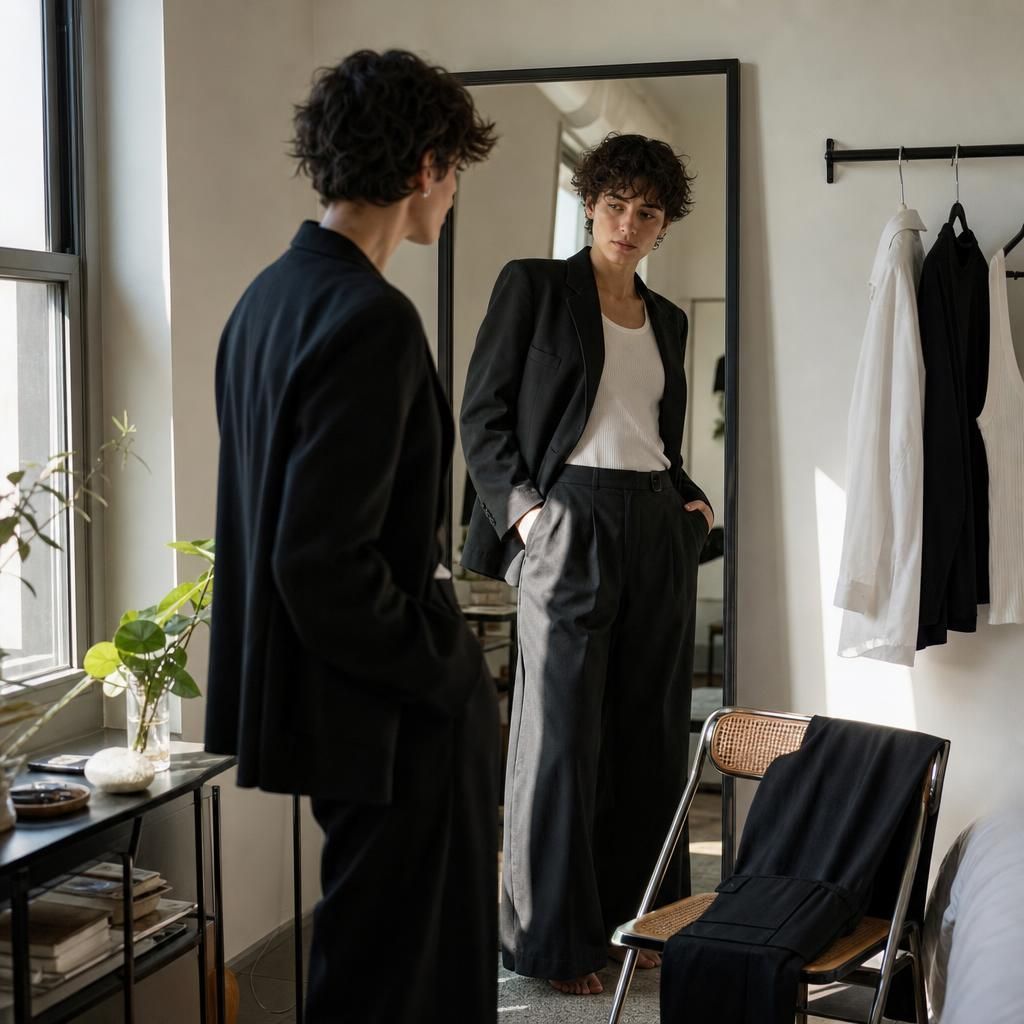
A wide-leg trouser can feel relaxed and fluid. A fitted top can create contrast. A boxy jacket can add presence. A dress with movement can feel soft or bold depending on what you pair it with. Because silhouette is visual and tactile, it works across many style preferences.
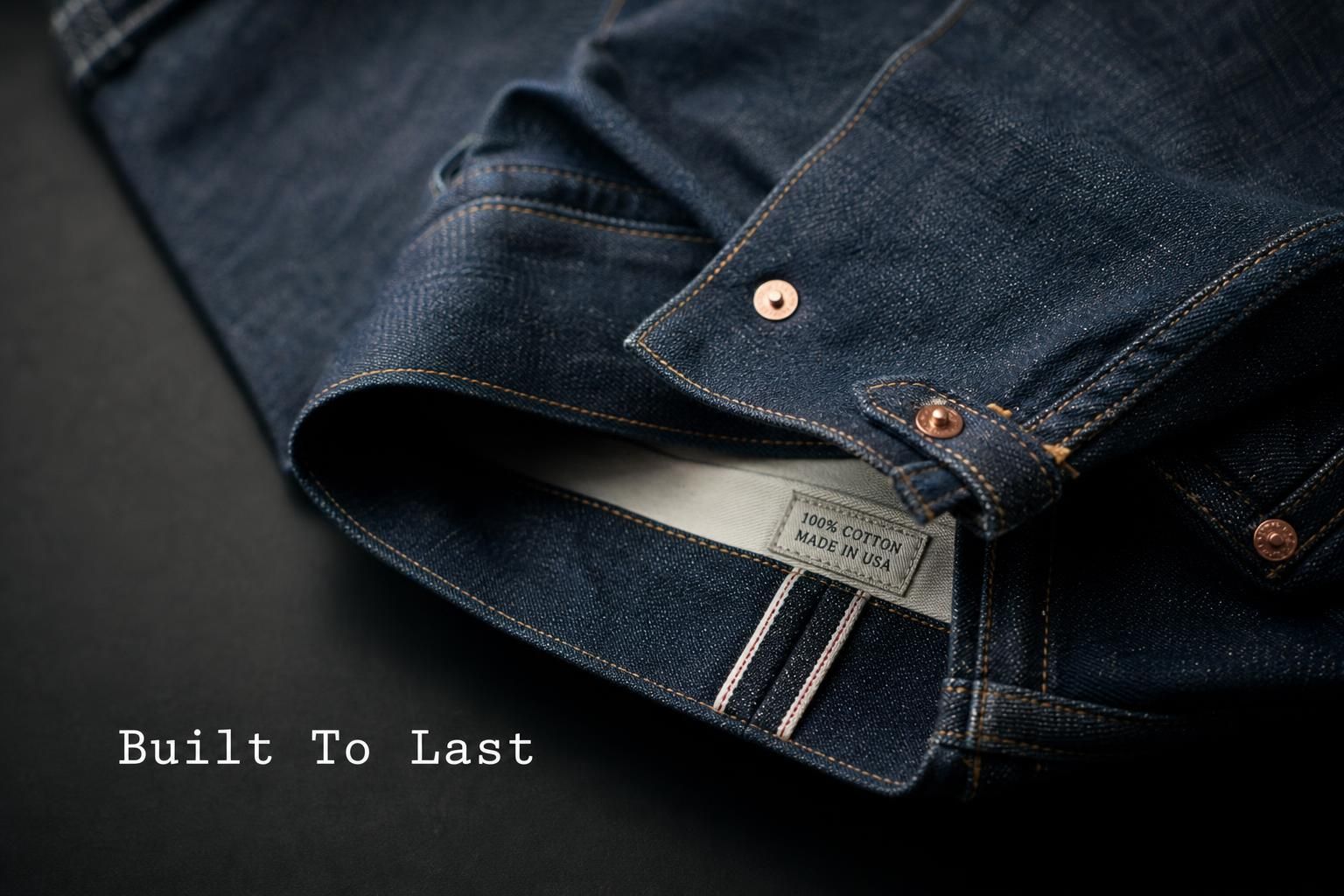
If you want examples, Olivia Black’s Weaver Jeans and Weaver Denim Jacket show how denim can be structured without feeling rigid. Likewise, Feather Trouser gives a longer line that can be styled up or down.
The key is to test balance. If one item is oversized, the rest can stay cleaner. If one piece is fitted, you can offset it with volume elsewhere. This balance is especially helpful when learning how to dress genderfluid for work, evenings or social events.
A quick silhouette checklist:
- Structured pieces create edge and clarity.
- Soft pieces create movement and ease.
- Oversized pieces create freedom and shape play.
- Fitted pieces create definition and focus.
When you build from silhouette, how to dress genderfluid stops being confusing. It becomes a series of choices you can repeat, adjust and enjoy.
Structured
Structured clothing gives a look clarity. It can sharpen the shoulders, lengthen the torso or create a more defined outline.
If you like clean lines, choose pieces with stable fabric, neat seams and a deliberate shape. A structured jacket over a soft top is an easy way to balance contrast. That mix can feel polished without becoming severe.
Structure works well when you want presence. It is useful for meetings, events and moments when you want your outfit to hold its own.
Soft
Soft clothing moves with the body. It drapes, skims or pools rather than holding a hard outline.
This is ideal if you want ease or fluidity. Soft does not mean passive, though. A flowing shirt or dress can feel powerful because it creates motion. When learning how to dress genderfluid, softness can be one of the most freeing starting points.
Pair soft shapes with grounded shoes or a crisp layer if you want contrast.
Oversized
Oversized clothing creates room. It can feel playful, protective or intentionally undone.
The trick is proportion. If everything is oversized, the look can lose definition. Instead, try one roomy piece at a time. A larger shirt with slimmer trousers, or wide trousers with a neater top, usually reads more clearly.
Oversized styling is especially useful if you want your outfit to feel less gendered without disappearing into it.
Fitted
Fitted clothing defines shape. It can feel sleek, sensual, neat or assertive, depending on how you style it.
Fitted does not have to mean restrictive. The best fitted pieces allow movement and sit comfortably on the body. Use them as contrast pieces when you want sharpness inside a softer outfit. That balance makes how to dress genderfluid feel more dimensional and less one-note.
Genderfluid Outfit Ideas for Everyday, Events and Layering
How to dress genderfluid becomes much easier when you work from outfit formulas. Real examples help you move from theory to practice.
Think in terms of repeatable combinations rather than one-off statements. That makes the wardrobe more usable and less stressful.
For denim-led dressing, try Weaver Jeans with a tucked shirt and the Weaver Denim Jacket. The result is clean, adaptable and easy to shift with shoes or accessories. For a more expressive line, Feather Trouser works well with a fitted knit or an oversized shirt.
For dress styling, the Maglen Dress can be worn with boots and a jacket for edge, or with a softer layer for a more open, romantic feel. If you want occasion dressing that still feels fluid, the gender fluid dresses guide is a useful next step.
A few outfit ideas:
- Everyday denim: straight jeans, boxy jacket, clean tee, boots.
- Statement dress styling: fluid dress, heavy shoe, minimal jewellery.
- Formalwear and tailoring: sharp trouser, structured shirt, refined outer layer.
- Layered shirts and jackets: long shirt, cropped jacket, wide trouser.
How to dress genderfluid is often about contrast. A dress can become more androgynous with a boot. A jacket can soften with a flowing shirt underneath. Tailoring can feel less formal with a relaxed hemline.
If you want a wider browse point, Olivia Black’s gender neutral clothing styles page offers more outfit-led ideas across everyday and event settings.
The most useful habit is to keep testing combinations until you find what feels natural. That is where personal style begins.
Everyday denim
Everyday denim is one of the easiest entry points into how to dress genderfluid. Denim feels familiar, but it can still read many ways.
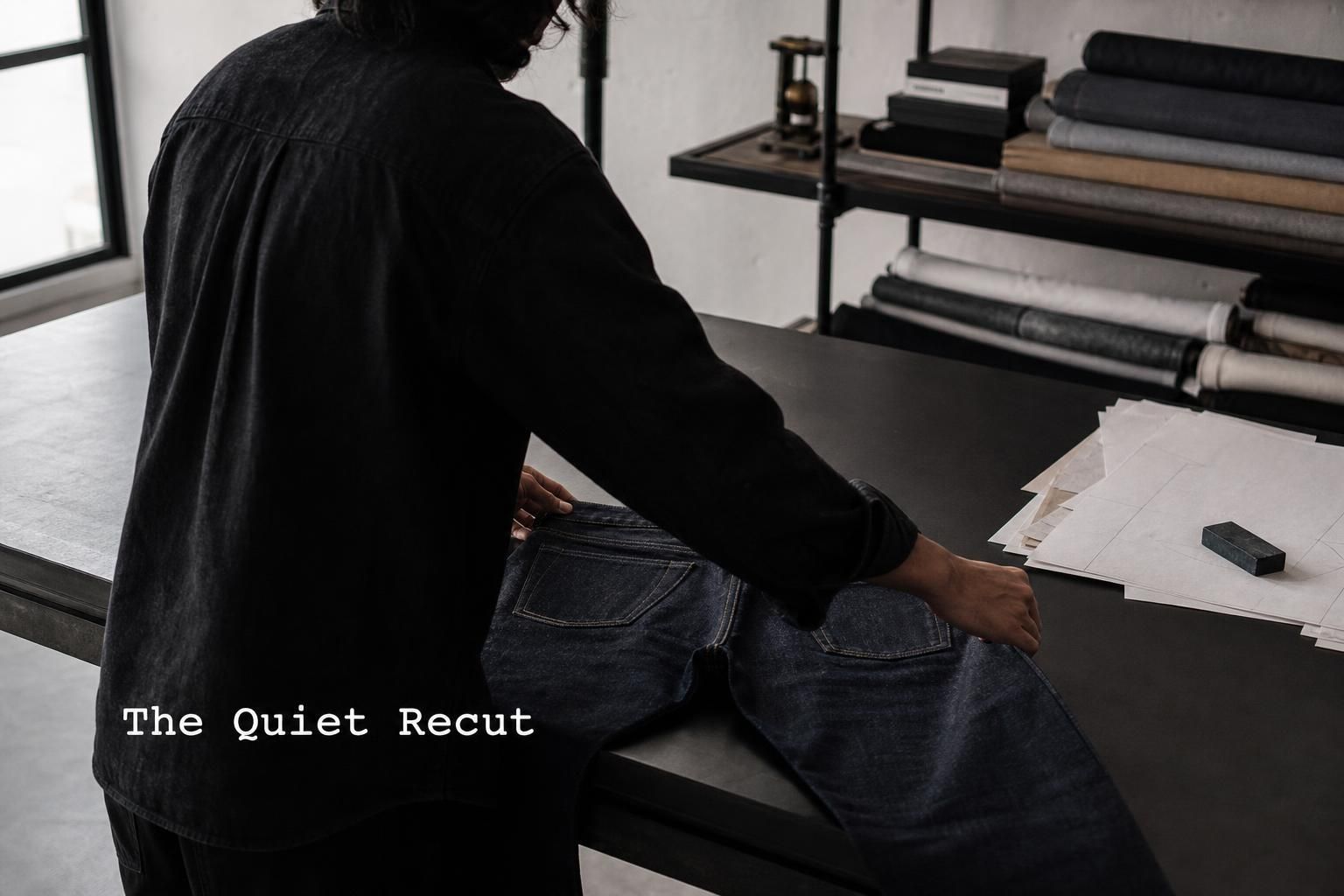
Try straight or wide denim with a shirt, knit or cropped jacket. Add a boot for weight, or a lighter shoe for softness. Because denim is so adaptable, it gives you room to experiment without feeling dressed up too quickly.
Deadstock and limited-run denim also support a more considered wardrobe. For more context, read Olivia Black’s deadstock clothing UK guide if you want to understand why limited-run fabrics matter.
Statement dress styling
Statement dress styling works well when you want one piece to carry the mood. A dress can feel gentle, bold or androgynous depending on what you add around it.
Try a heavier shoe, a structured jacket or a sharply cut layer to change the balance. That keeps the dress from reading only one way. The result is more flexible and more personal.
This is a strong approach if you want how to dress genderfluid to feel expressive rather than minimal.
Formalwear and tailoring
Formalwear and tailoring do not have to feel stiff. The best version of genderfluid formal dressing uses fit, line and texture to create confidence.
Choose pieces that frame the body without forcing it into a single gendered code. A clean trouser, a crisp shirt and a well-cut jacket can feel elegant on many bodies. The details matter more than the label.
For event dressing, keep the silhouette clear and the accessories intentional.
Layered shirts and jackets
Layering is one of the most powerful tools in how to dress genderfluid. It lets you change the energy of an outfit without changing the whole outfit.
A shirt can be tucked, untucked or worn open. A jacket can sharpen, hide, frame or balance. Because of that, layers are useful when your mood shifts during the day.
This approach also makes travel and packing easier, since one garment can create several looks.
Fit Tips for Different Bodies When You Dress Genderfluid
How to dress genderfluid should work with your body, not against it. Fit is not about hiding shape. It is about choosing the relationship between clothing and body that feels right to you.
Start by noticing where clothes pinch, pull, gape or overwhelm. Those details tell you more than a size label. Once you understand that, you can choose cuts that support the shape you want.
A few useful principles help across body types:
- Look for shoulder seams that sit comfortably.
- Use waist placement to change proportion.
- Choose fabrics with movement if you dislike stiffness.
- Choose firmer fabrics if you want more structure.
- Let hems, sleeves and rises affect the whole line.
Gender-fluid dressing can also be about creating optical balance. A longer top can soften a midsection. A cropped jacket can lengthen the leg line. A wide trouser can shift focus downward. A fitted layer can highlight shape without making the whole look feel tight.
This is where trying on similar silhouettes becomes valuable. One cut may feel too severe, while another feels perfect. That difference is often about fabric and proportion, not about your body “doing it wrong.”
If you prefer design-led guidance, Olivia Black’s gender neutral clothing page shows how inclusive design can support more bodies and more style directions.
Ultimately, how to dress genderfluid is body-positive when it respects comfort. If something looks great but feels wrong, it is not the right piece for today. If something feels right, that is reason enough to wear it.
How to Dress Genderfluid Sustainably
How to dress genderfluid sustainably means buying fewer, better pieces that can play many roles. That reduces pressure on your wardrobe and often makes styling easier too.
A sustainable wardrobe works best when each item has range. One shirt should not only work for one mood. One trouser should not only belong to one occasion. That flexibility is especially useful for genderfluid dressing because your expression may shift from day to day.
Good starting points include deadstock fabric, limited-run design and rental. Those options support experimentation without demanding a permanent commitment. If you want more background, Olivia Black’s ethical fashion UK guide explains the values behind these choices, while sustainable fashion London shows how independent design can stay expressive and responsible.
A practical sustainable checklist:
- Buy pieces you can style at least three ways.
- Prioritise materials that feel good on the body.
- Use rentals for occasions or style experiments.
- Repair, relayer and restyle before replacing.
- Choose fewer statement items with more versatility.
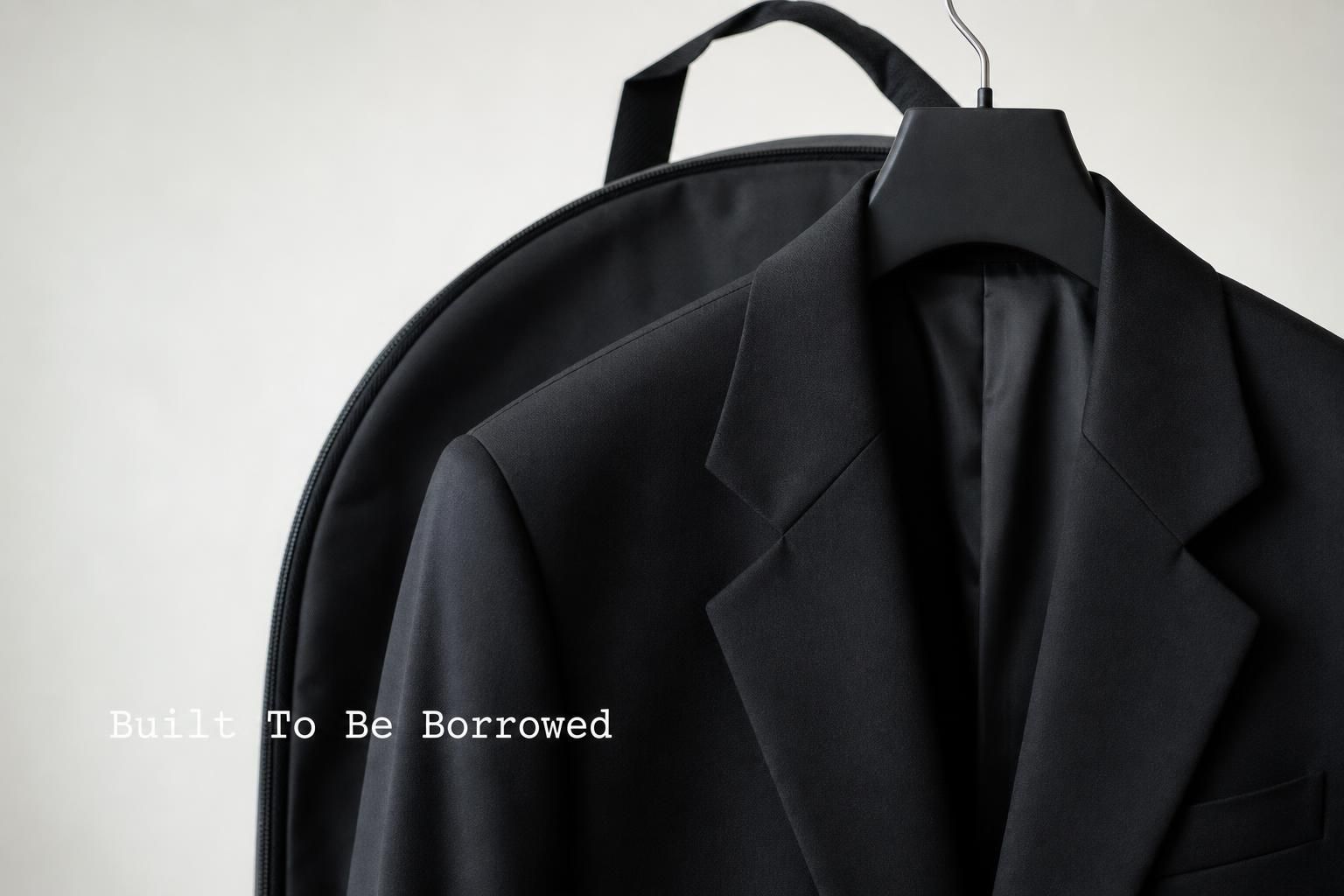
Rental can be especially helpful if you want to test a look before committing. Olivia Black’s Ava Dress and Ava Dress 7 day rental are useful examples of how a single piece can serve both exploration and occasion dressing.
Sustainable style and how to dress genderfluid belong together because both value adaptability. A wardrobe that changes with you is usually a more thoughtful one.
What is the 3 3 3 rule for clothes?
What is the 3 3 3 rule for clothes? It is a simple styling idea that encourages you to build outfits from a small set of pieces so dressing feels easier and faster.
People use the rule in different ways, but the spirit is consistent: keep choices focused and manageable. That can help if you are learning how to dress genderfluid, because fewer moving parts often make proportion and silhouette clearer.
You can adapt the idea by choosing three tops, three bottoms and three layers that all work together. Then you can mix them into many combinations without overbuying.
Genderfluid Dressing FAQs
How to dress genderfluid often raises the same practical questions, especially for people who are just beginning. The answers below keep the focus on comfort, expression and flexibility.
If you are still shaping your style, remember that there is no test to pass. You are building a vocabulary, not completing a checklist.
Key Takeaways
- How to dress genderfluid works best when you start with mood, comfort and silhouette, not fixed rules.
- Layering, proportion and texture can change how an outfit reads without changing your whole wardrobe.
- Denim, tailored trousers, fluid dresses and structured jackets are especially versatile for genderfluid styling.
- Sustainable choices like deadstock, limited-run design and rental make experimentation easier and more intentional.
- There is no single genderfluid uniform; the best outfit is the one that feels right for today.
Frequently Asked Questions
What do genderfluid people wear?
Genderfluid people wear whatever matches their expression, comfort and context. That can include dresses, jeans, shirts, tailoring, skirts, soft layers or oversized pieces. The important part is that the clothing feels right for the moment, because how to dress genderfluid is about flexibility rather than rules.
What do I do if I'm genderfluid?
Start by exploring what feels affirming, comfortable and natural. Try different silhouettes, note what you return to, and let your wardrobe evolve with your identity. If you need support, community resources and gender-affirming spaces can help while you figure out how to dress genderfluid in a way that feels true.
What do femboys usually wear?
Femboy style often leans toward feminine or playful elements, but there is no single outfit formula. Common choices include shorter hems, fitted tops, skirts, tights, jewellery or cute accessories, although many people mix those with masculine or neutral pieces. That overlaps with how to dress genderfluid, but the identities are not the same.
Can genderfluid style be formal?
Yes, absolutely. Genderfluid style can be very formal when the silhouette, fabric and finish are chosen with intention. Tailored trousers, crisp shirts, structured jackets and fluid dresses can all work for events, depending on how you want to present and how you want the outfit to move.