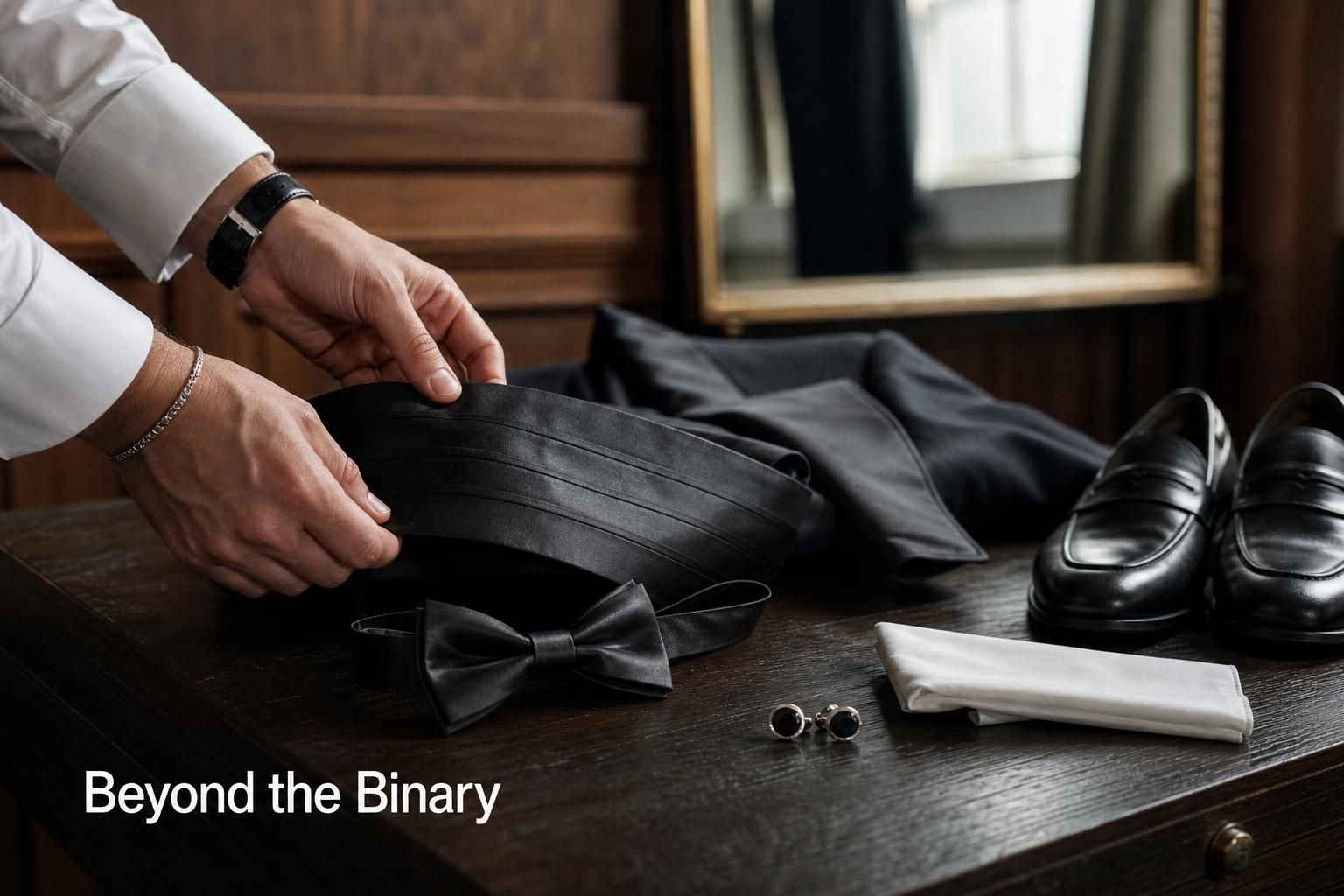
Gender Fluid Fashion Brands: What to Look for Before You Buy
Quick Answer
Gender fluid fashion brands are labels that design for movement, expression, and fit beyond strict menswear and womenswear rules. The best ones combine flexible sizing, thoughtful styling, inclusive imagery, and responsible production, so shoppers can choose clothes that feel personal, wearable, and aligned with their values.
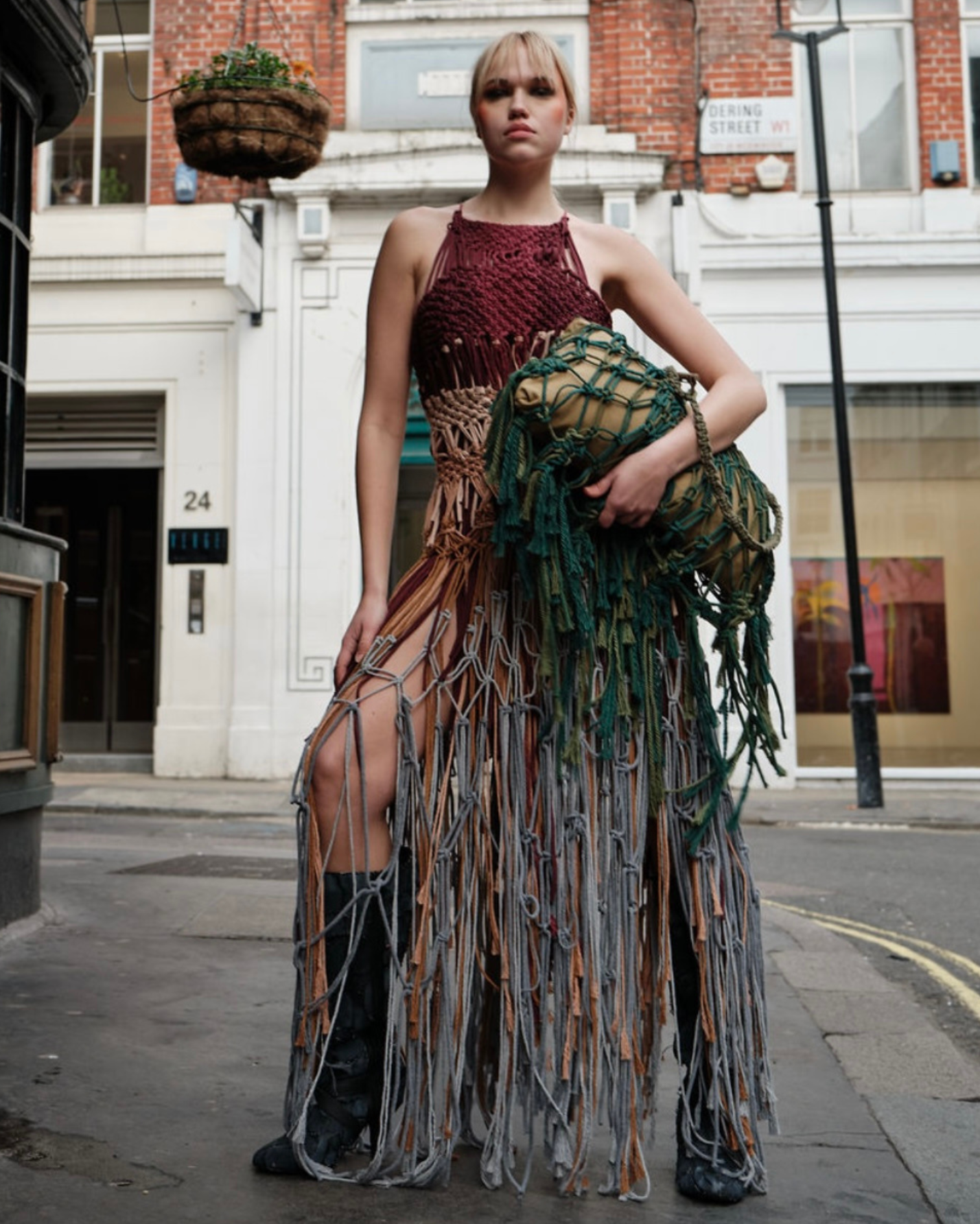
Gender fluid fashion brands are not just about skipping labels. They are about designing clothes that let you move between moods, shapes, and identities without compromise. That means better fit, clearer size guidance, and garments that work across different ways of dressing. For many shoppers, the real question is not which brand is loudest online, but which one actually respects the body and the wardrobe it is dressing. If you want a practical starting point, explore gender fluid clothing by Olivia Black, where limited-run pieces are made for expressive wear and considered construction. In this guide, we will look at how to evaluate gender fluid fashion brands before you buy, what signals matter most, and how a UK label like Olivia Black fits into that conversation without resorting to trend-chasing or tokenism.
What Makes Gender Fluid Fashion Brands Truly Gender Fluid?
Gender fluid fashion brands are truly gender fluid when they design for expression first and binary categories second. In practice, that means the clothes are built to be worn by different bodies, styled in multiple ways, and sized with real fit logic rather than stereotypes.
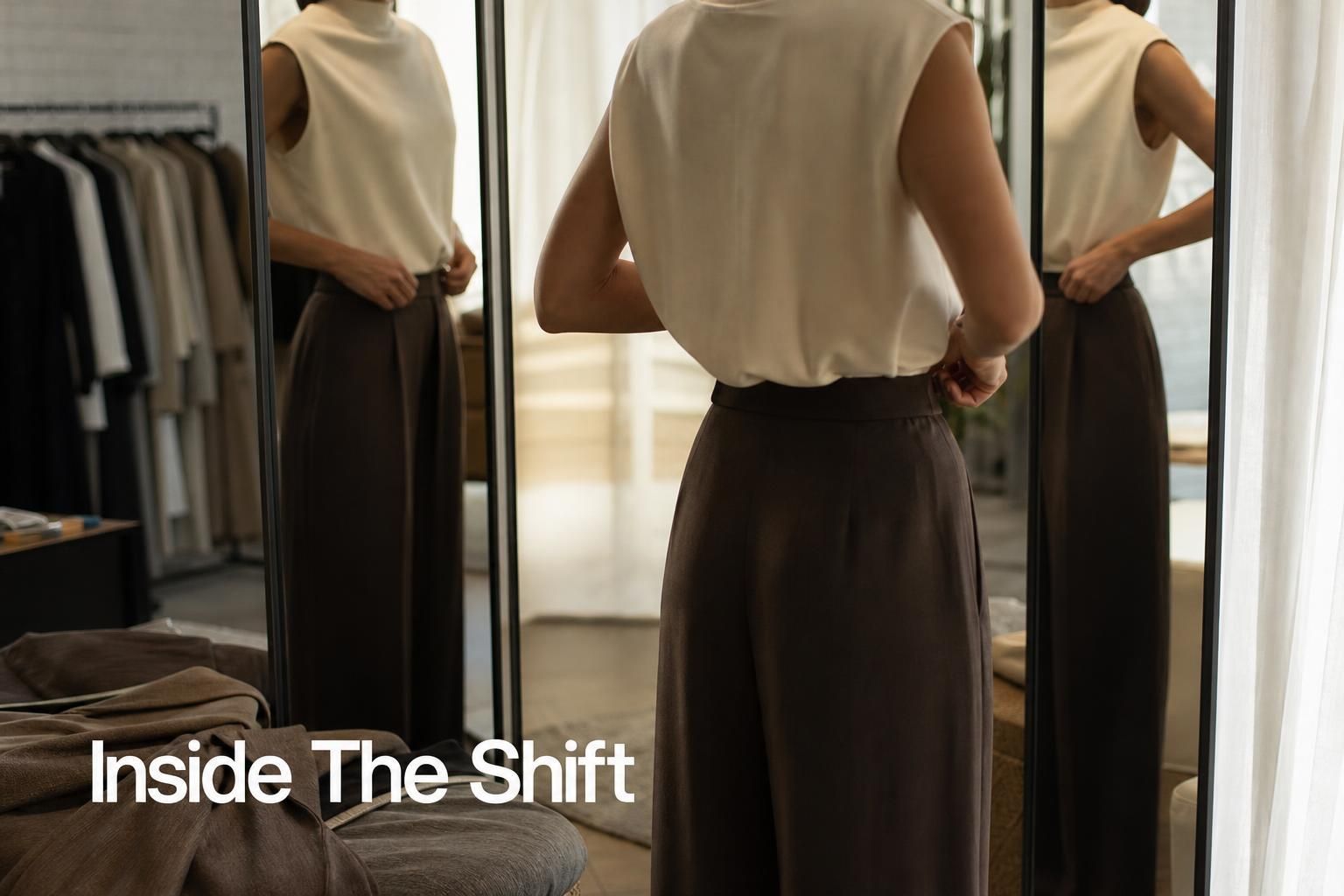
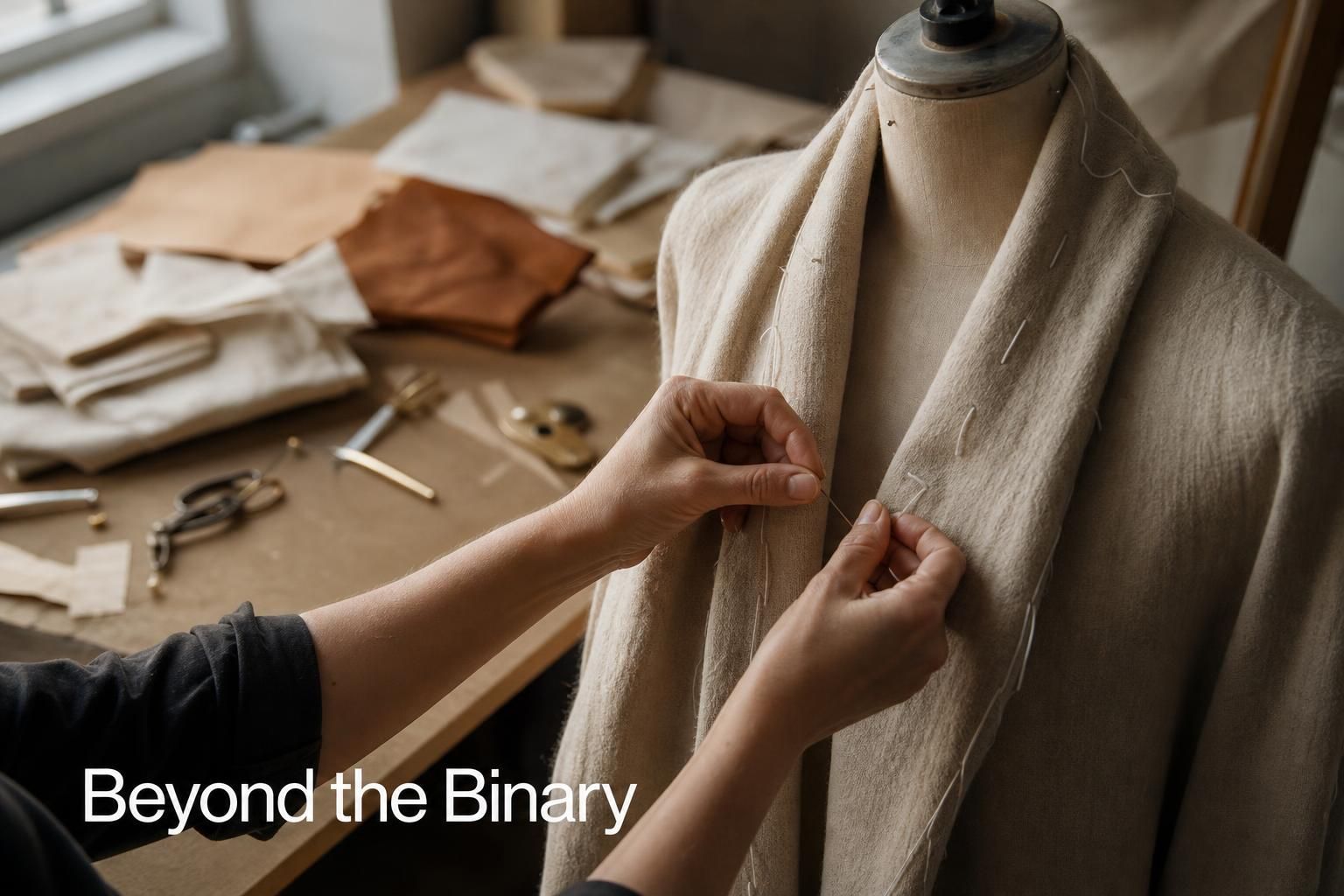
A brand can call itself inclusive, but the product still tells the truth. Look for garments that offer adaptable silhouettes, thoughtful proportions, and styling freedom. A boxy jacket, a straight-leg trouser, or a dress with a clean shape can all support fluid dressing when the cut is intentional. For a clear brand-level explanation, Olivia Black’s gender fluid fashion guide explains how dressing without rules can still feel refined and modern.
This matters because many gender fluid fashion brands talk about identity, but fewer solve the practical problems. Those problems include shoulder width, hip room, sleeve length, and where a garment sits on the body. If a brand only swaps model styling while keeping rigid cuts, the customer still has to do the work.
A useful way to judge gender fluid fashion brands is to ask four questions:
- Does the design work across different bodies?
- Does the brand explain fit in detail?
- Can the piece be styled in more than one way?
- Does the brand use materials and methods that match its values?
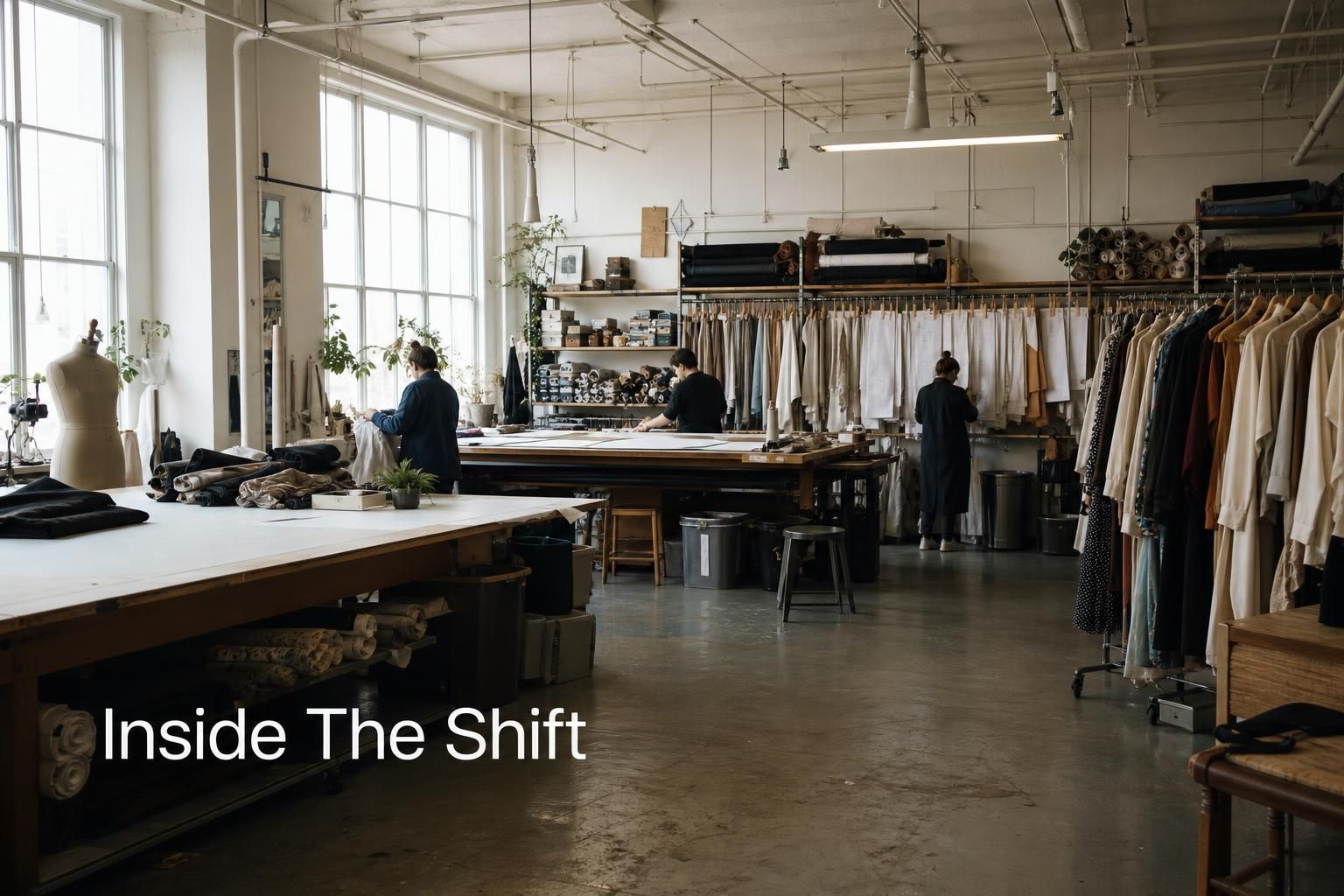
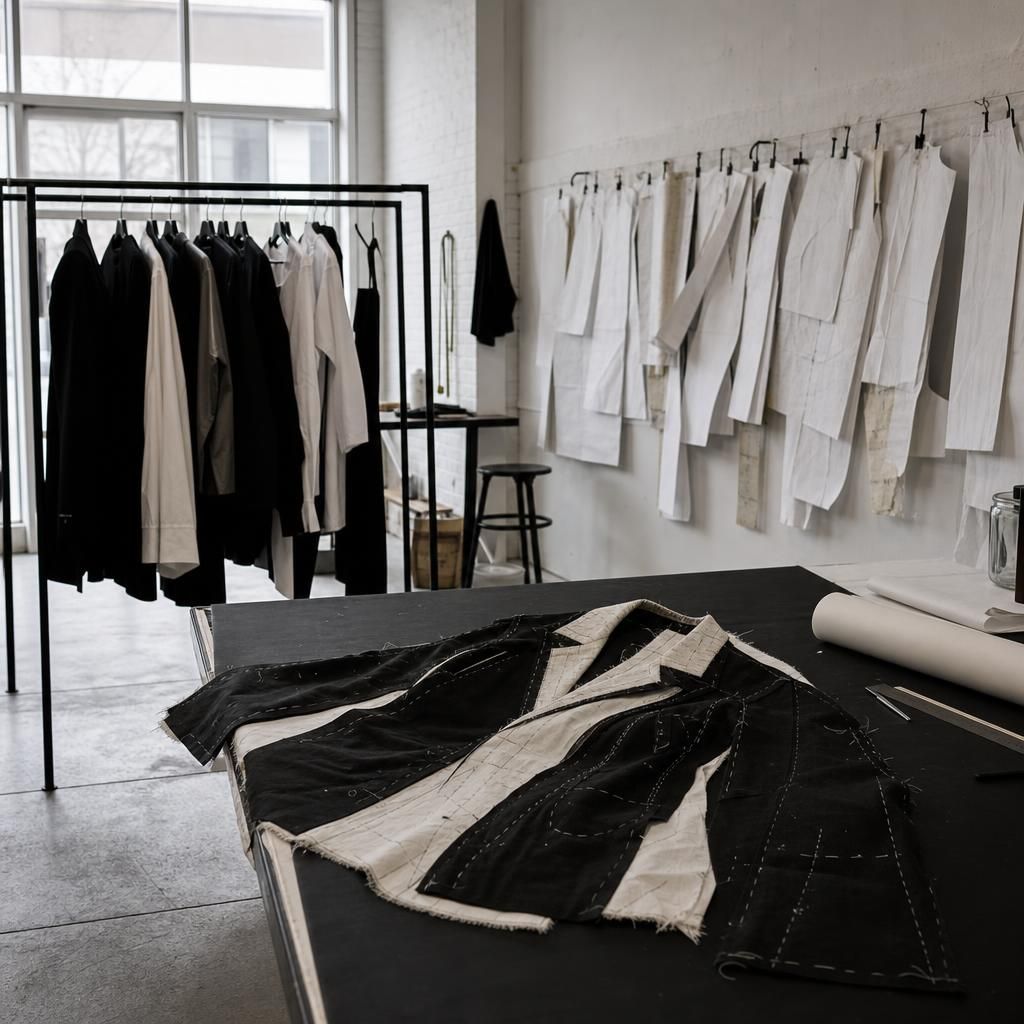
That last point matters more than many shoppers expect. Some of the strongest gender fluid fashion brands also treat waste reduction as part of their design language. Olivia Black’s about page shows how a small studio can connect craft, limited-run production, and inclusive design in one point of view.
For context on how the wider market frames this category, it can also help to review editorial roundups such as Country & Town House’s overview of gender neutral fashion brands and Fashion Index’s discussion of the rise of gender-neutral fashion. Use them as market context, not as the final word.
The best gender fluid fashion brands do one simple thing well: they give people room to be themselves without making them choose between style and comfort.
Signs a Brand Is Designing Beyond Binary Categories in Gender Fluid Fashion Brands
The clearest signs are fit detail, flexible styling, inclusive imagery, and transparent production. When those four things appear together, gender fluid fashion brands usually offer a more useful shopping experience.
Do not rely on a slogan alone. Instead, inspect how the brand presents its clothes, how it describes measurements, and how it shows the garment on different bodies. That is where the real difference appears.
Fit Information
Good fit information is one of the strongest signals that gender fluid fashion brands understand their customers. It should explain shape, drape, length, and how the piece behaves on the body.
Look for notes about waist rise, shoulder construction, sleeve shape, and whether a garment is relaxed or close to the body. If the brand only lists generic sizes, that is a warning sign. Clear fit guidance helps shoppers avoid guesswork, especially when buying online.
A brand like Olivia Black makes this easier because pieces such as the Weaver Jeans and Feather Trouser are presented as design-led garments, not just gendered categories. That framing helps shoppers think about shape and styling, which is exactly what gender fluid fashion brands should do.
Styling Flexibility
Styling flexibility is another major clue. The best gender fluid fashion brands design clothes that can shift between casual, tailored, soft, sharp, or occasion-ready without looking forced.
That matters because many shoppers want wardrobes that travel across settings. A shirt can feel polished with trousers, then softer under a jacket. A dress can read minimal in one styling and dramatic in another. The garment should support that range.
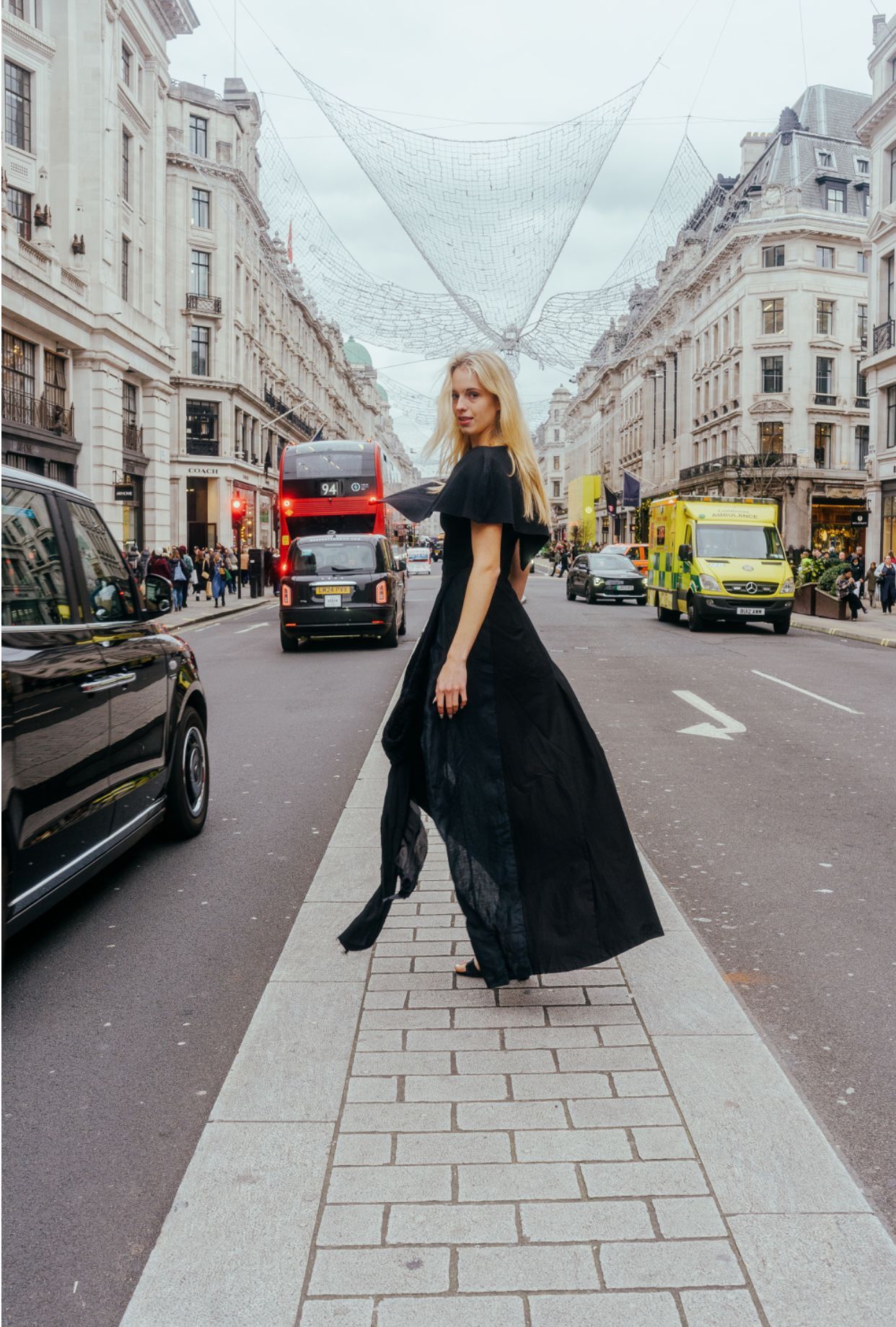
For example, a piece like the Maglen Dress can appeal to shoppers who want a statement silhouette without fixed gender cues. Similarly, a Weaver Denim Jacket can anchor layered looks for people who dress across masculine, feminine, and androgynous references.
Inclusive Imagery
Inclusive imagery means more than featuring one diverse model. It means showing how the garment lives on different bodies, expressions, and styling contexts.
If the brand only photographs one body type, one age group, or one aesthetic, the message is narrower than the marketing copy suggests. Gender fluid fashion brands should show movement, not just branding.
This is where outside conversations are useful too. For example, Paxton Grove’s video, "3 Queer Clothing Brands to Try if You’re FTM/Enby/GNC," offers a practical lens on what queer shoppers notice first. It helps explain why visibility, fit, and comfort matter so much in real buying decisions.
When imagery is honest, shoppers can imagine themselves in the clothing. That builds trust quickly.
Sustainable Production
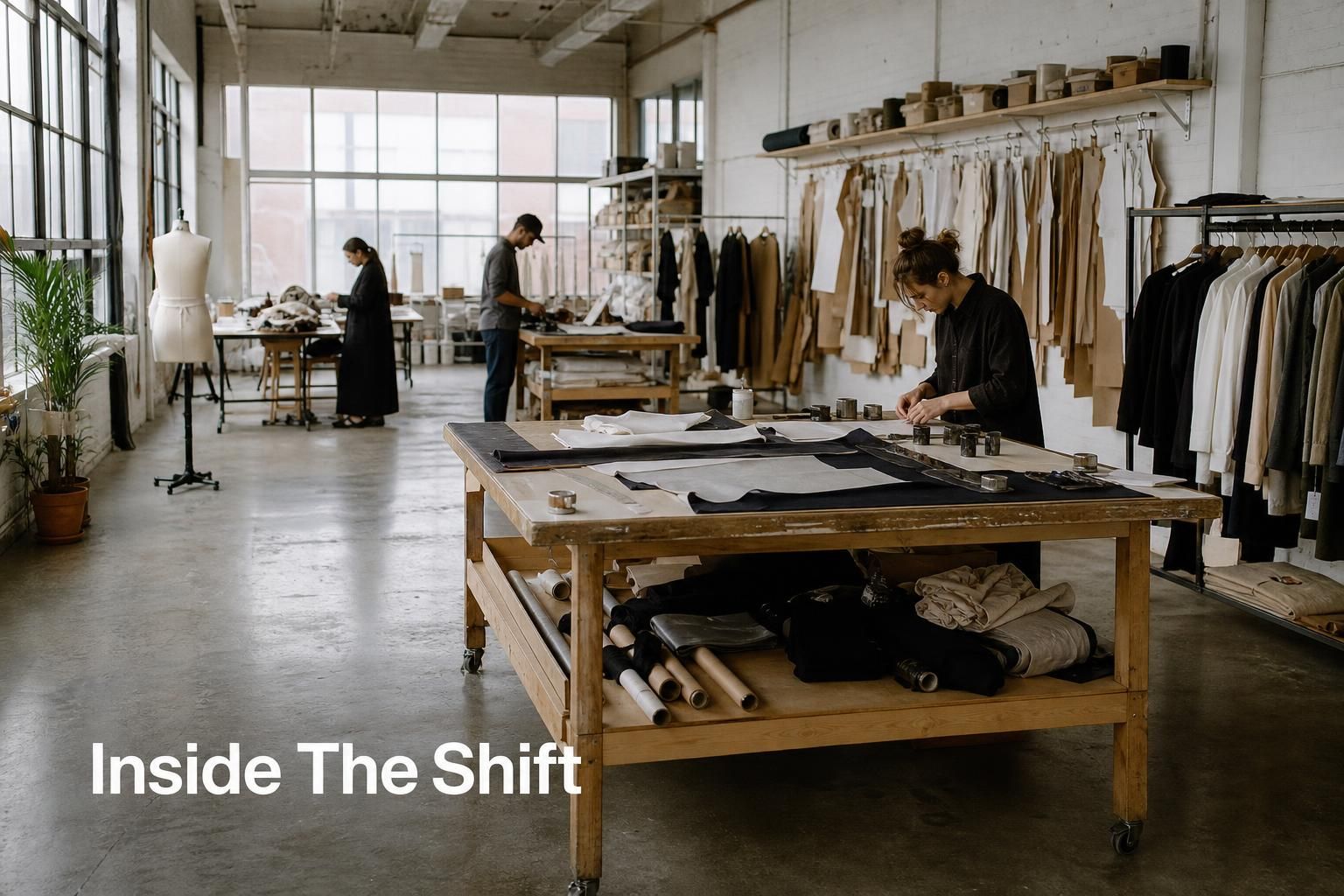
Sustainable production is not required for every gender-fluid brand, but it is a strong sign of care and discipline. Limited runs, deadstock fabrics, and local production can reduce waste and make the product story more coherent.
This is especially relevant in fashion because many gender fluid fashion brands rely on expressive design. Expressive design should not come at the cost of overproduction. If a brand uses existing fabric or small-batch making, it usually has a clearer relationship to inventory and quality.
Olivia Black’s deadstock fabric clothing and made in London clothing pages show how this approach can support both craft and restraint. For shoppers who care about ethics, that is a meaningful advantage.
Claire Holt’s discussion, "the problem with queer clothing brands," is also useful here because it highlights a common gap: many brands speak the language of inclusion but still miss the practical needs of queer customers.
That is why the best gender fluid fashion brands earn trust through construction, not slogans.
UK Gender-Fluid and Gender-Neutral Shopping Considerations
UK shoppers should look at fit, returns, shipping, and production location before buying. Those details matter more when the brand is small, independent, or made to order.
If you are shopping from the UK, local production can simplify communication and often improves accountability. It also helps when you need clearer measurements or faster customer support. In addition, many UK buyers prefer brands that avoid mass-produced sameness and offer more considered pieces.
Price alone is not a useful measure of value. Instead, compare construction quality, textile choice, and how often you will wear the piece. A jacket or trouser with strong cut and durable fabric may justify itself over time better than a trend-led item.
The UK market also has a strong appetite for gender fluid fashion brands that feel more editorial and less generic. That means shoppers often want a brand that can move from everyday dressing to event wear. If that is your goal, look for pieces that can live in a capsule wardrobe and still feel expressive.
For a practical UK reference point, Olivia Black’s gender neutral clothing UK and sustainable fashion London pages show how independent design can speak to both identity and responsibility. If you want the shopping process itself to feel clearer, the gender-fluid clothing stores guide is also helpful.
You may also see broader retail roundups that frame the category as "gender-free" or "gender-neutral." That can be useful as a starting point, but the best gender fluid fashion brands go further. They show how clothing actually works on the body, which is what shoppers need most.
Why Olivia Black Belongs in the Conversation About Gender Fluid Fashion Brands
Olivia Black belongs in the conversation because it treats gender fluid fashion as both a design language and a values system. The brand does not just borrow inclusive language; it builds garments that support expression, longevity, and limited-run production.
That matters for shoppers who want more than a logo-level idea of inclusion. Olivia Black’s collections are creative, but they are also grounded in construction. Pieces such as the Weaver Jeans, Weaver Denim Jacket, Feather Trouser, and Maglen Dress show how the brand moves between denim, tailoring, and statement dressing without locking the wearer into one role.
The brand also speaks to modern buying habits. Some shoppers want to own every piece they wear. Others want flexibility, which is why the designer fashion rentals page is especially relevant. Rental can be a smart way to approach occasionwear when you want impact without overbuying.
Importantly, Olivia Black aligns with what many shoppers now expect from gender fluid fashion brands: expressive shape, limited-run production, and a clear point of view. It feels more like a studio-led wardrobe than a mass-market category.
For shoppers comparing options, that distinction matters. Some gender fluid fashion brands lean heavily on trend language. Olivia Black leans into considered form. That creates garments with more staying power, especially for people building a wardrobe around identity, quality, and repeat wear.
If you want a deeper look at the brand’s approach, start with Olivia Black’s main site and then review the category pages that match your shopping needs. That is often the fastest way to decide whether a brand is truly right for you.
How to Shop Gender-Fluid Clothing Online Without Regret
The safest way to shop gender fluid fashion brands online is to read the garment as a product, not a promise. That means checking measurements, fabric notes, styling photos, and return terms before you commit.
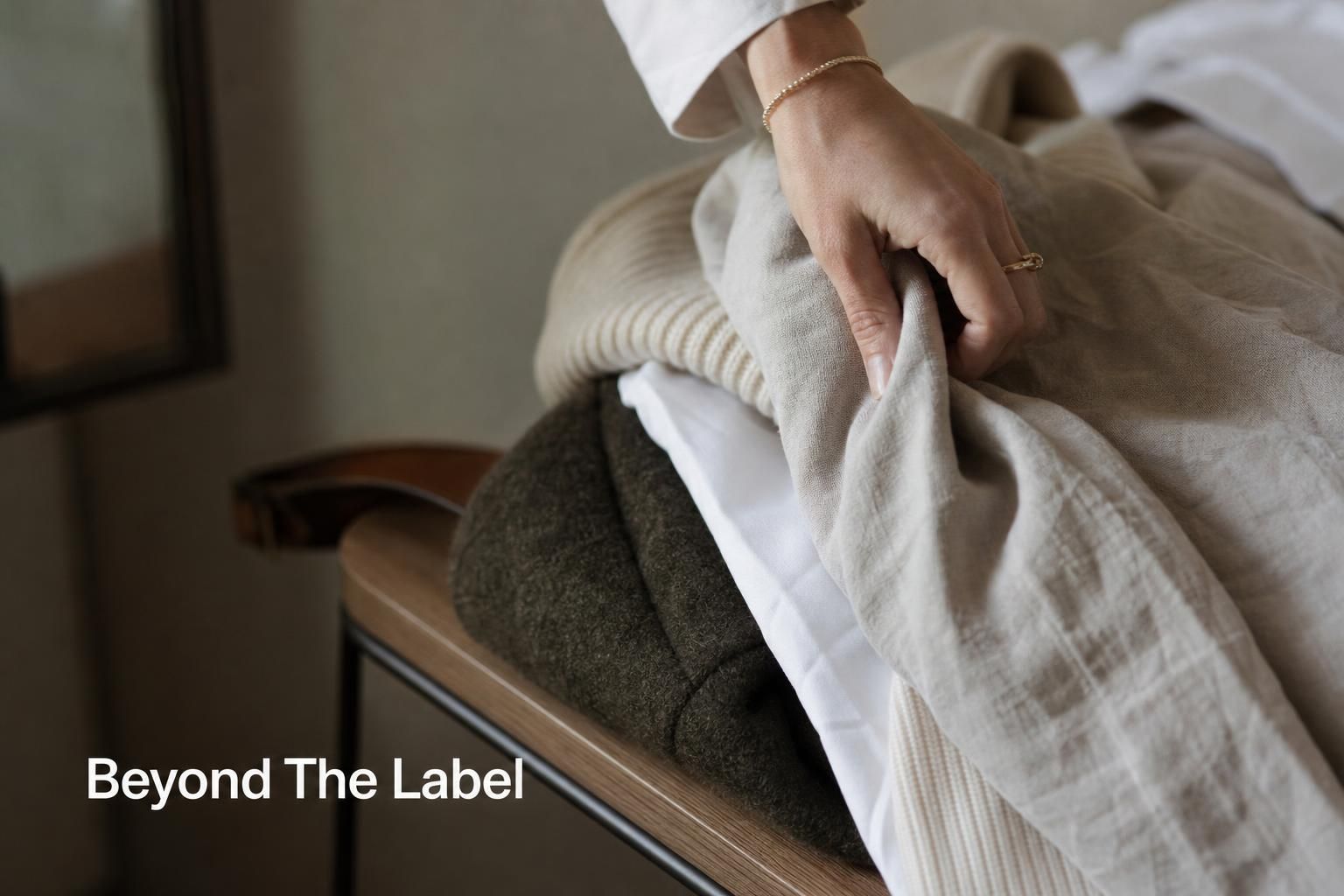
Start with fit. Compare your best-fitting clothes at home to the product dimensions whenever possible. Next, study the fabric. A structured denim piece will behave very differently from a soft woven dress. Then look at how the garment is styled on the site. If the same item can work for multiple expressions, that is a good sign.
You should also check whether the brand explains occasion use. Some pieces are clearly everyday items. Others are better for events, performances, or standout outfits. Knowing that in advance helps you spend with intention.
If you are still undecided, shortlist gender fluid fashion brands by use case:
- Everyday basics that fit well and layer easily
- Statement pieces for events or creative dressing
- Rental options for one-off occasions
- Limited-run garments if you value rarity and craft
This is also where values-led shopping helps. When a brand uses deadstock or limited-run methods, the product often has a more deliberate life cycle. Olivia Black’s sustainable clothing London page and deadstock clothing UK page both support that mindset.
Finally, do not ignore style inspiration from the community. The best gender fluid fashion brands often emerge in real-life conversations, not just polished campaigns. That is why it helps to watch how queer and non-binary shoppers actually style clothing, then translate those ideas into your own wardrobe.
Gender Fluid Fashion Brand FAQs
These answers cover the most common questions shoppers ask when comparing gender fluid fashion brands. Use them as a quick reference before you buy.
What is gender fluid fashion?
Gender fluid fashion is clothing designed to support changing expression, not fixed gender rules. It often uses flexible silhouettes, thoughtful fit, and styling freedom so the wearer can move between looks comfortably.
What are some of the best gender-neutral clothing brands?
The best gender-neutral clothing brands are the ones that combine fit clarity, inclusive imagery, and strong construction. In practice, gender fluid fashion brands and gender-neutral brands are often evaluated by the same standards: how the garment fits, how it wears, and whether the brand respects real bodies.
What is Gen Z's favorite clothing brand?
There is no single verified favorite clothing brand for all Gen Z shoppers. Preferences change by region, price point, identity, and style, so it is better to look at the values and fit language of each brand than to chase a trend label.
Where do femboys buy clothes?
Femboy shoppers often buy from gender fluid fashion brands, gender-neutral retailers, rental platforms, and independent designers that offer expressive silhouettes. The best choice depends on whether they want softness, tailoring, streetwear, or statement pieces.
Key Takeaways
- Gender fluid fashion brands are most useful when they combine flexible fit, clear sizing, and styling freedom.
- A strong brand should show inclusive imagery and explain how garments behave on the body.
- Sustainable production, especially deadstock and limited-run methods, adds credibility to inclusive design.
- Olivia Black stands out as a UK option for shoppers who want expressive, gender-fluid clothing with considered craft.
- Online shoppers should compare fit, fabric, returns, and wearability before buying.
Frequently Asked Questions
What should I look for first when comparing gender fluid fashion brands?
Start with fit information, styling range, and fabric quality. The best gender fluid fashion brands explain how garments sit on the body, how they can be worn in different ways, and whether the production model matches your values.
Are gender fluid fashion brands the same as gender-neutral brands?
They overlap, but they are not identical. Gender-neutral brands often focus on removing gender labels, while gender fluid fashion brands usually place more emphasis on expression, movement, and styling across different moods or identities.
Why does sustainability matter when shopping gender fluid fashion brands?
Sustainability matters because inclusive design should not depend on wasteful production. Limited-run or deadstock approaches often show that a brand thinks carefully about resources, which makes the clothing story more coherent.