Deadstock Denim Jeans: Sustainable Designer Denim by Olivia Black
Quick Answer
Deadstock denim jeans are jeans made from unused existing denim fabric, which helps reduce material waste and supports limited-run design. Olivia Black’s Weaver Jeans use that approach to create deadstock denim jeans with a sharper story: lower-waste production, distinctive craftsmanship, and a fit designed for expressive, gender-fluid wardrobes.
Deadstock denim jeans are a smarter way to buy denim when you want style, substance, and a lower-waste story. Instead of commissioning fresh fabric, deadstock denim jeans use existing surplus material, which gives valuable cloth a new life and helps keep limited fabric out of storage or disposal. For shoppers in London and across the UK, that matters because denim is often the hardest-working piece in the wardrobe. It should earn its place. Olivia Black’s Weaver Jeans turn that idea into a designer object with a clear purpose: expressive, gender-fluid dressing that feels modern, considered, and personal. If you want to explore the brand’s wider approach to slow, inclusive design, start with Olivia Black’s sustainable clothing story, then return to the jeans that anchor the look. These deadstock denim jeans are built for limited runs, which makes each release feel more intentional. They are not about chasing volume. They are about wearing something rare, well made, and quietly radical.
What are deadstock denim jeans?
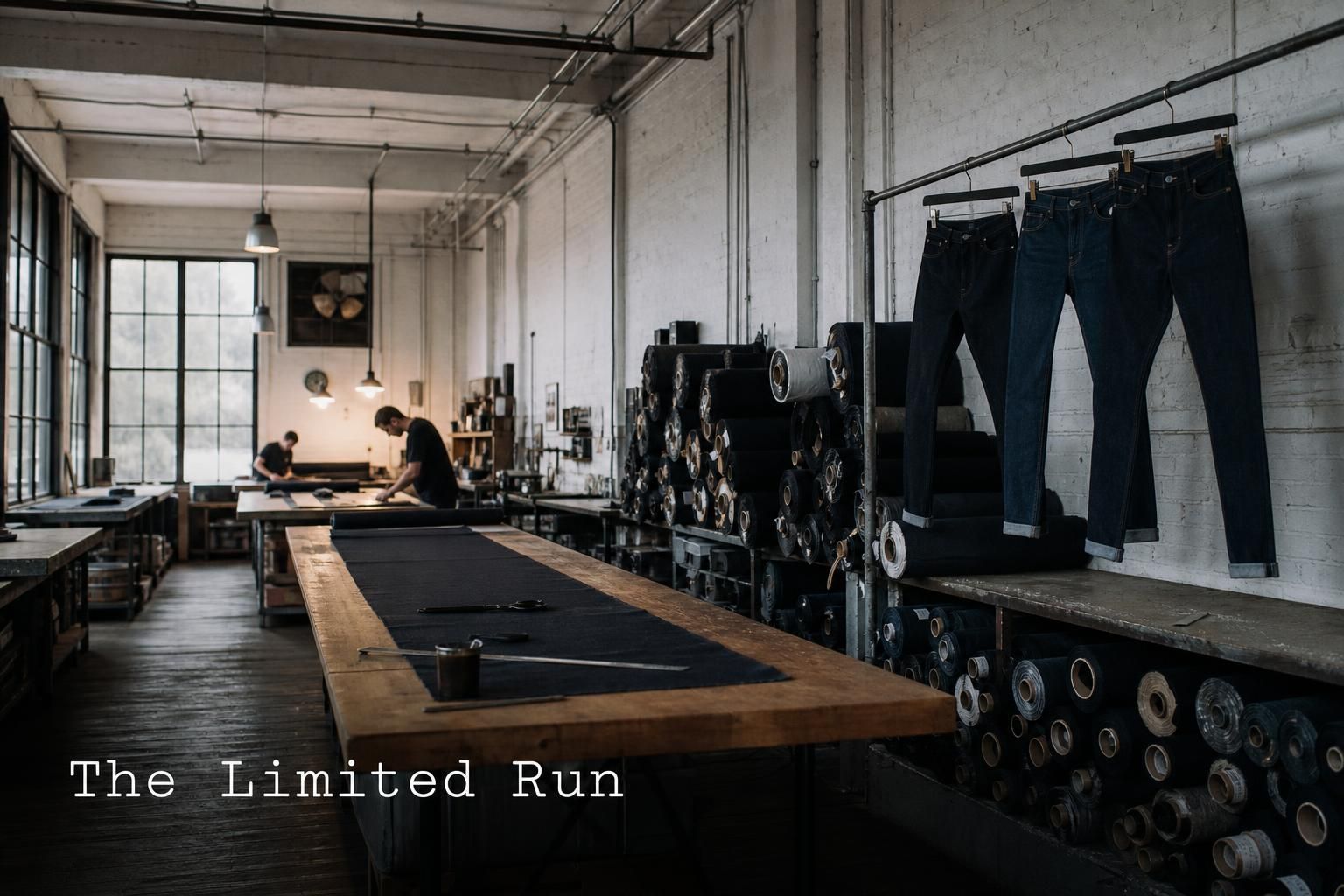
Deadstock denim jeans are jeans made from leftover or unused denim fabric that already exists. In simple terms, the cloth is sourced from surplus stock rather than newly woven for a single product run. That is why deadstock denim jeans are often tied to limited quantities, distinctive finishes, and a more thoughtful approach to production.
For shoppers, the appeal is both practical and creative. You get denim with a lower-waste backstory, and you often get a more exclusive result because the fabric supply is finite. That is also why deadstock denim jeans fit so naturally into Olivia Black’s design language. The brand treats fabric as something to work with carefully, not something to overproduce.
If you want to see how that idea shapes the product, explore the Weaver Jeans alongside the wider sustainable designer denim collection. The value here is not only in the material. It is in the edit, the cut, and the decision to make fewer pieces with more identity.
Deadstock denim jeans also answer a bigger shopping question. Do you want denim that feels interchangeable, or denim that feels chosen? Limited fabric can create a better design brief. It pushes brands to make clearer decisions about silhouette, finish, and wearability. As a result, the jeans become easier to style and easier to keep wearing.
How does deadstock denim differ from regular denim?
Regular denim is usually woven for a planned production run. Deadstock denim already exists before the garment is cut. That difference matters because deadstock denim jeans use available material first, which can reduce the need for new fabric orders. It also means the final product may appear in smaller quantities and with a more distinctive hand-feel or wash.
Why deadstock denim jeans can be a more sustainable choice
Deadstock denim jeans can be a more sustainable choice because they make use of existing material instead of adding demand for new fabric. That does not solve every sustainability issue in fashion, but it is a meaningful step toward lower-waste design. It is especially relevant in denim, where fabric weight, dyeing, and production planning all matter.
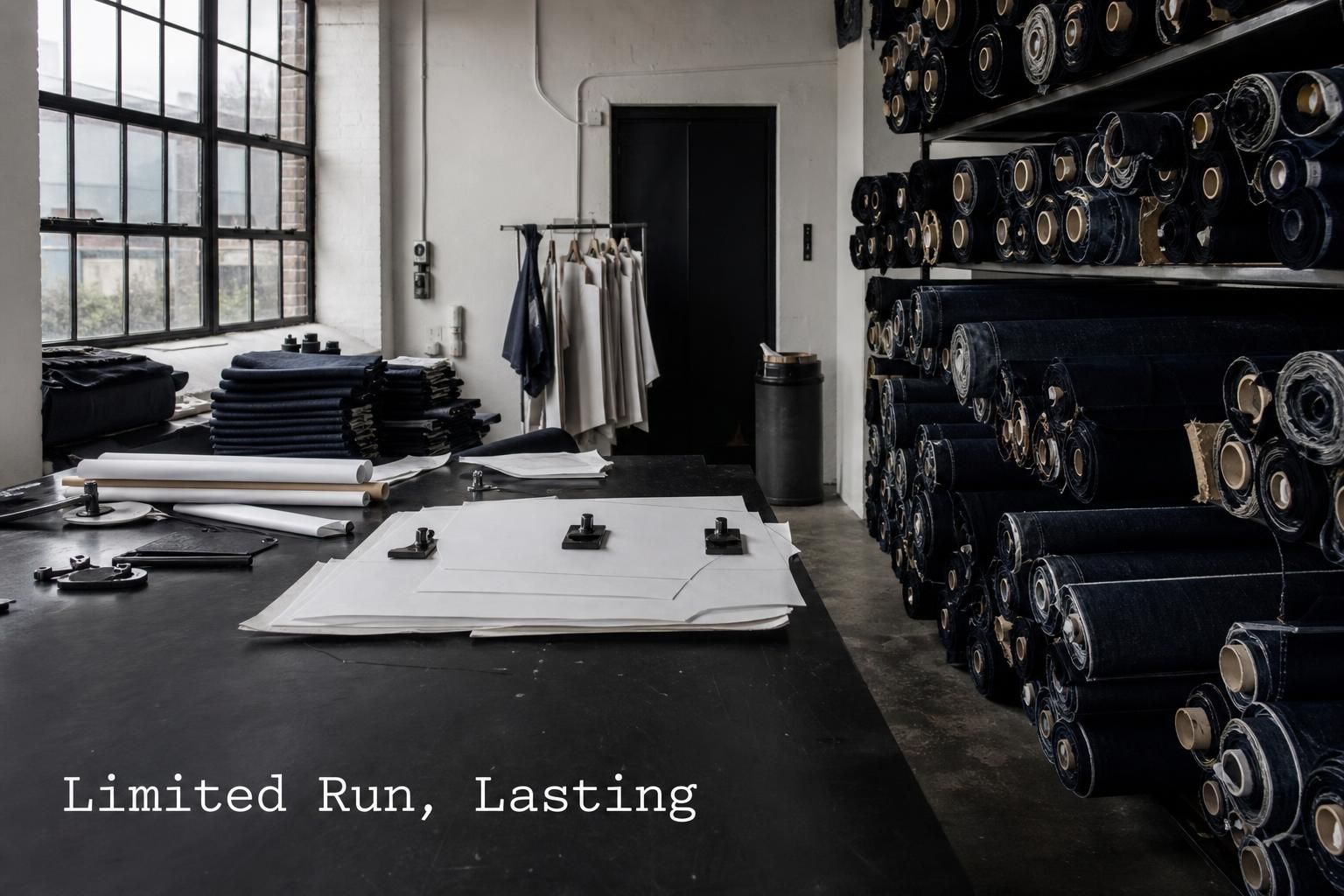
This is where limited-run design becomes more than a branding phrase. When a brand works with deadstock denim jeans, it is often responding to what the fabric supply allows. Therefore, the collection stays small by design. That can reduce overproduction and make every piece feel more considered. Olivia Black uses that logic across the brand, including pieces like the Weaver Denim Jacket and other limited-run staples.
Deadstock denim jeans also encourage better buying habits. When a style is available in a finite fabric, customers tend to think more carefully about fit, versatility, and long-term wear. That supports a slower wardrobe. It also aligns with the wider ideas behind slow fashion clothing and limited-run clothing.
For context, you can also watch how other makers approach archive fabric and limited releases. The Deadstock Selvedge Denim Pants overview is useful for understanding how deadstock can shape denim construction, while the Naked & Famous Denim deadstock capsule collection video shows how archived fabrics can become fresh, commercially relevant pieces. In addition, the Tokyo dad jeans deadstock example highlights how repurposed denim can still feel directional.
Why limited fabric can improve design decisions
When a designer starts with finite cloth, every choice becomes sharper. The rise, leg shape, pocket placement, and finishing details must all work harder. That is one reason deadstock denim jeans often feel more distinctive than mass-market denim. The fabric constraint creates design focus.
Meet the Weaver Jeans
The Weaver Jeans are Olivia Black’s answer to deadstock denim jeans with designer intent. They are made for people who want denim that feels expressive, gender-fluid, and rooted in craft. If you are shopping for deadstock denim jeans in the UK, the Weaver Jeans make the case clearly: limited-run material, considered shape, and a look that can move from casual styling to sharper evening layering.
You can shop the piece directly on the Weaver Jeans product page, and you can place it within the brand’s broader world of gender-fluid jeans and sustainable clothing UK. That context matters. The jeans are not presented as a one-off novelty. They sit inside a coherent wardrobe system.
The strongest reason to buy deadstock denim jeans from a designer label is clarity. You know what the garment is for. You know why the fabric was chosen. And you know the run is limited, which gives the piece a sense of place. The Weaver Jeans are built for people who value clothing with a point of view.
Fit and silhouette
The Weaver Jeans are designed to feel wearable without losing shape. That makes them useful for gender-fluid styling, because the silhouette can be balanced with a fitted top, a soft shirt, or a structured jacket. Deadstock denim jeans work best when the fit supports movement and repeat wear, and that is exactly where the Weaver Jeans are aimed.
Fabric and construction
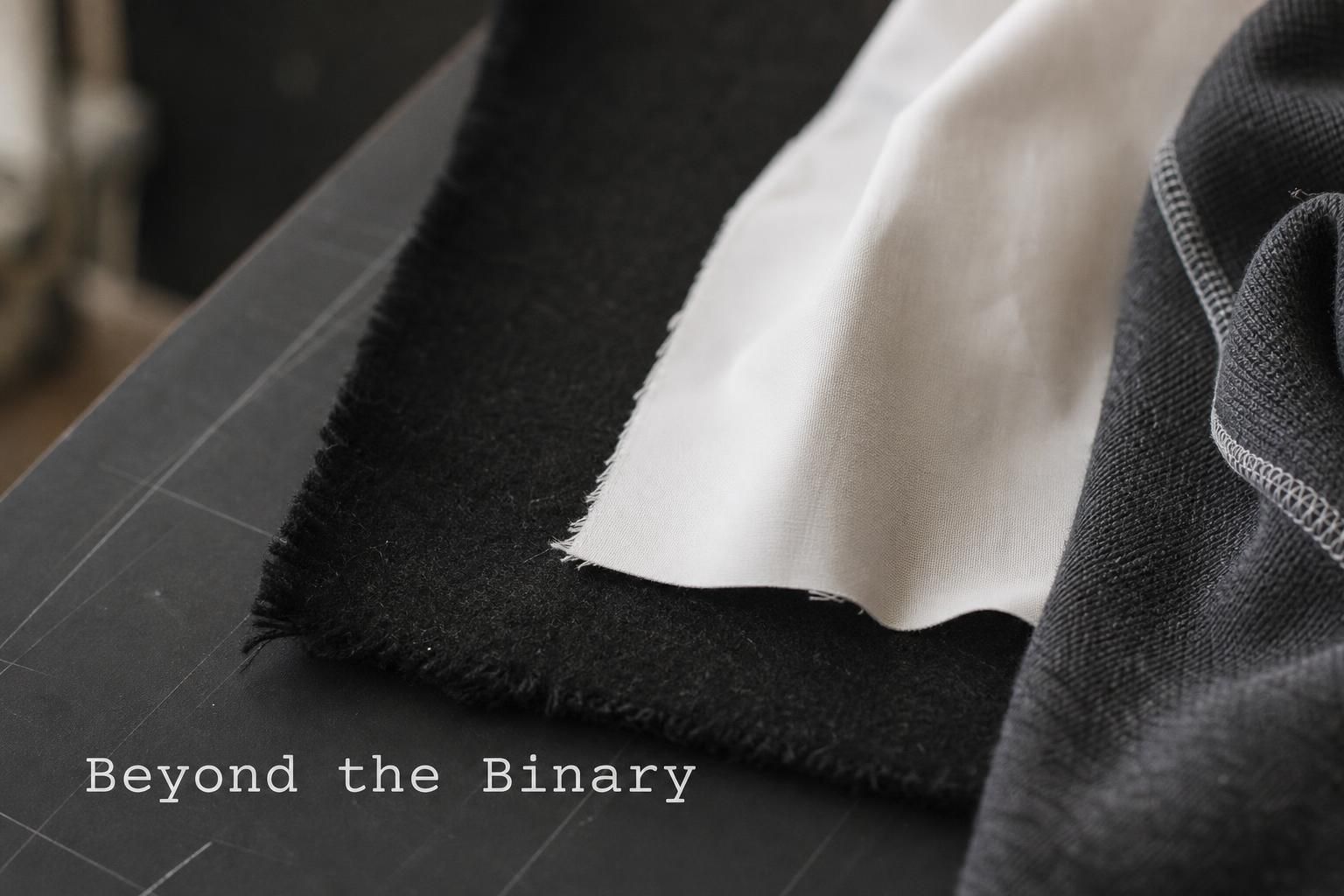
Deadstock denim jeans depend on the quality of the existing fabric, so construction matters. Seams, pocket placement, and finishing must support longevity. Olivia Black’s approach to the Weaver Jeans is aligned with made in London clothing values, where thoughtful cutting and local making help keep the garment precise.
Styling ideas
Wear deadstock denim jeans with an Aviary Shirt for a softer daytime shape, or pair them with the Weaver Denim Jacket for a clean set. For contrast, try the Feather Trouser on days when you want a looser tailoring story. Deadstock denim jeans also work well with statement footwear and minimal jewellery.
How to care for deadstock denim jeans
Deadstock denim jeans should be cared for like quality denim, with a little restraint. That keeps the fabric looking better for longer and supports the low-waste logic behind the purchase. The goal is to clean only when needed, reshape carefully, and avoid anything that breaks down the cloth too quickly.
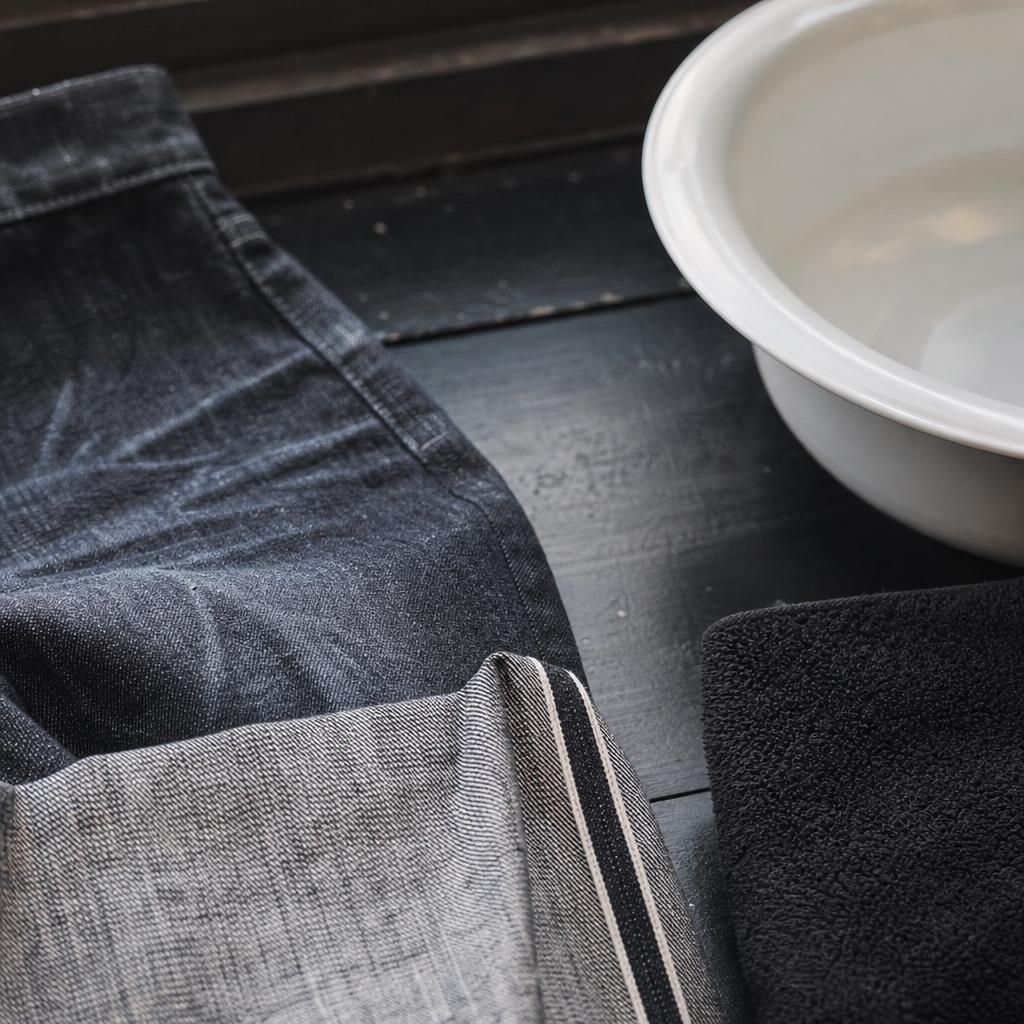
Start by airing the jeans between wears. That often helps more than frequent washing. When you do wash them, use cool water and a gentle cycle if the care label allows it. Turn the jeans inside out first. Then let them dry naturally rather than using intense heat. That protects the fabric and the silhouette.
Deadstock denim jeans also benefit from rotation. If you wear one pair constantly, the fabric will show stress sooner. If you alternate with another favourite piece, the jeans last longer and keep their shape better. This is where a smaller wardrobe can help. Fewer but better pieces are easier to maintain.
If you want a broader framework for that mindset, Olivia Black’s ethical fashion London guide and sustainable fashion UK overview offer a useful lens. Deadstock denim jeans reward that kind of care. They are not disposable fashion. They are meant to become part of your regular uniform.
Complete the look with the Weaver Denim Jacket
Deadstock denim jeans become even more versatile when you build a matching layer around them. The Weaver Denim Jacket is the most natural companion, because it extends the same fabric story and creates a strong, modern set. If you are buying deadstock denim jeans for impact, the jacket helps turn them into a full look.
The jacket also opens up styling range. Worn with jeans, it gives you a sharper, more directional silhouette. Worn over the Maglen Dress, it softens into a layered contrast. That is useful for shoppers who want clothing that can move between masculine, feminine, and neutral references without feeling costume-like.
This is where Olivia Black’s brand world stands out. The pieces are not designed to sit in isolation. They are built to mix. So deadstock denim jeans can anchor a look, while the jacket, dresses, or tailoring pieces change the mood. If you want a fuller wardrobe story, the luxury sustainable fashion angle matters too. It is about fewer garments, better considered, and easier to rewear.
Deadstock denim jeans are strongest when they do two things at once. They solve a wardrobe need, and they say something about the wearer. The Weaver Jacket makes that message clearer.
Why a matching set feels stronger
A matching denim set creates visual confidence. It also makes deadstock denim jeans easier to style because the jacket does the work of framing the outfit. For many buyers, that is the difference between a good purchase and a great one.
FAQs about deadstock denim jeans
These questions come up often because deadstock denim jeans sit between sustainability, design, and collector appeal. The short answers below are the clearest place to start.
Key Takeaways
- Deadstock denim jeans use existing fabric, which supports lower-waste production and limited-run design.
- Olivia Black’s Weaver Jeans turn deadstock denim jeans into a designer product with a gender-fluid fit story.
- Limited fabric can sharpen silhouette, improve focus, and make each release feel more intentional.
- The Weaver Denim Jacket helps extend the denim story into a full, versatile outfit.
- Good care matters: air the jeans, wash gently, and rotate them to extend their life.
Frequently Asked Questions
What does deadstock denim mean?
Deadstock denim means denim fabric that already exists and has not yet been used in a garment. In the context of deadstock denim jeans, that surplus cloth is cut into new jeans instead of leaving it unused. As a result, the jeans often come in limited runs and feel more distinctive.
What pair of jeans cost $10,000?
Luxury and collector denim can reach very high prices when a pair is rare, historic, or heavily associated with a brand moment. However, price depends on provenance, condition, and demand, so there is no single standard pair. For most shoppers, deadstock denim jeans are about design value and material responsibility rather than headline pricing.
Where can I buy JBD jeans?
JBD jeans are typically found through marketplace listings, resale platforms, or specialist stockists, depending on the exact product and region. If you are comparing options, deadstock denim jeans from Olivia Black offer a different proposition: limited-run designer denim with a clearer sustainability story and a gender-fluid fit approach.
What are the big 3 denim brands?
The phrase usually refers to Levi’s, Wrangler, and Lee in the heritage denim conversation. Those names are often discussed because of their long history and cultural influence. If you prefer a more contemporary route, deadstock denim jeans from independent designers focus less on mass heritage and more on small-batch construction.