Slow Fashion London: Choosing Limited-Run Clothing Over Fast Fashion
Quick Answer
Slow fashion London means choosing clothing that is designed thoughtfully, made in limited runs, and built to last in the city’s real wardrobes. It favours better materials, clearer provenance, and more personal style over disposable trends, which makes it a smarter choice for conscious London shoppers.
Slow fashion London is about buying with intent, not impulse. It means choosing garments that feel distinctive, wear well, and reflect the way you actually dress in the city. For many London shoppers, that shift starts with better design, smaller batches, and fewer compromises. It also means looking for brands with a clear point of view, especially if you want clothing that feels expressive and inclusive. Olivia Black sits in that space, with gender-fluid, luxury-leaning pieces shaped by limited-run production and deadstock fabrics. If you are exploring local options, Sustainable Fashion London by Olivia Black Studio is a useful place to start. In a market crowded with quick trends, slow fashion London gives you something more lasting: better fit, stronger identity, and garments that still feel relevant after the season changes.
What Does Slow Fashion Mean in London?
Slow fashion London means clothing made with care, in smaller quantities, and with a clearer relationship between design and wear. It prioritises quality over volume. It also favours pieces that can stay in use longer, both physically and stylistically.
In practical terms, slow fashion London is not just about materials. It also includes local design, responsible production, repair-minded thinking, and a tighter edit of what enters the wardrobe. That matters in a city where style moves fast, but real wardrobes need longevity.
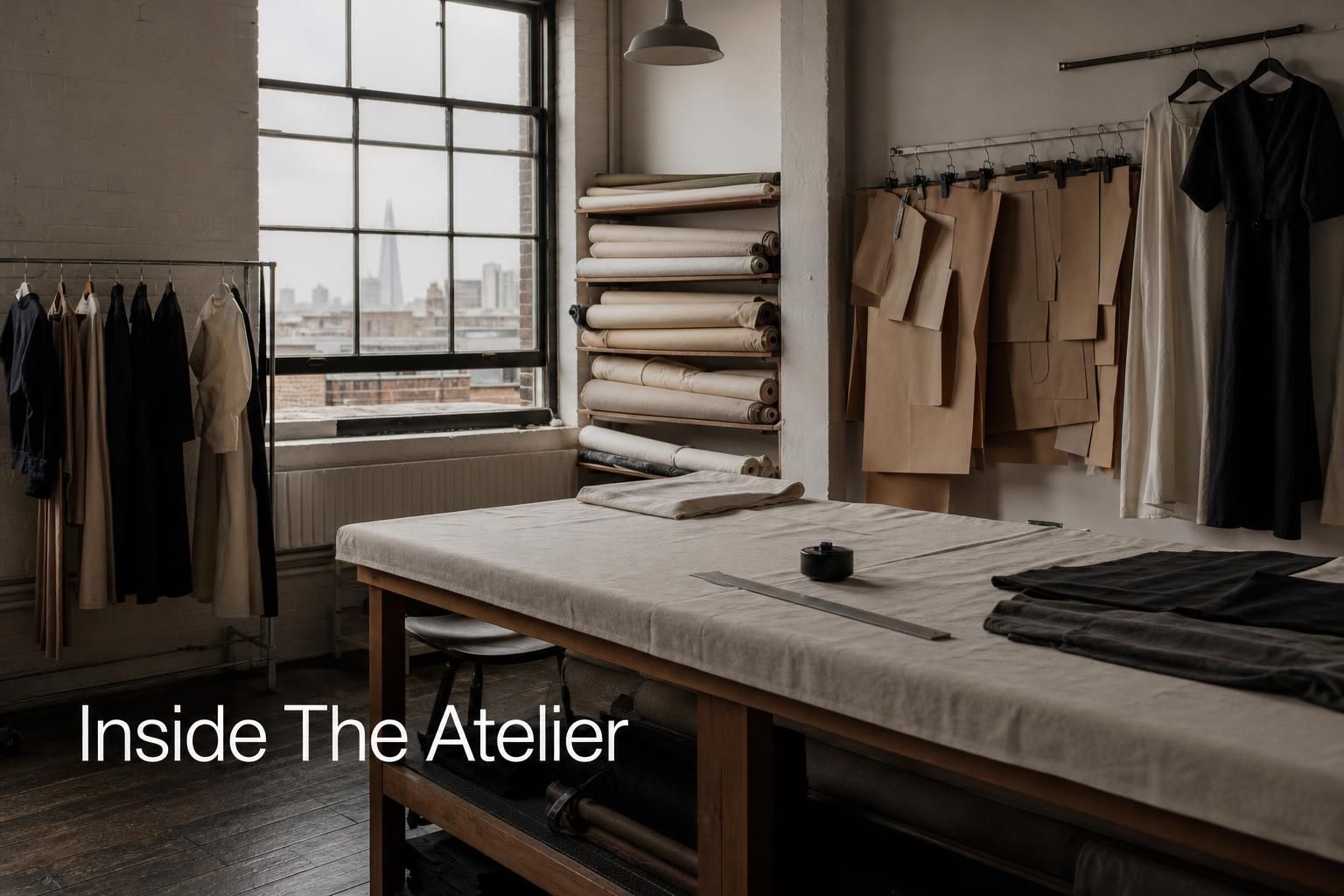
For shoppers asking what qualifies as slow fashion, the answer is usually simple: fewer drops, more considered design, better construction, and a stronger reason for each garment to exist. In that sense, slow fashion brands are labels that resist overproduction and build collections with intention. Olivia Black’s about page explains that mindset clearly through a studio-led approach to design and fabrication.
If you want a broader view of the category, Vogue’s overview of the best sustainable clothing brands is helpful context. For a London-specific snapshot of the market, Zerrin’s guide to sustainable fashion brands in London shows how many independent labels now focus on smaller, more thoughtful production.
Slow fashion London is also about identity. Many conscious shoppers want clothes that feel different from what everyone else is wearing. Limited runs help with that. So does a designer-led point of view. When a piece is made to feel personal, it becomes easier to wear often, style creatively, and keep for longer.
### What are slow fashion brands?
Slow fashion brands are labels that make clothing in a more deliberate way. They usually produce in smaller quantities, choose materials carefully, and focus on durability rather than rapid turnover. Some are local, some are international, but the shared idea is the same: make less, make better, and make garments that still matter after the trend passes.
### What qualifies as slow fashion?
Slow fashion is usually defined by design restraint, ethical intent, and product longevity. It does not have to mean minimalism. It can also mean expressive, gender-fluid, or luxury clothing, as long as the work is considered and the production avoids wasteful excess.
What are some British slow fashion brands?
British slow fashion brands include independent labels that design and produce with more care than fast-fashion chains. In London especially, shoppers can find studios focused on local making, deadstock materials, and limited runs. The key is to look for transparency, smaller collections, and garments that feel built for regular wear rather than short-lived novelty.
Why Is Slow Fashion London Growing Among Conscious Shoppers?
Slow fashion London is growing because many shoppers want style with substance. They want pieces that look distinctive, but they also want fewer regrets after purchase. That is a practical response to fast fashion’s constant churn.
London also has a strong creative culture. People here often dress with purpose. They want clothes that work for studios, dinners, gallery openings, nightlife, travel, and everyday commuting. Slow fashion London supports that by offering garments with more personality and better construction.
There is also a sustainability angle. Choosing fewer, longer-lasting garments can reduce unnecessary replacement buying. It can also encourage more thoughtful wardrobes. That is why many shoppers compare independent brands, visit local guides, and look for pieces that feel worth keeping. One useful resource is Best Sustainable Fashion Stores to Visit in London, which reflects the city’s growing appetite for lower-impact shopping.
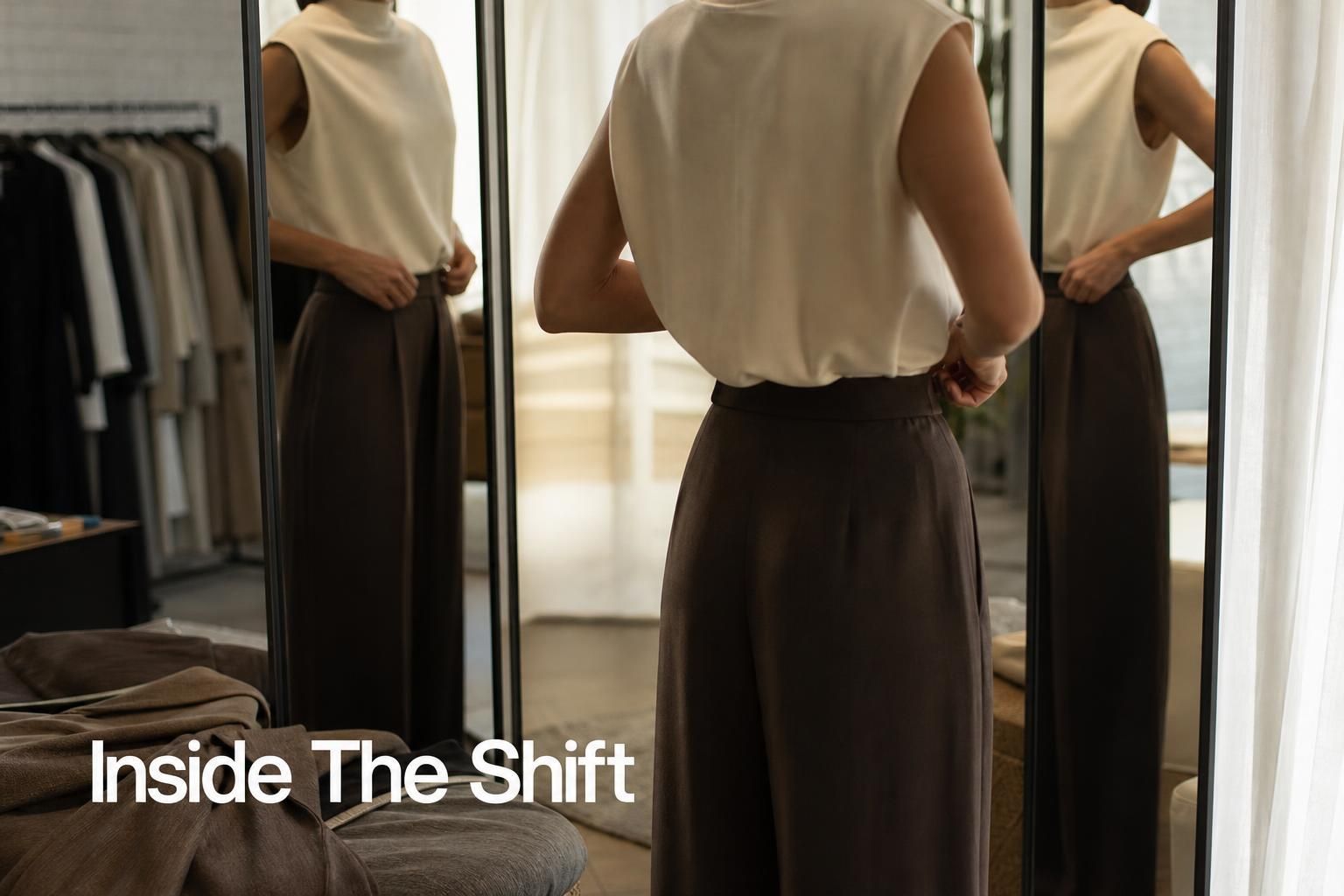
Another reason is inclusivity. Many customers now search for gender-fluid silhouettes, relaxed tailoring, and clothing that does not force a binary style code. Slow fashion London fits that need well, because limited-run collections often allow more design freedom. Instead of chasing mass appeal, the brand can create garments with shape, movement, and attitude.
At Olivia Black, that creative freedom shows up in pieces like the Weaver Denim Jacket and the Maglen Dress. Both speak to shoppers who want something more directional than standard high-street basics.
Meanwhile, London College of Fashion has long provided a thoughtful lens on this topic. The discussion in slow and ethical fashion conversations in London aligns with what many shoppers already feel: fashion should be considered, not disposable. To see that creative tension in a lighter format, the video below explores expressive labels that are not boring.
Here is a useful roundup for anyone who wants more personality from ethical fashion:
Slow fashion London works because it matches how many people actually live. They do not need more clothes. They need better ones.
How Slow Fashion London Uses Limited Runs, Better Materials and Better Care
Slow fashion London works best when limited production, material choice, and aftercare all support each other. That combination helps garments feel more considered and more useful over time.
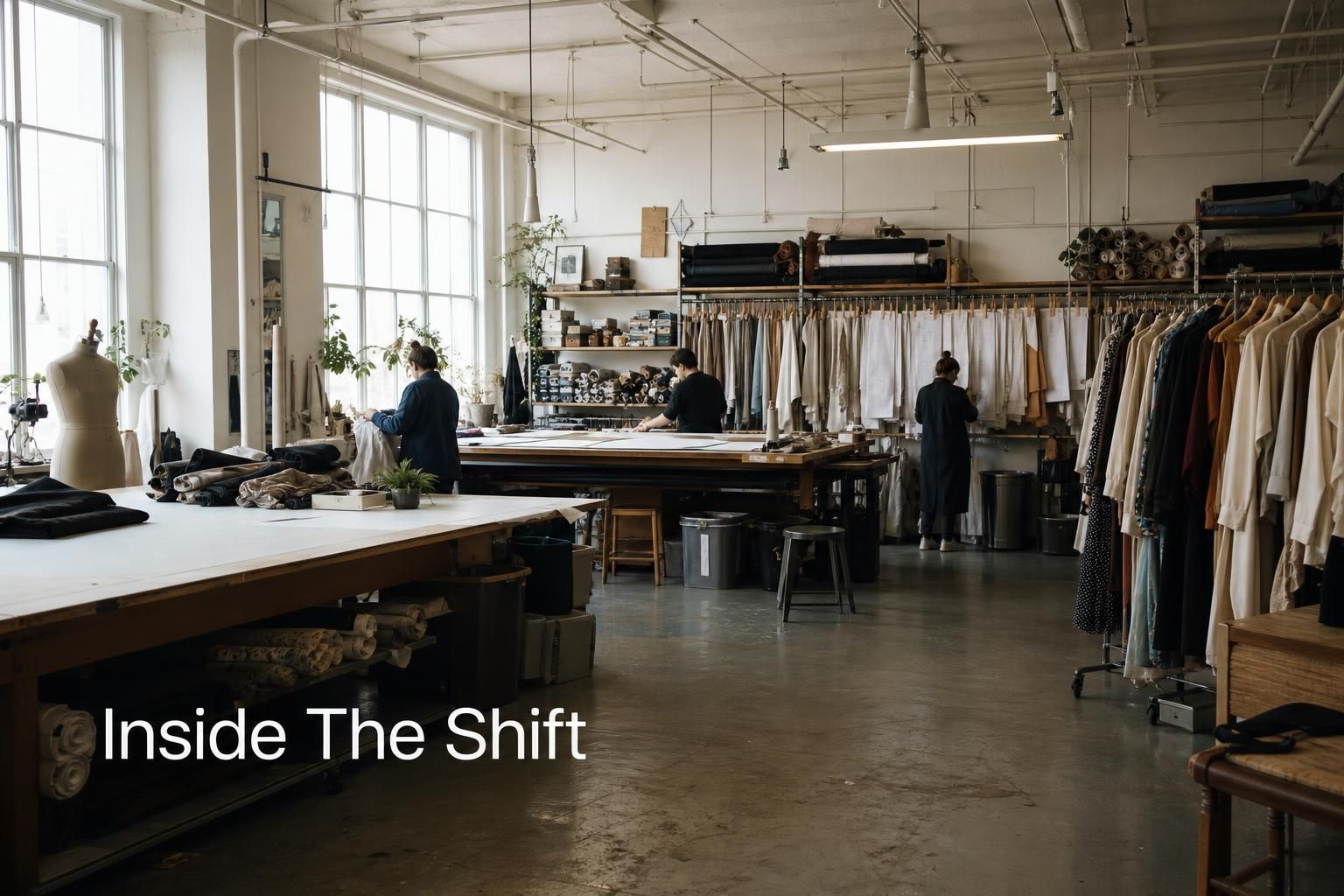
Limited runs reduce the sense of excess. They also make the design feel more intentional. When a brand releases fewer pieces, it can focus more closely on cut, finish, and wearability. That is especially relevant for designer clothing, where craftsmanship should be visible in the final garment.
Better materials matter too. Deadstock fabric, for example, gives existing cloth a second life. It can also create a more distinctive result, since the fabric is often sourced in smaller quantities. Olivia Black uses this approach across its collections, including Deadstock Fabric Clothing and Deadstock Clothing UK. For denim-led wardrobes, the Weaver Jeans are a strong example of how slow fashion London can feel sharp without feeling mass-made.
Care matters just as much as first wear. A garment that is easy to maintain is more likely to stay in rotation. That means clear care guidance, durable construction, and fabric choices that suit repeated use. In London, where weather and daily movement can be demanding, this is more than a nice-to-have.
Slow fashion London also benefits from rental. Some occasionwear does not need to be owned permanently to be valuable. That is why rental can be part of a lower-impact wardrobe strategy. It gives access to statement pieces without encouraging unnecessary accumulation. Olivia Black’s designer clothing rental UK page is useful for shoppers who want that option.
If you are building a smarter wardrobe, focus on these signs:
- solid seams and clean finishing
- fabric that suits regular wear
- a cut that feels flattering from multiple angles
- versatility across day and evening
- a reason to keep the piece beyond one season
Slow fashion London is strongest when the garment can earn its place. That is why the best pieces are rarely the loudest. They are the ones you return to.
Why limited-run clothing feels more personal
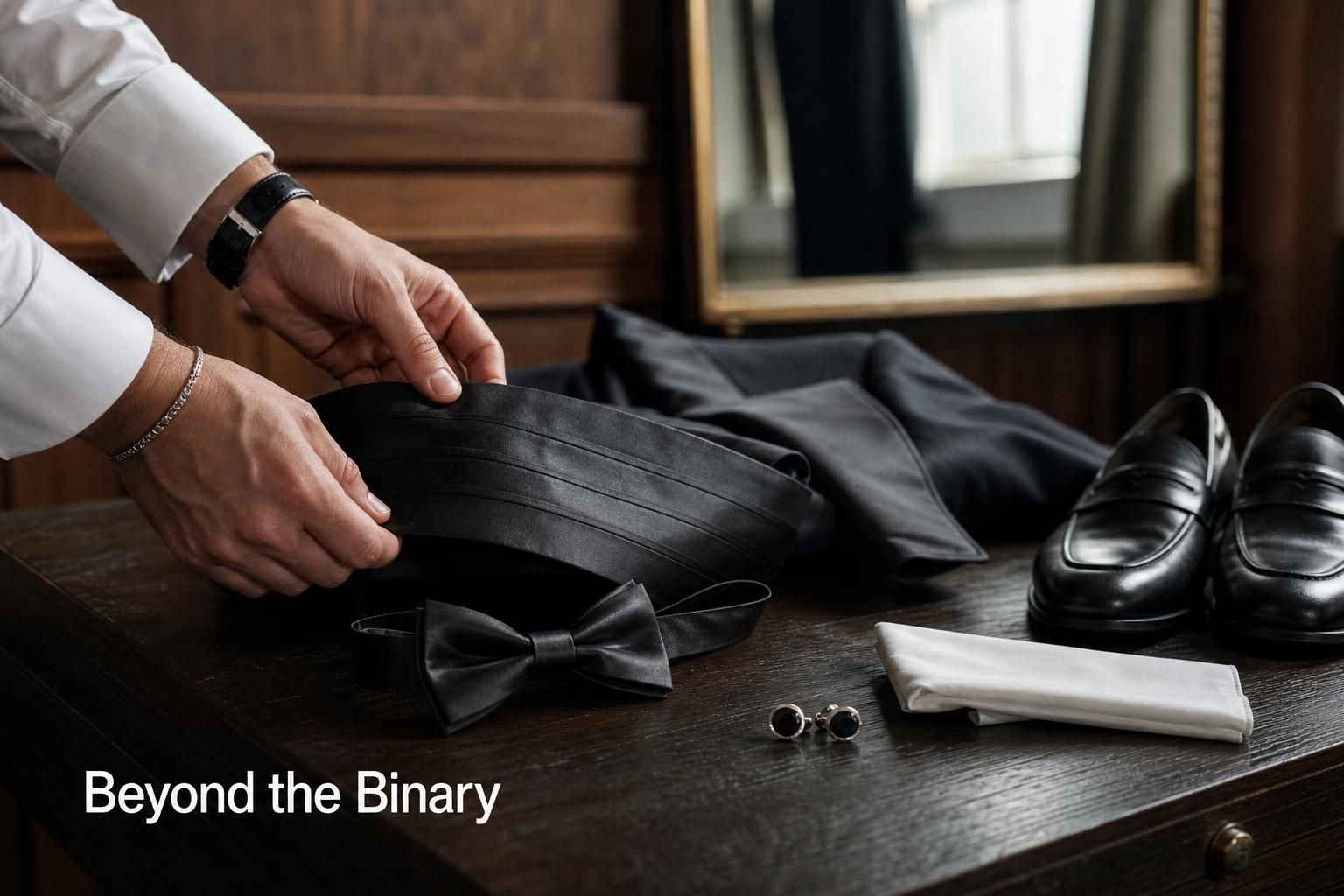
Limited-run clothing often feels more personal because it is not designed to be everywhere at once. It can carry more identity, more edge, and more sense of authorship. For many London shoppers, that is the real luxury: wearing something with a clear point of view.
How Does Olivia Black Approach Slow Fashion London?
Olivia Black approaches slow fashion London through gender-fluid design, limited-run production, and materials that support lower waste. The studio’s work is built for shoppers who want individuality without sacrificing quality.
This matters because slow fashion is not only about restraint. It is also about expression. Olivia Black creates clothes that move beyond fixed categories, which makes the brand especially relevant for LGBTQ+ shoppers, stylists, creatives, and luxury buyers who want more freedom in how they dress. If that resonates, Gender Fluid Clothing and Gender Fluid Fashion are useful starting points.
The brand’s approach also extends to denim and tailored pieces. The Sustainable Denim in the UK page explains how limited-run jeans and jackets can feel more considered than mass-market denim. Meanwhile, the Sustainable Dresses UK page shows how statement dressing can still align with slower production values.
For shoppers asking which fashion brands are based in London, Olivia Black is clearly part of that answer. The brand is London-rooted, designer-led, and shaped by a local creative culture. That gives it an edge for people searching slow fashion London rather than generic sustainable clothing.
The collection also includes pieces suited to different styling moods. The Feather Trouser offers a directional silhouette, while the Weaver Denim Jacket adds structure. For evening or event dressing, the Maglen Dress brings a more expressive line.
If you want a deeper explanation of the brand’s philosophy, Luxury Sustainable Fashion: Why Craft, Materials and Limited Runs Matter expands on the link between craft and lower-impact design. That philosophy is central to slow fashion London: fewer distractions, more intention, and clothes that feel like part of your life rather than a temporary purchase.
For a broader visual take on slow and ethical thinking in a London context, this lecture-led discussion is worth watching:
What makes Olivia Black different from generic sustainable labels?
Olivia Black combines sustainability with gender-fluid styling and a more fashion-led point of view. That means the clothes are not only lower-impact choices. They are also designed to feel distinctive, editorial, and wearable in real London settings.
Should You Shop or Rent Slow Fashion London Pieces?
Slow fashion London can work both ways: buy the items you will wear repeatedly, and rent the pieces you need for a moment. That is often the most practical balance.
Buying makes sense for everyday staples, signature denim, and garments you will style often. Renting makes sense for special events, dramatic silhouettes, or pieces you want to test before committing. This is especially useful in a city where social plans change quickly and wardrobes need flexibility.
If you are building a core edit, start with versatile items. The Weaver Jeans and Weaver Denim Jacket can anchor a lot of looks. If you want a more occasion-focused choice, the designer clothing rental UK option is a smart way to access statement fashion without overbuying.
This approach suits slow fashion London because it treats clothing as part of a working wardrobe. It also supports better decision-making. You do not need to own every beautiful garment to value it.
Before buying or renting, ask three simple questions:
- Will I wear this more than once?
- Does this fit my style, not just a trend?
- Does the brand make the piece in a way I can stand behind?
If the answer is yes, the garment is likely to earn a place in your life. That is the point of slow fashion London. It is not about buying less for the sake of it. It is about choosing with more clarity, so each item has a better chance of being loved, worn, and remembered.
For a final overview of the brand, the main site at Olivia Black brings together the label’s gender-fluid, limited-run, and made-with-intent collections.
Key Takeaways
- Slow fashion London means choosing smaller-run clothing that feels more thoughtful, distinctive, and long-lasting.
- London shoppers are moving toward better materials, stronger design, and pieces that fit real wardrobes.
- Olivia Black’s approach combines gender-fluid style, deadstock fabrics, and limited-run production.
- Buying core items and renting statement pieces can make a slow-fashion wardrobe more flexible.
- For conscious shoppers, the best slow fashion London purchases are the ones you will wear often and keep longer.
Frequently Asked Questions
What are slow fashion brands?
Slow fashion brands are labels that produce clothing more deliberately, usually in smaller quantities and with more attention to materials, fit, and longevity. They aim to reduce waste and create garments that stay relevant beyond one season. In slow fashion London, that often means designer-led pieces, deadstock fabrics, and a stronger focus on wardrobe value.
What qualifies as slow fashion?
Slow fashion is defined by intention, not speed. It usually includes limited runs, durable construction, better material choices, and a design process that values long-term wear. It can be minimal, expressive, gender-fluid, or luxury-led. The common thread is that the clothes are made to matter, not just to move quickly.
Which fashion brands are based in London?
London is home to many independent fashion brands, especially in the sustainable and designer space. Olivia Black is one example of a London-rooted label focused on slow fashion London, gender-fluid expression, and limited-run garments. For shoppers, the key is to look for brands that clearly explain where and how they design, source, and produce.
What are some British slow fashion brands?
British slow fashion brands are typically independent labels that prioritise quality, smaller production runs, and more responsible materials. Some are based in London, while others work across the UK. When searching slow fashion London, look for brands that combine transparency, thoughtful design, and clothes you can wear often rather than only once.