Made in London Clothing: Why Local, Limited-Run Fashion Matters
Quick Answer
Made in London clothing matters because it signals design intent, tighter production control, and a clearer link between craft and accountability. For buyers, made in London clothing can mean limited runs, stronger quality focus, and a more distinctive style story, especially when the brand also uses deadstock materials and local production.
Made in London clothing is more than a location label. It is a signal of design culture, production discipline, and a sharper point of view. For style-conscious buyers, it often means fewer pieces, better oversight, and garments that feel considered from first sketch to final stitch. That is especially true when the brand also works with deadstock fabrics and gender-fluid silhouettes.
Olivia Black approaches made in London clothing through a sustainable luxury lens. The result is fashion that feels directional, not disposable. It is the kind of wardrobe built for people who want presence, not noise. If you are exploring the brand story behind the clothes, start with Olivia Black’s sustainable clothing approach. Then look at how London-made pieces can balance local character with modern wearability. In a city known for reinvention, made in London clothing has become a trust signal, but also a creative one.
Why Made in London Clothing Matters
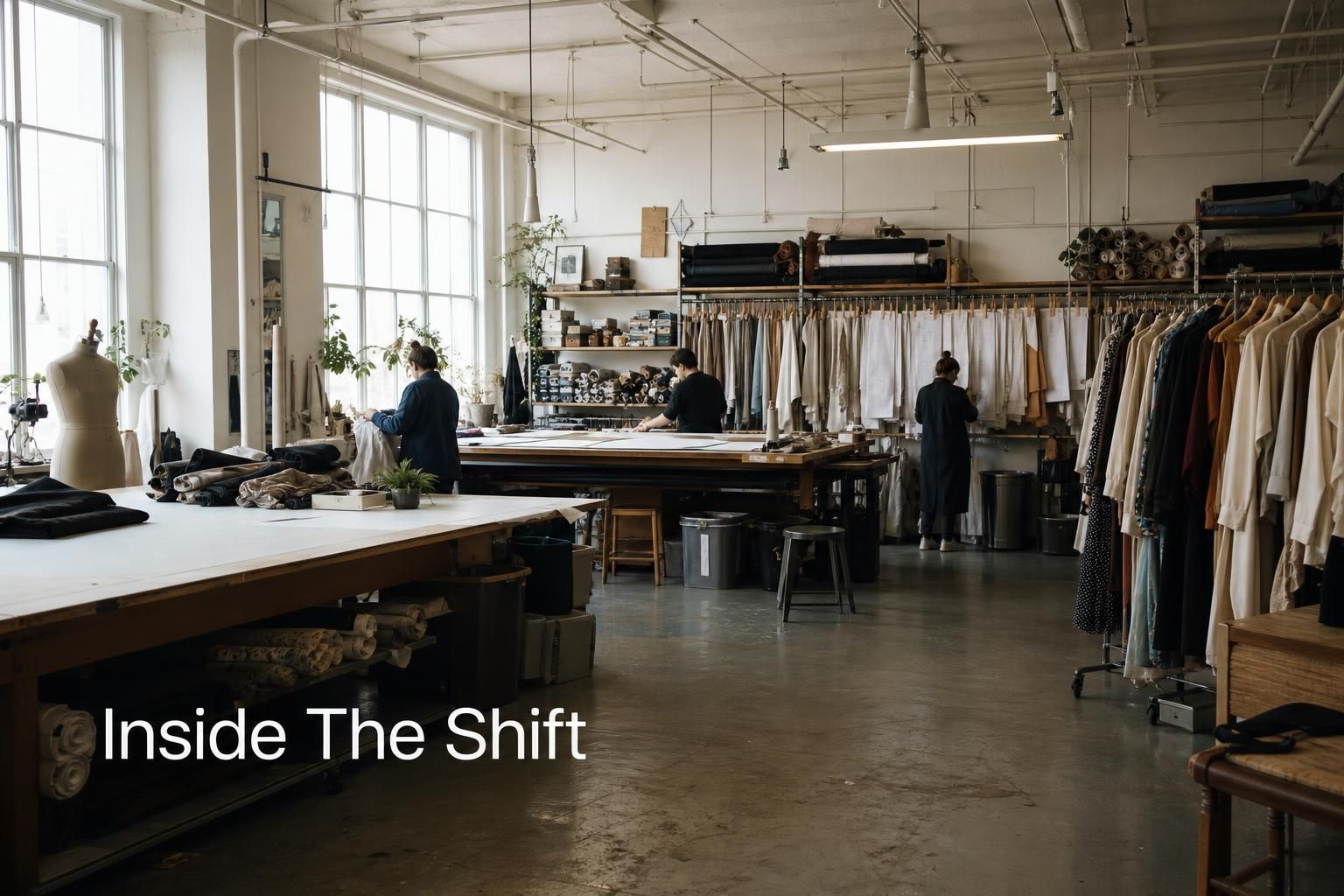
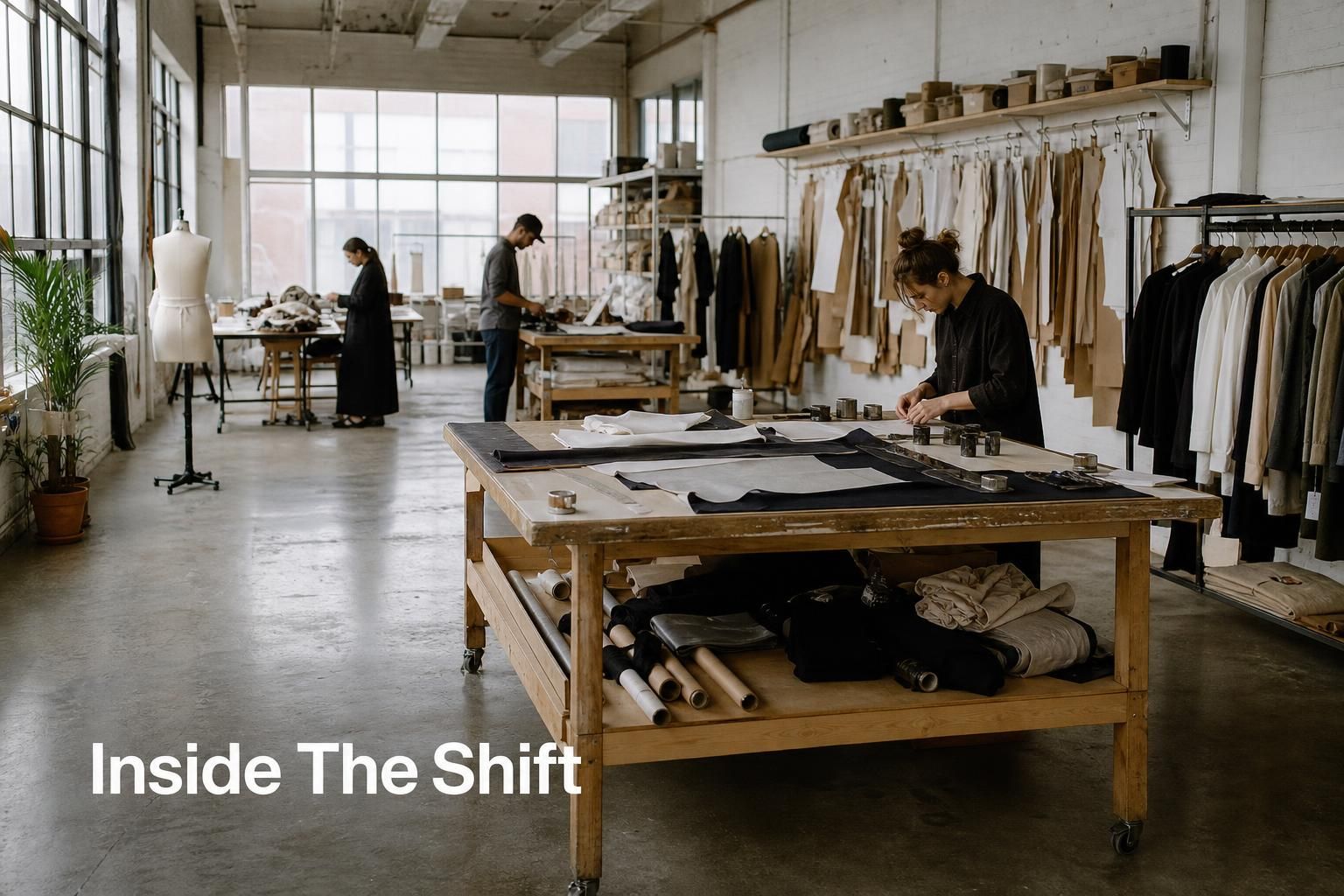
Made in London clothing matters because it connects the garment to a real design and production ecosystem. That usually means closer oversight, faster communication between pattern, sampling, and finishing, and a clearer relationship between brand values and the final piece.
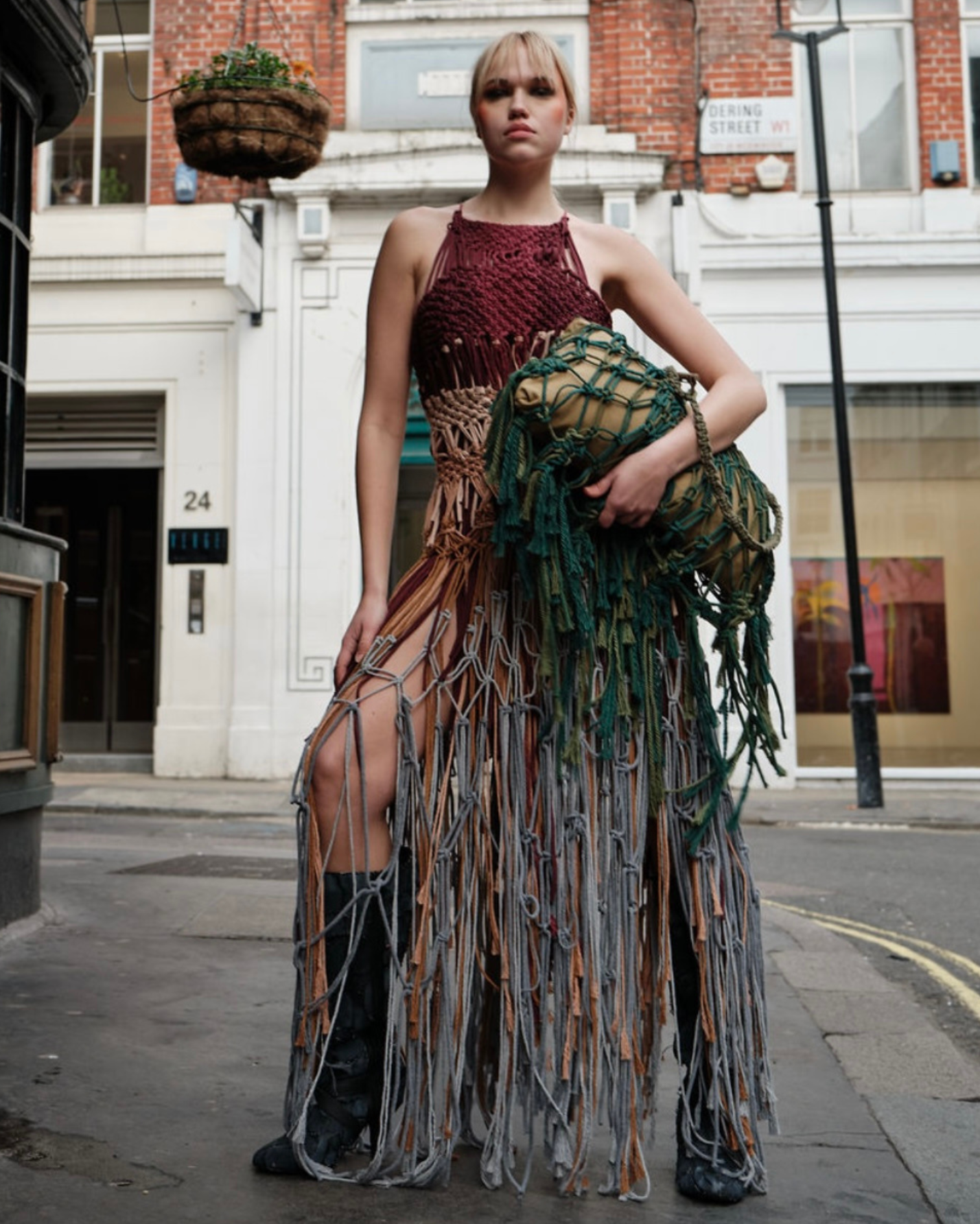
For buyers, made in London clothing can also feel more specific. London fashion has a strong identity. It often combines tailoring, experimentation, and cultural mix. As a result, the label carries more than geography. It suggests a point of view.
That matters in luxury fashion, where provenance helps shape trust. A garment made in London can feel more deliberate than a mass-market item with vague sourcing claims. It is not automatically better in every case, but it is easier to understand. That transparency is valuable, especially for shoppers who care about ethics, fit, and design integrity.
You can see this logic across independent British brands. For context, the Anatomy of 100% British Made article shows how much meaning can sit inside production origin. Likewise, London-based fashion coverage from Finisterre’s made in London feature shows how place can strengthen brand identity.
For Olivia Black, made in London clothing is also about fit and fluidity. London is a city of mixed references, so the garments can be shaped for movement, styling range, and expressive wear. That matters when the customer wants something that looks distinctive, but still feels practical.
What is made in London clothing?
Made in London clothing means garments designed, developed, or produced in London. In practice, the term can cover a range of workflows, from fully local making to partial local production.
The strongest versions of made in London clothing are the ones where design intent, sampling, and finishing stay close together. That usually improves consistency and makes the brand story easier to verify.
How Made in London Clothing Supports Small-Batch Production
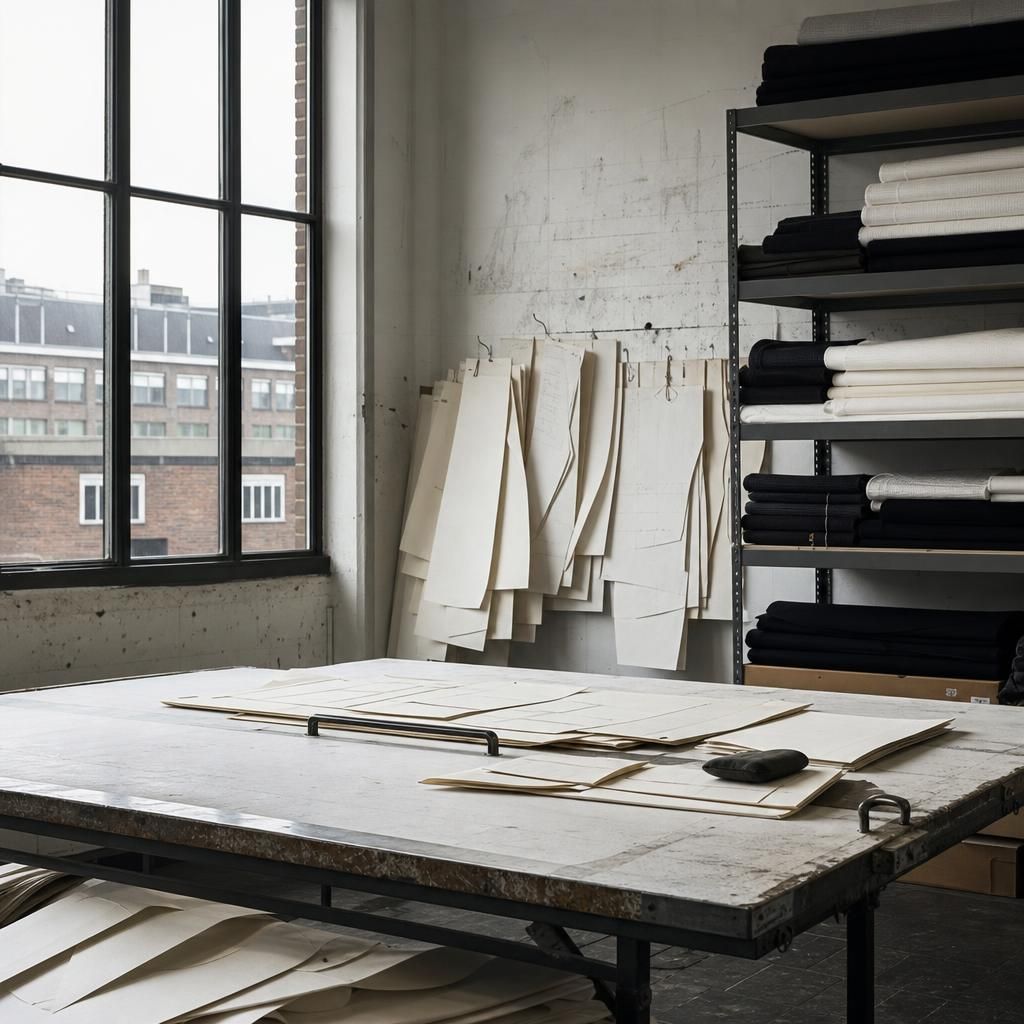
Made in London clothing is often tied to small-batch production because local manufacturing is better suited to limited runs than volume-driven fashion. That gives brands more control over quantity, fit refinement, and waste.
Small-batch production matters for a simple reason: it slows down decision-making in a useful way. Instead of building for constant replenishment, the brand can focus on pieces that earn their place. That usually creates better material choices, better shape decisions, and fewer weak styles in the line.
This approach also fits the way many shoppers now buy. People want clothes with a story, but they also want clothes that last. Made in London clothing can support that mindset because it often feels more deliberate than a large-scale seasonal release.
For Olivia Black, the small-batch model pairs naturally with luxury made-to-order or limited-run fashion. It also works well with deadstock denim and tailored pieces that need care in construction. If you want a closer look at the denim side of that approach, Deadstock Denim Jeans: Limited-Run Weaver Jeans explains why scarcity and quality often go together.
You can also explore the brand’s wider London context through Sustainable Clothing London, which shows how limited runs can reduce overproduction without losing style ambition.
London’s making culture is also shaped by sourcing. Fabric districts, suppliers, and specialist workshops all matter. For a visual look at that ecosystem, the street-level fabric world is well captured in the video below.
The practical upside is clear. Small-batch fashion gives the designer room to edit. It also gives the customer something rarer: a piece that feels chosen, not churned.
Why limited runs feel more luxurious
Limited runs feel more luxurious because they signal attention. A garment that is not endlessly repeated often feels more personal, and that sense of distinction can be more persuasive than logo-heavy branding.
In made in London clothing, luxury comes from restraint. The piece does not need to shout. It only needs to fit well, feel intentional, and hold its shape in a real wardrobe.
Designed for Gender-Fluid Expression in Made in London Clothing
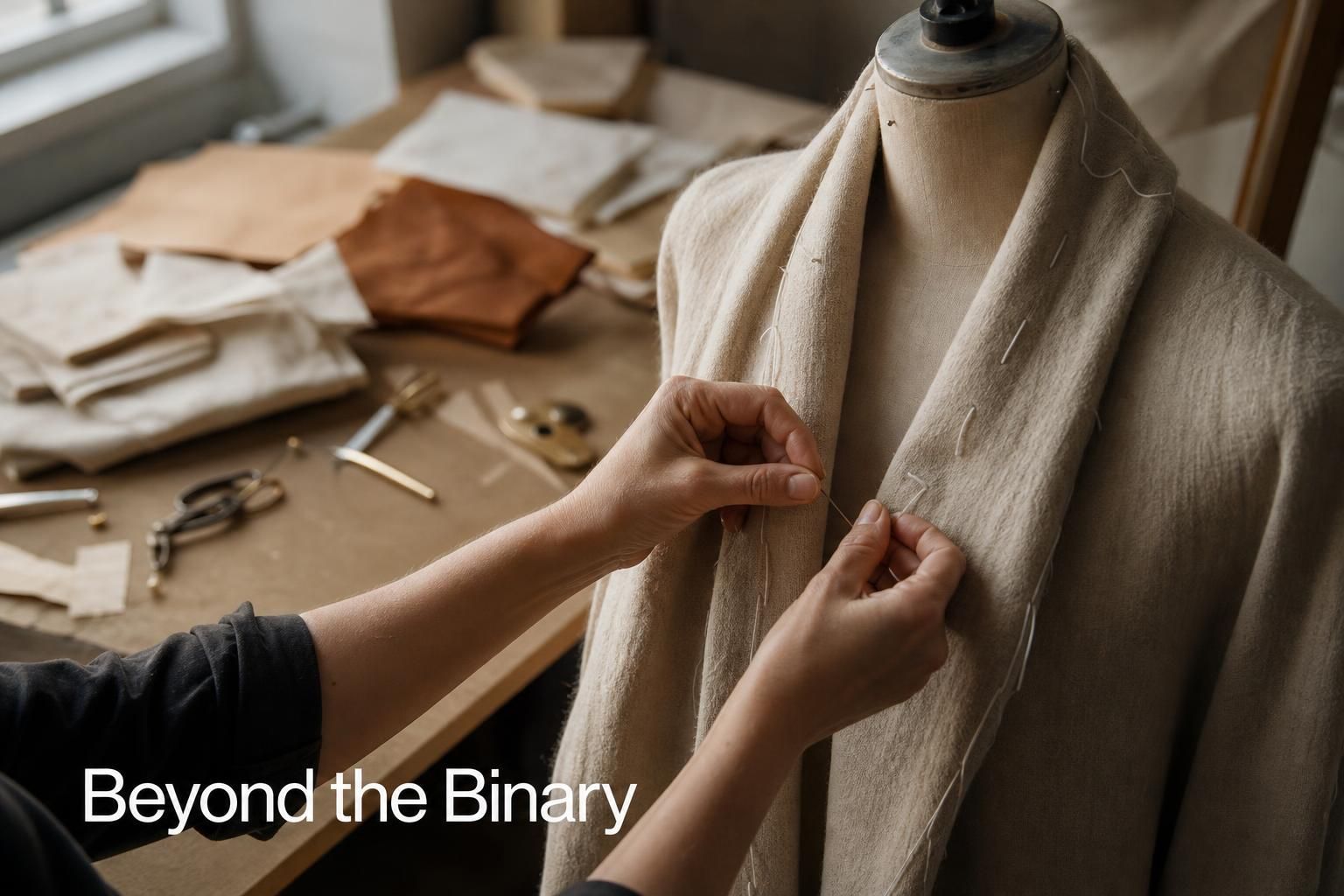
Made in London clothing is a strong fit for gender-fluid fashion because London design already leans toward contrast, experimentation, and self-expression. That makes it a natural home for garments that move beyond fixed categories.
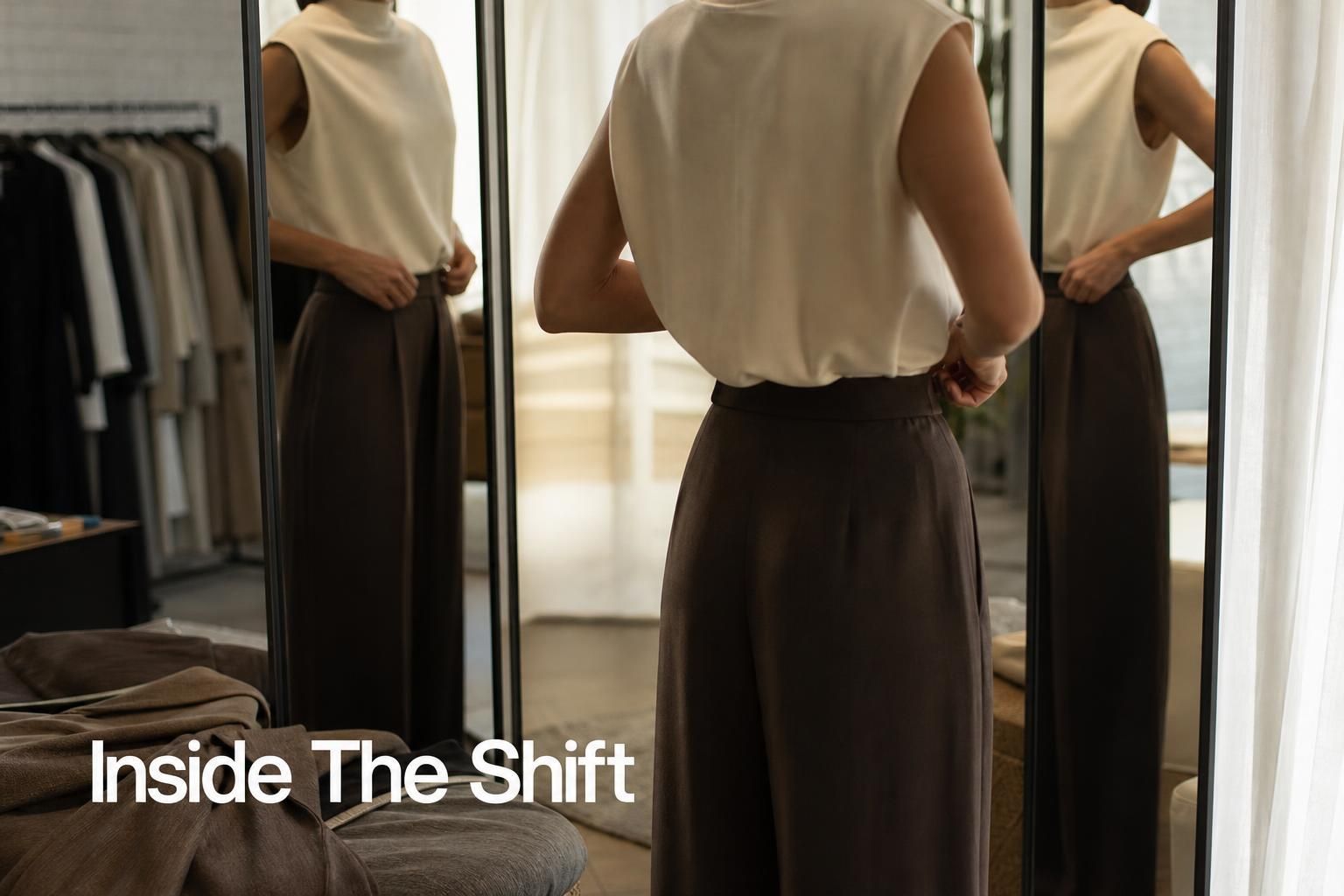
For many shoppers, gender-fluid clothing is not about dressing in one specific way. It is about choice. It is about silhouette, drape, texture, and attitude. Made in London clothing supports that because it can be cut with more flexibility and styled across different bodies and identities.
At Olivia Black, this is where the creative brief becomes personal. Pieces like the Weaver Denim Jacket, Weaver Jeans, and Feather Trouser show how made in London clothing can feel fluid without losing structure. That balance is important. It keeps the garments expressive, but still wearable.
If you want a wider guide to the category, Gender Fluid Clothing: Shop Sustainable Styles for Fluid Self-Expression explains how inclusive design works in practice. For styling ideas, How to Dress Genderfluid is useful because it focuses on shape, mood, and comfort rather than rules.
The best gender-fluid pieces do not force a binary reading. Instead, they leave room for the wearer to define the look. That is one reason made in London clothing feels so aligned with this audience. It allows the brand to build garments that are both precise and open-ended.
For a broader sense of London style language, this street-style survey is useful context.
In short, made in London clothing can be both expressive and grounded. That is exactly what many gender-fluid shoppers want.
How does gender-fluid design change the fit conversation?
Gender-fluid design changes the fit conversation by shifting the focus away from gendered defaults. Instead, the question becomes how the garment moves, where it sits, and what shape it creates.
In made in London clothing, that often leads to more adaptable silhouettes, clearer construction, and styling flexibility across different bodies.
Materials, Deadstock and Limited Runs in Made in London Clothing
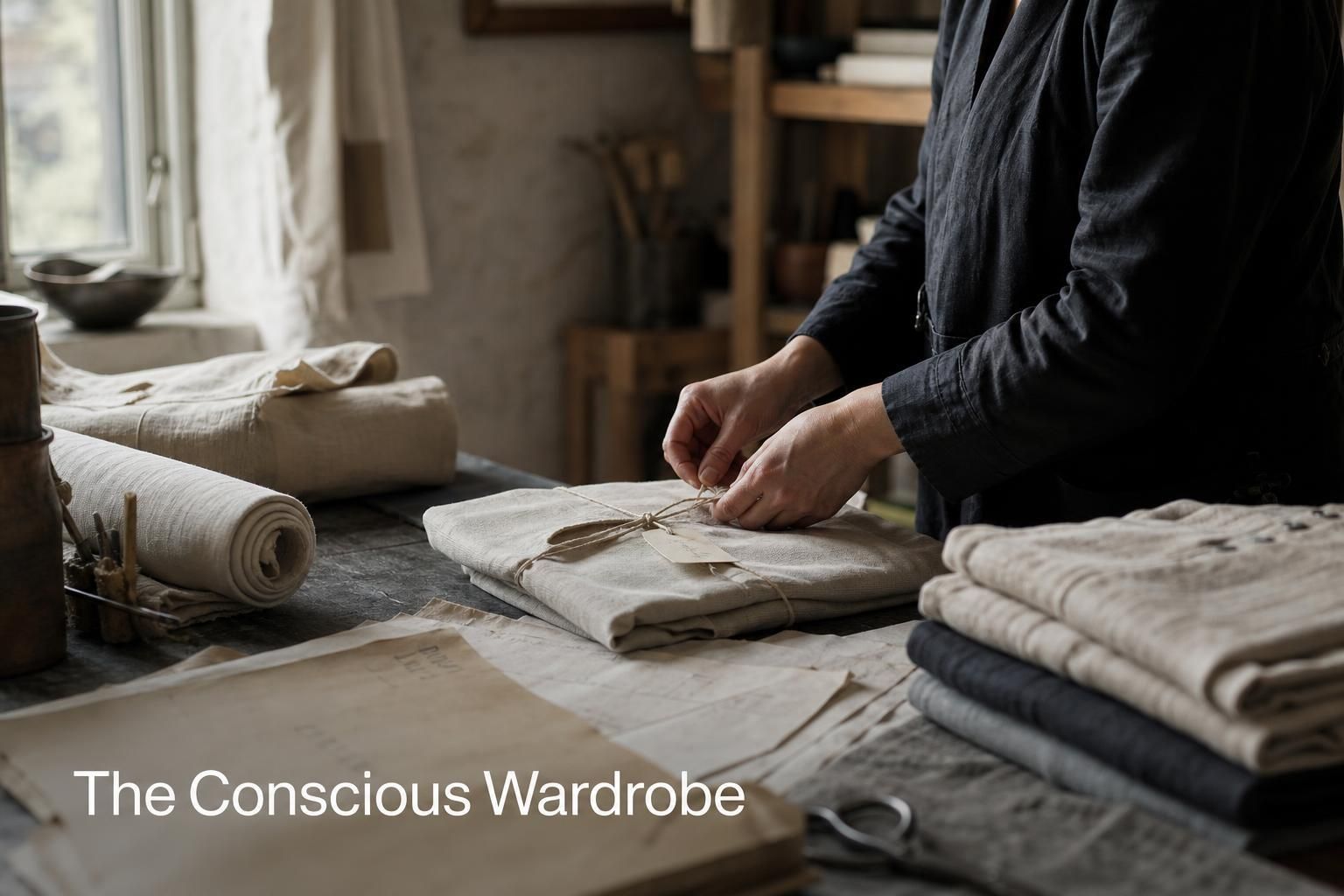
Made in London clothing becomes more compelling when the materials are chosen with the same care as the cut. Deadstock fabrics, especially, can give limited-run fashion a stronger sustainability story without sacrificing quality.
Deadstock means unused or surplus fabric that already exists in the supply chain. Using it helps avoid unnecessary new production. It also adds a natural limit to how many garments can be made, which suits small-batch fashion well.
That is one reason deadstock works so well for Olivia Black. The material choice supports scarcity, and scarcity supports design discipline. When fabric quantities are finite, every pattern decision matters more. The result is often sharper editing and less waste.
You can see that logic across related brand pages like Deadstock Fabric Clothing and A Sustainable Fashion Brand UK. Together, they show why materials and production scale should be discussed together.
This matters commercially too. Buyers in the luxury space often want exclusivity, but they also want reason. Deadstock gives both. It makes made in London clothing feel special because the piece is limited, and it feels responsible because the fabric choice avoids waste.
The material story also changes how the garment ages. A carefully chosen denim or dress fabric can drape better, break in more beautifully, and hold visual interest longer. That is especially valuable in made in London clothing, where the customer is often investing in a signature item.
In other words, fabric is not just a supply-chain detail. It is part of the brand language.
Why deadstock makes limited-run fashion smarter
Deadstock makes limited-run fashion smarter because it aligns the business model with the material reality. There is no need to force endless stock when the fabric itself is finite.
That creates a cleaner relationship between sustainability, exclusivity, and product design. It is one of the clearest reasons made in London clothing can stand apart.
Olivia Black Pieces Designed With a London Perspective
Made in London clothing should do more than state a location. It should translate the city into silhouette, attitude, and function. That is where Olivia Black’s collection feels most distinctive.
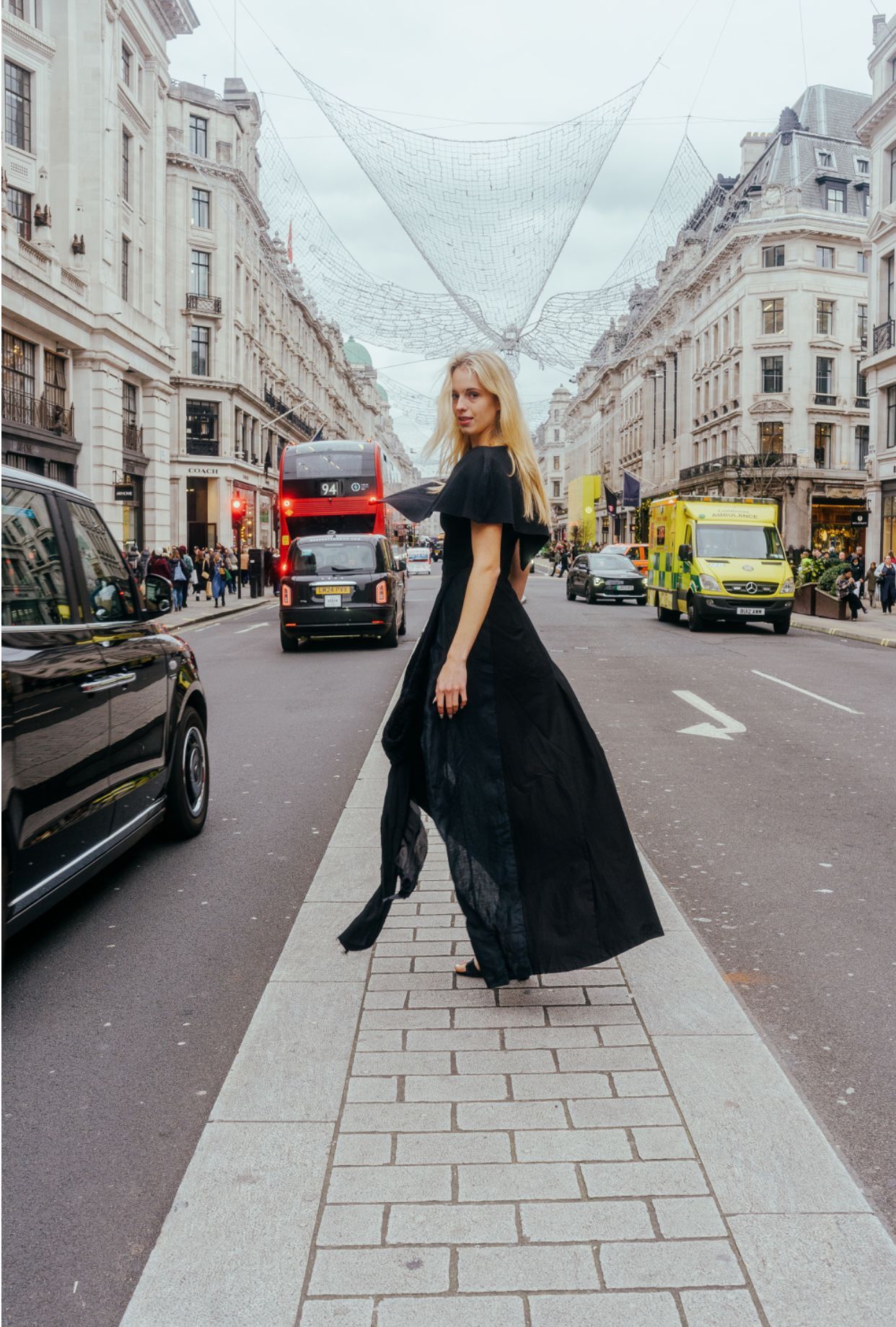
The brand’s London perspective shows up in strong shapes, fluid styling, and pieces that can move between formal and casual settings. The Maglen Dress is a good example of how a statement garment can feel polished without losing edge. Meanwhile, the brand’s rental offering, Designer Fashion Rentals, gives customers a lower-commitment route into occasionwear.
That rental model is important in commercial terms. It lets buyers experience made in London clothing for events, shoots, and special occasions without needing to buy every look outright. It also supports a more circular wardrobe.
For everyday wear, denim remains central. The Sustainable Denim Jacket page shows how outerwear can combine structure and utility. In the same way, Olivia Black’s wider site positions made in London clothing as wearable luxury, not costume.
If you want to understand the studio’s broader values, Olivia Black’s homepage and Ethical Fashion UK both reinforce the same idea: clothes should feel considered, inclusive, and long-lasting.
So, what makes these garments London-coded? It is the mix of sharp editing, modern silhouette, and cultural openness. That is the point of made in London clothing at its best. It does not copy the city. It distills it.
How to evaluate a made in London clothing brand
Look for clear provenance, limited runs, and a believable design story. Good made in London clothing should explain where and how it is made, not hide behind vague branding.
Also look for coherence. If the fabrics, fit, and styling all support the same point of view, the brand is likely doing the work properly.
FAQs About Made in London Clothing
These are the most common questions shoppers ask when they compare made in London clothing with other fashion options. The short answers below are designed to be direct and useful.
1. What brand is made in London?
Made in London clothing can refer to several brands and manufacturers, including local fashion labels and production studios. In the luxury and sustainable space, Olivia Black stands out for combining made in London clothing with deadstock materials, limited runs, and gender-fluid design.
2. What clothing brands are made in London?
There are many clothing brands made in London, from tailoring houses to independent fashion studios. The strongest ones usually share a few traits: clear provenance, thoughtful construction, and a design identity that feels distinct rather than generic.
3. What are the top 10 clothing brands in the UK?
There is no single official top 10, because that depends on the criteria. Some shoppers rank by scale, others by craftsmanship, sustainability, or cultural influence. If you care about made in London clothing, focus less on rankings and more on transparency, fit, materials, and whether the brand’s values match your own.
4. What is the best clothing store in London?
The best clothing store in London depends on what you want to buy. For shoppers seeking made in London clothing with a sustainable and gender-fluid perspective, the best choice is usually the one that offers clear provenance, strong design, and a garment you will wear often.
5. Why is made in London clothing worth paying attention to?
It is worth paying attention to because it often combines local design culture with stronger product control. That can mean better editing, more limited availability, and a more distinctive wardrobe piece.
Key Takeaways
- Made in London clothing is valuable because provenance can signal design control, transparency, and stronger brand identity.
- Small-batch production and deadstock materials make made in London clothing more sustainable and more exclusive.
- Gender-fluid design fits naturally with London’s experimental style culture and supports more flexible silhouettes.
- Olivia Black uses made in London clothing to connect luxury, inclusivity, and limited-run fashion in a cohesive way.
- Shoppers should judge made in London clothing by fit, material quality, clarity of origin, and the brand’s overall point of view.
Frequently Asked Questions
What brand is made in London?
Made in London clothing can describe several local labels, but the phrase matters most when the brand is transparent about production and design. Olivia Black is a strong example because it pairs made in London clothing with sustainable materials, limited runs, and gender-fluid luxury fashion.
What clothing brands are made in London?
Many clothing brands are made in London, from independent studios to tailoring-led labels. The best examples usually share clear provenance, careful construction, and a design point of view that feels tied to the city rather than just using its name.
What is the best clothing store in London?
The best clothing store in London depends on your style goals. If you want made in London clothing with a sustainable, inclusive, and fashion-forward feel, look for stores and studios that offer limited runs, strong materials, and honest product detail.