Deadstock Fabric Clothing: Why Limited-Run Fashion Reduces Waste

Olivia Black • August 13, 2026

Share this article

Quick Answer

Deadstock fabric clothing is made from existing leftover fabric, so it gives unused material a new life instead of starting fresh production. It can reduce waste, support limited-run fashion, and create distinctive garments, but buyers should still check fibre quality, garment construction, and sourcing transparency before they buy.

Deadstock fabric clothing turns leftover cloth into finished garments, which is why it matters to people who want style with less waste. Instead of treating surplus fabric as an afterthought, brands can use it for limited-run pieces that feel distinctive, purposeful, and more thoughtful than mass-produced fashion. At Olivia Black, that idea connects directly to gender-fluid design, small-batch making, and clothing that feels expressive without being disposable. If you want to understand how that works in practice, start with the brand’s approach to low-waste fashion on the Deadstock Clothing UK page and then explore how deadstock fabric clothing becomes real denim, dresses, and tailoring. The key point is simple: deadstock fabric clothing is not just a material choice. It is a design decision, a sourcing decision, and a better way to think about what clothes are for.

What Is Deadstock Fabric?

Deadstock fabric is existing fabric that was never used for its original purpose. In simple terms, deadstock fabric clothing is made from material that already exists, rather than fabric woven or dyed for that specific new garment.

This can include mill ends, surplus rolls, cancelled orders, or leftover cloth from larger production runs. The important thing is that the fabric is not newly created to meet the clothing brand’s order. That is why deadstock fabric clothing often feels more limited, more varied, and more interesting than standard seasonal production.

The term can be confusing because different suppliers use it differently. Some deadstock is pristine. Some is discontinued. Some is over-order from luxury mills. Therefore, the best buyers ask where the fabric came from, what fibre it contains, and whether there are any flaws or limitations. That is also why transparent brands matter.

For a broader look at the category, FabricSight’s overview of deadstock fabrics explains why these materials are often one-of-a-kind and why their availability can change quickly. That unpredictability is part of the appeal, especially in deadstock fabric clothing where the fabric itself shapes the final design.

At Olivia Black, that logic supports limited-run fashion rather than endless repeats. A piece like the Weaver Jeans works because the denim was chosen for its character, not because it could be endlessly reordered. As a result, deadstock fabric clothing becomes less about trend churn and more about making considered garments from what already exists.

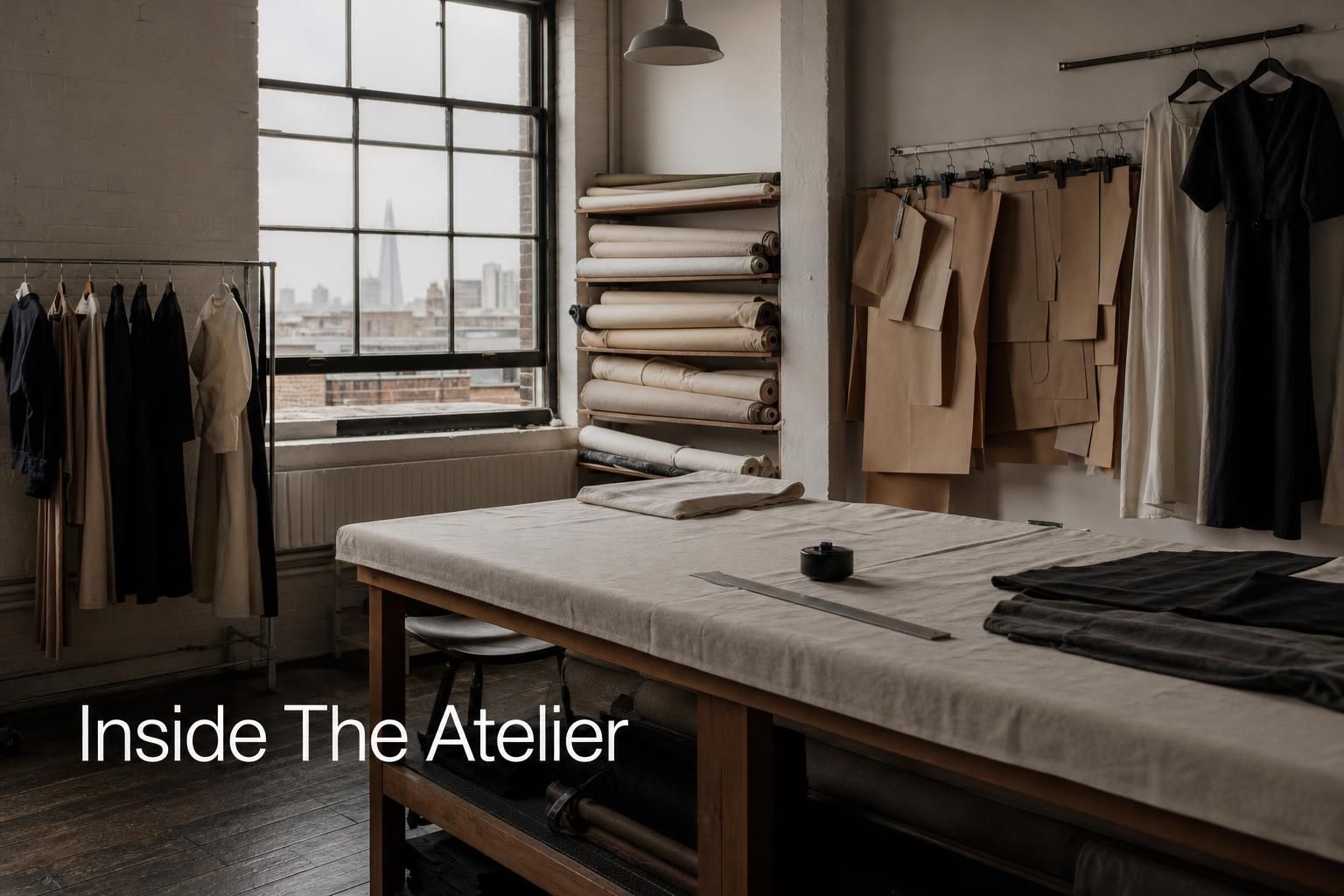
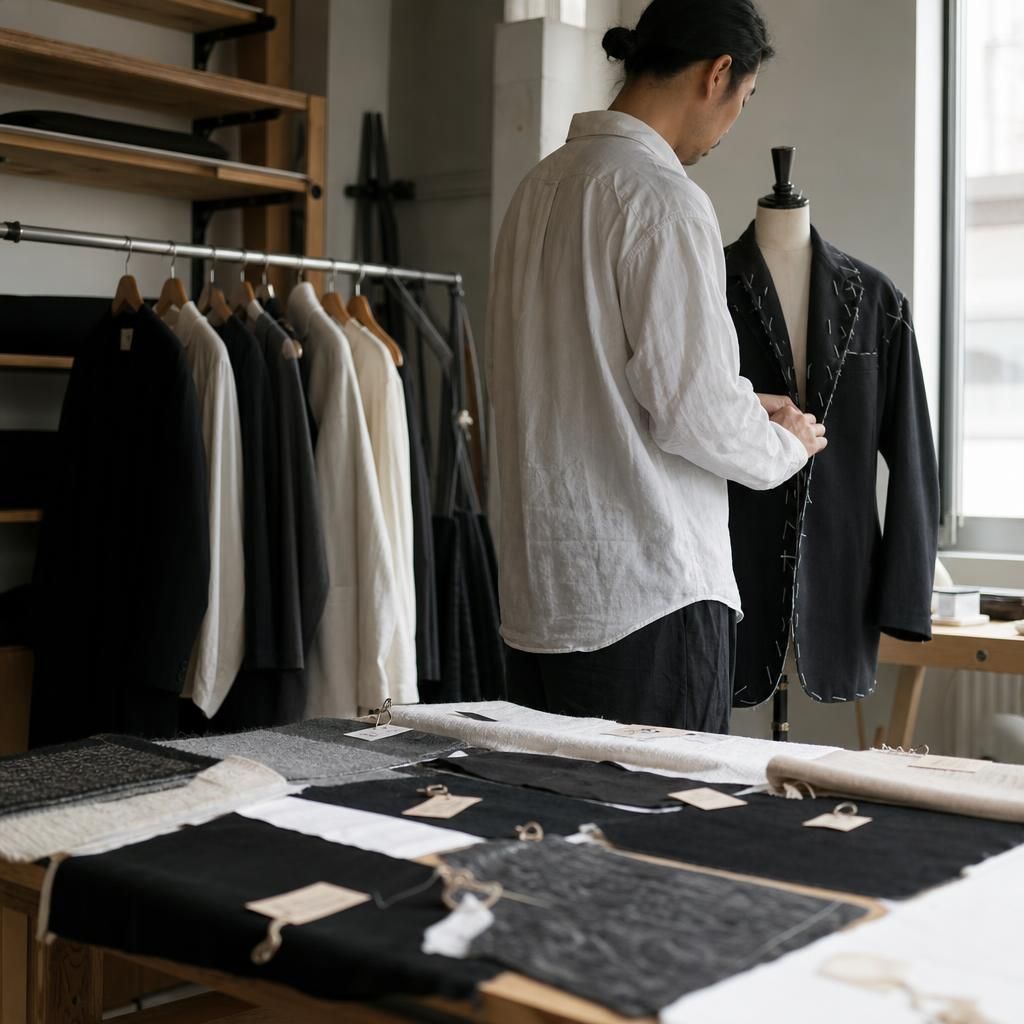
Designer studio with labeled deadstock fabric swatches 

How does deadstock fabric differ from regular fabric?

Regular fabric is usually produced for a planned commercial order. Deadstock fabric already exists before a designer claims it. That difference matters because deadstock fabric clothing avoids creating demand for new yardage in the same way.

Why Brands Use Deadstock Fabric Clothing

Brands use deadstock fabric clothing because it allows them to make distinctive garments while using available resources more responsibly. It is also a practical way to build limited-run collections without committing to large minimum orders.

This matters especially for independent labels. Smaller brands often want flexibility, not excess. Deadstock fabric clothing lets a designer respond to fabric availability, texture, and colour rather than forcing a design system around mass production. That can lead to more characterful garments and fewer unsold leftovers.

There is also a creative advantage. Deadstock fabric clothing often comes in unusual weaves, luxury fibres, or discontinued finishes that are hard to find again. That means the resulting clothes can feel more personal. They are not meant to be everywhere. They are meant to be worn well.

For Olivia Black, this approach supports gender-fluid clothing that avoids rigid uniformity. A tailored silhouette can feel elegant on many bodies, while the fabric choice keeps the piece expressive. The About Olivia Black page explains the studio’s independent approach, and the Sustainable Fashion UK page shows how limited-run production sits at the core of that model.

You can also see how this thinking shapes product design on the Weaver Denim Jacket page. In deadstock fabric clothing, the garment is not just built from fabric. It is built around the fabric’s existing story. That is why the process can feel more honest than conventional fashion development.

For shoppers, the takeaway is straightforward. Deadstock fabric clothing gives brands a way to produce with care, preserve originality, and avoid the false promise that every good design needs endless replication.

Why is limited availability part of the appeal?

Limited availability makes deadstock fabric clothing feel more considered. When fabric cannot be reordered easily, the garment becomes a defined edition rather than a repeatable commodity.

Is Deadstock Fabric Clothing Sustainable?

Deadstock fabric clothing can be more sustainable than making new fabric, but it is not automatically sustainable in every case. The benefit comes from using existing material that might otherwise remain unused.

That said, sustainability depends on the full picture. A garment can use deadstock fabric and still have weak construction, wasteful packaging, or poor labour practices. Therefore, buyers should look beyond the fabric label and ask how the garment is made, where it is made, and how long it is designed to last.

This is where deadstock fabric clothing differs from vague green marketing. The material choice is real, but it is only one part of the story. Good design extends the life of the fabric through durable seams, thoughtful fits, and styles people actually keep wearing. For many shoppers, that is more meaningful than vague eco language.

For a balanced view of the debate, SANVT’s discussion of deadstock and why it can still be a problem is useful because it shows that deadstock is not a magic fix. Likewise, FabCycle’s video on fashion’s leftover fabric is helpful for understanding how surplus fabric enters the supply chain in the first place.

For Olivia Black, deadstock fabric clothing works best when it supports small runs, lower waste, and garments meant to last. The brand’s Ethical Fashion UK page and the product pages together make that standard visible. In other words, sustainability is not claimed by the fabric alone. It is proven through the whole garment.

That is the most useful way to think about it. Deadstock fabric clothing is a strong sustainability tool, but only when design, sourcing, and longevity all line up.

What should a sustainable deadstock garment prove?

It should prove that the fabric was genuinely repurposed, the garment is well made, and the design encourages repeated wear. Without those three things, deadstock fabric clothing loses much of its sustainability value.

The Benefits of Deadstock Fabric Clothing

Deadstock fabric clothing offers several clear benefits for both brands and buyers. The strongest one is waste reduction, because the garment uses material that already exists.

Another benefit is individuality. Since deadstock fabric often comes in limited quantities, the final pieces naturally feel less uniform. That suits shoppers who want clothes with personality. It also suits gender-fluid wardrobes, where shape, drape, and texture often matter more than category labels.

There is also a business benefit. Limited-run collections reduce pressure to overproduce. They help brands test ideas with lower risk and avoid large leftover stock. That makes deadstock fabric clothing attractive to independent labels that value agility and craftsmanship.

For buyers, the appeal is equally practical. Deadstock garments often feel special because they are not endlessly restocked. When you buy a piece like the Maglen Dress or a tailored item built from deadstock, you are choosing something more specific than a standard high-street repeat.

Two other benefits matter too. First, deadstock fabric clothing can encourage better fabric selection, because designers must work with what is available. Second, it can support more mindful shopping, because limited-run fashion tends to slow impulse buying. That slower pace often leads to better wardrobe decisions.

For a wider context on brands using leftover materials, My Green Closet’s list of deadstock and zero-waste fashion brands gives a useful overview of the category. However, Olivia Black’s focus is not just deadstock fabric clothing as a concept. It is deadstock fabric clothing as a wearable, gender-fluid design language.

Why do limited runs often feel more valuable?

Limited runs feel more valuable because they are specific. Deadstock fabric clothing does not promise endless replacement, so the piece often carries more meaning and better perceived care.

What Are the Limitations of Deadstock Fabric Clothing?

Deadstock fabric clothing has limits, and shoppers should know them before they buy. The biggest limitation is availability. Once a fabric is gone, it is usually gone for good.

That scarcity can be exciting, but it also means consistency is harder. A brand may not be able to restock the exact same colour, weight, or texture. Therefore, if you fall in love with a piece, it makes sense to act sooner rather than later.

Another limitation is quality variation. Deadstock fabric clothing can be excellent, but not every surplus fabric is equal. Some fabrics may have been stored for years. Others may have minor flaws. Responsible brands test what they can and cut carefully around imperfections.

There is also a transparency issue. Not every seller clearly explains whether a fabric is true deadstock, overstock, or newly produced fabric marketed as deadstock. That is why buyers should ask questions. Where did it come from? What is the fibre content? Is there any compromise in hand-feel or durability?

If you want a practical buying checklist, the Sustainable Clothing London page is useful because it shows how low-waste fashion can still be functional, stylish, and well made. In deadstock fabric clothing, the right questions protect the purchase.

The limitations do not cancel the benefits. Instead, they explain why deadstock fabric clothing works best when design teams are honest, selective, and skilled. Limited-run fashion is strongest when it respects the fabric’s constraints instead of pretending they do not exist.

Are there risks in buying deadstock fabric clothing?

Yes. The main risks are inconsistent quality, unclear sourcing, and limited restock options. Good deadstock fabric clothing brands reduce those risks by explaining fabric origin and garment construction clearly.

How Olivia Black Uses Deadstock Fabric Clothing

Olivia Black uses deadstock fabric clothing as part of a broader design approach built around inclusivity, limited-run production, and distinctive construction. The point is not to chase a trend. It is to make garments that feel intentional from the first cut.

That begins with sourcing. The studio looks for fabrics that suit the design, not the other way around. As a result, deadstock fabric clothing becomes a collaboration between material and silhouette. This is especially useful in gender-fluid fashion, where fit must be flexible enough to work across different bodies and style preferences.

The brand’s Gender Fluid Fashion page shows how that design philosophy connects with expression and wearability. Meanwhile, the Gender Neutral Clothing page explores how clothing can move beyond fixed categories without losing craft or elegance.

In practice, this means Olivia Black can use deadstock fabric clothing to create garments with a clear point of view. A structured denim piece may feel polished and androgynous. A dress may feel fluid without being overly delicate. A trouser can balance movement and shape. Each piece is designed to be lived in, not just photographed.

That balance is important for trust. Many brands use sustainability language loosely. Olivia Black’s value proposition is stronger because it ties deadstock fabric clothing to visible product pages, limited availability, and a coherent studio identity.

For shoppers, the result is easy to understand. You are not just buying fabric rescue. You are buying a designed garment with an editorial sensibility and a smaller footprint. That is a better standard for deadstock fabric clothing, and it is one the brand makes tangible through its denim and statement pieces.

Why does design matter as much as sourcing?

Because deadstock fabric clothing only works well when the design respects the fabric’s limits. Good design turns surplus material into a garment people genuinely want to keep wearing.

Deadstock Fabric Clothing in Denim, Dresses and Tailoring

Deadstock fabric clothing is especially compelling when it becomes denim, dresses, and tailored separates. These categories show whether a brand can turn a sustainability story into a real wardrobe piece.

Denim is a strong example because it benefits from structure, durability, and clear pattern cutting. The Weaver Jeans and Weaver Denim Jacket show how deadstock fabric clothing can still feel sharp, modern, and versatile. Denim also works well for limited runs because small changes in texture and wash can create a distinct look.

Dresses offer a different opportunity. They can showcase drape, movement, and ease. A piece like the Maglen Dress demonstrates how deadstock fabric clothing can feel elevated rather than compromised. The right fabric gives the garment presence.

Tailoring matters too. A trouser such as the Feather Trouser can benefit from deadstock fabric clothing because the fabric choice directly affects fall, shape, and comfort. In tailored clothing, material quality is not optional. It is the whole point.

For buyers, this is where deadstock fabric clothing becomes real. It is not an abstract sustainability idea. It is a jacket you wear repeatedly, a dress that moves well, or trousers that hold their shape. When those pieces are made with care, the sustainability story becomes easier to trust.

If you want the best result, choose garments where the fabric, cut, and finishing work together. That is the difference between deadstock as a slogan and deadstock fabric clothing as a genuinely desirable wardrobe strategy.

What makes deadstock denim especially practical?

Deadstock denim is durable, versatile, and visually distinctive. That makes deadstock fabric clothing in denim a strong option for people who want pieces that can be worn often.

How to Care for Deadstock Fabric Clothing

Deadstock fabric clothing lasts longer when you care for it gently and consistently. The right care routine protects the fabric, preserves shape, and keeps the garment looking intentional.

Start with the care label. That sounds obvious, but deadstock fabric clothing can vary more than standard production garments because fibres and finishes differ. If a garment needs cool washing, hand washing, or dry cleaning, follow that guidance exactly.

In general, wash less often. Airing a garment between wears often removes the need for a full wash. When you do wash, use a gentle detergent and avoid aggressive heat. Excess heat can distort natural fibres and damage finishes.

Drying matters too. Flat drying or hanging carefully helps keep shape. For tailoring, use a proper hanger. For denim, avoid over-washing unless needed. For dresses and softer garments, store them away from direct sunlight to protect colour.

Repairs also matter. A small seam issue or loose hem should not end a garment’s life. In fact, one of the best arguments for deadstock fabric clothing is that it should be worth repairing. That mindset fits limited-run fashion perfectly.

If you are building a wardrobe around Olivia Black pieces, the most useful habit is simple. Buy what you will wear, care for it properly, and keep it in rotation. That is how deadstock fabric clothing stays sustainable after the sale, not just before it.

How can you make deadstock garments last longer?

Wash them less, store them correctly, and repair them early. Deadstock fabric clothing lasts longer when the fabric is treated like a finished investment, not a disposable trend.

Where Can I Buy Deadstock Fabrics or Finished Deadstock Fabric Clothing?

You can buy deadstock fabrics from specialist fabric stores, and you can buy deadstock fabric clothing from brands that disclose their sourcing clearly. The best option depends on whether you want to sew your own piece or buy a finished garment.

If you are shopping fabrics, look for sellers that describe fibre content, condition, and origin honestly. If you are shopping garments, look for brands that explain why the fabric was chosen and how the piece was made. That transparency matters more than buzzwords.

For finished clothing, Olivia Black is a strong example of how deadstock fabric clothing can be presented with context rather than hype. The brand links sourcing, design, and identity through its product pages and editorial pages. That helps buyers understand what they are getting.

For a broader view of the market, Fabric Godmother’s deadstock dressmaking fabrics offers a useful look at the fabric side of the category. Meanwhile, brands featured in My Green Closet’s deadstock and zero-waste fashion roundup show how widely the concept is used.

The best advice is to compare like with like. If you want deadstock fabric clothing, do not just ask whether the fabric is leftover. Ask whether the garment is thoughtfully designed, ethically made, and worth keeping for years. That is the standard that matters.

Is deadstock fabric expensive?

It can be. Deadstock fabric clothing may cost more than basic mass-market clothes because the fabric can be rare, the runs are smaller, and the construction is often more considered.

Key Takeaways

  • Deadstock fabric clothing uses existing leftover fabric, which can reduce waste and support limited-run design.
  • It is not automatically sustainable; sourcing, construction, and garment longevity still matter.
  • Limited availability is both a benefit and a limitation, so shoppers should buy thoughtfully and check transparency.
  • Olivia Black uses deadstock fabric clothing to create gender-fluid, expressive pieces with clear product-level examples.
  • Good care and repair extend the life of deadstock garments and protect the value of the fabric.

Frequently Asked Questions

Where can I buy deadstock fabrics?

You can buy deadstock fabrics from specialist fabric retailers, reclaimed textile suppliers, and some designer fabric shops. The safest approach is to check fibre content, condition, and origin before you buy, because deadstock fabric clothing and deadstock yardage can vary widely in quality.

What is a deadstock fabric?

A deadstock fabric is leftover, surplus, or unused fabric that already exists before a new garment is made. In deadstock fabric clothing, that material is repurposed into finished pieces instead of being sent into another production cycle.

Is deadstock fabric expensive?

It can be more expensive than basic mainstream fabric. Deadstock fabric clothing often uses limited quantities, unusual fibres, or premium mill leftovers, so the price can reflect scarcity and quality rather than bulk production.

Are there risks in buying deadstock fabric fabric clothing?

Yes, there are risks if sourcing is unclear. The main concerns are inconsistent quality, limited restock options, and labels that use the word deadstock loosely, so buyers should look for transparency, garment construction details, and clear care guidance.

Recent Posts

Sustainable Denim in the UK: Limited-Run Jeans and Jackets by Olivia Black
By Olivia Black September 1, 2026
Sustainable denim UK is no longer just about recycled yarns or a greener label. It is about making jeans and jackets that feel considered, last well, and reflect how people really dress today. For Olivia Black, that means limited-run denim, gender-fluid shape, and carefully chosen materials that reduce waste before a garment even reaches your wardrobe. If you want denim with a stronger point of view, start with the brand’s Weaver Jeans and explore the wider studio approach on Olivia Black’s…
Luxury Sustainable Fashion: Why Craft, Materials and Limited Runs Matter
By Olivia Black August 31, 2026
Luxury sustainable fashion is not a contradiction when the garment is made with restraint, skill, and intention. The strongest pieces feel special because they are built carefully, not because they were produced in excess. That is why luxury sustainable fashion now matters to shoppers who want beauty, longevity, and clearer ethics in the same wardrobe. It asks a better question than trend-driven fashion: what should deserve to exist at all? For Olivia Black, the answer begins with limited-run…
Limited-Run Clothing: Why Small-Batch Fashion Feels More Personal
By Olivia Black August 30, 2026
Limited run clothing sits at the point where sustainability and style meet. It is clothing made in smaller, intentional quantities, so the design feels more considered and the product feels more human. That matters for shoppers who want pieces with identity, not just inventory. It also matters for brands that work with deadstock fabrics, local production, and sharper design decisions. In other words, limited run clothing is not only about scarcity. It is about making fashion feel deliberate…
Gender Neutral Jeans: How to Choose Denim That Fits Your Style
By Olivia Black August 29, 2026
Gender neutral jeans give you more freedom than a standard men’s or women’s label ever could. They are about silhouette, comfort, and self-expression, not rules. For Olivia Black, that means denim with a fluid fit, designer edge, and responsible construction that still feels easy to wear every day. If you are shopping for a pair that works with your wardrobe rather than against it, start with shape, rise, and how the jeans move on the body. The Weaver Jeans were made for exactly that kind of…
By Olivia Black August 28, 2026
Finding gender neutral clothing brands uk is less about chasing a trend and more about finding clothes that let you move, layer, and express yourself without fixed rules. The strongest brands usually care about fit, fabric, and freedom of styling as much as they care about aesthetics. That matters if you want clothes that work for everyday wear, nights out, or a wardrobe that feels more like you. In the UK, the best shopping decisions often come down to practical details. Does the brand show…
Designer Clothing Rental UK: Rent Statement Fashion from Olivia Black
By Olivia Black August 27, 2026
designer clothing rental UK is no longer just about borrowing an outfit for one night. It is about choosing fashion with intention, wearing something expressive, and avoiding the waste that often comes with fast turnover wardrobes. Olivia Black offers a more curated option: sustainable, gender-fluid pieces designed for impact, including the Ava Dress 7 day rental for events, editorial styling, and standout moments. Unlike broad marketplaces that focus on volume, Olivia Black focuses on…
Gender Fluid Fashion Brands: What to Look for Before You Buy
By Olivia Black August 26, 2026
Gender fluid fashion brands are not just about skipping labels. They are about designing clothes that let you move between moods, shapes, and identities without compromise. That means better fit, clearer size guidance, and garments that work across different ways of dressing. For many shoppers, the real question is not which brand is loudest online, but which one actually respects the body and the wardrobe it is dressing. If you want a practical starting point, explore gender fluid clothing by…
By Olivia Black August 25, 2026
Deadstock denim jeans are made from fabric that already exists, which gives them a very different feel from standard seasonal denim drops. The result is limited-run denim with character, lower material waste, and a more intentional buying experience. For style-conscious shoppers, that matters. It means deadstock denim jeans can support both design expression and a lighter footprint, without losing the utility people want from great jeans. At Olivia Black, that idea sits naturally beside pieces…
By Olivia Black August 24, 2026
A sustainable denim jacket should do more than look good for a weekend. It should earn its place in your wardrobe through material choice, strong construction, and styling range. That is why the sustainable denim jacket matters so much in modern fashion: it sits at the point where craft, responsibility, and everyday wear meet. For Olivia Black, the goal is not just lower-impact fabric. It is a jacket that supports expressive dressing, including gender-fluid styling, while still feeling refined…
Sustainable Dresses UK: Limited-Run Dresses Made for Expressive Dressing
By Olivia Black August 23, 2026
Sustainable dresses UK shoppers are increasingly looking for more than a soft label. They want pieces that feel distinctive, last longer, and reflect who they are. That is where Olivia Black stands apart. The brand’s Maglen and Ava dresses are built as limited-run, expressive alternatives to mass-produced occasionwear, with a focus on deadstock fabrics, thoughtful construction, and inclusive styling. If you want sustainable dresses UK buyers can wear for events, nights out, and elevated…
Show More