Deadstock Clothing UK: What It Means and Why Olivia Black Uses Limited-Run Fabrics

Olivia Black • August 7, 2026

Share this article

Quick Answer

Deadstock clothing UK refers to garments or fabrics made from surplus, unused material that would otherwise sit idle. It can create limited-run designer pieces, but it is not automatically sustainable. The real value comes from careful sourcing, smaller production, transparent design choices, and long-wearing clothes that reduce waste.

Deadstock clothing UK is one of the most misunderstood phrases in sustainable fashion. It often gets used as shorthand for eco-friendly style, but the truth is more nuanced. Deadstock can mean surplus fabric, unused mill offcuts, or leftover materials from prior production runs. That makes it valuable, but not automatically sustainable. The difference matters, especially if you care about how clothes are made, how many are made, and whether a piece will still feel relevant next season.

At Olivia Black, deadstock fabrics help create limited-run designer apparel with more character and less waste. That approach suits a brand built around expressive silhouettes, gender-fluid dressing, and thoughtful production. It also means every cut of fabric has to earn its place. If you want to see the wider brand ethos behind that approach, you can start with Olivia Black’s sustainable clothing story or explore the main studio site at Olivia Black London. In this article, we’ll explain what deadstock fabric is, why it matters, where its limits are, and how deadstock clothing UK works in real designer practice rather than marketing fluff.

What Is Deadstock Clothing UK?

Deadstock clothing UK is clothing made from surplus fabric, unused stock, or leftover materials that were never used in their original intended production. In simple terms, it gives existing material a new life instead of letting it sit in storage or go to waste.

This is not the same as vintage, second-hand, or replica clothing. Deadstock is usually new material that has already been produced, but not fully used. That distinction matters because deadstock clothing UK sits between waste prevention and new design. It can support smaller batches, sharper pattern cutting, and more distinctive garments.

For shoppers, the appeal is clear. Deadstock clothing UK often feels rare, because the fabric supply is limited. That scarcity can lead to special colourways, unexpected textures, and one-off production decisions. It also encourages more intentional buying. When a run is small, each piece needs to do more.

If you are exploring the wider landscape of inclusive fashion, you may also want to read gender fluid clothing and non-binary clothing. Those pages show how deadstock clothing UK can support clothing that feels expressive without being tied to fixed categories.

A useful way to think about deadstock clothing UK is this: the value is not only in the material, but in the decision to use what already exists. That decision can reduce overproduction, sharpen design, and make limited-run pieces more meaningful.

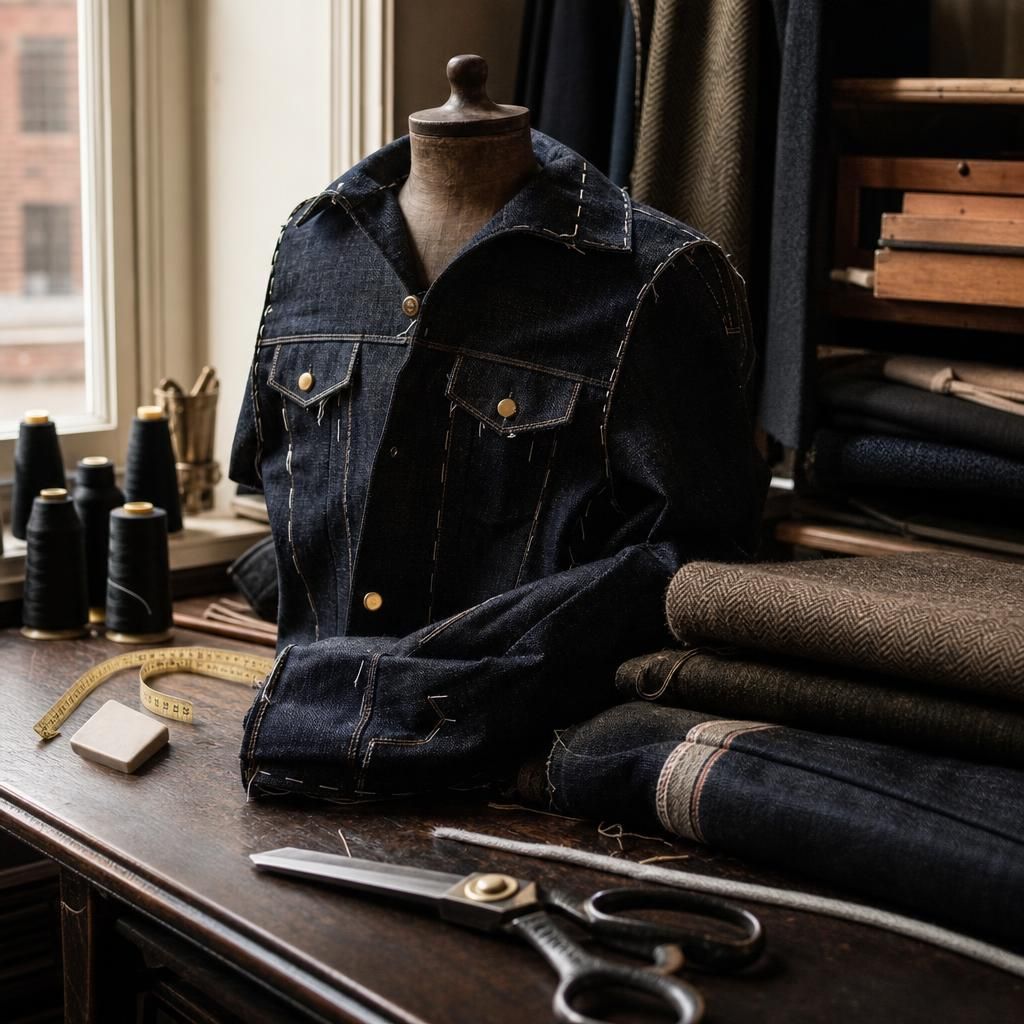
Deadstock denim jacket on tailor’s worktable 

What is the difference between deadstock and leftover fabric?

Deadstock fabric is usually surplus material that was already made, but never used in the intended order. Leftover fabric can also mean cut scraps from a production process. In deadstock clothing UK, both can matter, but they are not identical.

The practical difference is scale. Larger surplus rolls can support full garments. Smaller remnants may only work for trims, panels, or one-off details. That is why deadstock clothing UK often leads to creative pattern solutions. It asks the designer to work with what is available, not what is easiest.

What Is Deadstock Fabric in Deadstock Clothing UK?

Deadstock fabric is unused fabric that already exists in the supply chain. It may come from mills, factories, or brands that over-ordered, changed direction, or ended a production cycle early. In deadstock clothing UK, this fabric becomes the starting point for new garments rather than a hidden cost.

The key idea is reuse at the material level. Instead of weaving something new, the designer works with stock that has already been made. That can be a strong choice when handled carefully, because it reduces the need to demand fresh fabric for every collection. However, the source and quality can vary widely.

To see how deadstock sourcing is discussed in practice, this overview from where to buy vintage, reclaimed and deadstock fabric in the UK is a helpful starting point. It shows how broad the category can be, from reclaimed rolls to small specialist finds. For a wider wholesale context, ex-chainstore and catalogue clothing suppliers also illustrate how surplus and end-of-line stock move through the fashion market.

Deadstock clothing UK works best when the designer respects fabric limits. That means choosing silhouettes that suit the material, not forcing every fabric into the same formula. At Olivia Black, that logic helps shape limited-run garments with stronger identity and less generic repetition.

How does deadstock fabric shape design decisions?

Deadstock fabric changes the starting point of design. A designer cannot assume infinite reorders, identical shade matches, or endless width.

As a result, deadstock clothing UK often leads to smaller runs, smarter cuts, and more precise material planning. It can also inspire distinct garments because the fabric itself influences drape, structure, and finish. That is one reason deadstock clothing UK feels more like design-led fashion than mass production.

Why Deadstock Matters in Sustainable Fashion

Deadstock clothing UK matters because it turns existing materials into new garments before they become waste. It also encourages smaller, more deliberate production cycles, which is especially important in fashion categories that already struggle with overstock.

The best deadstock clothing UK does more than sound sustainable. It supports better decision-making at every stage, from sourcing to cutting to final styling. That is why it has become so important in independent designer fashion.

You can see a similar mindset in Olivia Black’s broader approach to sustainable and inclusive dressing through ethical fashion in the UK and sustainable fashion in London. Those pages reflect the same principle: make fewer pieces, make them well, and make them meaningful.

For a broader visual explainer, this video by Steph Sewn is a useful reference point for understanding what deadstock can and cannot do:

The real value of deadstock clothing UK is not hype. It is restraint. When fabric is already in existence, the brand can focus on craftsmanship, fit, and longevity rather than chasing volume.

Reducing unused fabric waste

Deadstock clothing UK helps reduce the amount of fabric that sits unused in storage. That matters because fabric represents material, energy, transport, and planning.

When surplus fabric gets used well, it avoids becoming a forgotten asset. It also reduces pressure to produce fresh material for every idea. In practice, that can support more thoughtful purchasing and better stock discipline across the supply chain.

Creating naturally limited runs

Limited runs are built into deadstock clothing UK because the fabric supply is finite. Once the fabric is gone, the exact garment cannot simply be repeated in the same way.

That limitation can be a strength. It keeps collections focused and can make pieces feel more personal. It also gives shoppers clearer reasons to buy when they see something they love, because the garment may not return in the same fabric.

Supporting distinctive designer pieces

Deadstock clothing UK often produces more distinctive garments than standard bulk production. The fabric may have unusual texture, a rare colour, or a heritage feel that shapes the final result.

For designer apparel, that distinctiveness is powerful. It gives the clothing a story, and it makes the silhouette feel intentional. In a market full of generic basics, that difference matters.

Is Deadstock Clothing UK Always Sustainable?

No. Deadstock clothing UK is not automatically sustainable just because the fabric is surplus. The sourcing, transport, quality, and production method still matter.

This is where a lot of marketing gets vague. A fabric can be deadstock and still come from a wasteful system. It can also be deadstock but poorly matched to the end product, which shortens garment life. In other words, deadstock is a useful tool, not a guarantee.

The most honest way to evaluate deadstock clothing UK is to ask three questions. Where did the fabric come from? How much of it is being used effectively? Will the final garment last and be worn often? If the answer to any of those is weak, the sustainability claim deserves scrutiny.

This balanced view is echoed in the Steph Sewn video above, and it matters because fashion audiences are learning to distinguish between good intentions and strong practice. Deadstock clothing UK works best when it is combined with good tailoring, thoughtful sizing, and durable construction.

For consumers, that means looking beyond the label. A truly responsible deadstock piece should feel beautiful, useful, and made for repeat wear. If it only exists because the word deadstock sounds appealing, the story is incomplete.

What should shoppers ask before buying deadstock clothing UK?

Ask what kind of deadstock it is, how the garment was made, and whether the brand explains its limits clearly.

Good deadstock clothing UK should come with a believable sourcing story. It should also make sense as a garment, not just as a concept. If the fabric is deadstock but the construction is weak, the environmental benefit may be limited.

How Olivia Black Uses Deadstock Clothing UK in Limited-Run Designer Apparel

Olivia Black uses deadstock clothing UK to create garments that feel considered, expressive, and scarce for the right reasons. The point is not simply to save fabric. The point is to design with material reality in mind.

That approach fits a studio focused on sustainable gender-fluid clothing, where silhouette and movement matter as much as category. Pieces such as Weaver Jeans, the Weaver Denim Jacket, and the Maglen Dress show how deadstock clothing UK can support distinct shapes without relying on mass repetition.

Limited-run production also respects the fabric itself. If a roll is small, Olivia Black can treat it as a design boundary rather than a problem. That often leads to sharper edits, cleaner finishing, and fewer compromises. As a result, each piece can feel more intentional.

If you are interested in the wider design language, the gender fluid fashion guide and unisex sustainable clothing pages help explain how the brand thinks about clothing beyond binaries.

For a practical look at sourcing culture in the UK, Gemima London’s deadstock shopping guide is also useful here:

Deadstock clothing UK works well for Olivia Black because it supports creativity without overproduction. It gives the studio room to make strong shapes, while keeping the collection grounded in what is actually available.

Why limited-run fabrics suit gender-fluid design

Gender-fluid design often benefits from flexibility, strong drape, and visual clarity. Deadstock clothing UK supports that because it naturally leads to focused editing.

A limited fabric run can inspire a more deliberate silhouette. It can also make space for garments that feel less trend-led and more personal. That is useful for shoppers who want clothing with identity, not just inventory.

Deadstock Denim, Tailoring and Statement Pieces

Deadstock clothing UK is especially effective in denim, tailoring, and statement garments because those categories reward construction and fit. A strong fabric choice can completely change how a jacket, trouser, or dress feels on the body.

Olivia Black’s deadstock-led pieces, including the Feather Trouser and the Weaver Jeans, show how fabric character can become part of the design. Denim in particular benefits from careful material use, because texture, weight, and recovery all affect wear.

Tailoring also suits deadstock clothing UK because the structure can be adapted to the fabric in hand. Instead of forcing a design to scale endlessly, the designer can refine the line and preserve integrity. That creates clothing with presence.

Statement pieces are another natural fit. Deadstock clothing UK can support stronger colour blocks, sharper contrasts, and dramatic silhouettes. The fabric supply may be limited, but the impact does not have to be. In fact, limitation often sharpens the result.

This is where Olivia Black’s approach becomes more than an environmental choice. It becomes a design language. The clothing looks considered because it is made from constraints, not despite them. That is why deadstock clothing UK can feel both artistic and wearable.

How does deadstock affect fit and finish?

Deadstock clothing UK can influence fit because different fabrics have different weights, stretch, and drape. A pattern may need subtle adjustments to suit the material.

That is not a weakness. It is part of the craft. Good tailoring responds to fabric reality, and deadstock clothing UK often rewards that attention with better-looking garments and a more distinctive feel.

How to Care for Deadstock Clothing UK

Deadstock clothing UK should be cared for like any quality garment, with extra attention to the fabric type. Good care helps preserve colour, structure, and fit for longer.

Start by reading the garment label carefully. Deadstock fabrics can vary widely, so one piece may need a cool wash while another needs gentle hand washing or professional cleaning. When in doubt, test the least aggressive method first.

Store deadstock clothing UK away from direct sunlight if the fabric is colour-sensitive. Use proper hangers for structured pieces, and fold heavier knit or denim items to avoid shoulder distortion. If a piece is tailored, keep the shape intact by giving it room to breathe.

For more context on how Olivia Black thinks about durability and wear, the gender neutral clothing page is a useful companion. It reflects the same idea: garments should support real life, not only a first impression.

The better you care for deadstock clothing UK, the longer its value lasts. That matters because longevity is one of the most practical forms of sustainability. A garment worn often, and worn well, always outperforms a garment treated as disposable.

Simple care rules for longer wear

Use gentle detergent, avoid unnecessary heat, and air dry whenever possible. These steps protect both the fabric and the garment shape.

If a piece is delicate or structured, consider professional cleaning. That is especially sensible for limited-run garments, because replacement may not be easy. Care is part of the value story in deadstock clothing UK.

Deadstock Clothing FAQs

Deadstock clothing UK raises a few common questions, especially for shoppers who want to buy thoughtfully. The answers below are direct, practical, and designed to help you compare deadstock with other ways of shopping.

If you are exploring broader garment categories, you may also find gender neutral clothing UK and gender fluid dresses useful next steps. They show how deadstock clothing UK can live inside a wider wardrobe, not outside it.

Key Takeaways

  • Deadstock clothing UK uses surplus or unused material, but it is not automatically sustainable.
  • Deadstock fabric creates natural scarcity, which supports limited-run designer apparel.
  • Olivia Black uses deadstock to make expressive, gender-fluid pieces with clearer design intent.
  • The best deadstock garments combine thoughtful sourcing, durable construction, and long-term wear.
  • Shoppers should look beyond the label and ask where the fabric came from, how it was used, and how the garment will last.

Frequently Asked Questions

Where can I buy unsold clothes in the UK?

You can buy unsold clothes in the UK through wholesalers, outlet channels, surplus stock platforms, and specialist vintage or deadstock suppliers. However, check the source carefully, because unsold stock can include overproduced items, end-of-line goods, or mixed quality lots. If you want clothing with clearer design intent, deadstock clothing UK from independent labels can be a better fit than bulk surplus alone.

What is the best website to buy replica clothes?

There is no good reason to buy replica clothes, and it is not a trustworthy route for quality or ethics. If you want distinctive style, deadstock clothing UK, second-hand clothing, or designer surplus offers a better and more legitimate alternative. Those options support originality, durability, and more responsible shopping.

Where can I buy second-hand clothes online in the UK?

You can buy second-hand clothes online in the UK through resale platforms, specialist vintage sellers, charity shops with online stores, and curated independent boutiques. If you want a different route, deadstock clothing UK gives you new garments made from existing material, which can sit alongside second-hand shopping in a more sustainable wardrobe.

Where to buy clothes in bulk for resale in the UK online?

Bulk resale clothing is usually sourced through wholesalers, liquidation sellers, ex-chainstore suppliers, and vintage kilo stock businesses. For context, the wholesale market includes sites such as Top Down Trading, Cmretrowholesale, and To Be Worn Again. That is very different from deadstock clothing UK, which is typically design-led rather than resale-led.

Recent Posts

By Olivia Black August 6, 2026
Gender neutral clothing UK is no longer just about oversized basics or plain shared wardrobe pieces. It now includes designer-led silhouettes, sustainable fabrics, and clothing that feels expressive on any body. For UK shoppers who want fashion with more shape and less restriction, Olivia Black offers a more elevated route into gender neutral clothing UK through limited-run pieces, fluid tailoring, and statement design. If you are exploring the brand itself, start with the Olivia Black story…
Gender Neutral Clothing Stores: Where to Buy Inclusive Fashion That Feels Like You
By Olivia Black August 5, 2026
If you are searching for gender neutral clothing stores, the real question is not just where to shop. It is where to find clothes that fit well, feel intentional, and support identity without forcing a label. The best gender neutral clothing stores combine clear sizing, thoughtful silhouettes, and fabric choices that last beyond one season. They also make shopping easier by using language that respects fluid expression instead of assigning garments to one box. Olivia Black does this through…
Unisex Sustainable Clothing: Conscious Pieces for Fluid Wardrobes
By Olivia Black August 4, 2026
Unisex sustainable clothing is where inclusivity and lower-impact fashion meet in one thoughtful wardrobe. It gives you pieces that feel open, modern, and easy to wear, while also asking more of the materials, makers, and afterlife of each garment. That matters if you want clothing that reflects identity without adding waste. At Olivia Black, the point is not to flatten style. It is to make room for it. From the Weaver Denim Jacket to deadstock tailoring and rental-led dressing, unisex…
Gender Fluid Formal Wear: Sustainable Looks for Events, Parties and Performances
By Olivia Black August 3, 2026
Gender fluid formal wear is about dressing for the moment without dressing for a box. It can look sharp, romantic, dramatic, minimal, or all of those at once. The best pieces bring together tailoring, dresses, and statement layers that feel right for weddings, parties, galas, and stage moments. They also work harder when they are designed to be reworn, rented, or styled in more than one way. That is where Olivia Black comes in. The studio’s approach to gender fluid formal wear focuses on…
Gender Fluid Dresses: Statement Pieces Without Gender Rules
By Olivia Black August 2, 2026
Gender fluid dresses are not about dressing for one label. They are about shape, movement, and self-expression. For some people, that means a draped dress with sharp boots. For others, it means a structured silhouette layered over trousers or finished with a belt. The point is choice. That is why gender fluid dresses work so well for modern wardrobes: they can feel formal, creative, romantic, or minimal without being tied to one gender code. At Olivia Black, that idea sits at the centre of the…
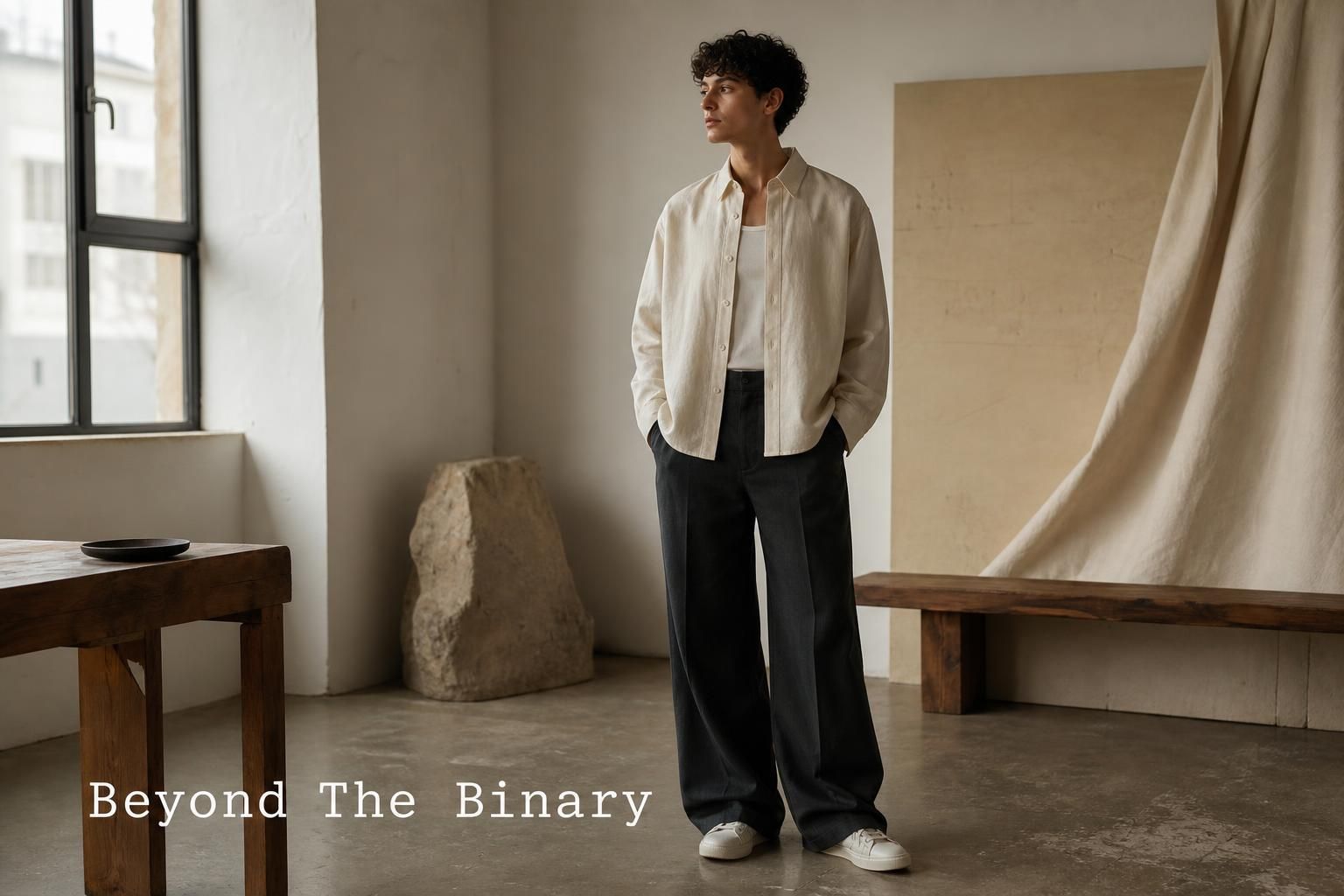
Gender Neutral Clothing Styles: Outfit Ideas for Everyday, Events and Festivals
By Olivia Black August 1, 2026
Gender neutral clothing styles are not about hiding identity. They are about choosing clothes that let shape, movement, and mood lead the way. For some people, that means sharp tailoring. For others, it means fluid dresses, relaxed denim, or layered separates that feel both polished and free. Either way, the result is clothing that opens up expression rather than narrowing it. In this guide, we will show how gender neutral clothing styles work in real life, from weekday dressing to standout…
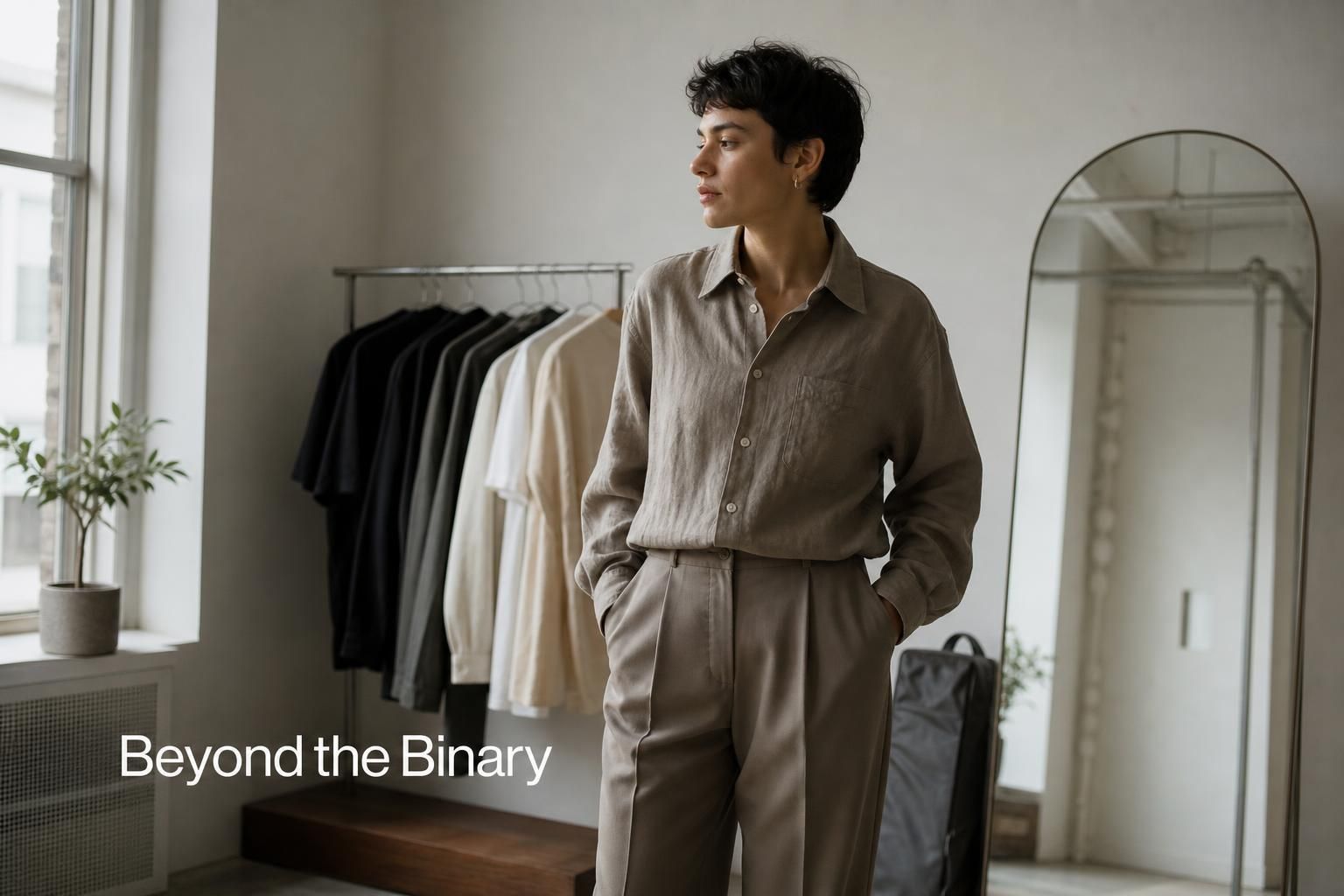
What Does Gender Neutral Clothing Meaning Really Tell Us?
By Olivia Black July 31, 2026
The gender neutral clothing meaning is simple, but the idea has a lot of nuance. It describes clothing made without strict gender rules, so the focus stays on fit, movement, and personal expression rather than on whether a piece is labelled for men or women. That is why the gender neutral clothing meaning matters to so many modern wardrobes. It gives people more freedom to choose clothes that match their body, mood, and identity. For Olivia Black, that freedom connects closely with…
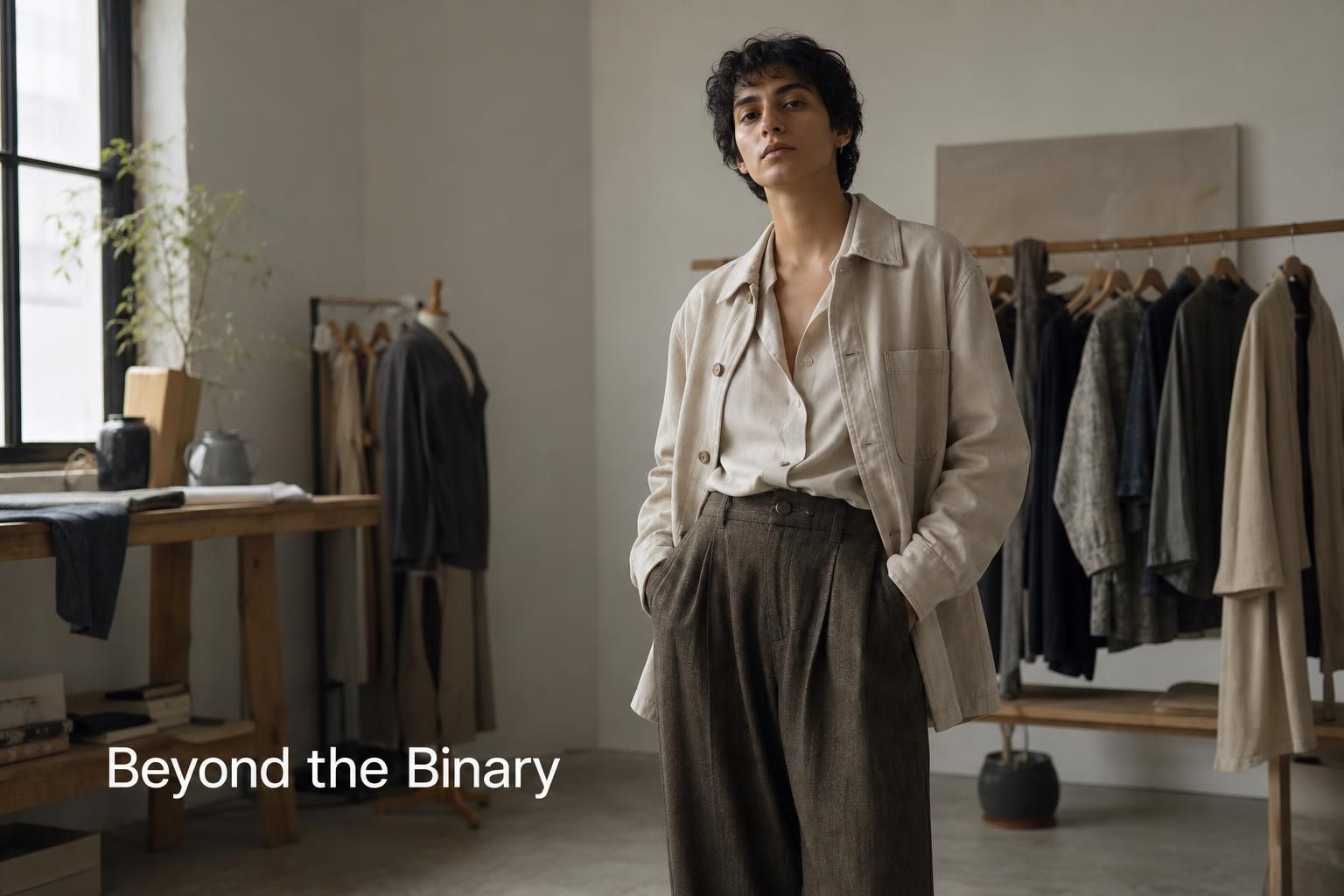
Gender Fluid Clothing: Shop Sustainable Styles for Fluid Self-Expression
By Olivia Black July 30, 2026
Gender fluid clothing is not about dressing to fit a label. It is about choosing pieces that let your style shift with mood, body, and identity. At Olivia Black, gender fluid clothing becomes a luxury experience: sculptural, sustainable, and designed to feel expressive rather than restrictive. If you want clothing that looks sharp, moves well, and avoids the tired rules of menswear versus womenswear, you are in the right place. Start with the Olivia Black Studio home page to explore the…
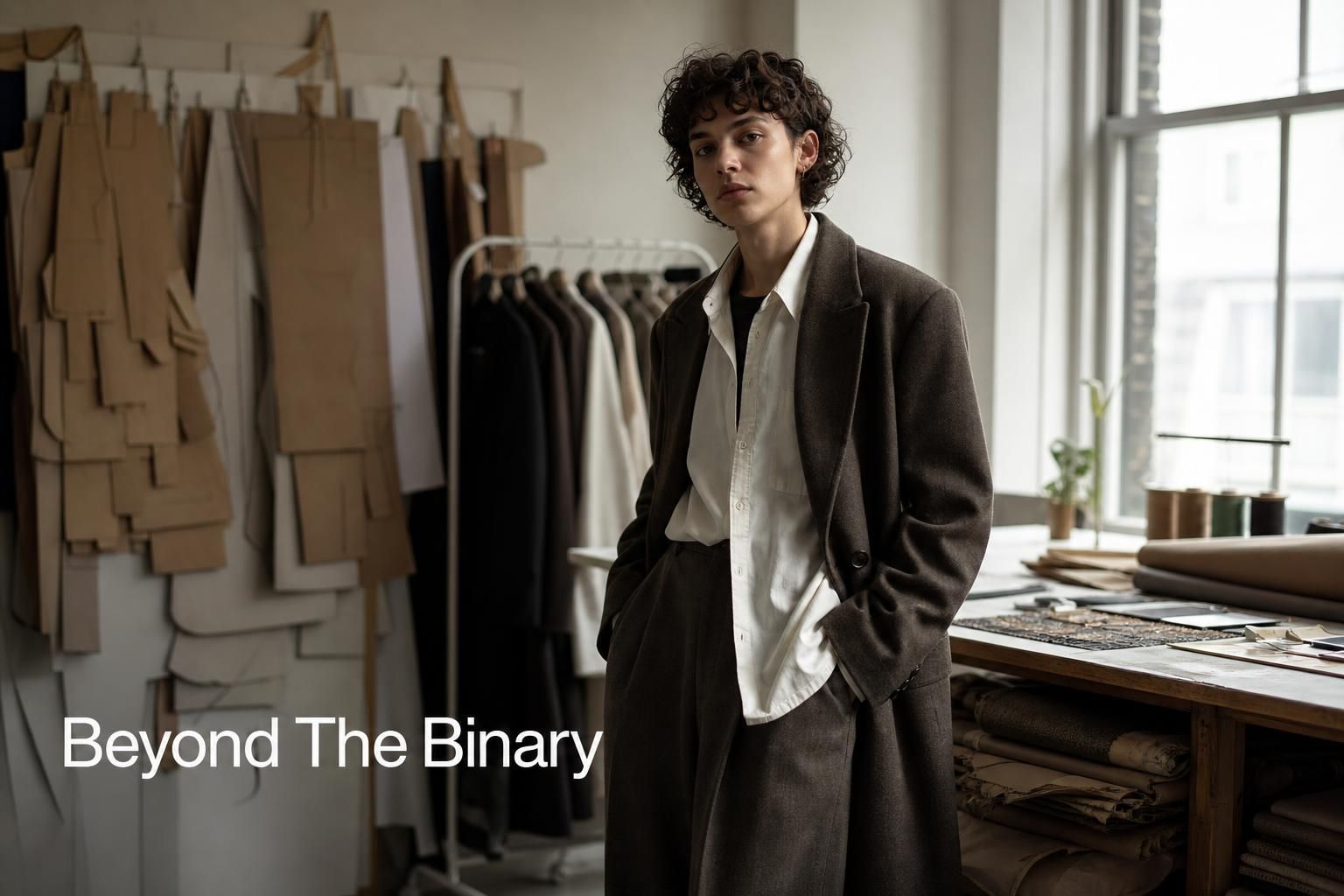
Gender Neutral Clothing UK: Sustainable Pieces from an Independent Fashion Studio
By Olivia Black July 29, 2026
Gender neutral clothing uk is no longer a niche search term. For many UK shoppers, it is the fastest route to clothes that feel expressive, modern, and easier to wear again and again. It also solves a practical problem: most people want fit, quality, and style without being boxed into a rigid label. That is where independent design matters. Olivia Black creates gender-fluid, sustainable pieces with strong silhouettes, deadstock-led thinking, and a clear focus on wearability. If you are…
Gender Fluid Fashion: A Guide to Dressing Without Rules
By Olivia Black July 28, 2026
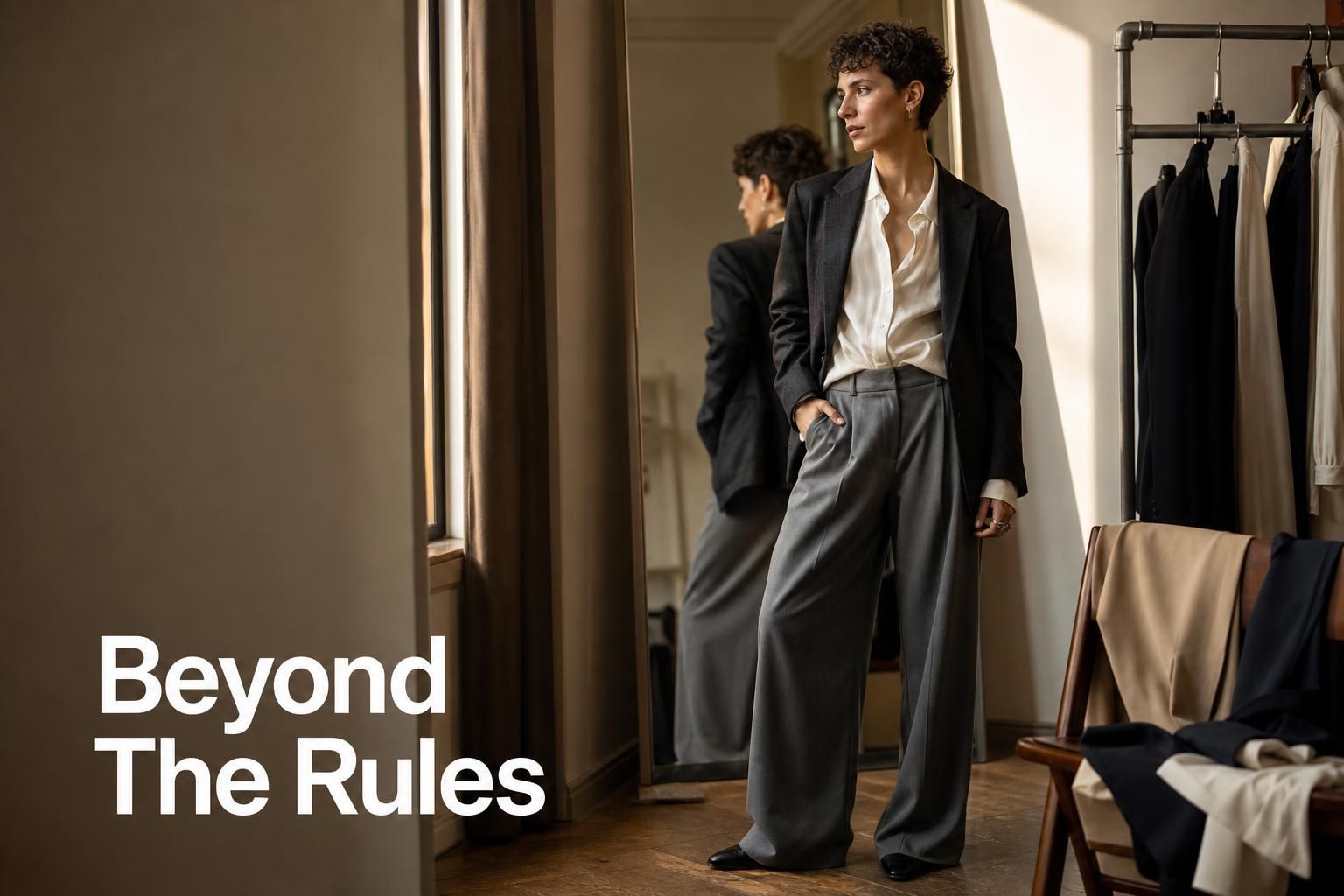
Gender fluid fashion is more than a look. It is a way of dressing that gives people room to move between shapes, moods, and identities without apology. For some, that means tailoring with softness. For others, it means dresses with structure, denim with drape, or trousers that feel sculptural rather than coded. At Olivia Black, gender fluid fashion sits beside craft, longevity, and sustainability, which means the clothes are designed to be worn, re-worn, and styled across seasons. If you want…
Show More