Gender Fluid Fashion: A Guide to Dressing Without Rules
Quick Answer
Gender fluid fashion is clothing designed to move beyond fixed gender rules and support self-expression, fit, and comfort. It combines silhouette, fabric, styling, and intention so people can dress in ways that feel personal, modern, and sustainable without being limited by binary labels.
Gender fluid fashion is more than a look. It is a way of dressing that gives people room to move between shapes, moods, and identities without apology. For some, that means tailoring with softness. For others, it means dresses with structure, denim with drape, or trousers that feel sculptural rather than coded. At Olivia Black, gender fluid fashion sits beside craft, longevity, and sustainability, which means the clothes are designed to be worn, re-worn, and styled across seasons. If you want to explore the brand’s wider point of view, start with Gender Fluidity in Clothing or browse the studio’s broader gender fluid sustainable clothing edit. This guide explains what gender fluid fashion means, why it matters now, and how to build outfits that feel expressive without looking costume-like. It also shows how Olivia Black approaches fluidity through design choices, rental options, and pieces made to hold their shape in real life.
What Is Gender Fluid Fashion?
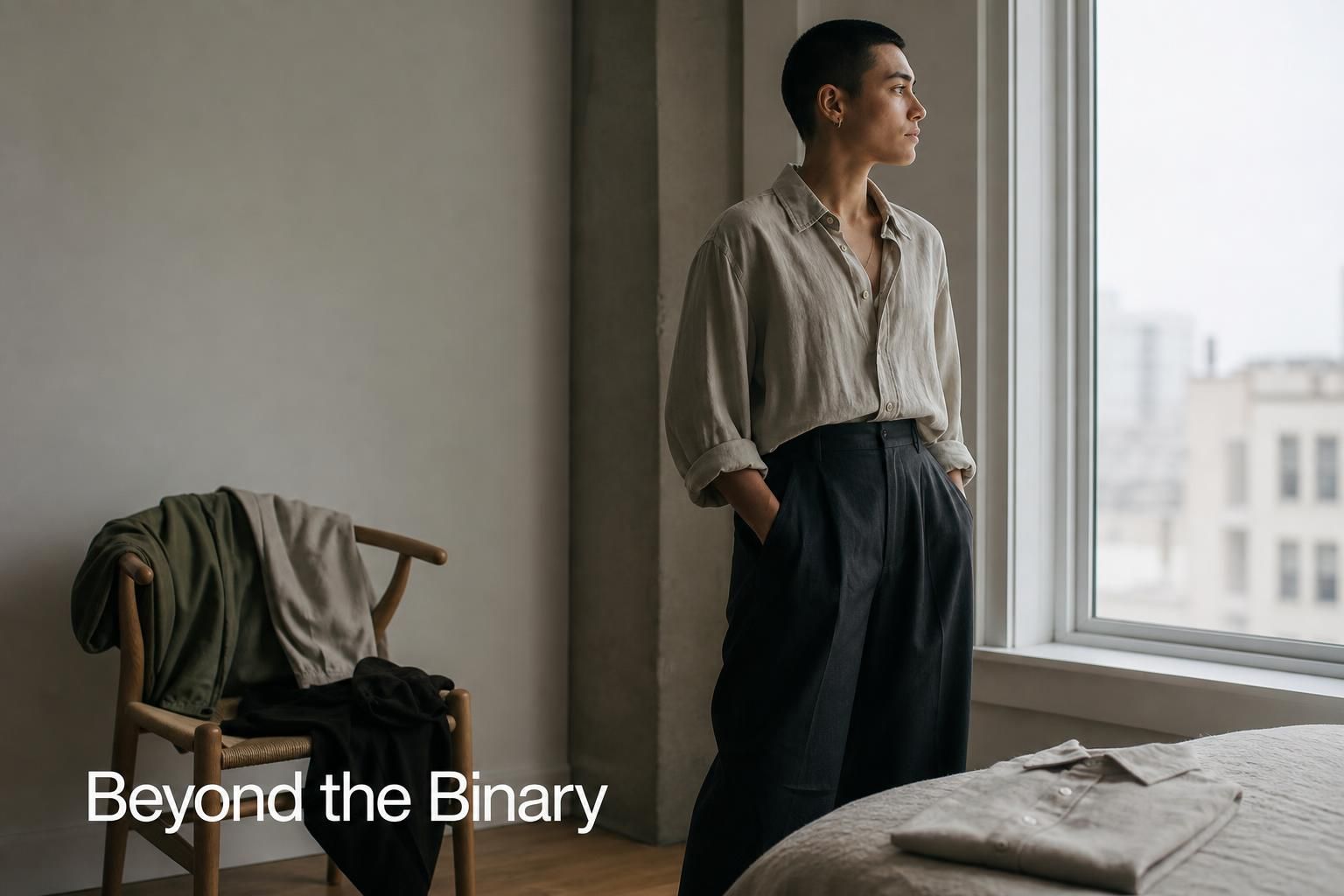
Gender fluid fashion is clothing that is not tied to one fixed gender expression. It allows the wearer to choose silhouette, texture, colour, and styling without following rigid menswear or womenswear rules.
In practice, gender fluid fashion can look tailored, romantic, minimal, dramatic, or all of those at once. The key idea is freedom. The clothes do not tell the wearer who they must be. Instead, they create space for identity to shift day by day.
That is why gender fluid fashion matters to so many people now. It answers a simple need: to dress in a way that feels accurate. For some, that means borrowing from both sides of the traditional aisle. For others, it means rejecting the aisle entirely.
This idea is not new. Fashion history is full of garments that crossed gender boundaries. What feels different now is the visibility. Editorial culture, social media, and independent labels have made gender fluid fashion easier to see and easier to shop. Yet the best versions still depend on design integrity. A piece should feel considered, not gimmicky.
Olivia Black’s approach is built around that principle. The brand designs fluid garments as usable wardrobe pieces, not novelty statements. That is why a dress, jacket, belt, or trouser can be styled multiple ways and still feel luxurious. If you want to understand the brand’s design values first, the about Olivia Black page is a useful starting point.
For a wider industry lens, the discussion around gender-fluid design is also covered in this piece from Heuritech on gender fluid fashion and inclusive design. It is useful because it frames the topic as a design shift, not just a visual trend.

Why Gender-Fluid Fashion Is Growing
Gender fluid fashion is growing because more people want clothing that reflects real life, not old categories. It also grows because consumers increasingly value versatility, sustainability, and individuality.
The shift is cultural and practical. On the cultural side, more shoppers openly reject narrow dress codes. On the practical side, many want wardrobes that work harder. A well-cut jacket, a bias dress, or a wide trouser can be styled for many situations. That makes gender fluid fashion appealing to stylists, collectors, and everyday buyers alike.
Fashion media has also helped broaden the conversation. Editorials now discuss fluid dressing as a design language rather than a niche. For example, the analysis in Harvard Business School’s discussion of gender-fluid fashion marketing shows that the category raises both opportunity and complexity. That matters because good gender fluid fashion should avoid lazy shorthand. It should feel thoughtful, inclusive, and commercially honest.
Another reason for growth is image culture. People want clothes that photograph well, move well, and feel memorable. Gender fluid fashion often does all three. It can be strong in silhouette and soft in finish. It can read polished one day and undone the next. That flexibility is powerful.
Videos also help show the idea in motion. For a broader perspective on how fashion can challenge gender norms and support self-expression, watch this TEDx talk by designer Raiheth Rawla:
Then, to see how inclusive ideas become real collections, watch this short report from Scripps News:
In short, gender fluid fashion is growing because it meets both emotional and functional needs. It gives people language, and it gives them clothes that can keep up.
Gender Fluid Fashion vs Gender Neutral vs Genderless Fashion
These terms overlap, but they are not identical. Gender fluid fashion is about movement, expression, and the freedom to shift between references. Gender neutral fashion usually avoids strong gender signals. Genderless fashion often aims to remove gender coding altogether.
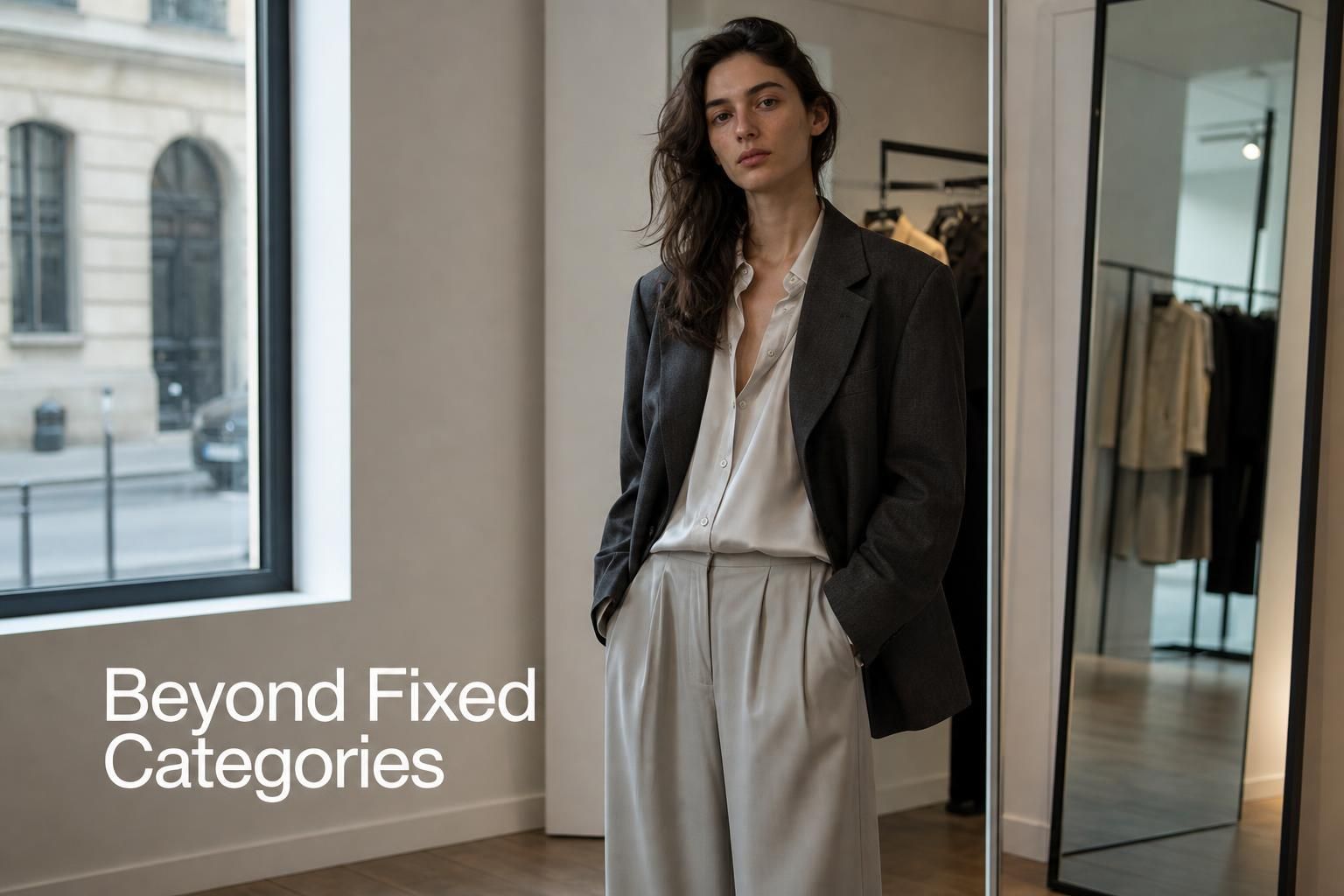
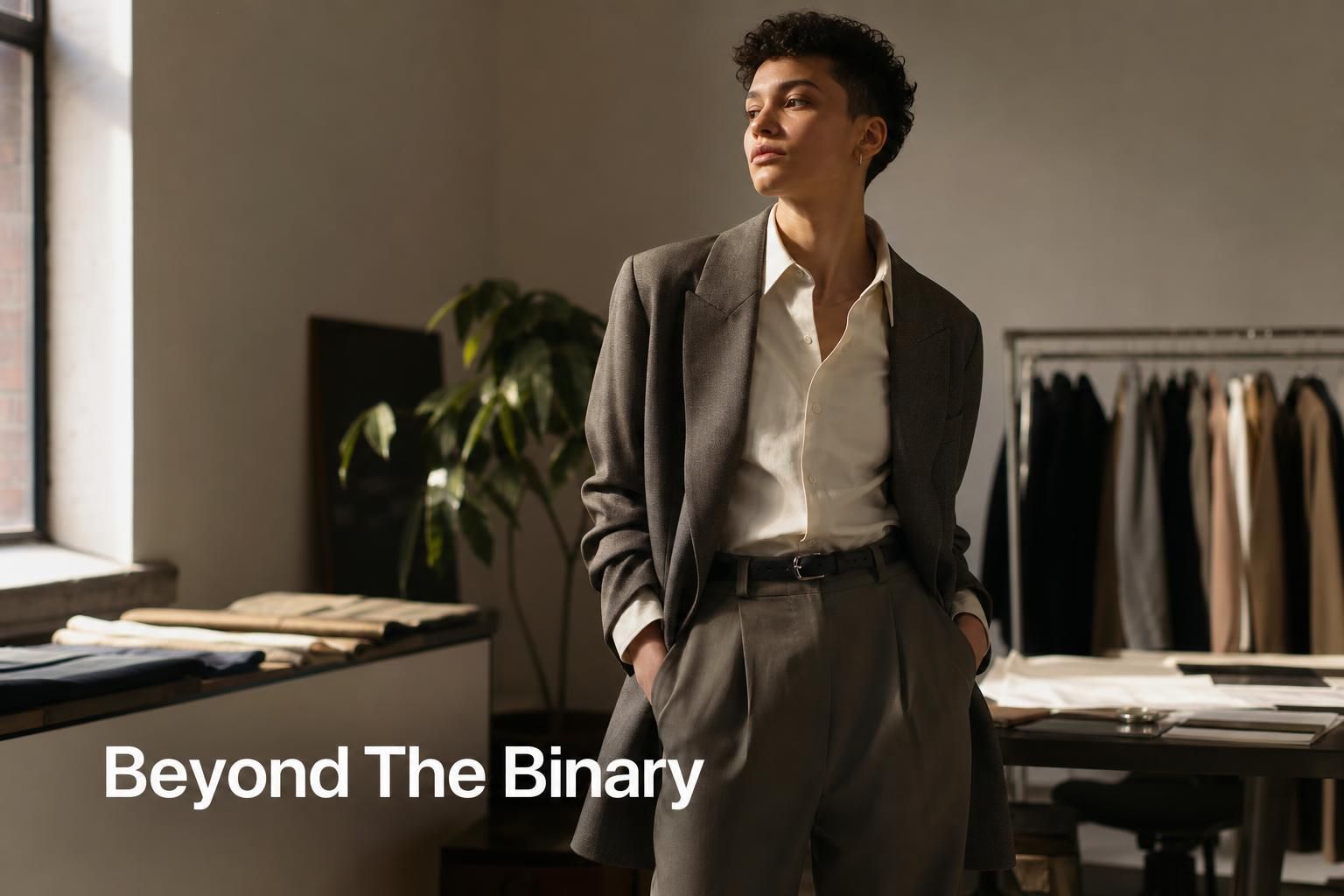
That distinction matters. Gender fluid fashion can still be bold, sensual, sharp, or overtly tailored. It does not need to flatten identity. Instead, it makes room for contrast. A person might wear a structured jacket over a soft dress and still feel completely themselves.
By contrast, gender neutral clothing often prioritises simplicity, clean lines, and broad wearability. Genderless fashion can lean even further into category removal. In other words, gender fluid fashion is less about erasing difference and more about expanding it.
This is why the most interesting fluid wardrobes tend to mix all three ideas. A wearer may choose a neutral base, then add a fluid silhouette or a dramatic fabric choice. That balance creates tension, and tension creates style.
If you want a deeper site-level explanation of these distinctions, the article on gender neutral clothing is useful, and so is non-binary clothing for understanding inclusive fit and expression. Both pages support the broader language of gender fluid fashion without reducing it to one look.
The easiest test is this: if the garment only works when it is worn one “correct” way, it may not be truly fluid. If it can be styled across different bodies, moods, and contexts, it is much closer to the spirit of gender fluid fashion.
Core Elements of Gender-Fluid Style
Gender fluid fashion works best when silhouette, fabric, colour, and styling all support the same idea. It is not one garment type. It is a design attitude.
The strongest outfits usually have contrast. They balance softness with structure, restraint with drama, or polish with ease. That balance makes gender fluid fashion feel modern rather than theatrical.
When building a fluid wardrobe, start with pieces that offer more than one reading. A dress can feel architectural. A trouser can feel elegant. A jacket can soften or sharpen an outfit depending on what sits underneath. Accessories matter too, because a belt, shoe, or bag can change the whole message.
Shape and silhouette
Shape is the first language of gender fluid fashion. Long lines, open proportions, cinched waists, and boxy cuts all create different emotional effects.
A flowing silhouette can feel expansive and relaxed. A cropped or tailored shape can feel precise and assertive. Meanwhile, a garment with an unexpected proportion often feels the most fluid because it resists assumptions.
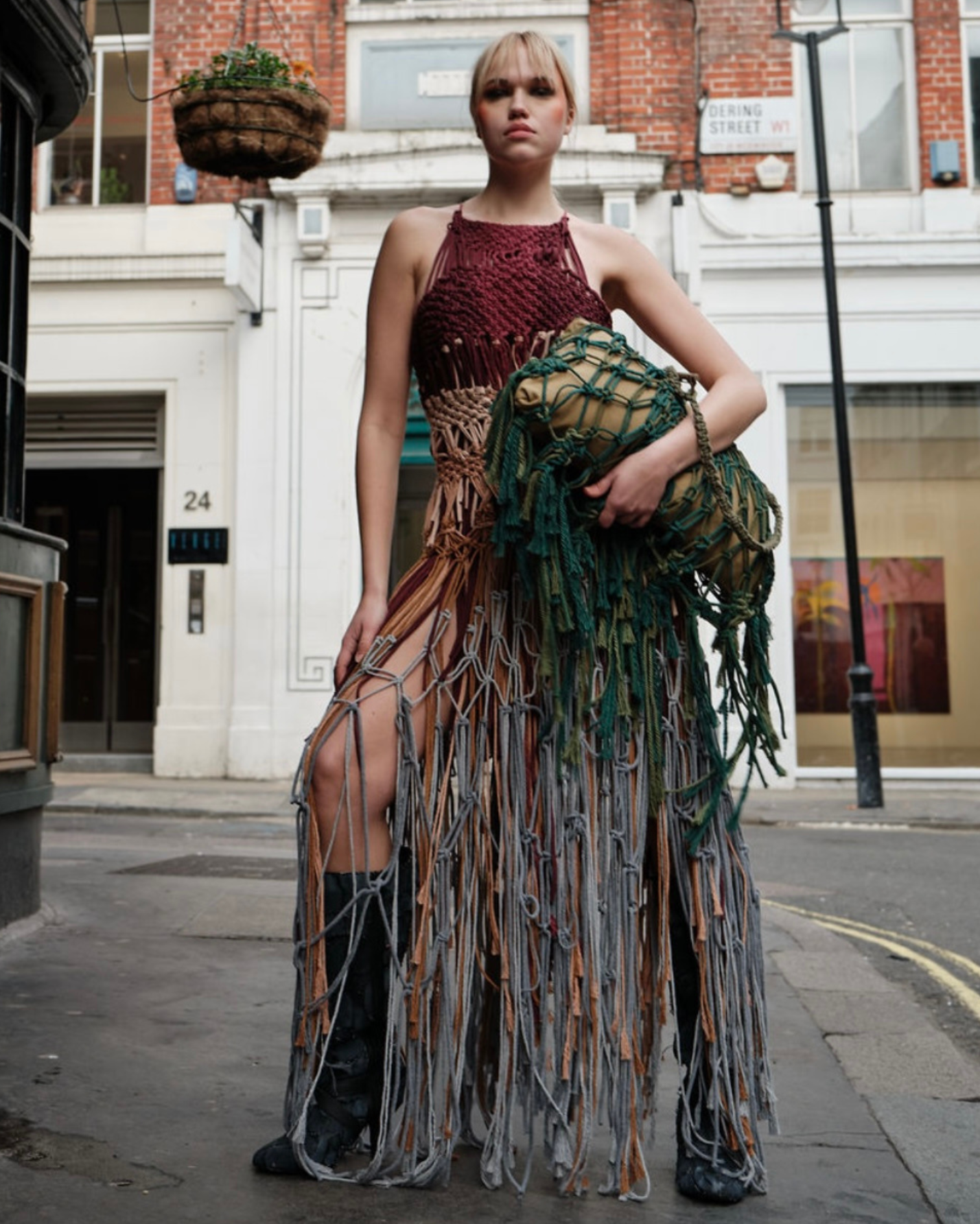
At Olivia Black, pieces like the Maglen Dress and Weaver Denim Jacket show how shape can shift a familiar garment into something less fixed. That matters in gender fluid fashion, because silhouette is often the difference between a costume and a wardrobe staple.
A useful styling rule is to pair one directional piece with one grounding piece. For example, combine a sculptural top with straight trousers. Or layer a soft dress under a jacket with a defined shoulder. The outfit then feels intentional, not overworked.
Layering
Layering is one of the easiest ways to make gender fluid fashion feel personal. It lets the wearer adjust coverage, proportion, and mood without changing the core outfit.
Layering also creates visual depth. A shirt under a dress, a belt over a jacket, or a trouser under a longer top can completely change the reading of a look. As a result, the same garment can move from daytime ease to evening drama.
This is where pieces such as the Gildpin Belt become especially useful. A belt can define the waist, break up volume, or redirect attention to the centre of the body. In gender fluid fashion, that is valuable because it gives the wearer control over proportion.
Layering also supports transitional dressing, which is essential in the UK. Weather shifts quickly, so clothes must do more than look good. They need to adapt.
Texture and fabric
Texture gives gender fluid fashion emotional weight. Crisp cotton, washed denim, fluid viscose, structured wool, and deadstock fabrics each create a different mood.
A tactile contrast often makes the outfit feel richer. For example, pairing something smooth with something rugged can stop a look from becoming one-note. Therefore, fabric choice should be treated as a design tool, not a finishing detail.
Sustainable materials are especially important here because they add meaning as well as style. If a garment is made from considered or deadstock fabric, the story of the piece becomes part of the design. That is one reason Olivia Black’s work resonates with many buyers who want gender fluid fashion without waste.
Well-chosen texture also helps a garment photograph beautifully. That matters for clients, stylists, and collectors who value both movement and detail.
Colour, print and drama
Colour in gender fluid fashion should not be treated as a rulebook. Soft palettes can feel powerful, and strong colour can feel refined.
The goal is not to avoid drama. The goal is to use it with intention. A muted outfit with one striking accent can feel very fluid. Likewise, a vivid garment can still feel elegant if the cut is disciplined.
Prints work best when they reinforce movement or contrast. A striking surface can break up a formal silhouette and make it feel less gendered. Likewise, a clean colour block can calm an otherwise complex outfit.
Drama is useful when it feels earned. In gender fluid fashion, the most memorable looks usually have one clear focal point and enough restraint around it to let it breathe.
Gender Fluid Outfit Ideas
Gender fluid outfit ideas work best when they are specific, wearable, and easy to adapt. The aim is not to assemble an “androgynous costume.” It is to build looks that feel like real clothes with range.
Start with a statement base. Then add one strong counterpoint. That could be a tailored jacket with a soft dress, or a wide trouser with a close-cut shirt. This method keeps gender fluid fashion grounded.
A few outfit formulas to try:
- A structured dress with heavy boots and a sharp belt
- A denim jacket over a fluid dress for contrast and ease
- Wide trousers with a shirt left slightly open at the neck
- A longline jacket over slim layers for a lean, column-like shape
- A bold accessory over a minimal base so the look stays balanced
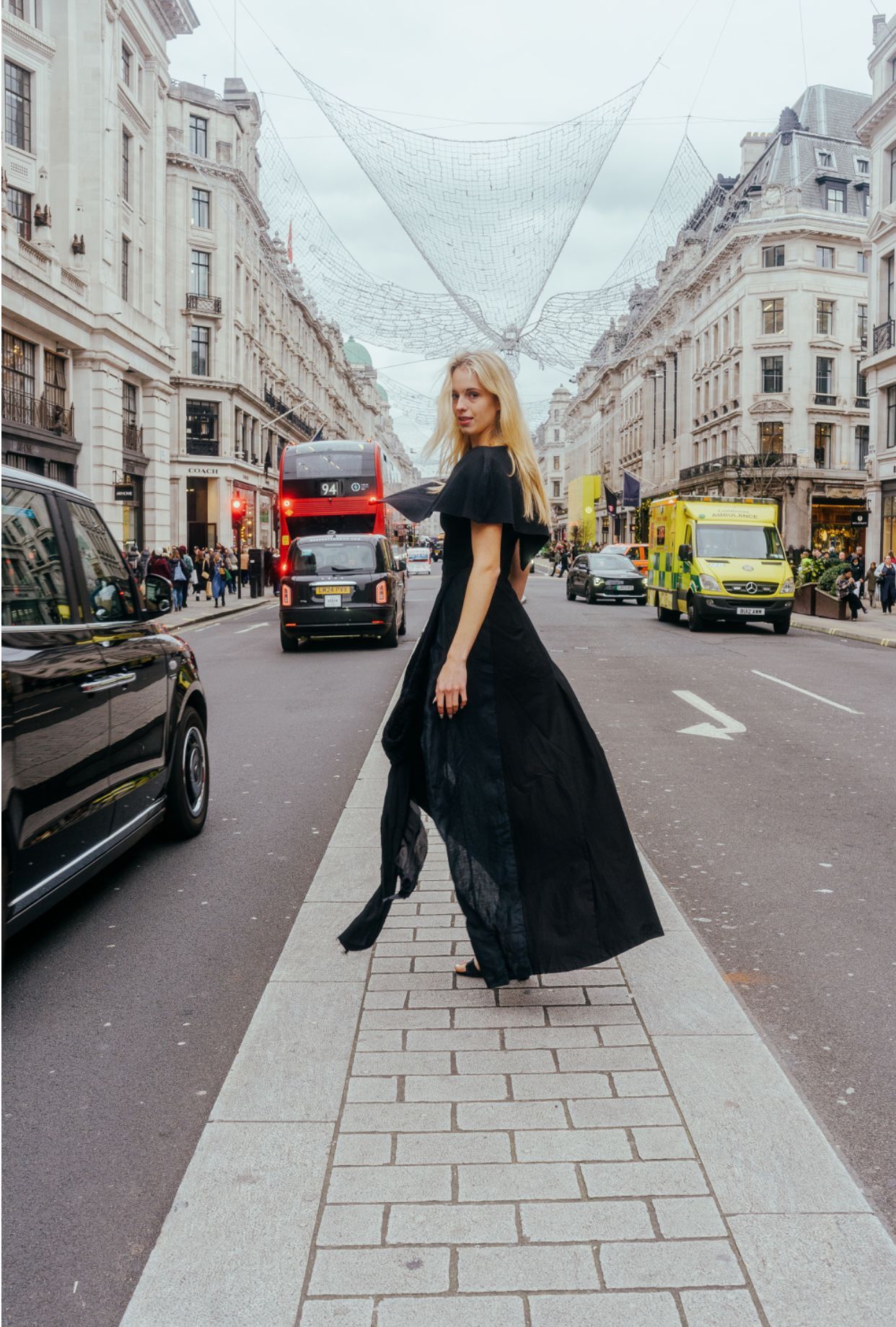
For a refined occasion option, the Ava Dress can work with outerwear for a cleaner, more fluid line. If you want a bolder styling option, pair it with denim or a belt. For sharper trousers, the Feather Trouser offers a strong base for layered gender fluid fashion.
Rental is also a smart route for special events. The Ava Dress is available as a design-led piece that can move between wardrobes, while the Ava Dress 7 day rental model supports a lower-commitment way to try the silhouette. That is useful when you want impact without adding to a permanent purchase.
If you are styling for a collection rather than a single event, the Weaver Denim Jacket, Feather Trouser, and Aviary Shirt create a strong foundation. Together, they show how gender fluid fashion can be polished, practical, and expressive at once.
Sustainable Gender-Fluid Fashion
Sustainable gender-fluid fashion combines inclusive design with responsible materials and longer use. It asks two questions at once: does the garment express identity, and will it last?
That combination is powerful. Many shoppers want clothes that feel new without becoming disposable. Sustainable gender fluid fashion answers that need by focusing on craft, durability, and styling flexibility.
Deadstock and limited-production fabrics are especially relevant here because they reduce waste while keeping the garment distinctive. Just as important, versatile design lowers the need for constant replacement. A jacket that works with dresses, trousers, and shirts earns its place in a wardrobe.
This is also where rental becomes part of sustainability. Renting allows a customer to wear a design at full impact without always buying another occasion piece. That model can be especially useful for events, fashion shoots, and experimental styling.
Olivia Black’s wider sustainability point of view is outlined on the Ethical Fashion UK page, which explains how thoughtful production sits behind the clothes. For a London-focused perspective, the Sustainable Fashion London page connects that same idea to an independent, inclusive practice.
This matters because gender fluid fashion should not rely on disposable novelty. It should feel grounded enough to wear again. That is what turns a visual idea into a lasting wardrobe language.
How Olivia Black Designs for Fluidity
Olivia Black designs for fluidity by treating clothing as a tool for expression, not categorisation. The pieces are made to move across settings, body shapes, and styling moods.
That starts with form. The brand uses silhouette to create openness, tension, and balance. It continues with material choice, where texture and drape help garments feel elevated rather than generic. As a result, gender fluid fashion becomes something tactile and considered.
The studio also uses accessories and outerwear to expand the same idea. A jacket can sharpen a dress. A belt can shift a silhouette. A trouser can anchor a more expressive top. These are small decisions, but they shape how the whole look reads.
The upcoming SS26 ‘Serendipity’ Collection continues that approach with a focus on pieces that feel deliberate and adaptable. If you are tracking new-season design, it is worth watching how the collection frames gender fluid fashion through craft rather than cliché.
For a broader overview of the studio’s lens, Olivia Black’s about page explains the brand’s relationship to sustainable fashion, while the gender fluidity in clothing article expands on how fashion can move beyond fixed categories.
The result is a wardrobe that does not tell people what to be. It gives them tools. That is the real promise of gender fluid fashion: not uniformity, but range.
Shop or Rent Gender Fluid Fashion
The best way to shop gender fluid fashion is to think in outfits, not categories. Choose pieces that can shift across occasions, then build around them.
If you want a statement dress, the Maglen Dress and Ava Dress are strong starting points. If you want to anchor the wardrobe with structure, the Weaver Denim Jacket and Feather Trouser offer shape and ease. Meanwhile, the Gildpin Belt helps refine proportion and styling.
If you prefer to try before you commit, clothing rental is a smart option. It is especially useful for gender fluid fashion because it lets you test how a silhouette feels in motion. That can be the difference between admiration and actual wear.
For shoppers who want the full brand perspective, the homepage for Olivia Black sustainable clothing brings the edit together in one place. There you can move between dresses, denim, trousers, accessories, and the wider creative world of the brand.
If you are building a wardrobe for events, collector dressing, or everyday use, start with one strong piece. Then add one supporting layer. That approach keeps gender fluid fashion flexible, stylish, and true to how people actually live.
Frequently Asked Questions
These answers are direct so they can be used quickly by readers and AI search engines alike. Each one explains gender fluid fashion in plain language before adding context.
What does gender fluid fashion mean?
Gender fluid fashion means clothing that moves beyond fixed gender rules and supports changing expression. It focuses on fit, silhouette, and styling freedom rather than assigning garments to one category.
In practice, gender fluid fashion can include tailored pieces, dresses, denim, trousers, and accessories worn in different ways. The key is that the outfit feels personal and flexible. It should allow the wearer to shift mood, shape, and identity without restriction.
Which celebrities are gender fluid?
Several celebrities and public figures are known for gender-fluid styling, but labels should always be used carefully. The more reliable way to think about it is through visible style choices rather than assuming identity from clothes alone.
Many performers, artists, and fashion figures use gender fluid fashion to challenge expectations. Their impact comes from showing that clothing can be expressive, layered, and non-prescriptive. That visibility has helped normalise gender fluid fashion for a wider audience.
What is the 3-3-3 rule in fashion?
The 3-3-3 rule is a simple wardrobe method: three tops, three bottoms, and three pairs of shoes that work together. It helps people build more outfit combinations with fewer pieces.
For gender fluid fashion, the rule can be a useful starting point. Choose versatile items with strong shape and mix them across different moods. A jacket, a trouser, and a dress can create far more combinations than a larger but less intentional wardrobe.
What is genderfluid but mainly female?
This usually refers to someone whose gender identity is fluid but who most often feels female or woman-aligned. It is a personal identity, not a fashion category.
In style terms, gender fluid fashion can still be relevant because clothing does not need to mirror identity in a literal way. Many people wear pieces that reflect how they feel in the moment, even if their identity has a usual pattern. The important part is self-definition.
Key Takeaways
- Gender fluid fashion is about expression, flexibility, and clothing that is not limited by fixed gender rules.
- The strongest gender fluid fashion combines silhouette, layering, texture, and colour with intention.
- Sustainability and fluid design work well together because versatile pieces are more likely to be worn again.
- Olivia Black approaches gender fluid fashion through considered design, rental options, and distinctive craft.
- The best way to wear gender fluid fashion is to build outfits around pieces that can shift across moods and settings.
Frequently Asked Questions
What does gender fluid fashion mean?
Gender fluid fashion means dressing in ways that are not locked to one gender expression. It prioritises freedom, fit, and self-expression, so the wearer can shift between looks without following fixed dress codes. In other words, gender fluid fashion gives clothing room to feel personal.
How do I start wearing gender fluid fashion?
Start with one piece that feels flexible, such as a jacket, trouser, or dress with strong shape. Then style it two or three ways so you can see how gender fluid fashion changes with layering, accessories, and footwear. This keeps the look practical.
Is gender fluid fashion the same as androgynous style?
No, they overlap, but they are not the same. Androgynous style often aims for a blended or ambiguous look, while gender fluid fashion can shift more freely between masculine, feminine, neutral, and highly expressive references.
Can sustainable clothing still feel dramatic?
Yes. Sustainable clothing can be highly dramatic when the cut, fabric, and finishing are considered carefully. In gender fluid fashion, sustainability does not mean plain or minimal. It often means the opposite: fewer pieces, but more intentional ones.
Recent Posts